Floodletting

On my second daughter’s due date, I woke before dawn on that November Wednesday to check the state of affairs: had my labor begun? Had my water broken? Had Bush been reelected?

Only the third was true, and I waddled out of our mid-level bedroom (close to the bathroom) to trek down to the basement to tell Bruce. As soon as I stepped onto the thick, lush, high-quality carpet we’d spent thousands of dollars on that summer in our basement-finishing saga, I felt a soggy, foot-chilling squish.

And then I heard the water. No, not my water breaking. A pipe breaking. And my candidate losing. And my baby not coming. All on a dreary November morning twelve years back. And I spent the morning after election day carrying books from the basement to the second floor, shifting furniture, wishing for a different president and a drier basement. It was a disappointing day, but not a devastating one. Not a frightful one.

With Bush’s second term, we liberals held our breaths to see what might happen. The wars in Iraq and Afghanistan were in full force, and the ensuing investigations as well. We were three years past 9/11 and still reeling in its shadow. The economy was shaky at best, and its effects played out not long after Mythili (eleven days late) entered the world: Bruce was soon told his job as a contractor for AT&T could end at any moment; no other prospects were in sight; and my miniature in-home childcare “business” began to crumble before my eyes.

It was a tough time for us. For many Americans. Not long after, the housing market crashed around us thanks to limited regulations on banks and uneducated masses. Millions of people lost their homes, their jobs, their livelihood.

It was easy to blame Bush, though he couldn’t wholly be at fault.

Just like the other Americans I have lived amongst for my entire life, Bruce and I persevered. Since he couldn’t find work, I returned to teaching, leaving my two-and-a-half-year-old and nine-month-old daughters in his full-time care. I had just finished my master’s degree, and it was my third year of teaching, so we lived on $37,000 that first year. We had dial up internet, no cell phones, zero debt, used cloth diapers, breast-fed the baby, and never went out to eat.

It wasn’t the easiest of times, and Bush certainly wouldn’t go down in history as the worst president, nor the best. But with all the uncertainty that plagued his presidency, from September 11 to mideastern conflicts to crashing housing markets, I never, ever felt that our entire culture was at risk of losing itself. I brought my daughter into the world two weeks after he continued his presidency, and though I was disappointed at his leadership and frustrated with his international war-mongering, I was never truly afraid. I continued with my life, we continued our parenthood journey and brought our third daughter into the world in 2006, all before a candidate I admired had even mentioned his platform.

Now, here we are: 2016. My second child turns twelve next week, and another election cycle has reared its ugly head.

But this is not just another election cycle. It has been filled with conspiracies and vitriol on both sides. The Democratic party has been at near collapse, and the GOP has come up with a string of completely incompetent candidates, finally settling on the most frightening one of all: Donald Trump.

I am thirty-eight years old, and I have been following elections my entire life, thanks to highly informed and politicized parents (being born into a family of journalists led to this). I have seen negative campaign ads since I was young enough to wake on Saturday mornings to watch cartoons. I still remember campaign promises like, “Read my lips: I will not raise taxes” and my father’s fierce criticism when Bush Sr. was proven a liar once he became president. I participated in two mock elections in my elementary school in my small town in upstate New York: I was one of the five percent who voted first for Mondale and his female vice-president running mate, and one of the two percent who voted for Dukakis when he was up against Bush Sr.

I realized early on, listening to what my parents taught me, that it didn’t matter if no one around us really believed in the same things we did. What mattered was social justice. Equal rights for all people, LGBTQ, people from varying religions, and people of every race. What mattered was equal rights for women, especially in regards to education and career.

So, while I am not a career politician, I know politics. Liberal politics are in my blood, and as much a part of my core beliefs as anything else.

Yes, I am a bleeding heart liberal. That’s why I cried that day on my brand-new soggy carpet when my baby wouldn’t come and Bush was marking her entrance into the world. That’s why I proudly posted my Dukakis poster on the school bus window for the whole world to see, even when all the other kids laughed at me and told me Dukakis would never win.

I care about my candidates. But more importantly, I care about the issues that they represent.

And now we are in a new age of presidential candidacy. We have social media that blows everything out of proportion and turns father against son, sister against brother. We have minute-by-minute clips of every word every candidate ever spoke.

We hear it all. We hear a candidate suggest Muslims should be listed on a national registry. We watch him mock a disabled man. We hear him brag about assaulting women and grabbing them by the pussy. We hear degrading remarks about the way women look. We hear him ramble on in incomprehensible sentences. We hear him speak of deporting immigrants, of building walls against them, of claiming Mexicans are rapists and thieves. We hear him proclaim that the election system is rigged. That Obama is the worst president ever. That his opposing candidate should be imprisoned. We hear him say that climate change was created by the Chinese and is a scam.

Vitriol is the center of this campaign. It’s all over the media, all over social media, and all over the living, breathing world.

It is what my student hears while waiting at a public bus stop and two white girls first accuse her of being a Mexican who should go back to her country, and then, on further examination of her looks, determine she’s an Arab who is also a terrorist that President Trump will get rid of.

It is marked in neo-Nazi, pro-Trump graffiti within hours of his election.

It follows the next generation like a dark shadow, leaving them in shaking, fearful tears as they discuss the stripping of their LGBTQ rights at GSA club; as they wonder if their family will be one of the two million he plans to deport in the first 100 days of presidency; as they proclaim their gratitude for their parents still taking the risk to bring them to this nation that they thought was free; as they navigate the realization that at least half of the people they know now have a presidential voice to support and back their once-silent bigotry.

It follows the teachers, the public servants: We had a special faculty meeting today to help us help the students cope with their fear, their mourning, their plans for action–immigration lawyers, extra counselors, and mental health specialists are just a phone call away. Yeah, you heard me right–we had to bring in extra mental health specialists to help us cope with a man who was just elected president.

Twelve years into my daughter’s life, I am truly afraid for the first time of my decision to become a parent. I am afraid of what the world has become. I am afraid of what will happen to my students. I am afraid that all the steps we have made toward equal rights and protection of women will be destroyed. I am afraid for my friends of color, my Muslim friends, my LGBTQ friends.

I am afraid. I am not angry. I am not bitter.

I am afraid.

I am a bleeding heart liberal, born and bred. And my heart is beating too wildly this week. This month. These next four years.

There is no soggy carpet chilling my steps. There is no rebirth. I have the faces of three daughters whose lives I fear will be plagued with sexism or ended by policies against renewable energy. I have the faces of thousands of students shuffling through my mind who I fear will not have a future in my country.

I am afraid.

I am afraid.

We have just elected this man to be our president. The water has just broken on a new era in America: the era that openly accepts a bigoted leader. And I am drowning.

Please, someone, teach me how to swim.
Find the Fleeting Light

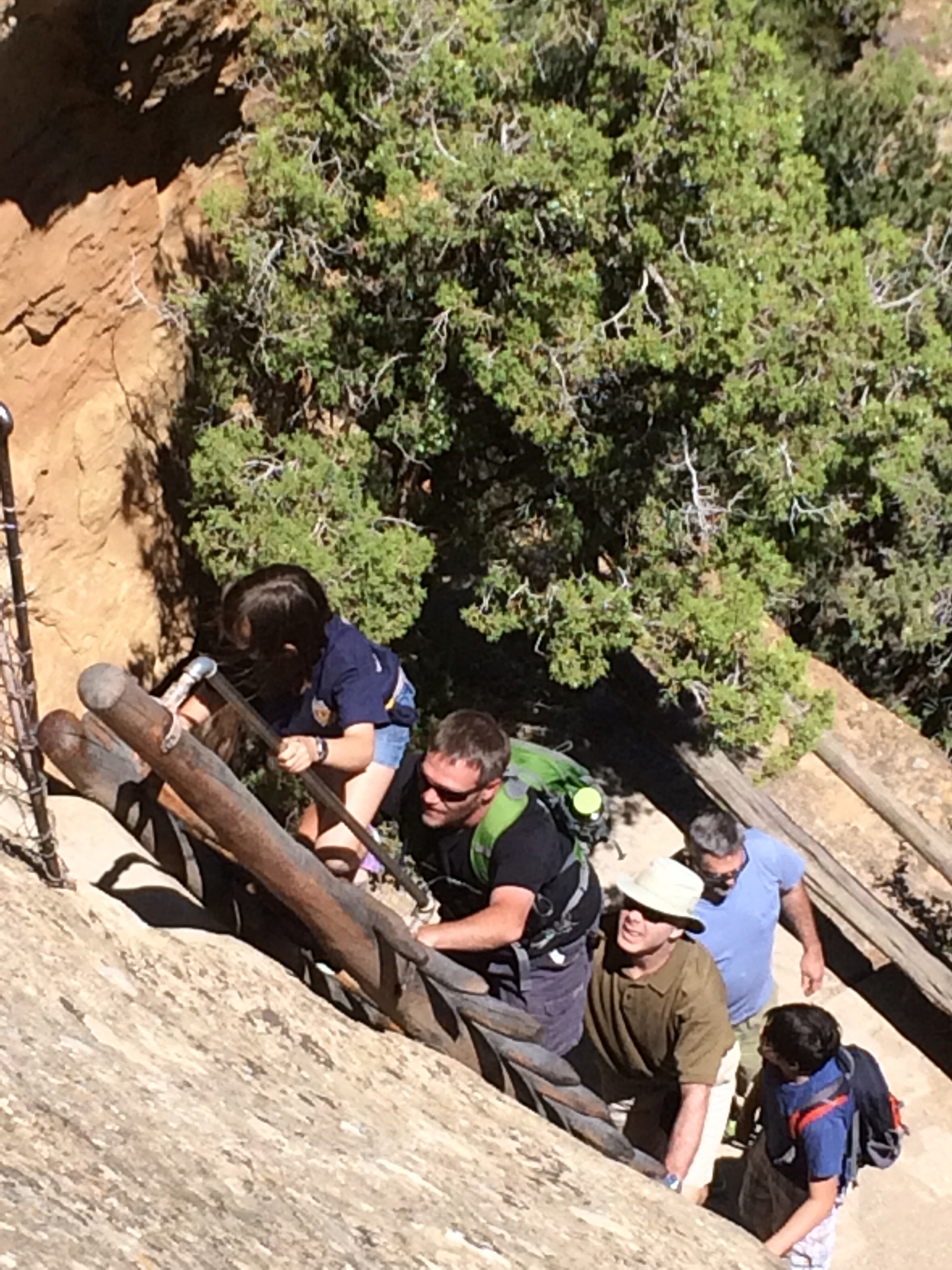
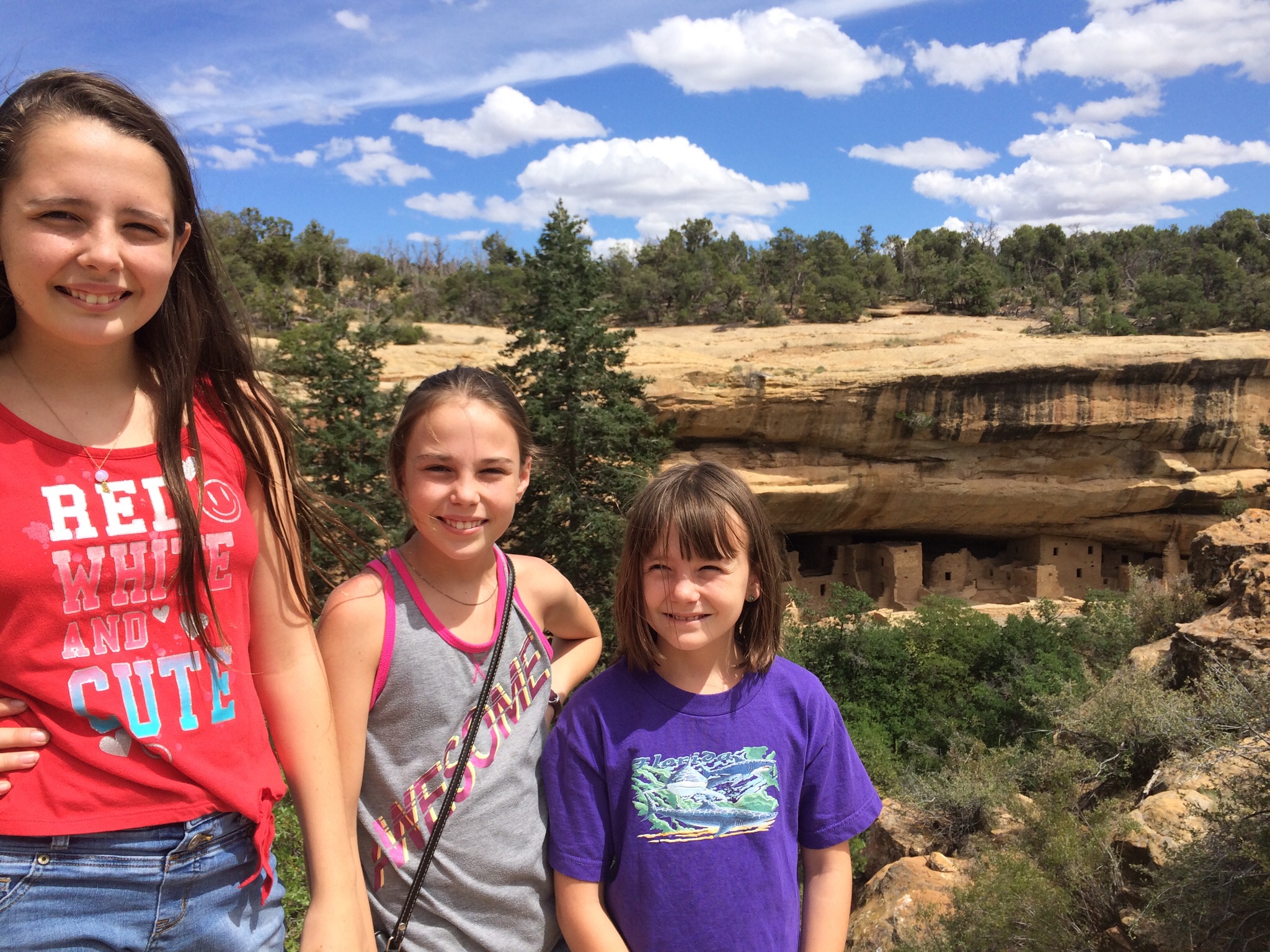
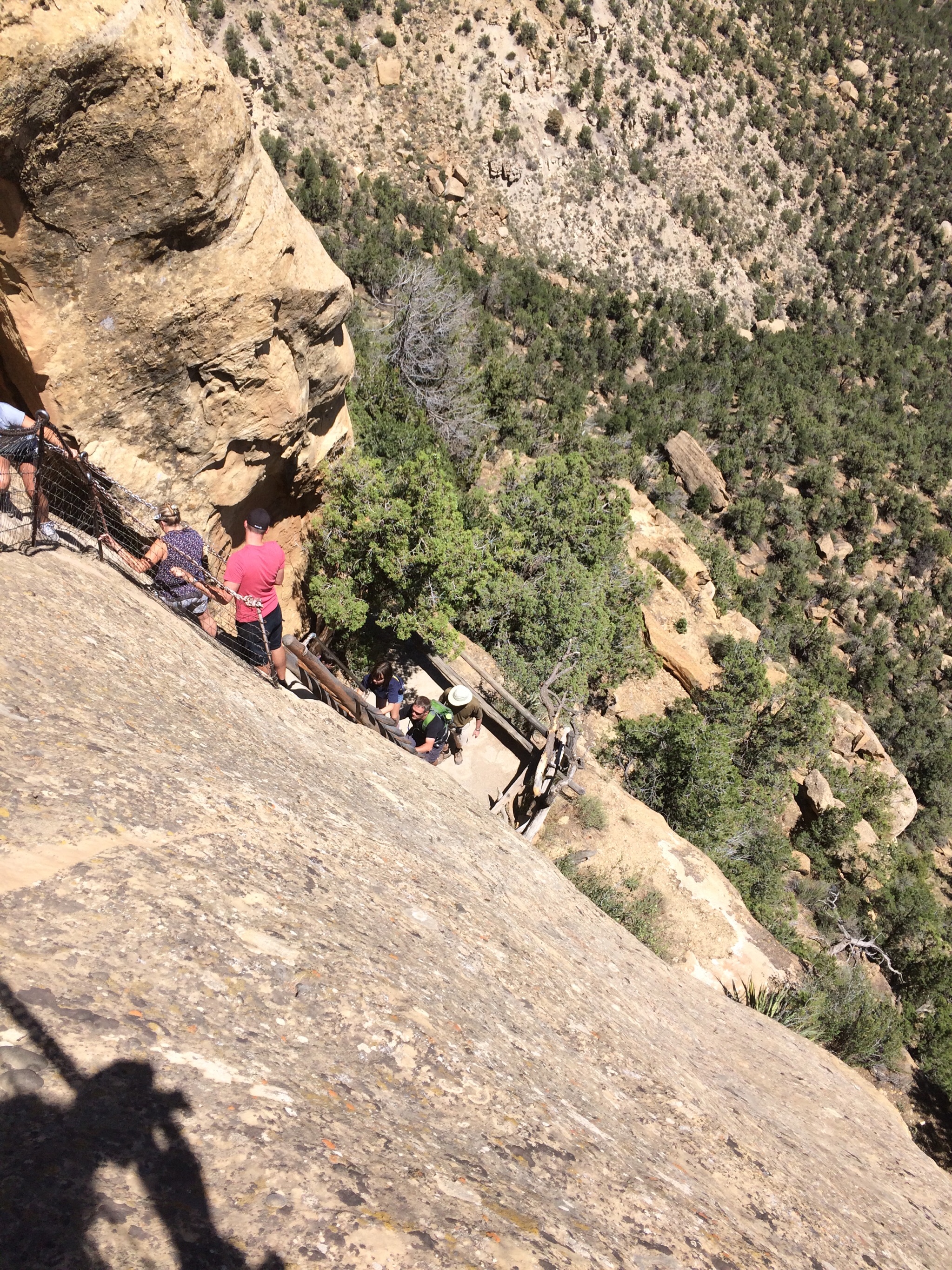
scaling these cliff walls
 feels easier than your words
 of guilt and judgment
 

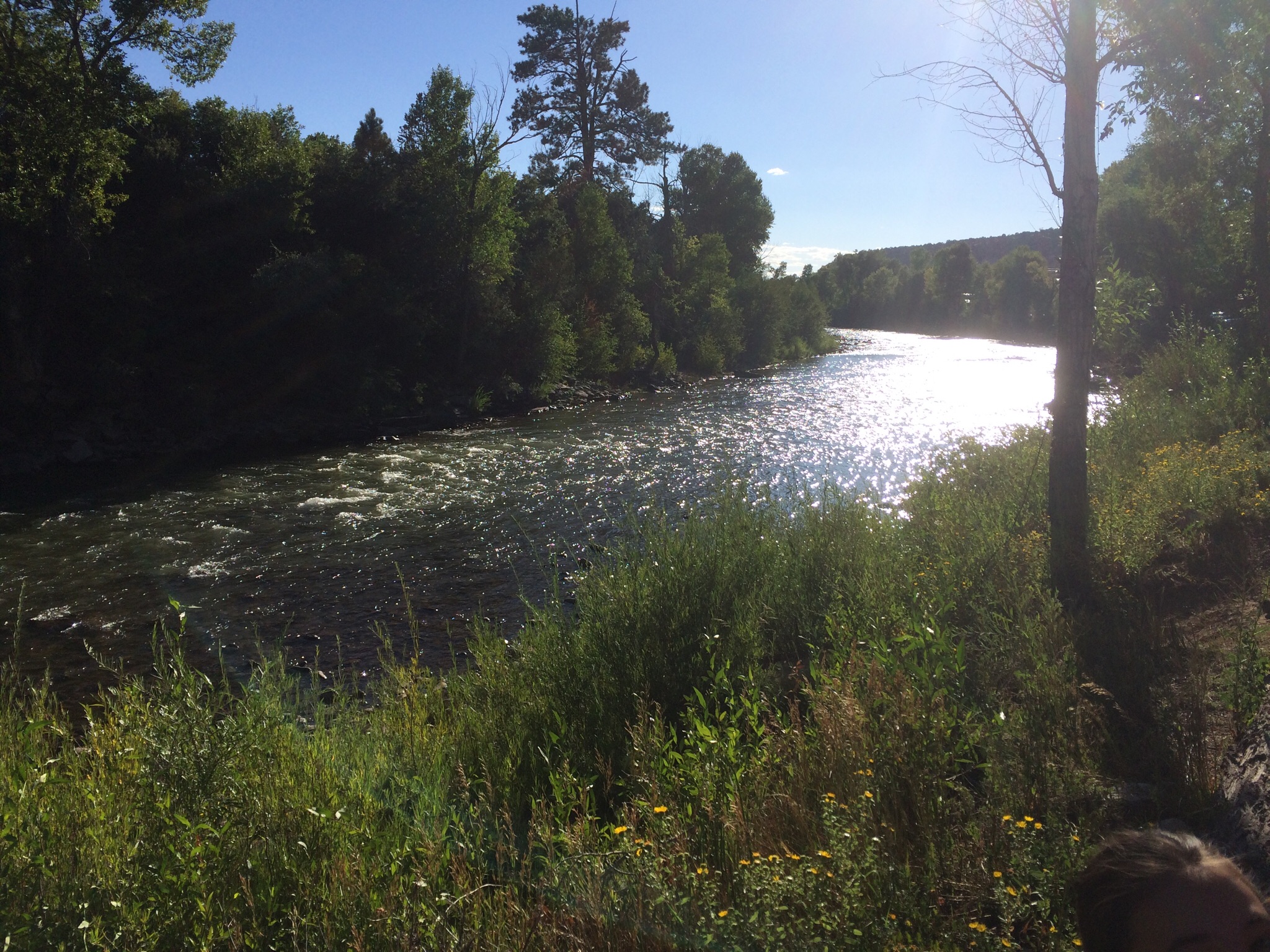
 yet, rivers sparkle;
 ancients thrived here, not survived
 (just like you and me)
 

 too much to take in–
 the beauty of history,
 of sights still unseen,
 

 of children’s faces
 as youth clings as fleetingly
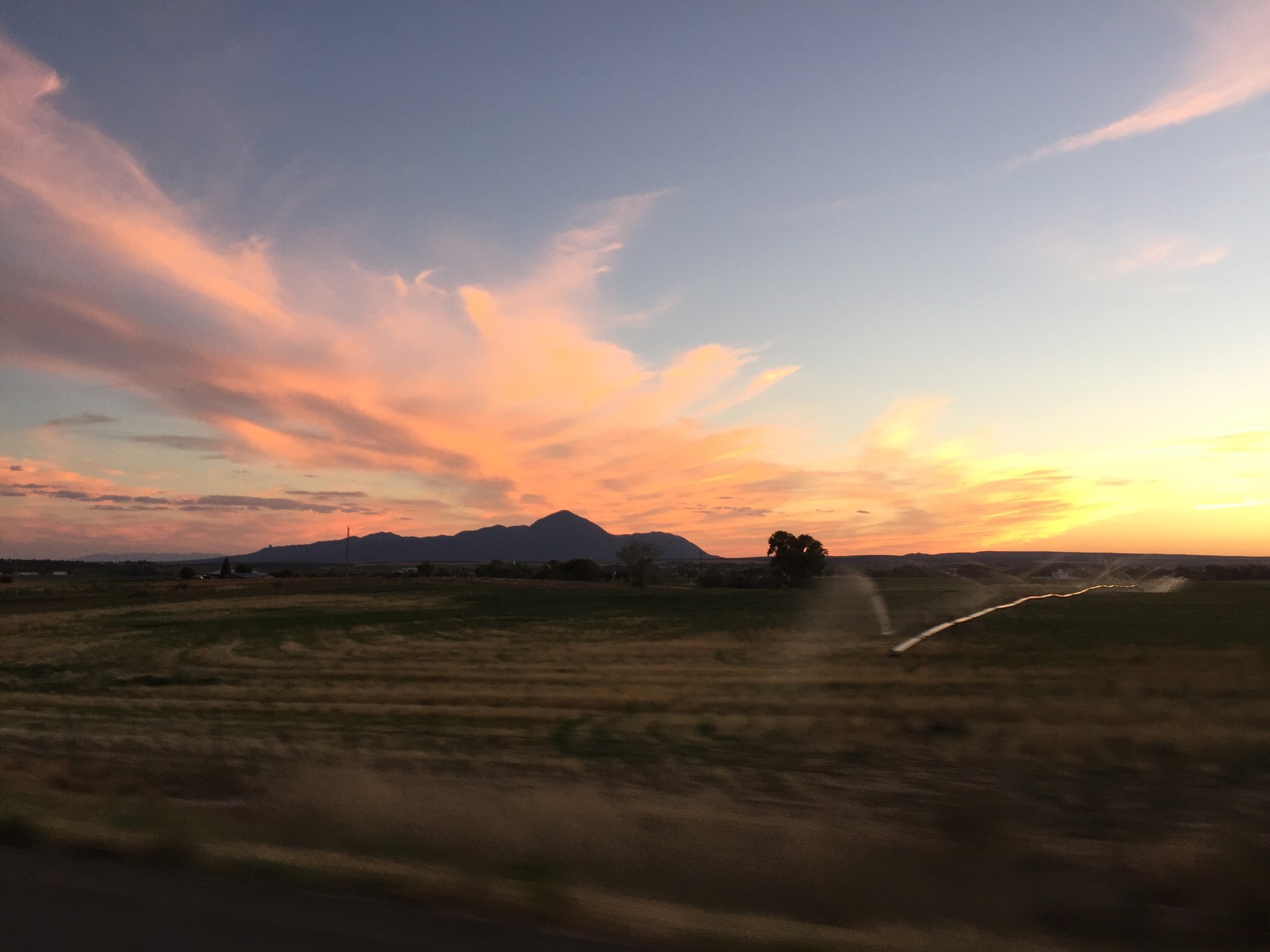
 as the setting sun
 

 we are captive here
 in these soft moments of light
 (help me preserve them)
 

Lost and Found

you couldn’t steal this:
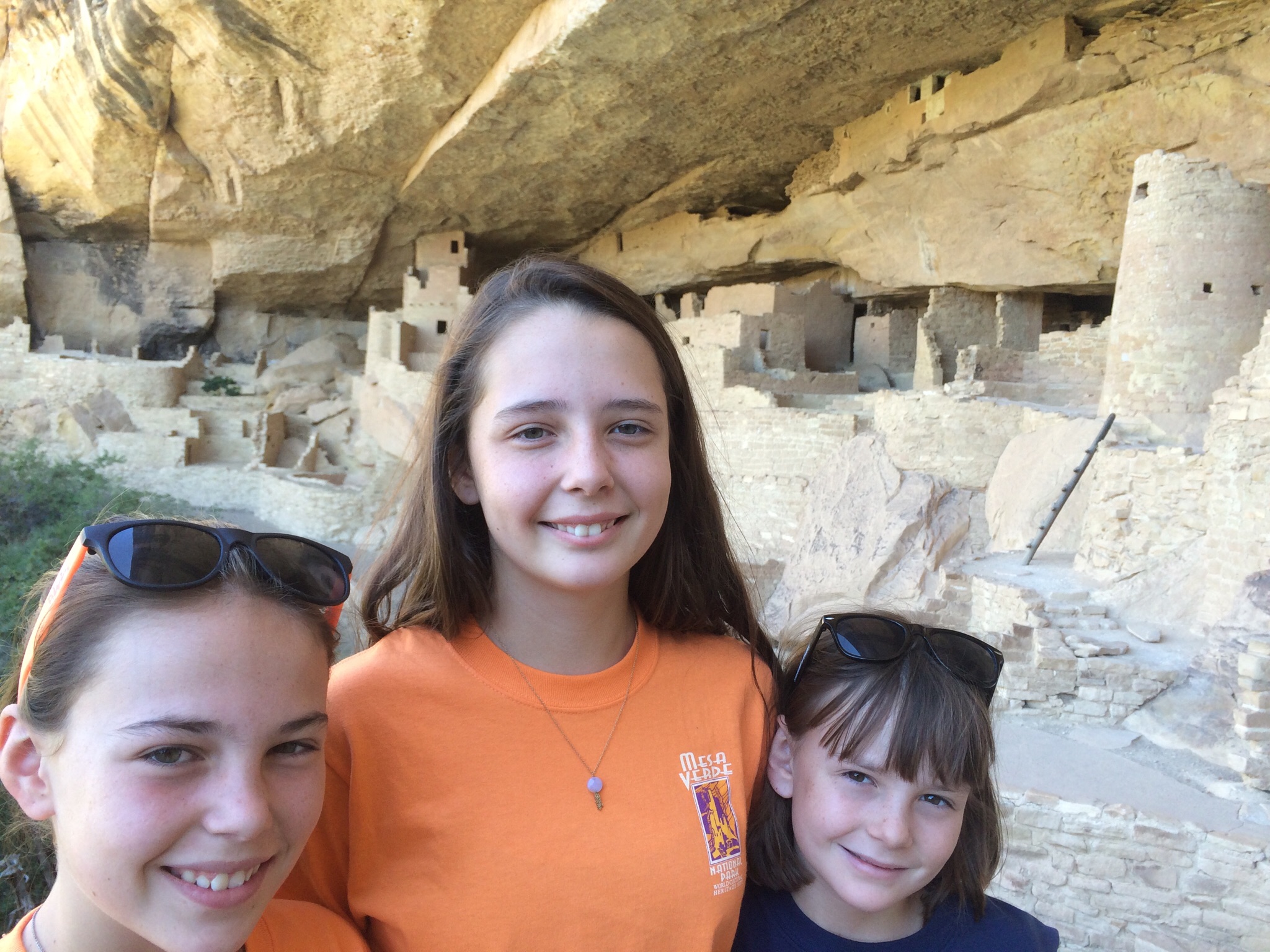
 ancient homes, history learned,
 survivors by cliff
 

 or these sweet faces
 of my three girls, unafraid
 to face your world
 

 no, you can’t take that;
 my identity’s in words
 found here. not with you.
 

Day Four, Road Trip 2016

on a perfect day
 with music following us
 on every corner
 
 i sometimes get trapped
 in thoughts of poverty, loss
 (also on corners)
 
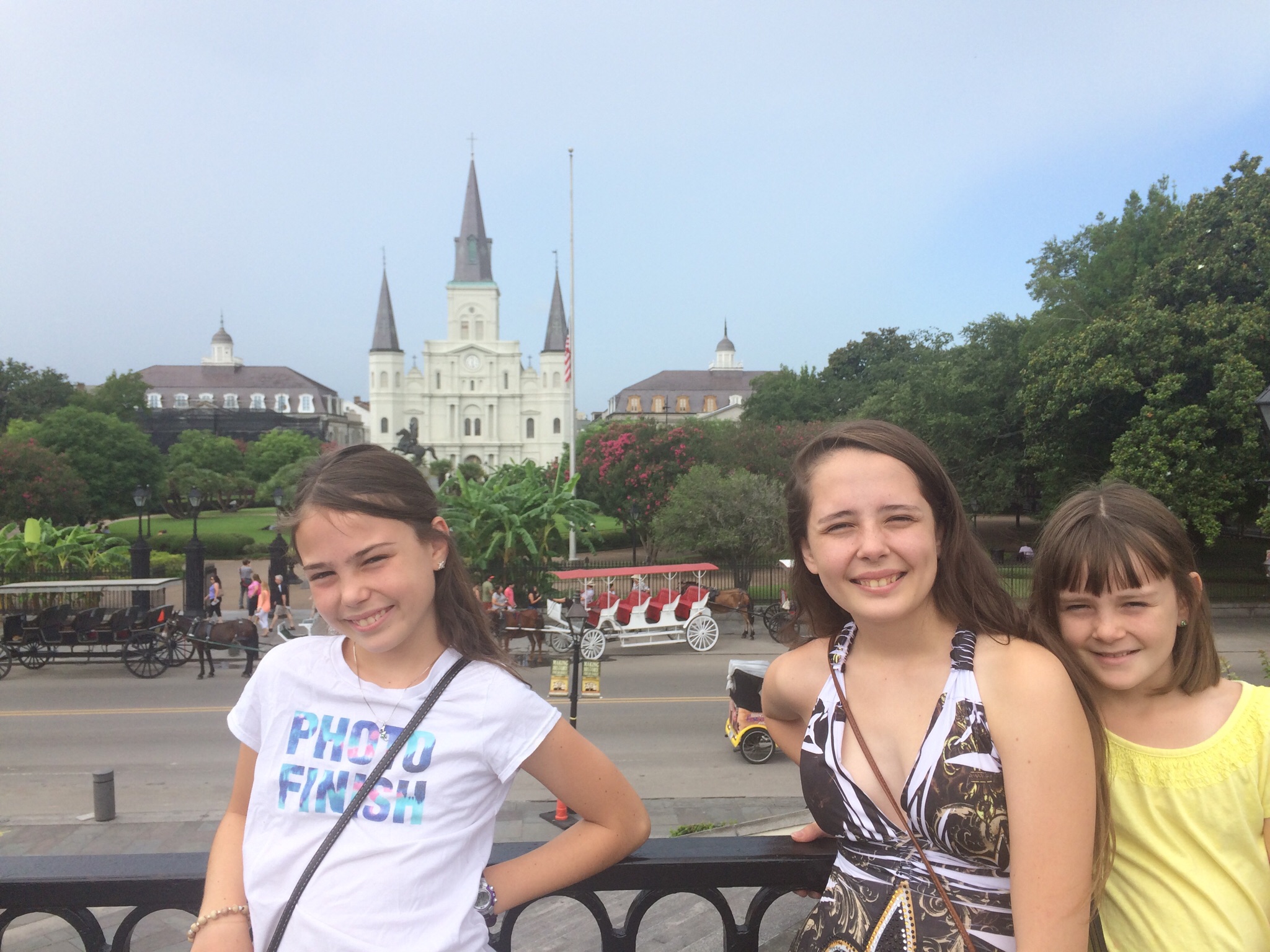
 my girls all grinning
 taking pics and buying gifts–
 the perfect white life
 
 yet anger jumps out
 from car windows and bar doors,
 a cruel reminder:
 
 we’re not all equal.
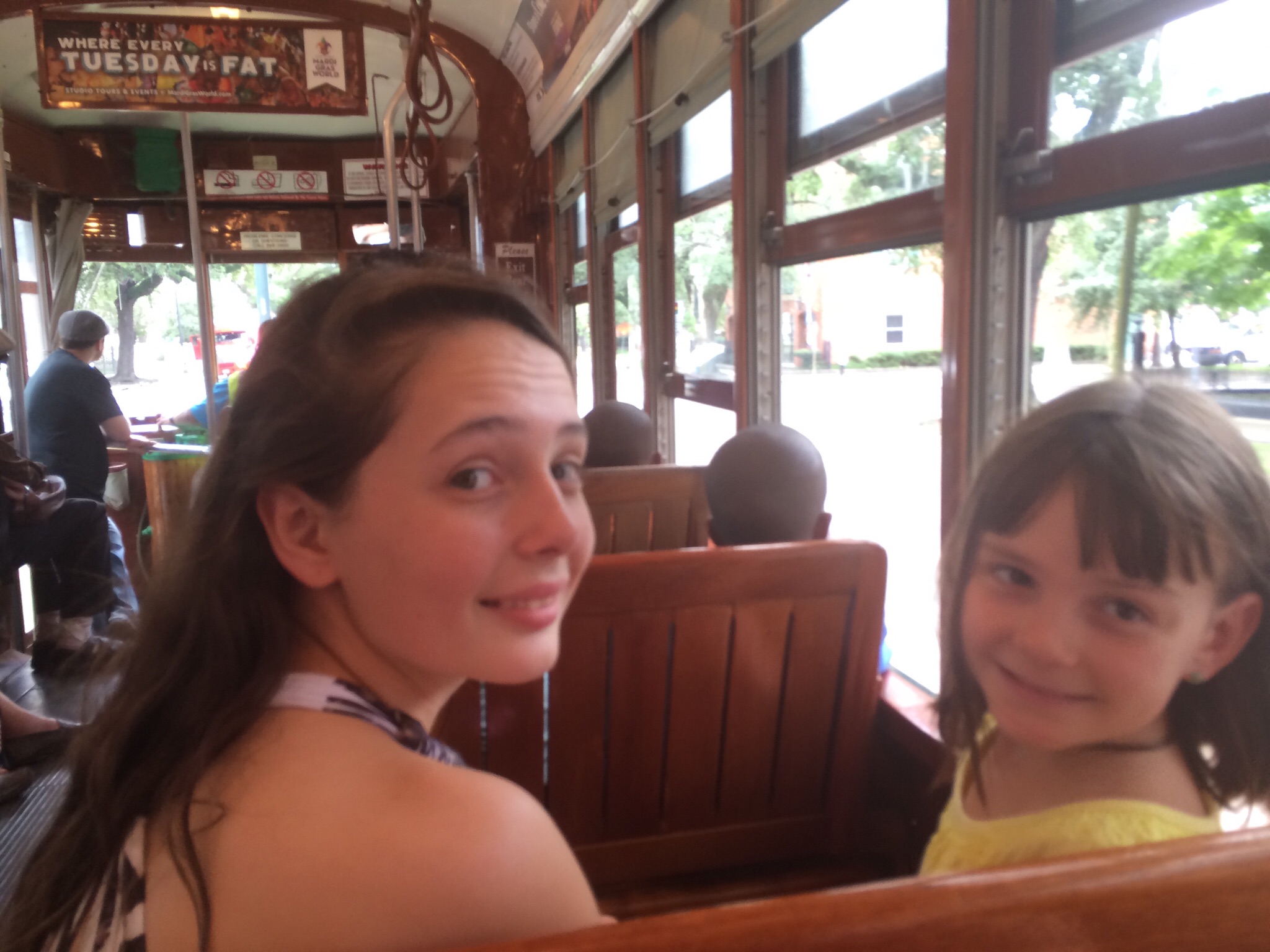
 some of us can ride trolleys,
 take month-long road trips.
 
 others beg for change
 with thin plastic drinking cups
 that they’ll fill later
 
 in all this joy: grief.
 vacations are like heaven
 mixed with sorrow


Loan Forgiveness

day started with angst:
 with backtalk and attitude
 lost in a battle
 
 midday mellowing
 came with a surprise measure
 of all my hard work
 
 by evening? they won.
 their debts forgiven–for friends,
 summer, being kids.


She Comes… I Stay

burst from these dark days
 of post-holiday winter
 news to change a life
 
 (or ten thousand lives)
 cause that’s how many she’ll touch
 in her tenure here
 
 this comes full circle
 (the young-mother sacrifice,
 the risky Spain year)
 
 to work with passion
 to be led with compassion
 to love, love my school
 
 it’s all i’ve wanted
 thirteen years waiting for strength
 to be my leader

Always a Top Ten

reasons why i stopped:
 one–brutal voice in writing,
 uncensored anger
 
 two–not much laughter,
 too much crying to count
 (my tear stained regrets)
 
 three–exhausted sleep
 from too many restless nights
 swimming in nightmares
 
 four–so much good lost
 on the desire to numb,
 to not fully live
 
 five–waste of money
 in times when we had little,
 in times when we’re rich
 
 six–lust and lack of
 mediocre love-making
 blurred by consumption
 
 seven–fat belly
 of someone too far along
 to give up this quick
 
 eight–every bad choice
 i have made as an adult
 came from that bottle
 
 nine–joy i once felt
 disappeared on icy rocks
 of my lost chances
 
 ten–my daughters’ eyes
 watching every move i make
 (and i’m making… them)


The Runs

second thoughts run deep
 two hundred dollars later
 and him always mad
 
 my bestie takes blame
 (her kitten was first, she claims)
 but this is my fault
 
 how deep does love run?
 for my oldest: no-phone prize
 for us all: pet love
 
 sometimes i wonder
 how hovering hurt runs deep
 to pick our pockets
 
 if i could keep her
 (and keep his heart with me too)
 we’d run through the depths


Tracks

I remember the first time I encountered poverty. I thought I’d encountered it when I was eight, in my grandmother’s kitchen. We’d just opened our Christmas gifts, and my cousins had their usual wealth of new skis, Patagonia sweaters, and trips to the ski slopes, when I heard my mother say to my father, “I wish we weren’t poor.”

But that wasn’t poverty. That was Christmas in Connecticut where my grandparents flooded us with what they could afford. Where we spent a day in New York standing under the giant tree that took up Rockefeller Center. Where the snow fell and the white, white Christmas shined crystal clear.

I did’t see poverty until three and a half years later, on a bus ride home from my middle school in Denver. And I know (now) it wasn’t the poverty of the third world, that it could have been so, so much worse. But it was as real for me then as it was today, twenty-six years later, walking across those same railroad tracks that I saw that day on that infamous ride home.

I was new to everything: the city, the diversity, the concept of extracurricular activites and late busses. After missing the correct bus home on the first day, I was anxious not to make the mistake again. But I didn’t think to ask anyone in my MathCounts group about the details of the after school activity bus, and three weeks into the school year, I hopped on to one of two busses thinking it didn’t matter.

As the yellow bus made its way across town, nowhere near a neighborhood that looked like mine, I began to hold in my heart a silent panic. I had followed my crush onto this bus, a boy named Schuyler whose name I wrote in my notebook for most of sixth grade. He chatted with friends as we moved from block to block, across rivers and bridges and a trainyard so large it could only have come from a downtrodden version of “The Little Engine That Could”, my favorite childhood book.

But this was no picture book. The houses became more decrepit, the neighborhoods transformed from treelined mansions into ramshackle shacks with dirt yards… And I was nowhere near home.

My “home” at the time being a two-bedroom apartment furnished with secondhand furniture and borrowed dishes while my parents spent their days searching for an opportunity in this city that had promised them the world.

I sat ten rows back from the driver, and as the time ticked by, my frightful silence pounded into my ears with a heart-throbbing vengeance. When the moment arrived for the tall, thin, dark-skinned driver to let out his last passenger, I knew I’d have to speak up. But my small-town New York voice didn’t want to. I wanted to go back to my small town, where my father had failed student teaching and wasted four years on a master’s degree that wouldn’t come to fruition; where my mother had supported us all on $6.25 an hour from the daily newspaper; where I could walk along the singular street that led from my elementary school to my home, and never feel like the village (city) idiot.

“Now, did you miss your stop?”

“I… ”

“Where do you live, honey?”

“I know my stop is Ogden and Ellsworth.”

“Well that was a whole other bus.”

He got on the radio. He made a plan. And I thought about him pulling up to my block of apartment buildings. About the little girl, Valerie Martinez, who had invited me over once and once only. “My mama gets paid on Fridays. Every Friday I get a treat. Last week it was a push pop. This week I might get a set of stickers.” She told me this from the tiny room she shared with her two brothers at the back of the apartment complex. She had a small desk where we played travel Sorry! and I scanned the walls that were filled with pictures torn from magazines and religious idols.

She had lived there her whole life.

I knew my placement in the apartment would be temporary. That my parents would find jobs (they did), that I would live walking distance from the school (I did), in a house we would own after selling our house in New York (we did). That my whole life would never be as dark, as frightening, as the bus ride home across the other side of the tracks. That I wouldn’t have to wait till Friday’s paycheck to get a silly little treat. Or share a room with two brothers for the rest of my life.

“You can tell me where you actually live, honey. You’re the only one left, and I plan on taking you all the way to your doorstep at this point.”

But I didn’t want him to know. That my parents had borrowed money from both sets of grandparents to make the trek across country. That we were living in that tiny, crappy place. That I’d seen the other side of the tracks, with gutted out cars and broken-in windows, and that I was scared. Scared shitless of what my life was at that moment, of what it could become.

I didn’t want him to know that I’d remember that day. How kind he’d been to me. How frightened I’d been. That I would keep track of those disturbing images of poverty like a prized collection at the back of my brain, unsure of what to do with it. That I would understand, years later, just how deep white privilege lies.

Underneath the snow. Between the tracks. Where my city has fallen not into the arms of an unforgiving God, but into the arms of a greedy monster of wealth. Where they have torn down every last remnant of what was real to build cookie-cutter apartments for hipsters overlooking those same tracks. Where the middle class has all but disappeared and I walk with my three girls through a world I couldn’t begin to describe to them because I don’t understand it myself.

Where I am just eleven years old, trapped on a bus, hoping the driver will take me to my stop.

Because without that hope, there is nothing. Just a blue-sky day in the middle of December, a long walk home across tracks I will continue to cross, and a world I am just now beginning to understand.


After You Finish…

we stand scorched by sun
 for a staff pic no one wants
 on fragile bleachers
 
 this after staff talk
 the same pointless PowerPoint
 that’s plagued our careers
 
 after late release
 of the rowdiest last class
 prisoners of bells
 
 after no planning
 scheduling glitches abound
 grade books that won’t load
 
 after absent kids
 gone for testing, Muslim Eid
 gaping holes in class
 
 after percussion
 the endless percussion of
 kids who can’t sit still
 
 after fall won’t start
 with no air conditioning
 and no new pay raise
 
 and you want to teach?
 it sucks the life out of you
 (but—kids blow it back)