our union may vote
to strike down inequity
would anyone care?
On Deaf Ears
our union may vote
to strike down inequity
would anyone care?
our union may vote
to strike down inequity
would anyone care?
my actor, artist
my sculptor, my filmmaker
my youngest daughter



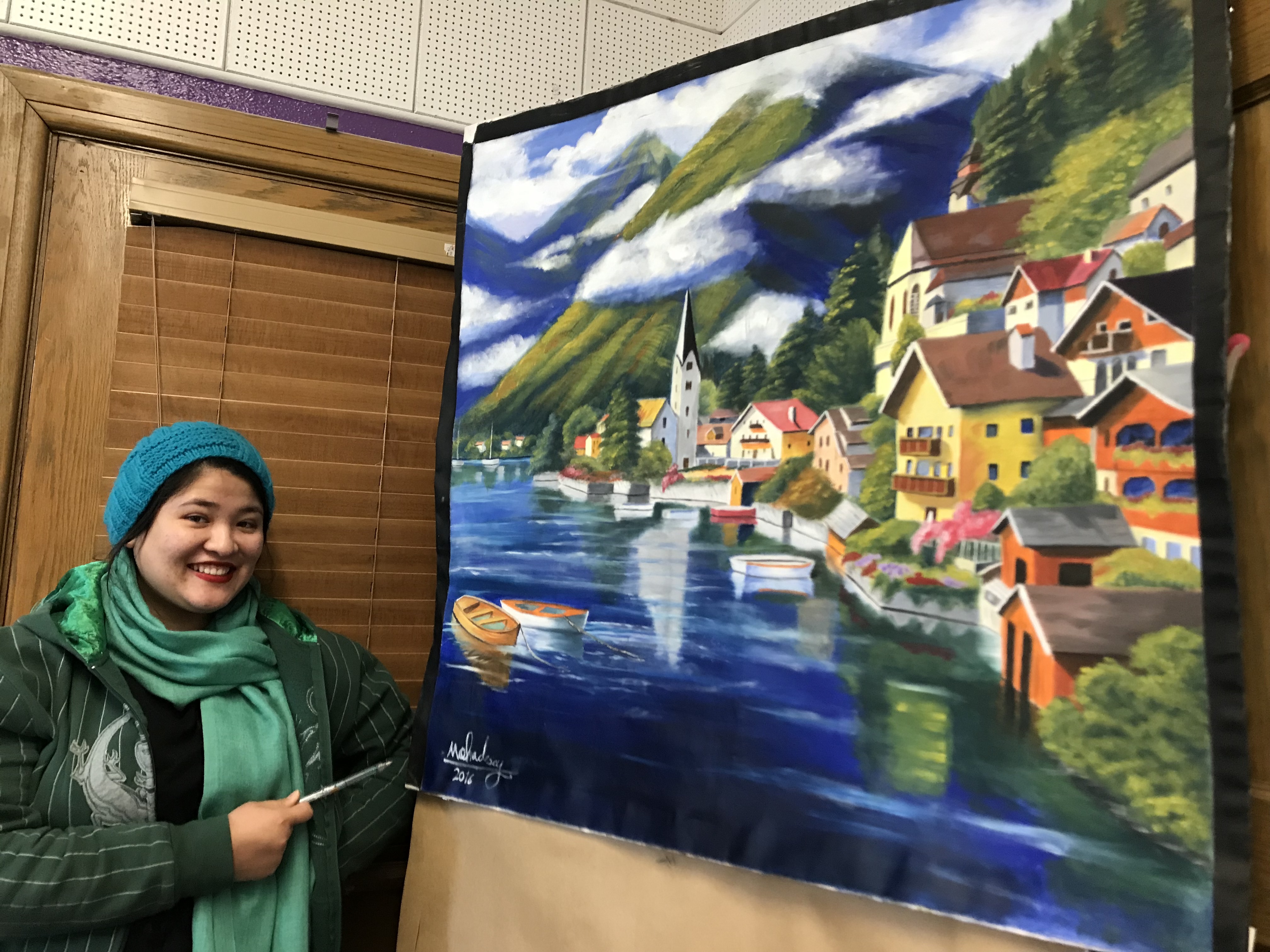
Do refugees contribute to our society? You tell me.
This was Mohaddeseh’s FIRST oil painting. Her family had to leave a U.S.-instigated war in Afghanistan to try Iran, where they were ostracized, to Turkey, overburdened by refugees, and finally came here.
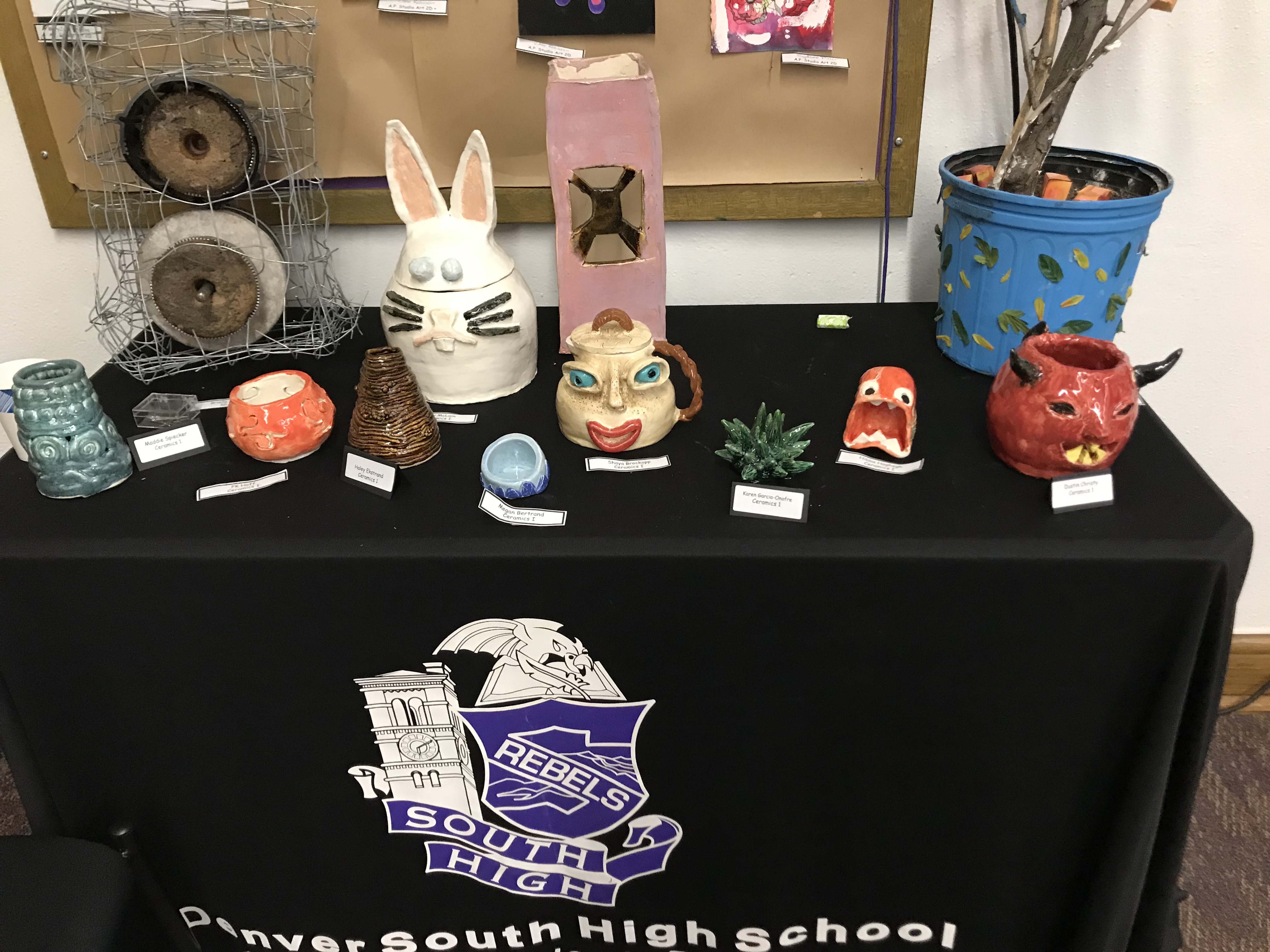
Look at this art. This art show, all the cultures and colors and beauty of the world.
This beautiful painting next to this beautiful human could be the world we live in.
Just put yourself here. There.
With us. #withrefugees


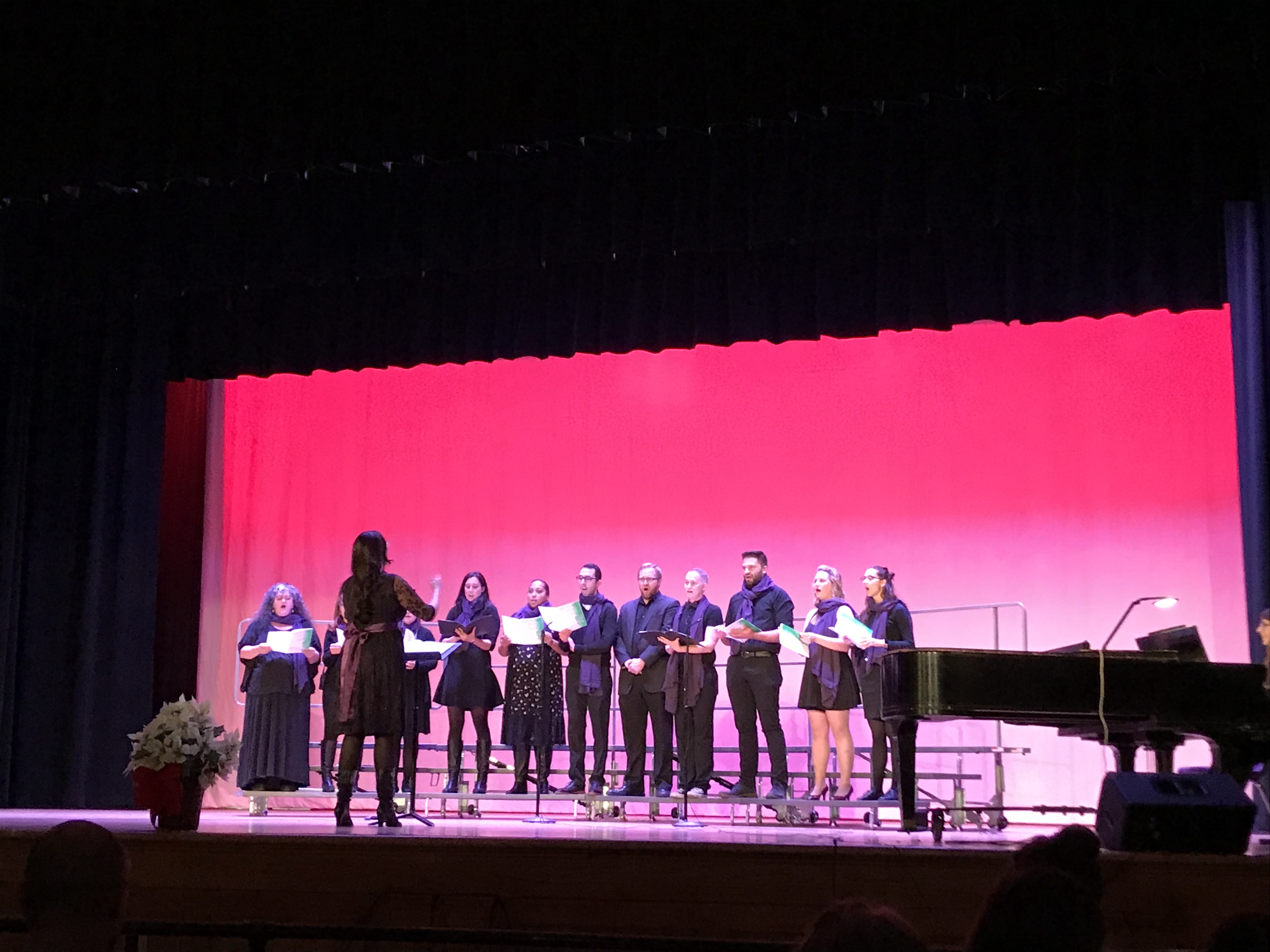
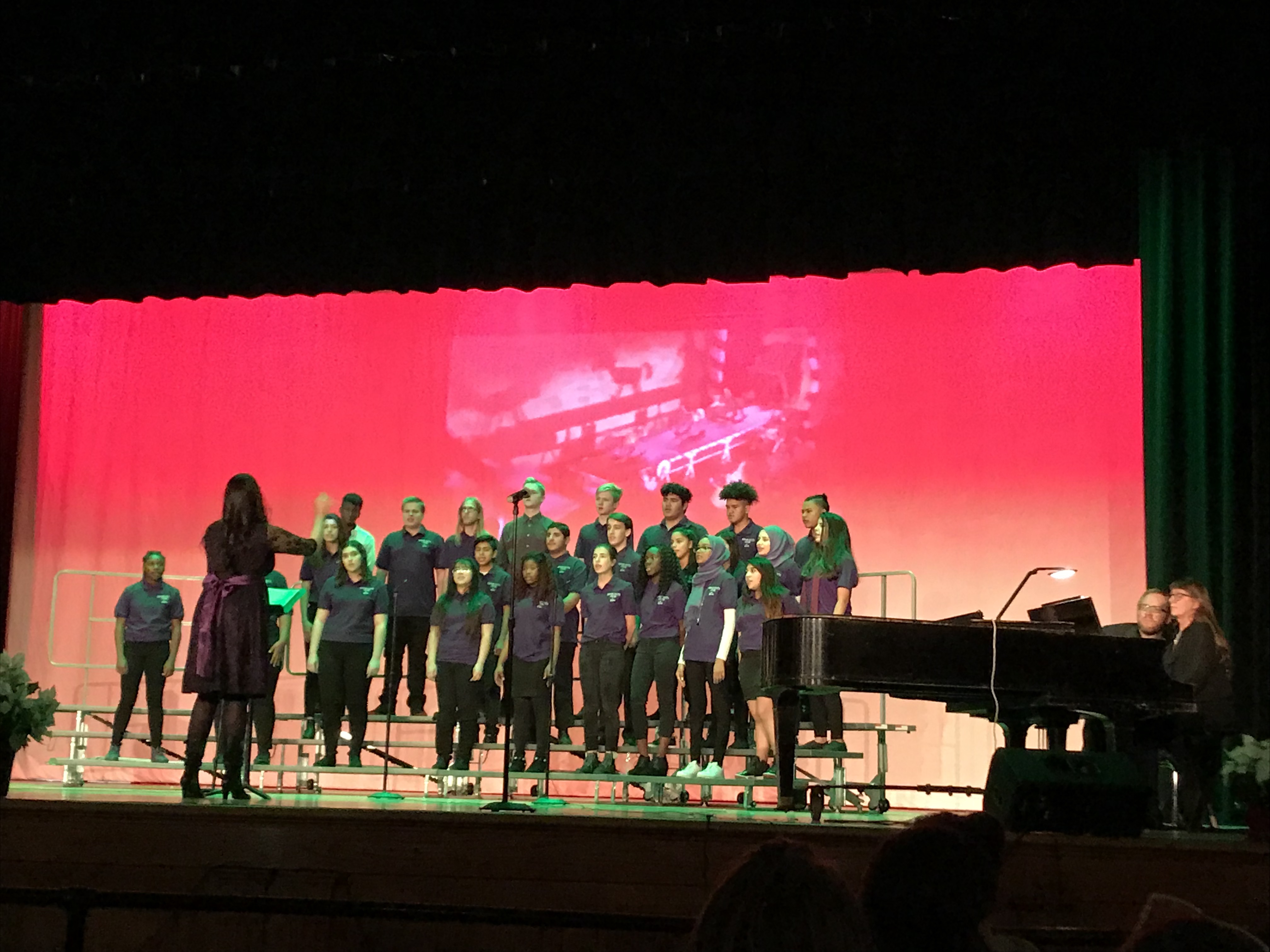
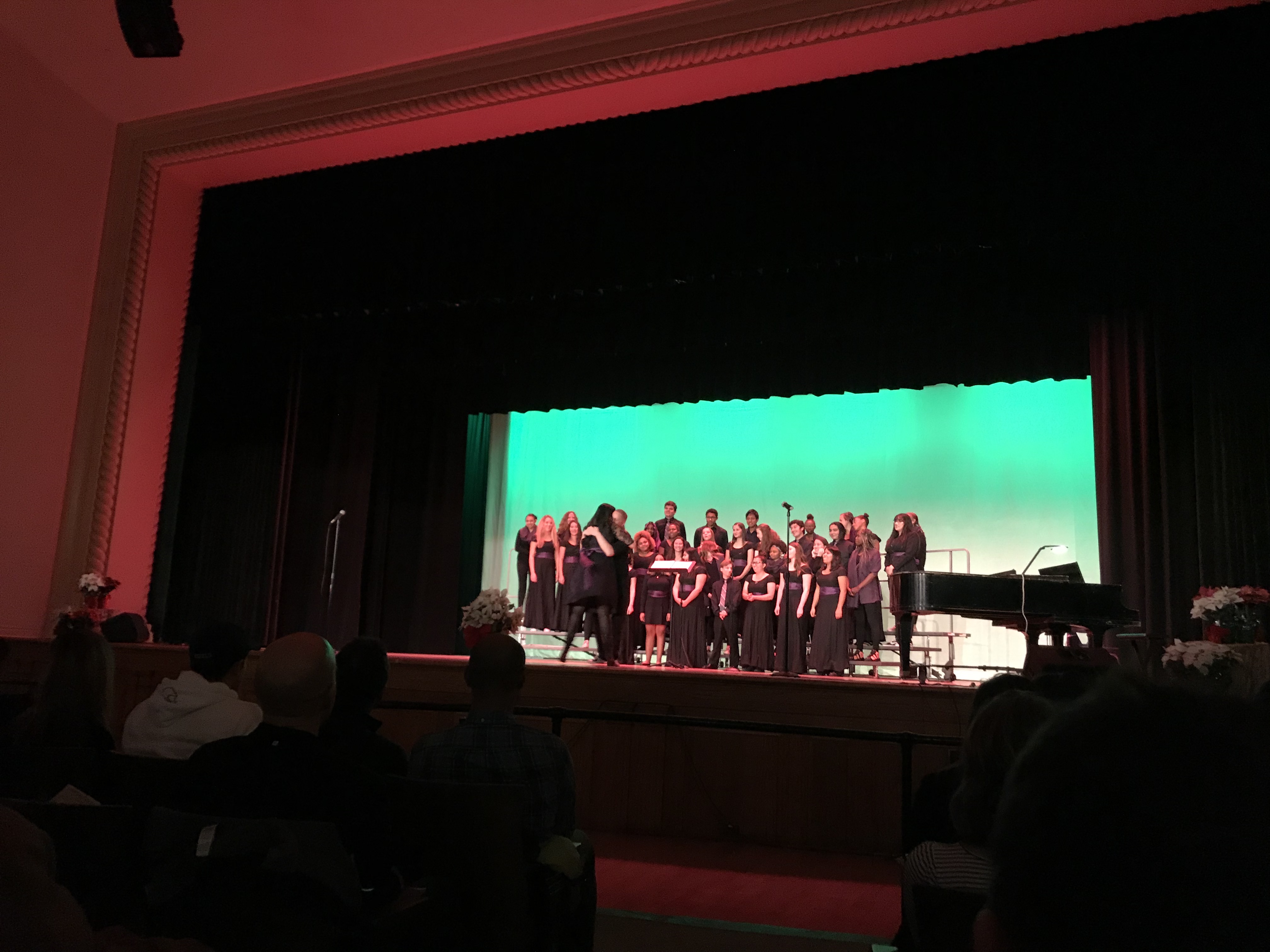
my school’s world peace:
with every type of choir
my school’s world piece

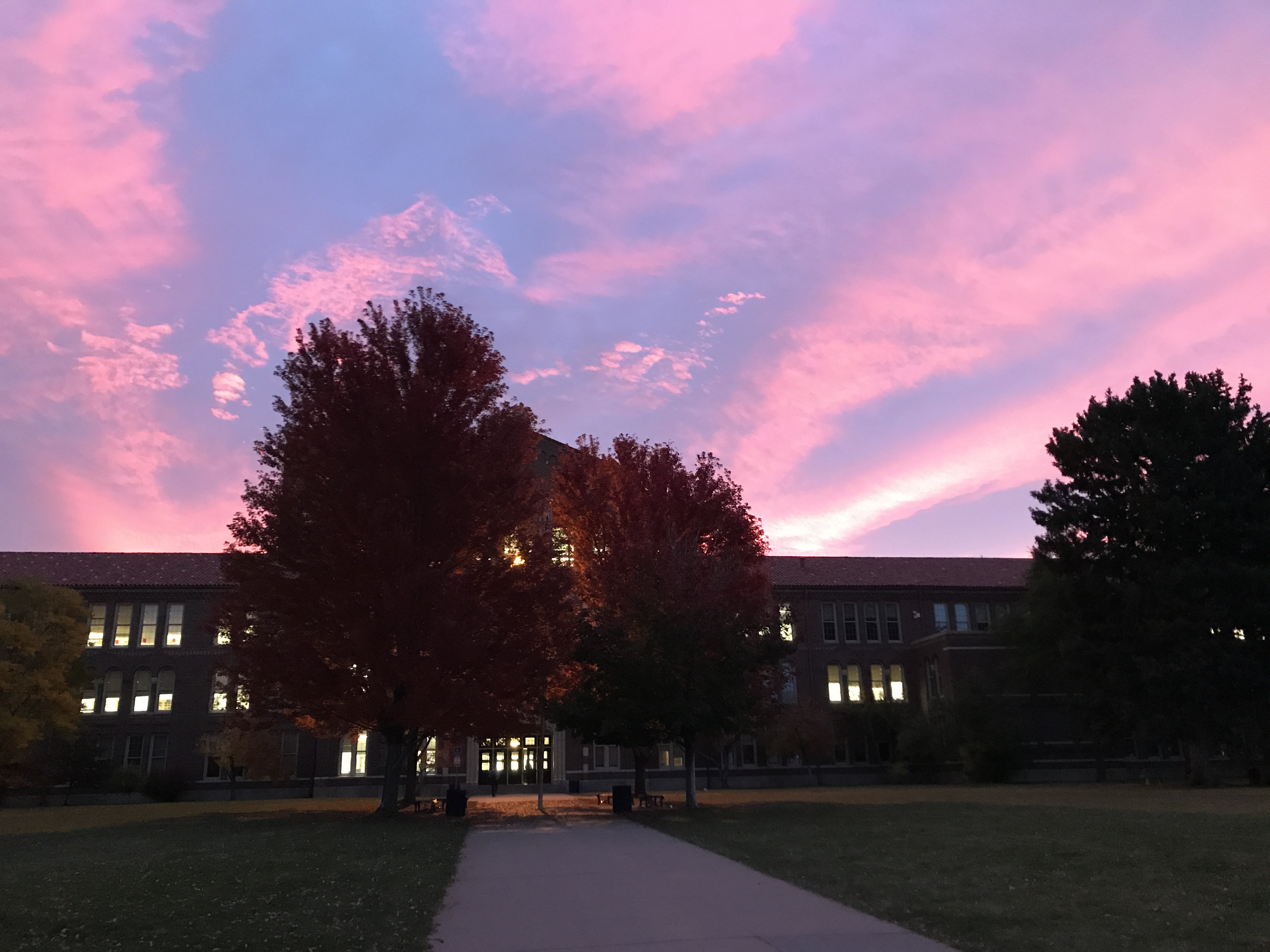
The day begins with tweaking. That is all that life is, really. Just one small tweak in a different direction and the result could be completely the opposite. If my daughter tweaks that steering wheel just a little more to the left, we could have a head-on collision. If I tweak my reaction to her left-leaning grip to a scream instead of a stifled breath, the whole day could be doomed by her admonishment of my “criticism.”
If you could just tweak your lesson by a few words, you could build up the academic vocabulary.
If you could just tweak your email a little bit, I would actually understand the task you are asking me to accomplish by the end of tomorrow.
If you could just tweak the fuck out of this pay scale, maybe I could afford to breathe.
The day ends with tweaking. Eighteen months into planning a trip with one of these multi-million-dollar scams to take some students to Costa Rica to complete sixteen hours of service, to have a purpose for their privilege, the rep from the company calls to inform me that no one else signed up for the service trip for that week, that we won’t be able to take that tour, that we will have to do the normal tour, pay a bit more, add an extra day, horseback ride, visit a national park, see the sea, be the fucking privileged bastards that we are, never making even the least bit of a positive mark on this cursed world.
“Are there any other options?” I ask after she has already said to me, “Was it your personal preference to do service or a school district requirement?”
I should have said school district requirement. I should have gathered up the words I have in my heart now, about how hard this has been to organize, how few students I’ve recruited, how my colleague can’t even come because we don’t have enough, how angry I am that after all this time, NOW, now I find out that I can’t even do the one thing I wanted to do? Teach English to small kids? Clean up a littered beach? Build a latrine? Something that makes a difference?
I should have tweaked my words, my never-present verbality incomparable to print, to thought, to hours later and all the tweaks I need to fuck this day.
During first period on a 90-minute-class block day, the few of us who had planning should have been feeling pumped. No students yet. No admin. No meetings. Just a moment to think about what we could do, what minds we could shape, what students would be there and what students we hoped wouldn’t.
And what did we discuss? A broken-down car, an Uber driver who saved the moment and makes more money than us in a day. Dog walking that pays double our salary. Being a trainer for Lowe’s. The emotional drain of being asked to please one hundred students, at least half of their parents, all of the admin, all of the district, all of the “failed” test scores, all of the data-driven nightmares, all in a day’s work.
It was a short discussion. We returned to our paperwork nightmare, our school district applications that freeze without warning on cheap PCs that break without warning, our plans that get interrupted by ten passes in a period, phone calls asking about missing students, requests for kids to attend assemblies, students who leave to pray, students who leave to get chips from the vending machines, students who won’t put their phones away, strings of emails five miles long trying to help the students who won’t help themselves, strings of want five miles long that stretch between breaks that, without, we’d utterly fail.
Could I tweak this? Could I just change five minutes of this lesson to ignore my Syrian refugee whose question (directly related to our reading, I promise) breaks me down to my core?
“Miss, why do white people think that they need guns? Who are they trying to kill?”
What academic vocabulary can I infuse into my white-supremacist rant, my explanation of three hundred years of slavery and colonization that we are just now taking the first steps to recover from, what words can I tweak to make her understand the weight of my response?
The weight of her question?
The weight of it all. The weight we carry with their questions, their presence… their absence.
My Honduran beauty, quiet as a field mouse, who ran away for ten days, scaring the shit out of all of us, her stepsister coming in teary-eyed and disheveled, whispering about the police, the older boyfriend, the fear. And when she miraculously reappeared after the break, I couldn’t do anything but wrap my arms around her, to tell her that everything was going to be OK, even though she knows I’m lying, that she has already flown across this border to live with a mostly-unknown father and stepmother, her mother back home working to her bones under the brutality of gang violence.
Could I tweak my interaction with this child, teach her how to take the SAT to the satisfaction of my school district?
Could I tweak this day, this or that news, this or that email, this or that career, to make all of it feel like it’s worth my time? My soul-bearing, heart-breaking time?
“If only I could write,” one of the teachers said this morning. “Maybe I could get some books published, make some money, get out of this.”
And she’s only five years in. Maybe she could find her words, find her magic, and escape the hell that we go through each day.
But then she wouldn’t have the stories. Those kids, they burn us and break us and… save us.
“This is my favorite class, Miss,” a boy with a 42% tells me after school, begging for work before the semester ends. “You are fun, and you make me work so hard.”
Not hard enough, I think. Could I have tweaked my thirty-person ELD class to differentiate for his specific needs?
I have a million messages from parents and students and admin and I shouldn’t be taking the time to write this post.
But no matter how much I try to tweak it, the work of a teacher never ends.
And no matter how much I try to tweak it, the love for teaching never ends.
And that is why I will rise tomorrow and face the same battles. The emails. The absences. The presence. The questions. The turns. The work.
With a little tweaking, maybe I can turn this work into a life. It’s only a matter of turning the wheel.
To avoid pouring water down the drain, I spend ninety minutes washing dishes in two pans, running water out to my new mulch to dump, and putting everything away while Bruce researches home equity loans and Trump tax cuts that hurt, rather than help, our current situation.

Behind the bars of my security door, I take this picture of the sewer company’s progress replacing a portion of our main drain.

Behind the bars of this security door, I hide from the American Dream. The one that we are all promised and few of us ever attain. The one where we could afford to buy a house, afford to deal with that house’s expenses, afford to send our children to college or even pay off the loans we might still have from our own degrees.
I hide from the dream of all of my grandparents, a combination of immigrants and endlessly American, one grandfather with an eighth grade education, one with a high school diploma, who were able to raise large families and pay off mortgages well before retirement. On ONE income.
I hide from the audacity of insurance that we carry on our homes, our health, our lives. From the premiums we pay that won’t cover pre-existing conditions (like pregnancy!) or pre-existing problems on our properties (like drains), or pre-existing hope–from all the thousands and thousands of dollars we pour into these plans that leave us empty, behind bars, unable to operate a backhoe.
I hide from the for-sale houses in my neighborhood that are now so outrageously priced that my family, and none of the other families on my block, would ever be able to afford to buy the homes we stand in.
Behind the bars of my security door, I am as insecure as everyone in my generation. The generation that faces housing costs that are equivalent to more than fifty percent of what we earn in a month. The generation of debt that is impossible to avoid even with the best budget. The generation that has made the choice to bring children into this world only to constantly think: why would I bring children into this world? Children I feel inadequate to provide for, children who will face even higher college costs, children who will be straddled with debt for their entire adult lives?
Behind the bars, I cannot see the buyers of the $769,000 remodel on the next block. Where they come from. What jobs they have. What magical formula they applied for that allowed them to take a mortgage that costs more than what our two incomes bring home in a month.
Behind the bars, I hear the Spanish language spilling from the mouths of the workers who have to dig a hole in a yard on a holiday. With perfect efficiency, they have repaired a ten-foot section of pipe within two hours, and they will move on to the next family’s crisis, and the next, and the next, before going home to houses on the other side of town that they also likely can barely afford, because we all know that the $6000 we just paid for that pipe is lining the pockets of a white, male, English-only CEO.
Behind the bars, I live in my dream house, my four-bedroom, two-bathroom, beautiful-garden dream house that we waited seventeen years to purchase. I raise a family of three daughters whose pay may never match their male counterparts but, despite this, whose intelligence and candor will allow them to live the life of their dreams. I share my meals, my home, and my love with my husband who has managed our finances to such perfection that we have flawless credit, making an application for an equity loan for both our properties (because nothing can just happen to this house–both need new main drains), virtually seamless. We both work hard at our dream jobs–teaching and telecom–in order to make this picture perfect.
With the door open, before they rebury the dirt, I snap a picture of our pretty kitty hiding behind my glass of stress wine.

I sit on our paid-for leather recliner and feel the cool breeze of early summer and think about my students who have crossed the world to be a part of this American Dream, and how hard they work to make that dream possible, to learn English and learn how to navigate the complexities of our society that sometimes make us feel like we’re all going down the drain. I think of how hard my husband and I have worked to make this day possible–to give my girls a summer trip to Spain, a year in Spain, to see nearly all fifty states–because of how careful we have been with our money. I think of the health insurance that paid for most of my husband’s surgery and how my grandmother’s baby sister died of a simple infection in her mouth after tripping up on a wooden popsicle stick, all because they couldn’t afford a doctor.
With the door open, we host family friends who make us laugh until we cry, whose daughter will join us in Spain, whose presence makes us appreciate what we have surrounding us in life–a life filled with laughter, love, support.
With the door open and the Spanish-speaking workers gone, the Siberian iris frames my kitty, my pet, my perfect yard. I know that I have given so much to get to this picture, and I know I still have more to give. I have daughters who are lucky enough to have access to all the technology, diversity, and coursework that comes from an urban education, and who will enter their adult lives with an open-minded understanding of the world. I have a house that we can afford and enjoy without feeling like our money is going down the drain. I have a job that brings the global perspective to every choice I make in one of the most beautiful buildings our city has to offer. I have a marriage that has lasted from childhood to adulthood, with all the post-adolescent turmoil and trauma, all the sorrow and joy, that comes with making it work for twenty years.
With my door open, I wait for the American Dream. Somehow, some day, some way, I will see how it is both easy and difficult to achieve. If I would learn to always open the door and move beyond the bars, I would see that not everything is going down the drain. I would see the beauty in every choice, the brutality in every loss, and find a way to make a set of silver linings sweeter than a sip of stress wine.
I would be the wife, the teacher, the mother of that perfect picture. That perfect picture would be me.
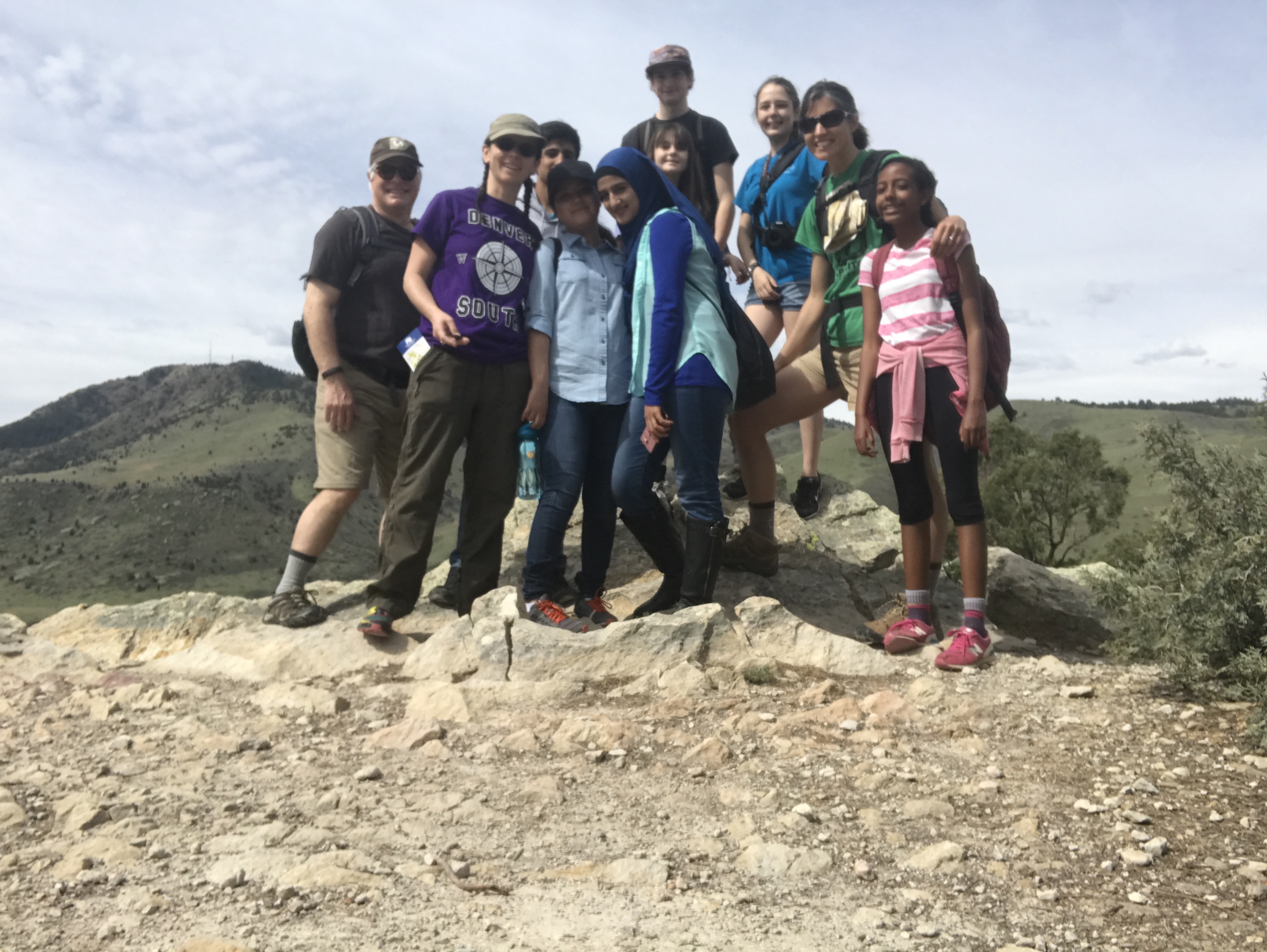
We took three Afghani students to the foothills today. They have been here for less than a year, so they learned a few English words today: Hike. Trail. Juniper. Ponderosa. Colorado=red rocks. View.
I tried to ask what it was like for them back home, but they only knew a few English words to describe it: Danger. No school. Grandparents. Parents here in Colorado. All kids–brother, sister, other brother–in Afghanistan.
Each time I asked if they wanted to continue down the trail or turn around, the most confident girl, the hijab girl, kept insisting we go on. She had no desire to go back to whatever life she had outside of that blue-sky hike, her knee-high boots and sweaty face no hindrance to her joy. She just wanted to walk. To escape. To be on that mountain.
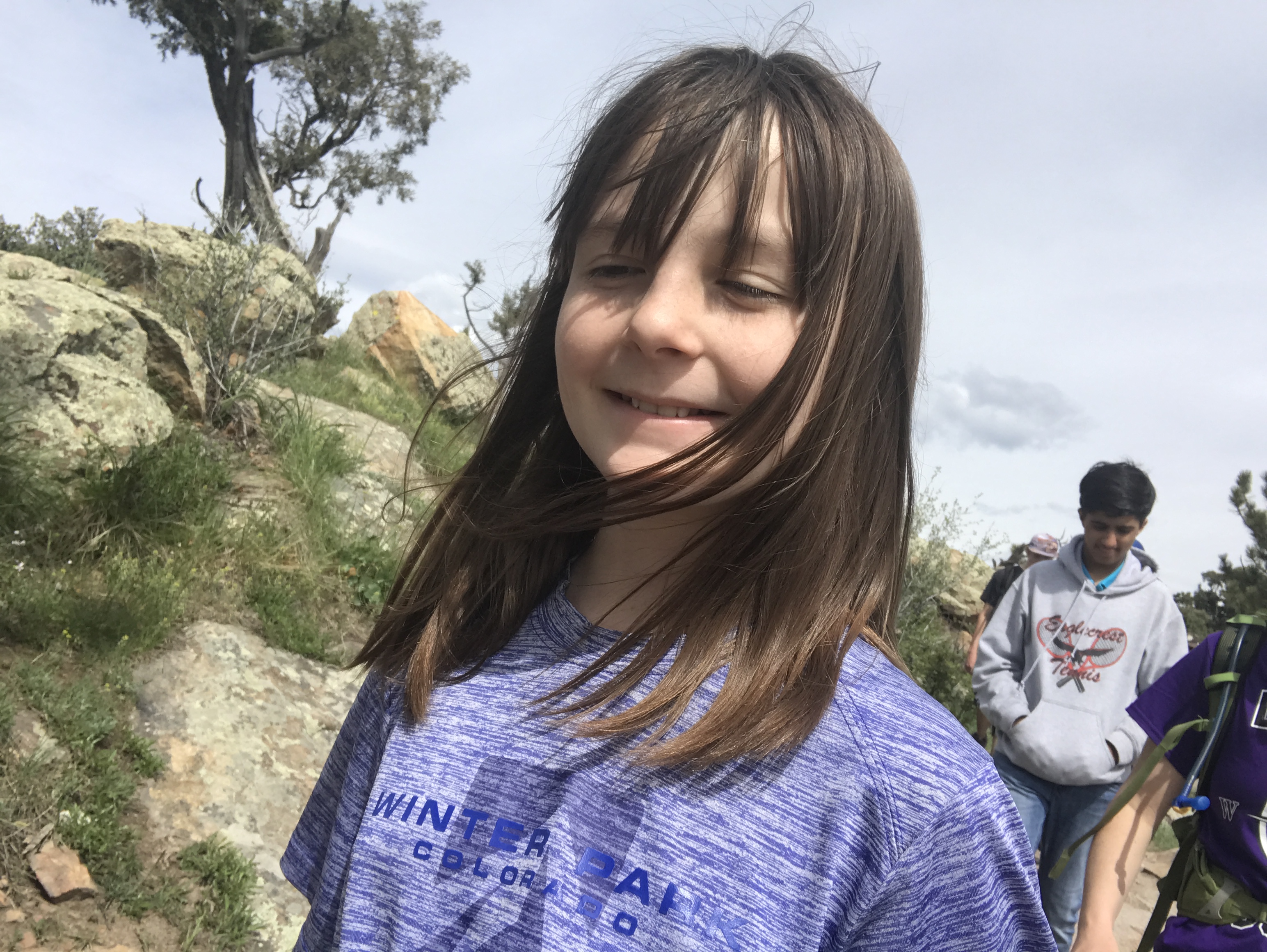
When we were at the top, she leaned in to take a selfie with me, and then one with my youngest daughter whose experiential-learning school had just visited the same location, whose quiet voice shared with us the details of the sedimentary rock layers, the lichen, the igneous and metamorphic. This was a perfect match–the low-English Afghani and my quiet youngest–smiling shyly for a photo, a perfect frame of world peace.
With a walk like this, we step towards empathy. Understanding. Gratitude. We know that things could be worse, that they are worse, for so many people in the world.
But it doesn’t stop me from feeling the pain, the loss that I feel now. For feeling gypped, for feeling like nothing I do, nothing my husband and I ever do, will be good enough to make our lives easier.
Perhaps it’s the curse of Spain. Six years ago, after welcoming two Spaniards into our home, after asking practically nothing for rent, after offering them my car for months when theirs broke down (I rode my bike to work 25 miles a day for three months), after hosting parties for their friends, babysitting their friends’ kids, driving them to South Dakota, after everything, we went to Spain and never heard from either of them again. In addition to the nightmare that that year in Spain was for us, with its broken promises, broken paychecks, and lost jobs, they had to twist the knife right into our backs by acting like they never knew us.
And now we’ve planned a redo. Twentieth wedding anniversary. Fortieth birthdays. Three years into living like kings for the first time in our marriage, with two steady, well-paying jobs, great benefits, and our dream house that we opened up to friends of ours, six of them, rent free for two months because they were down on their luck, and Spain has cursed us again. Our six-week vacation that is 90% bought and paid for, that I have spent over forty hours meticulously planning every last expenditure and activity, will be marred by a pending layoff, loss of benefits, and a mortgage we simply cannot afford on a teacher’s salary.
Let me tell you about that teacher’s salary. Let me tell you about the master’s degree plus thirty credits I have. Let me tell you about all the school events I attend, the lunch meetings, the hours before and after school I work, the summer workshops, the home visits, the dance chaperoning, the sporting events, the class coverage, the every last everything I do to work, to earn an extra buck, to make it. Let me tell you about the eight years we lived on a $48,000 frozen salary.
Let me tell you about my childhood. Parents with bachelors’ degrees in journalism working for a small town newspaper and barely making it. Powdered milk. Ten-year-old, rusted-out Datsun. Ancient house with windows so thin that ice collected on the glass. My mother scraping together a $20 bill for my eleventh birthday and me looking at it holding back silent tears because I already knew that it was equivalent to two and a half hours of her work, and my father was failing his master’s program, and we were moving to Denver for a better life, and everything was crashing down at once.
Let me tell you about contract work, the only kind of work Bruce was able to find when he left the Air Force. No guarantee. No health insurance. No paid time off. No holidays. No sick leave. And when it ends? No unemployment checks.
Let me tell you about health insurance. Let me tell you about the two children I have given birth to without having health insurance because it was a pre-existing condition, and the near $10,000 we paid for those births.
Let me find a few English words to explain to these students from Afghanistan: American Dream. Housing. Insurance. Education. SCAM.
Let me tell you about what we have done to avoid bankruptcy: No car payments. No student loans. No credit card debt. Two properties. Saving and spending. Buying a house only when we were ready, when we could afford it. Saving up for a cursed redo of Spain. Road trips staying with family and camping to save money while traveling. One computer for the whole family. Still driving my 1998 Hyundai Accent.
Let me tell you how I know what poverty is. I know what sacrifices are. I have made them.
Let me find a few English words to say: Fuck this country. Fuck this Trumpian tax cut that cuts workers while CEOs live like kings. Fuck this blue-sky day. Fuck my husband’s military sacrifice, his months in the desert, his sold-his-soul-to-boot-camp commitment, his veteran status that has given us NOTHING.
Let me be twenty years into my youthful marriage and not have to feel like I’m just twenty minutes in. Let me keep my dream house. Let him keep his union (that screwed him) dream job. Let my kids feel like there’s a future here for them and that with two degrees they won’t be buying powdered milk.
Just. Let me be. I’ve had enough.

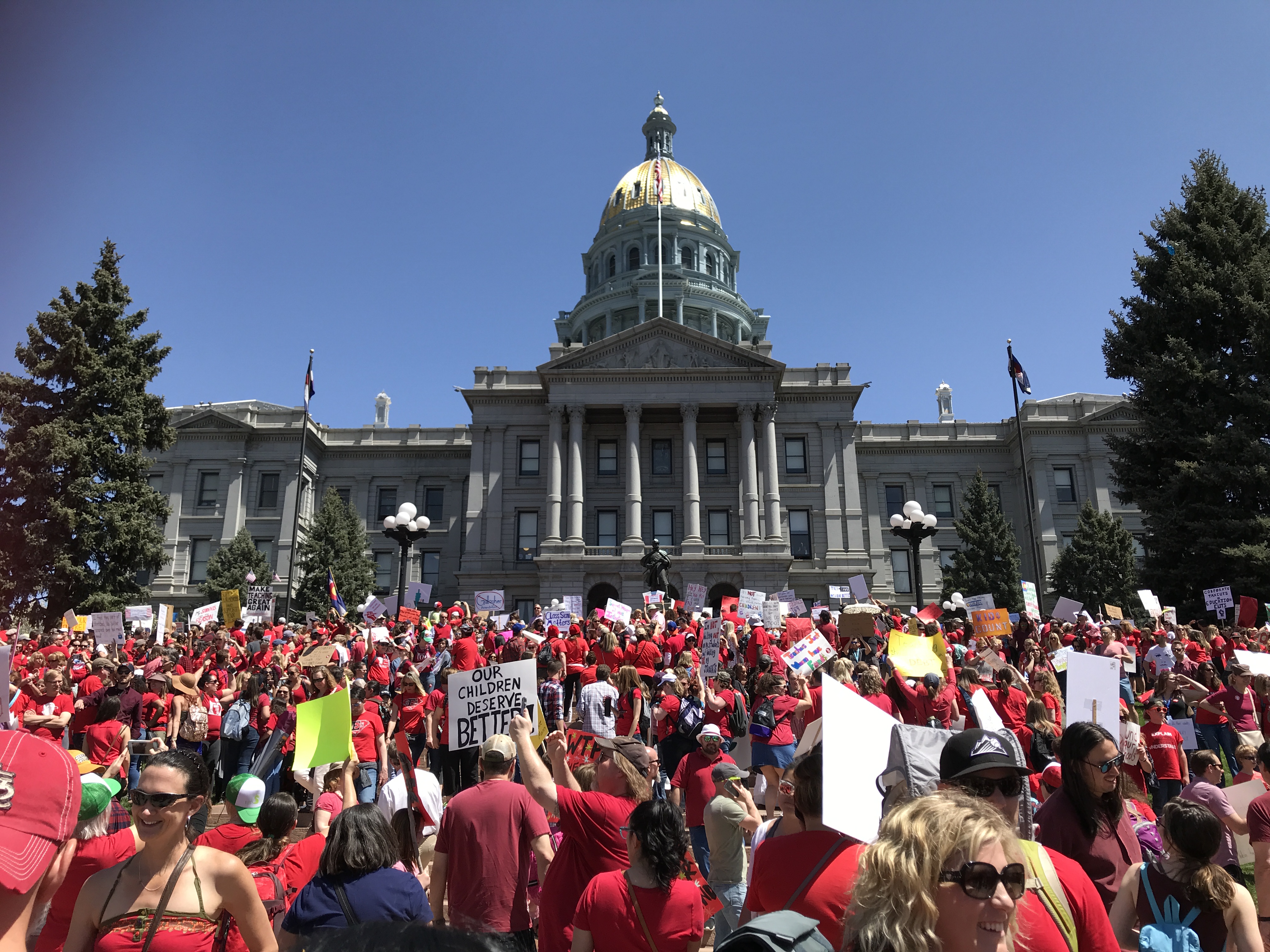
My fortieth April comes to an end with pink flowers and red shirts. Both images are equally beautiful and painful–fuchsia tinted with the blood, sweat, and tears we put on the line every day for a society that vilifies us and threatens us with jail time for shutting down schools for a singular day–when that same society has worked to shut down schools for decades.

My fortieth April is these nachos–too damn big to consume, too impossible to say no to–because sometimes life just feels like a challenge we must at least attempt to make a mockery of.

My fortieth April means my parents are in Paris, on their way to only four months in Europe because I begged them not to totally leave me, sell the house, and disappear from our lives when I’ve just lost my father-in-law and every remnant of parenthood on my husband’s side of the family.

My fortieth April brings the beginning of the end of my children’s childhoods–no more towing them in the bike trailer, no more feeding them from rubber spoons, no more shuttling them to elementary school–instead, the hard reality that they will ride their own paths, make their own decisions, and quite often, leave me behind.

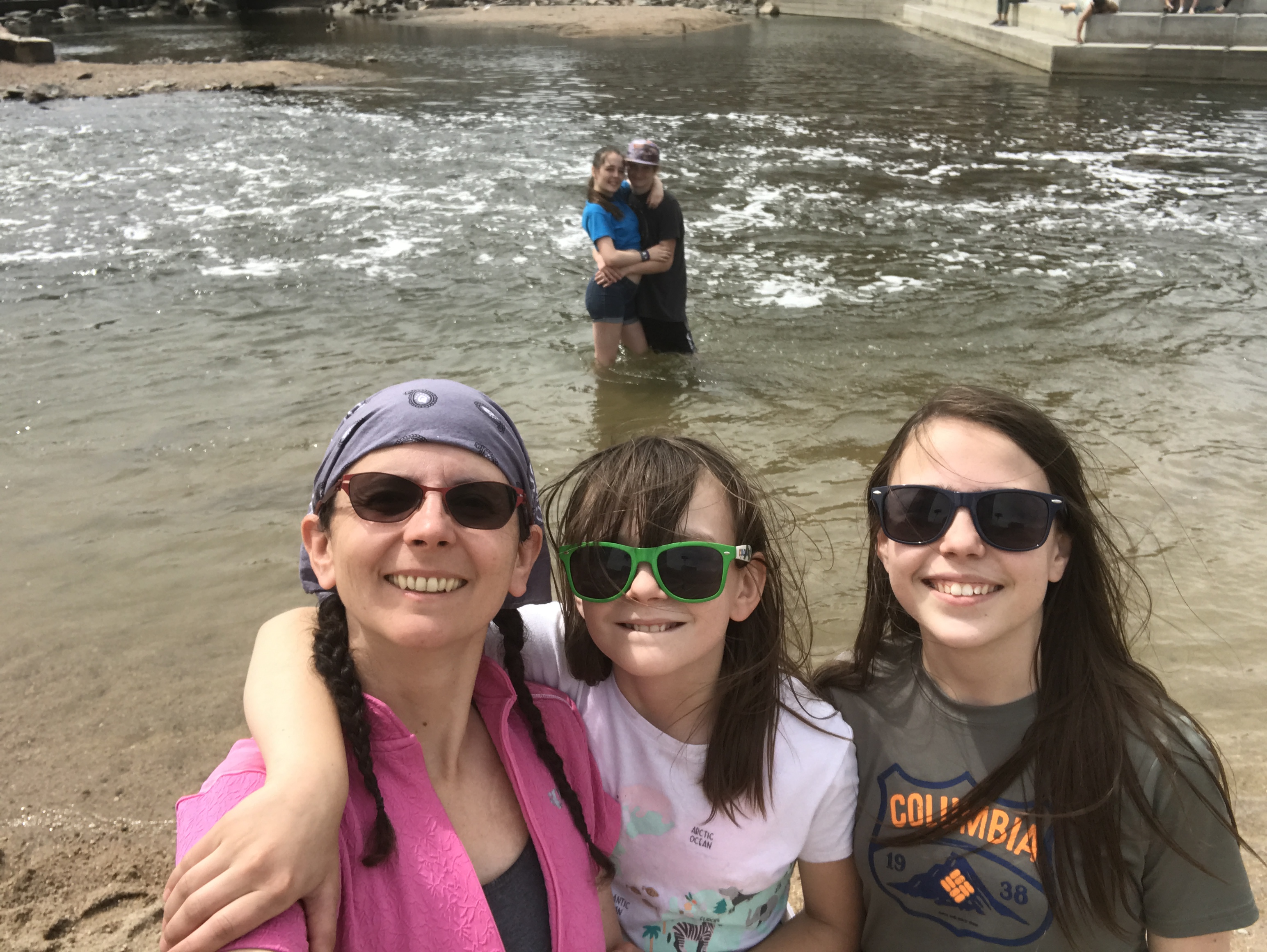
My fortieth April means half of my life has been in the warmth of this man’s arms, this man who flew alone to Tennessee to bury his father while I made a mockery of life with nachos, this man who has never done a thing but work to please the people in his life, who speaks so little but whose actions speak volumes… volumes of loving and giving.
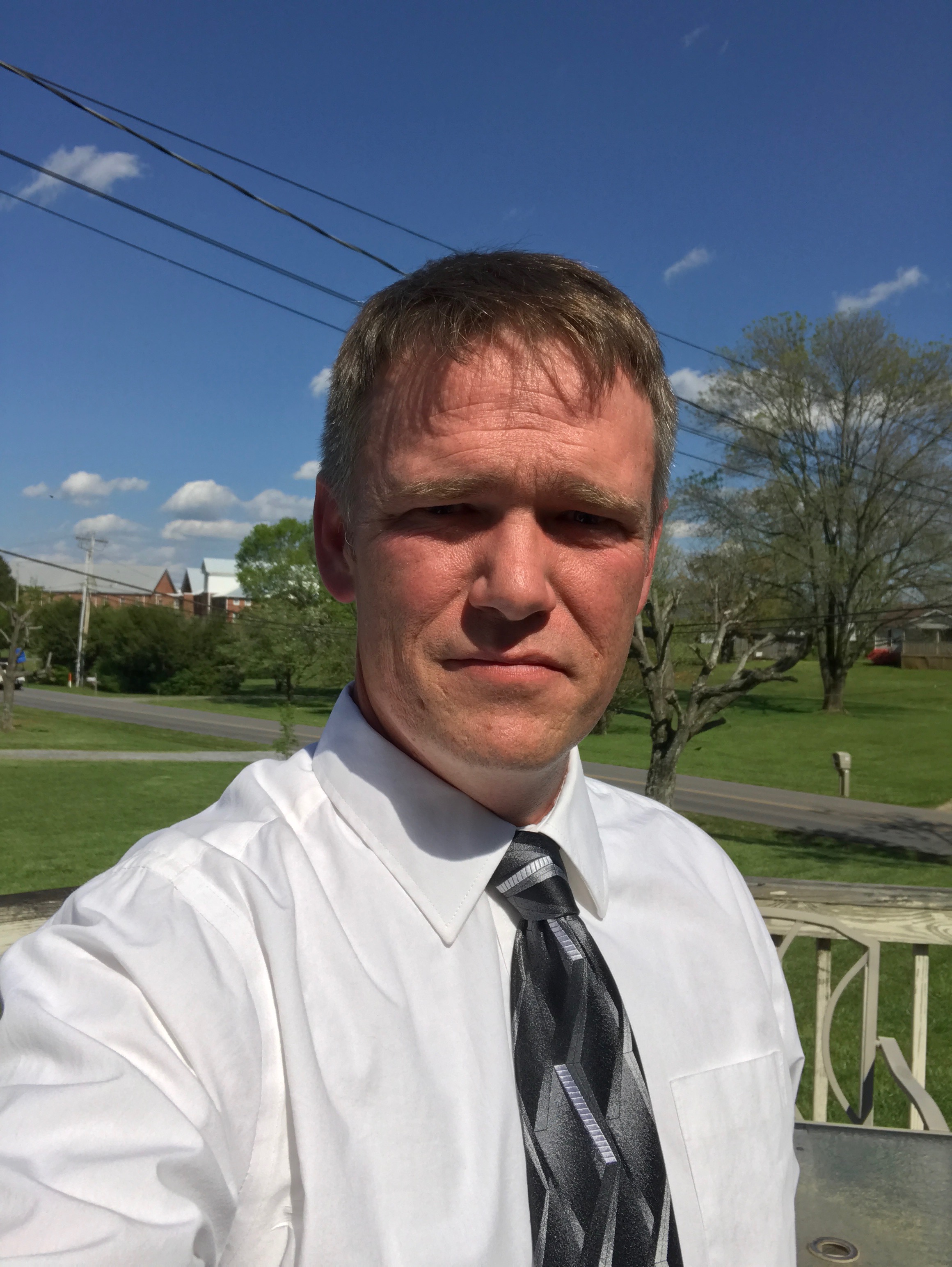
My fortieth April has been hell. Our school district has desks twenty years old and teacher salaries to match. My husband is in a union job that will likely screw him out of one because of seniority. My oldest daughter’s first words to me on my fortieth birthday were, “Can I have my phone back?” My beloved father-in-law died. My parents boarded a plane. My school district’s open enrollment healthcare plan is $1000 a month with a $3500 deductible and $12,700 out-of-pocket maximum. We have bought and paid for six weeks in Iberia and are beginning to wonder why.
My fortieth April is these blue skies. These smiling faces. This willingness to stand up to the truth behind teachers’ vilification. These parents eating French fries in France. This beautiful set of girls we have somehow managed to raise, healthy and unscathed. This fuchsia bleeding into red shirts at Casa Bonita, making a mockery of all that is pain, all that is life.

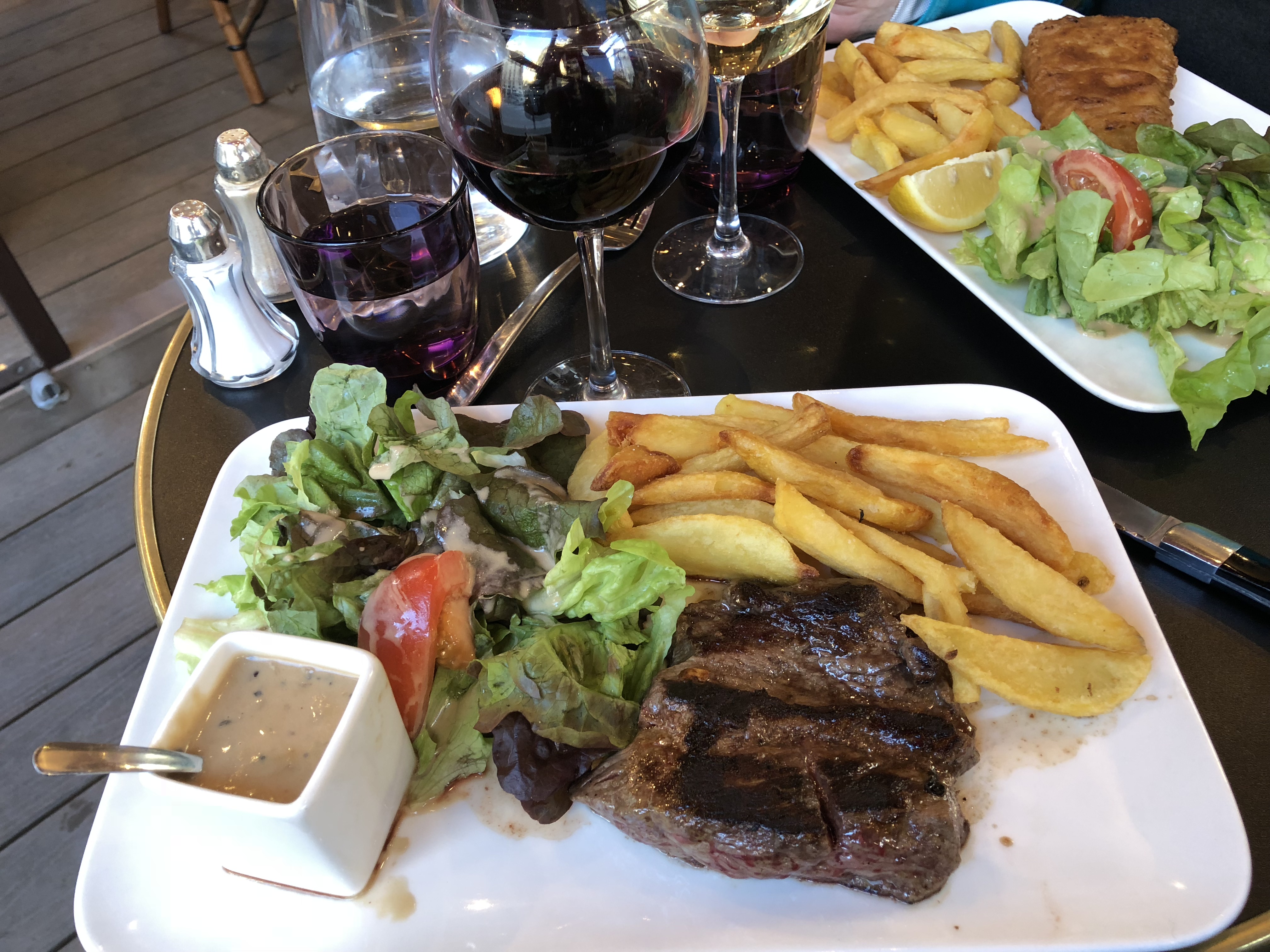


My fortieth April comes to an end with pink flowers and red shirts. Because we’re all a little bruised after forty years on this Earth. Because the blood, sweat, and tears that go into living this life are as beautiful as the laughter, mockery, and joy.
My fortieth April is the middle of spring. And just like all the other springs that have made up my life, it is time to spring forward, time to smile, time to move on.
Because it’s April–it snows and burns a crisp on our necks within the same week–and we must learn that even the red scars of sunburn will eventually fade into the soft petals of fuchsia.
As usual, one of my honors students has decided to try to evade work by commenting on how he has already written a personal essay for another class, and can’t he just use that one?
I don’t even try to hide my snarky rebuttal: “And I’ve written 2,200 blog posts, but I spent two hours searching for one and one hour revising it yesterday so that I could give you yet another exemplar.”
But he’ll do what he wants, as they all do. He’ll pretend to write tomorrow in class while the others snicker around him, falling out of chairs and posting immature comments on the class discussion thread, eating their lunch two hours too late, leaving torn bits of fast food wrappers littered on the floor as if there were no trash cans in the school.
It doesn’t matter that I have also spent hours planning and replanning each moment of these lessons, that I have begged and borrowed ideas from a colleague, that I have uploaded links and found beauty in words that some of them will never take the time to read aloud, to fit into their mouths and taste their glory. It doesn’t matter that I have a wealth of class activities that ask them to collaborate and ask them to be introspective and ask them to move around the room, and that I have thought about them in the predawn sleepless hours of my weekday mornings. It doesn’t matter that, unlike every teacher portrayal in movies and books, this isn’t the only lesson I planned today, that I also rushed to the copier this morning with a quick revision of my other class’s lesson because yesterday’s trial was such an utter failure that I wanted today’s students to have a better shot at comprehension.
They will do what they want. They will put little or no effort into a story about their lives and wonder why I put so much effort into the words describing mine. “2,200 posts?” another boy chimes in, calculator-phone in hand, “that’s like you’ve been writing every day for the past eight years straight.”
“That’s exactly what I have done.” And his eyes widen even more as he slips the phone back into his pocket.
“What could you possibly think of to write?”
How could I summarize it for him (how could I admit how many of them have been haikus?)? How could he possibly understand a passion so extreme that guilt rides my insomnia if I take even a day, let alone a week, a month, without writing?
How could I not write, when the world is filled with so many ideas, so much beauty and frustration and kids who drive me nuts and make me love them within the same seconds of the same inglorious day?
Like the Moroccan student who, after our ten-minute free-write, wouldn’t stop, who begs me to read through her words describing her journey into a country that threw hate talk and cuss words at her name (which means generosity), at her religion (which means peace), at the center of her beautiful soul.
Like the A students who put a stop, online, to the Nickelodeon banter on the class discussion.
Like the student (straight from Ethiopia) who has only been a presence in my room for a few months and stops by after school to tell me today, broken English and all, that his family has to move to Utah, and he wants to thank me for the “great much of knowledge” that I have given him.
Like the quiet persistence of the introverts whose words they share with me on shallow screens, turning their light just so, exposing their torn experiences with adolescence, with depression, with whatever shadows have followed them into this too-well-lit, too-hot classroom today.
Later, I think of what I should have said to the boy so caught up on my hours of writing: There is always a reason to write. There is always something you could think of to put into words. There is always a moment worth capturing, however painful, however disappointing, however uplifting, that I try to fit into seventeen syllables, an image, an essay.
There is no glory in these inglorious moments of our day-to-day lives.
But there is glory in words.
And that is what I am searching for. Every. Damn. Day.
You can enter any cafe in Spain and you will probably find the same two drinks: cheap Pilsner beer and local wine (OK, you can at least choose between red and white!). The Spanish palette for mixed drinks is limited to adding liqueur to coffee, it seems, and their availability of decent beer choices is abominable. But when it comes to education, Spaniards love a good cocktail.
Here are some instructions for making an educational cocktail, shaken, not stirred.
Ingredients:
1. Homogeneous groups of students segregated by ability who remain together all day long for years at a time, and are allowed to choose their own seats.
2. Heterogeneous teachers who range in age, management, and educational methodology.
3. A school building that does not provide resources such as technology, textbooks, government-funded lunch, or air conditioning.
Instructions:
1. Place all students in one classroom. Wait for intermittently ringing bells that will shake them up out of their seats while teachers dance through hallways crowded with other teachers and random students who have PE that period, to arrive and wrap the students up in a somewhat-chilled glass with a pinch of salt along the rim.
2. Spend three hours each week trying to settle the above shaking, using the cold stirrer of the teacher’s little authority to embed knowledge enough of one subject area to make a decent mixed drink, full of flavor and memorable enough to spill out onto the streets with jubilation.
3. Subdue them on four occasions per trimester with exams that make up the stark majority of their grades, consisting of arduous essay questions, but only about ten per exam. Their flavors will bleed through classes so that they will begin to taste more like eraser remnants than a decently mixed drink.
4. Shake up the cocktail a little just when the school year is getting cold by surprising only select groups of students in one grade of primary and one of secondary with the annual government test, whose topics, flavors, and question amounts you will never know or begin to be able to prepare for, similar to visiting the cafes in every city in Spain who may or may not have a menu, use local vocabulary non-translatable in any software to identify food items, and whose waiters never return after bringing you your order. (Surprise, surprise, we all like to guess what it is we’re bringing to our lips!)
5. If the cocktail spills, you may clean it up and refill it once, for free, but only once. After that, you will be run dry and stuck in the same situation as the rest of the third world: working shit jobs for little pay.
Alas, you can always look back at your educational experiences and say that you had the best mixed drink of all time: moving through the school system in Spain!
 Step Write Up