juxtaposition:
spring flowers versus bare limbs–
a climate matchup

trapped behind this jail
of untruths that fill our days
and weaken our hope
let’s let blooms be blooms
breaking through the glass ceilings
that trap us from truth

juxtaposition:
spring flowers versus bare limbs–
a climate matchup
trapped behind this jail
of untruths that fill our days
and weaken our hope
let’s let blooms be blooms
breaking through the glass ceilings
that trap us from truth
art intercepts life
on a cloudy Denver day
at the museum
social justice rules
when we create from our souls–
pen; paint on canvas
after a long walk
The Nightingale finally ends
(leaving with sorrow)
sorrow chases steps
across the gray of our lives,
of this cool spring day.
but i still find hope:
in neighborhood yard signs,
girls getting along,
in the purring cats,
the moist grass that begs to grow,
the chances that wait,
in my daughters’ eyes,
and the fight we all must fight
till tomorrow comes.



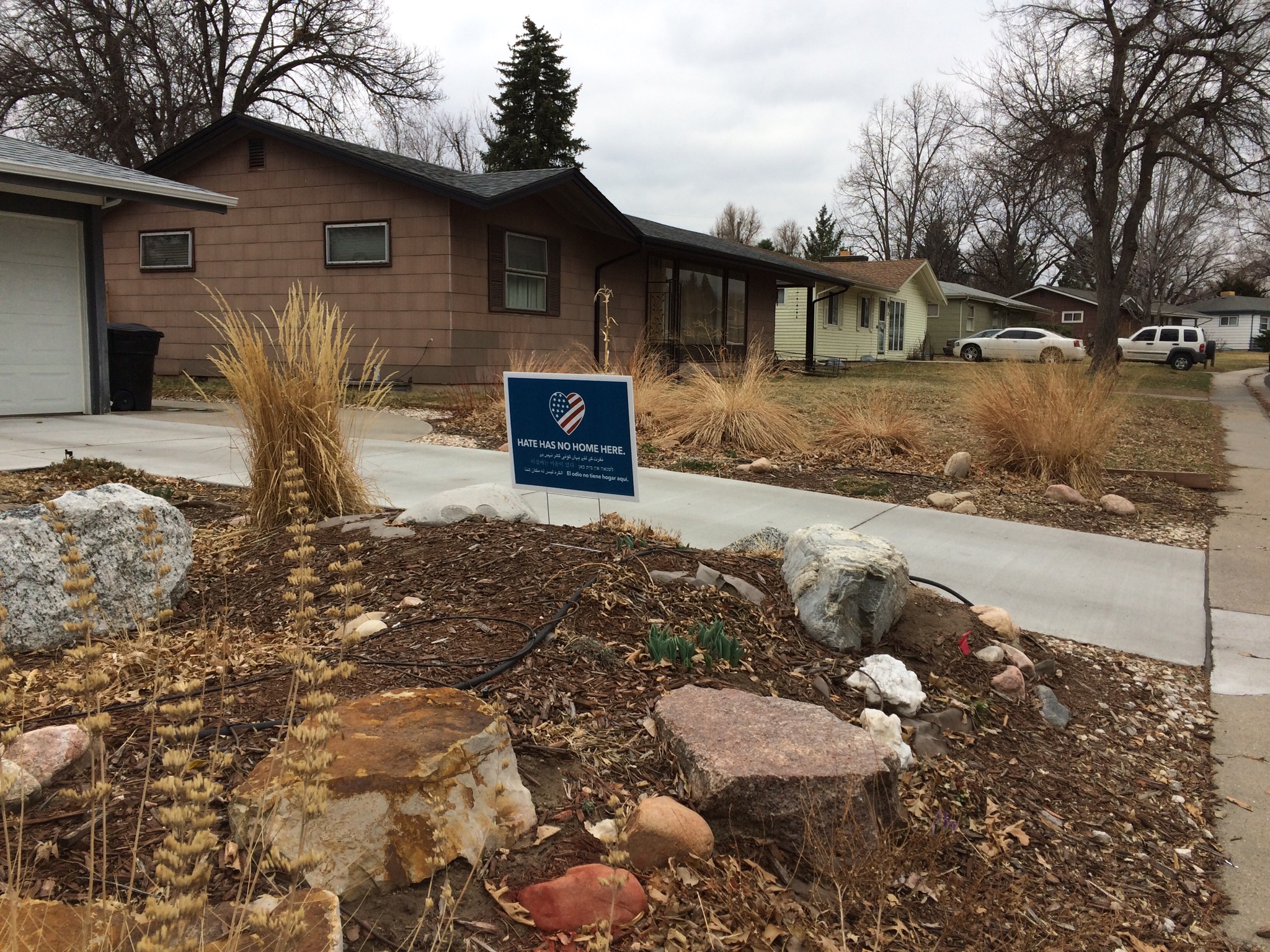
rivers carve our lives
through mountains, seasons of love
snow fed and starving


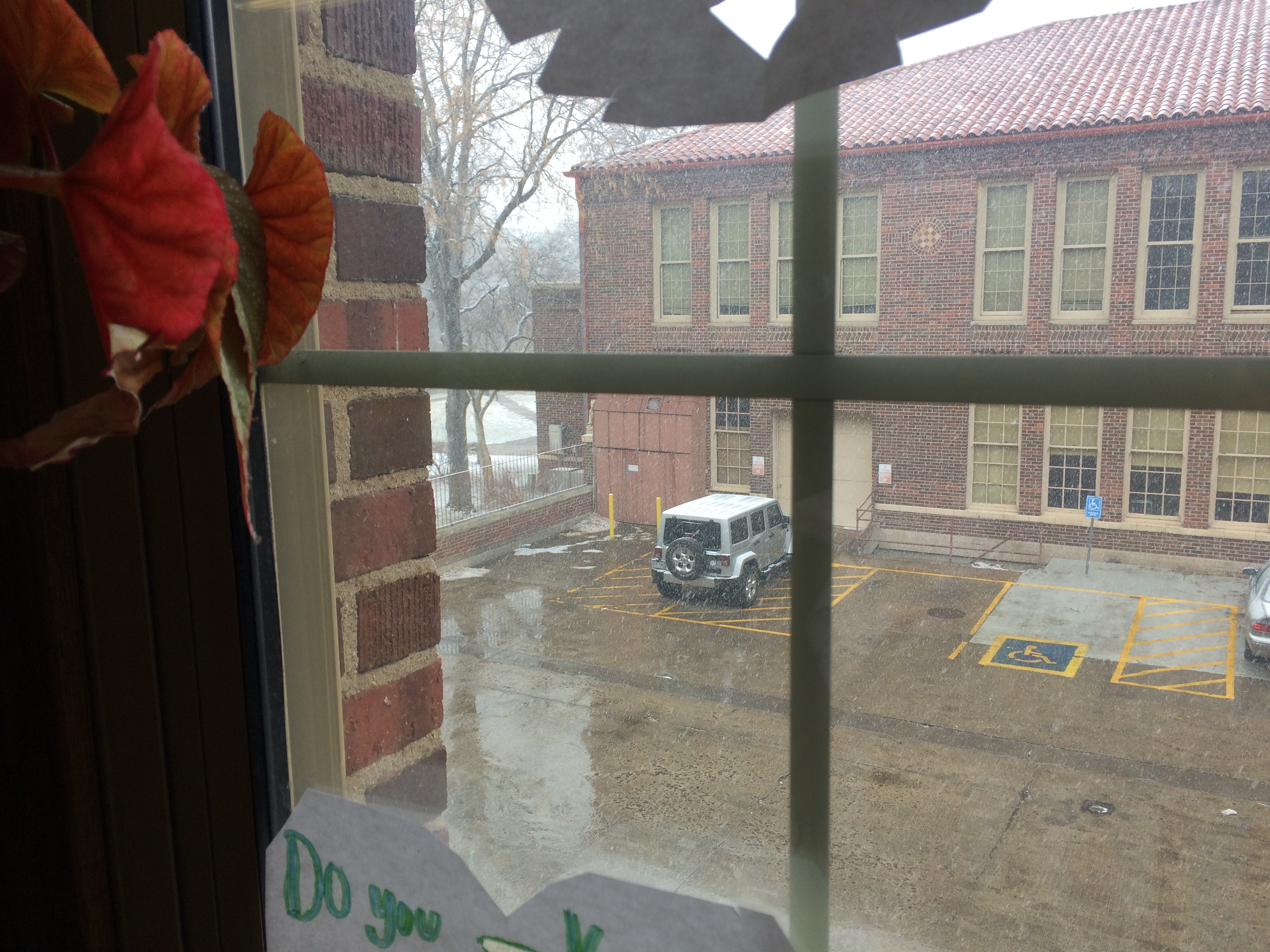
I watch the white world spin outside the third story window. Flakes, long absent, now twirl in a late winter dance, clinging to bare branches, reaching for a new hope.
I catch glimpses of the video–an analytical description of the autonomic nervous system. It is both too much and too little for me right now. The primitiveness of the hunt, the threat that is ever-present in our lives, has put me on this graph at full activation–State 1–always ready to react.
I want to be outside. To feel the flakes on my face. To bite the cold with shivering teeth. To pretend that winter will stay.
I want to be those bare branches, gathering snow in my arms, soaking up every last bit of moisture after too many days of drought.
The sky whitens as the swirls make their way across the city. The video provides a relatable example–how we react when we’re driving a car on a snowy evening and slide on a patch of ice. I giggle, minimally, and my co-worker turns her whole body towards me to be sure I see her how-dare-you? glare.
Does she not understand the irony? After a winter without snow, we’re watching a video with this particular example on a snowy afternoon?
Later, State 1 follows me as I rush out of the building, late to pick up my youngest. I find a parking spot half a block away and rush against the crowd of parents and children leaving the school. I stomp through the slushy parking lot and round the corner of the building as the first grade teachers close their doors. There she is, the final student standing in the cold, holding her hood around her eyes and huddling against the brick wall.
She asks for both of my gloves before we arrive at the car, blasts the heat, and turns on the heated seat, but she doesn’t complain. For once, she doesn’t complain, and I find myself breathing in, breathing out, like the wild animal described in the video, ready to let go.
But I can’t let go. It’s the drive on ice in swirling snow, the counting of thousands of cookie dollars when I get home, the friend over, the constant mess, the story told of the one day the older girls caught–and almost missed–two city buses, the trek across town to the bank, the grocery stop, the endlessness of the swirling snow and the swirling reality of everyday life.
Before I jolt across the parking lot that separates the bank from the grocery store, I hear the sirens. The sound of panic, the crashing of metal. The slipping on ice.
I grab the few frozen items I need off the shelves and make my way back into the snake of traffic. It twitches and slithers in the shadow of blinking red and blue lights. The accident, less than five minutes behind me, four cars splattered in pieces across the intersection, firefighters fighting the good fight.
That could have been me.
I think about the graph in the video, the curving line, the constant dip that we find ourselves trapped inside, unable to get over the hump that could save our lives.
The panic that sets in when our kids won’t listen, when we’re running late, when we fuck up an interview, when we slip. On ice.
I make my way into the snake. In slow motion, we weave through the mess of the accident. I breathe in. Breathe out. Think of the words I will write. Of the children I will hug.
Of the irony of this swirling reality of everyday life.
And I laugh.
(No one glares at me).
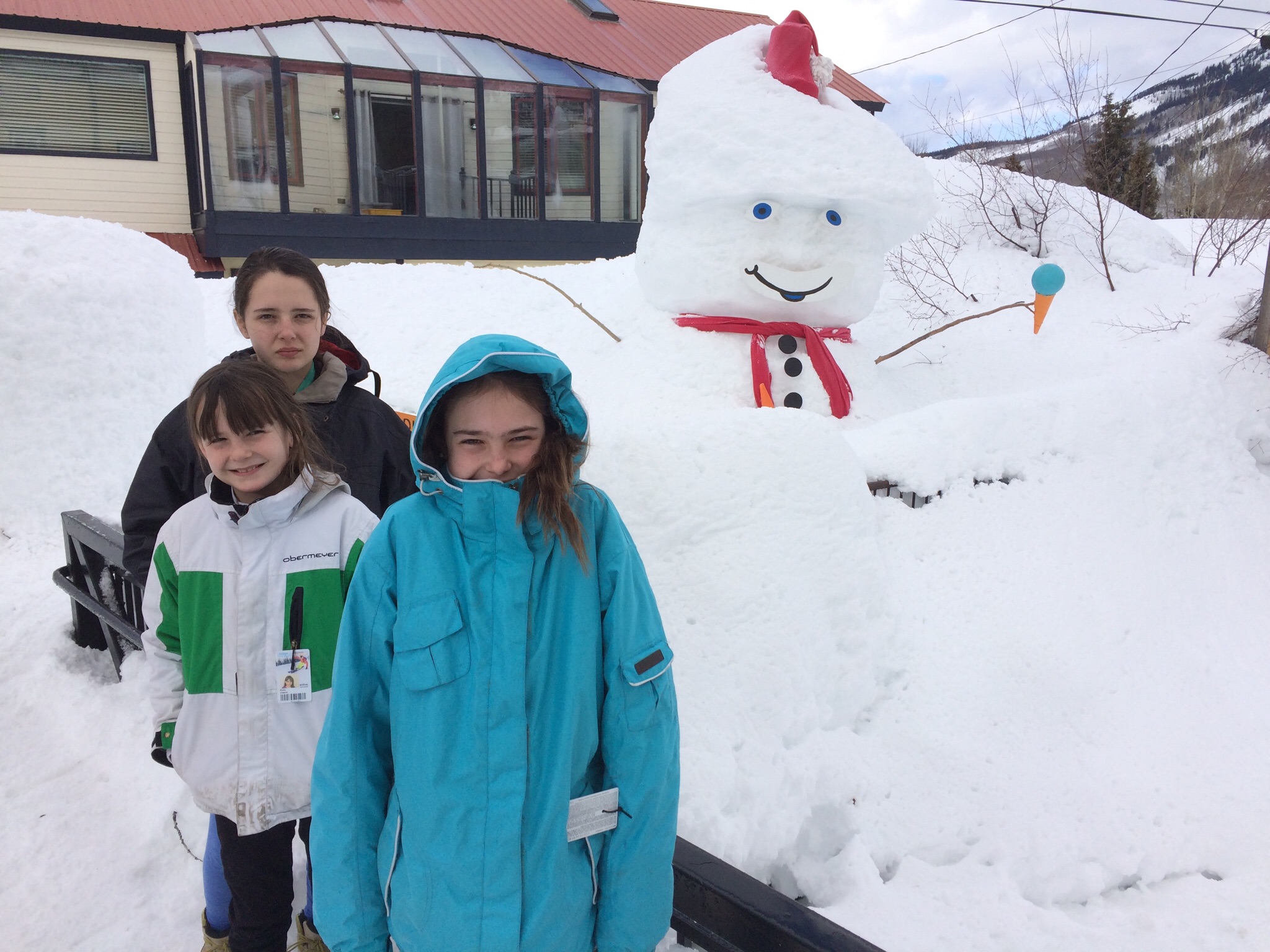
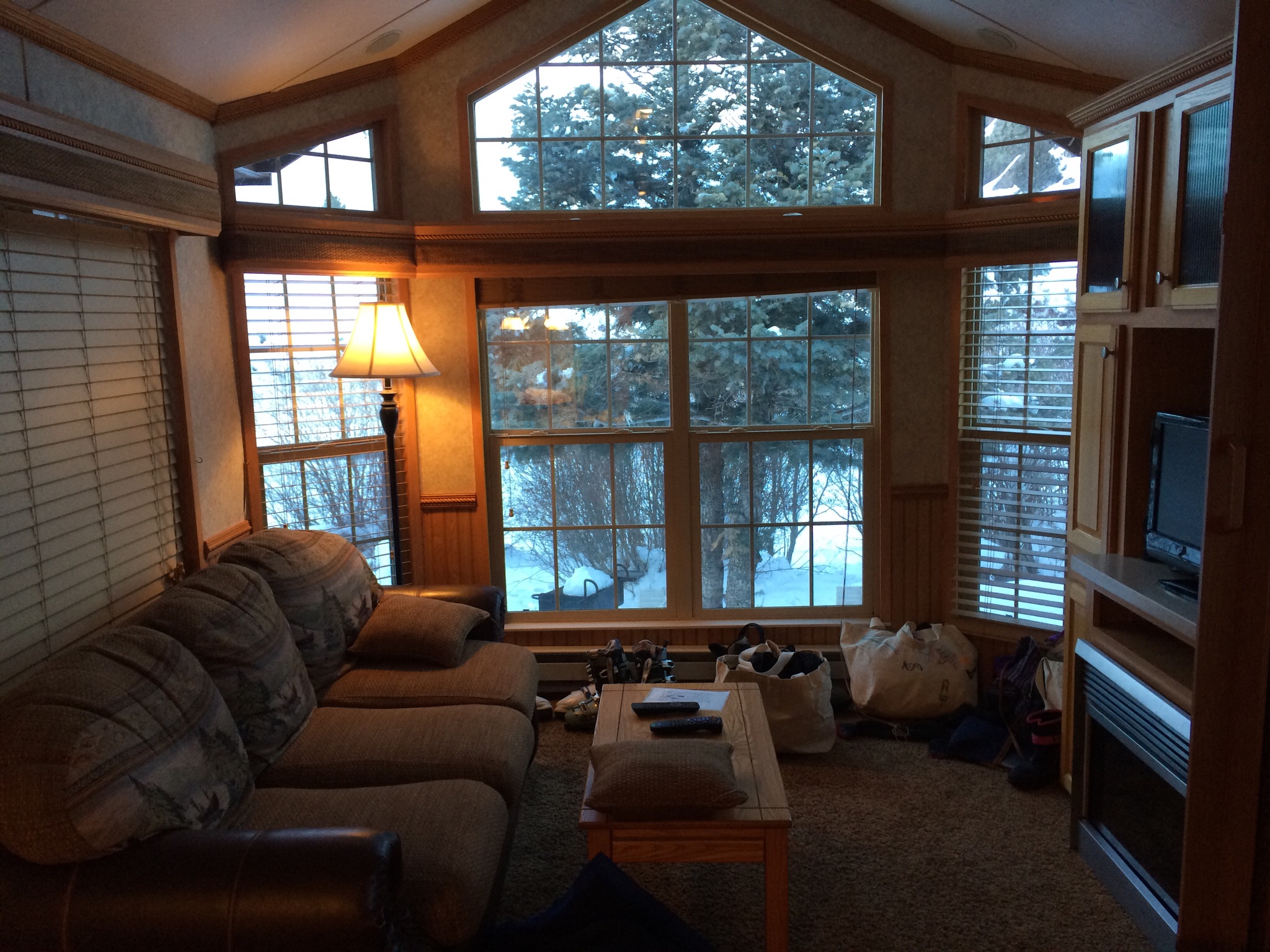
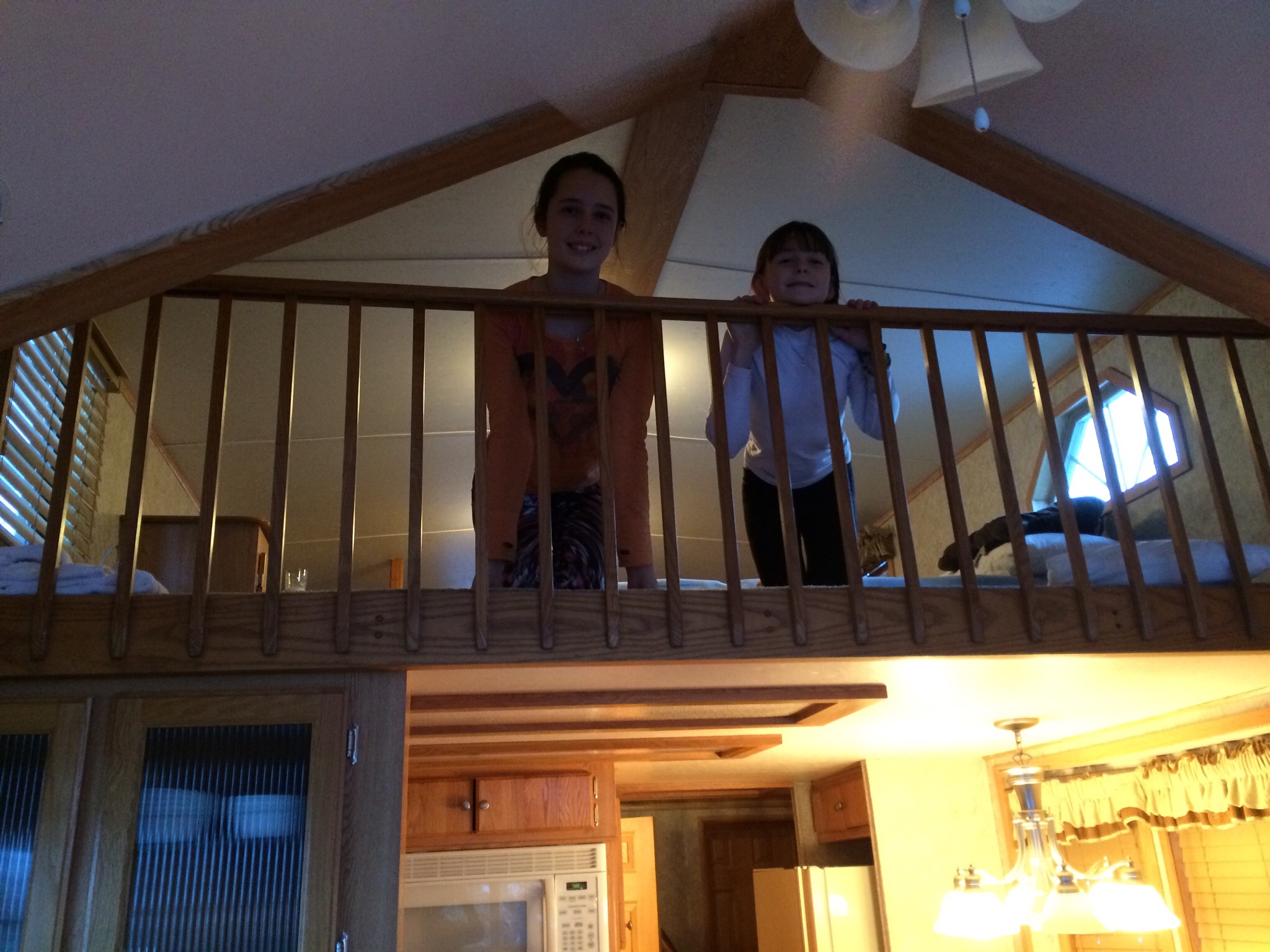
tiny house adieu
from our vacation
from reality


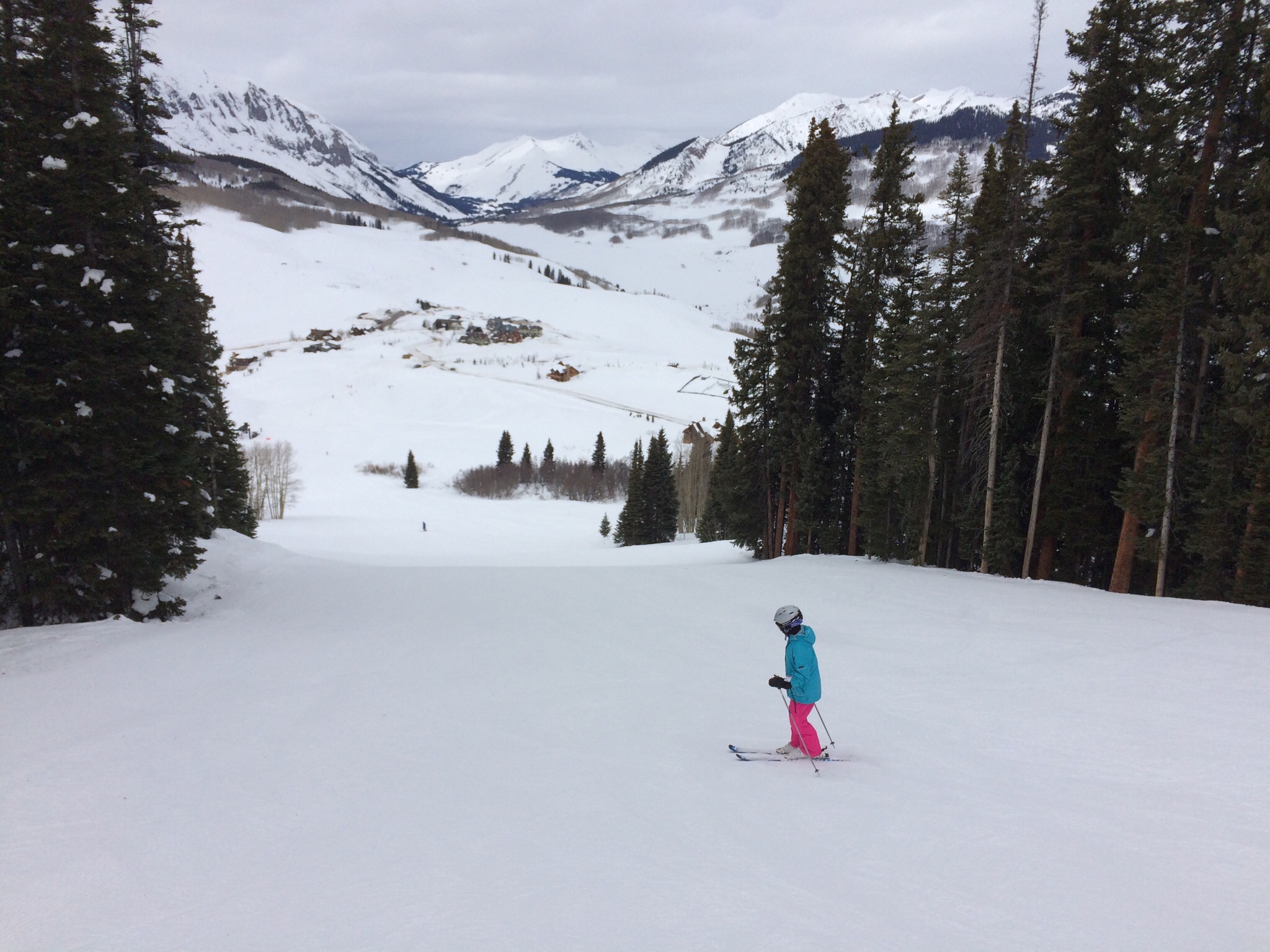
in snowfall we trust
to have a blue-skied morrow
free from this whitewash
in ski days we trust
to build a better morrow
for these sweet faces

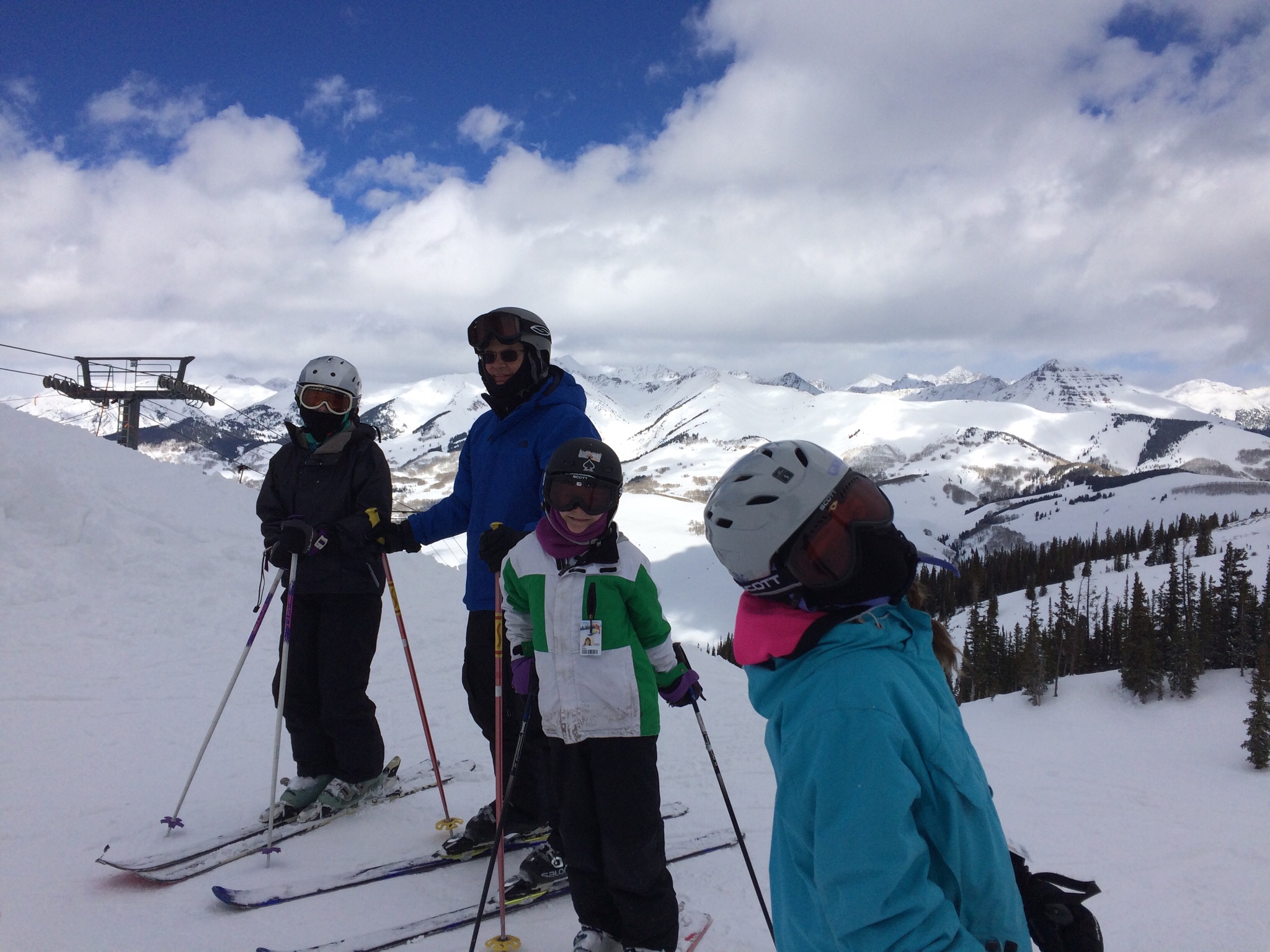
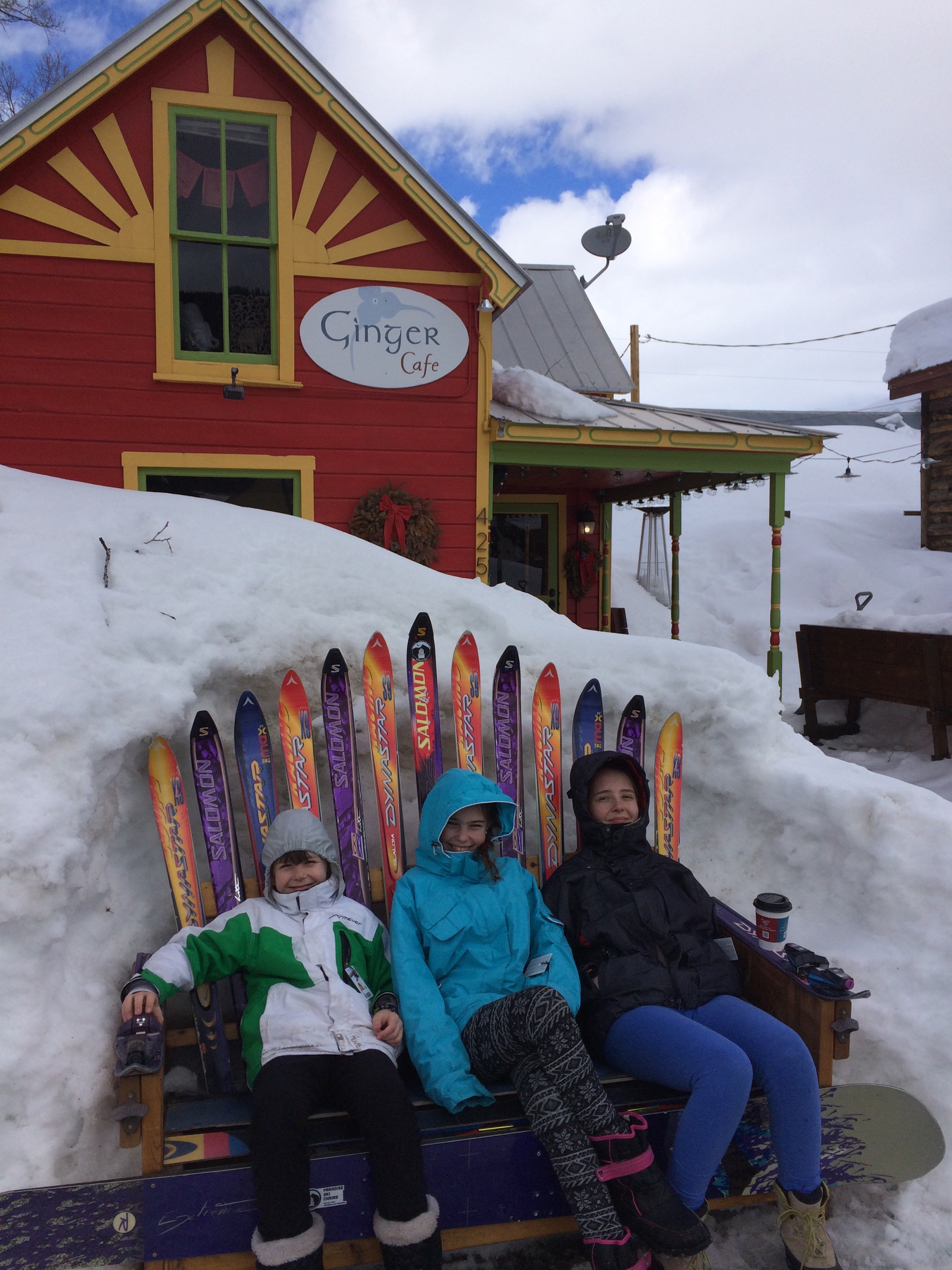
even escapes bleed
with guilt-ridden winds of snow
that just can’t ice him

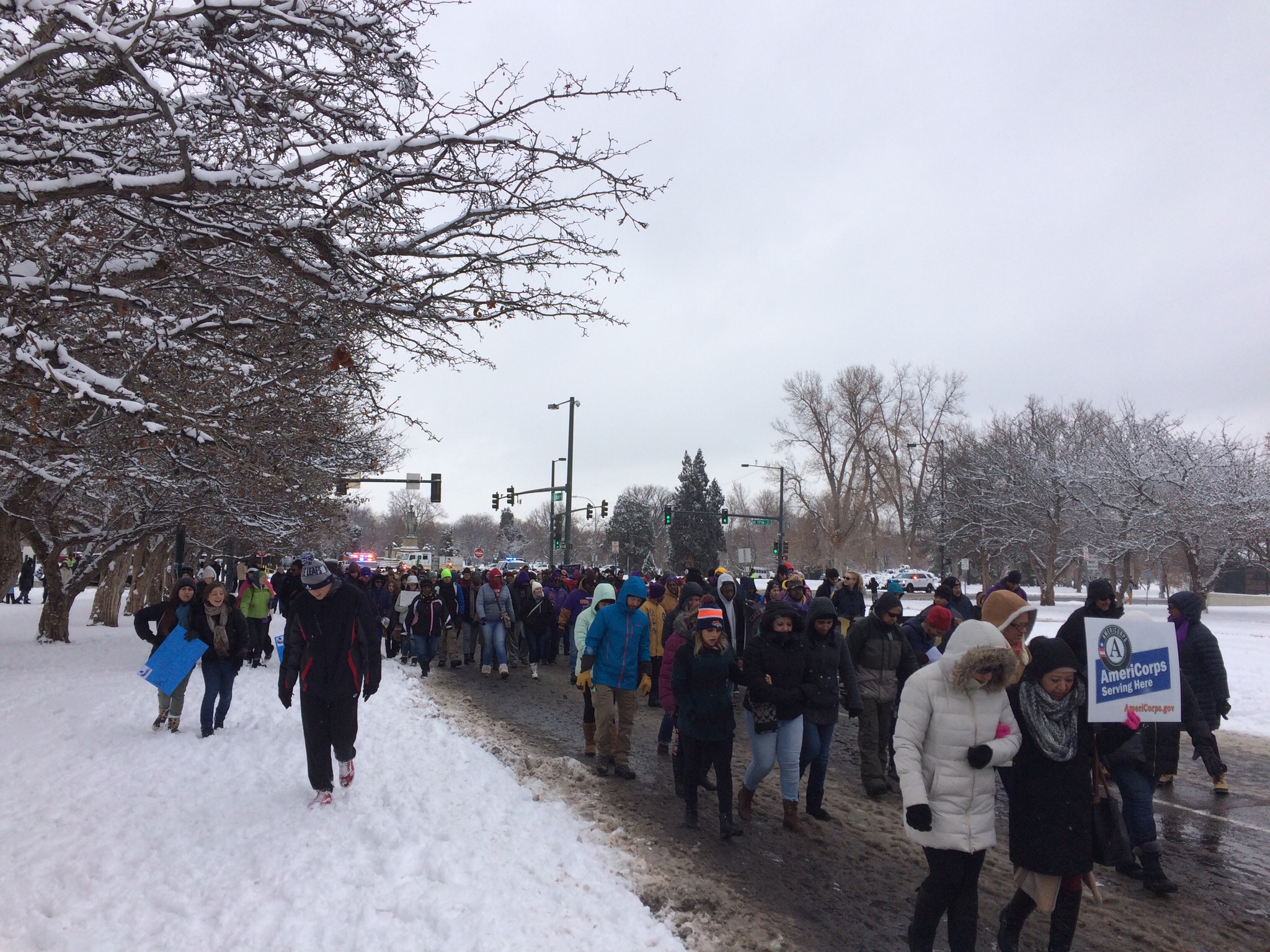
annual Marade
frosted with ice (years without)
but now winter’s here–
in Trump’s dark shadow
we march for all we have lost,
all there is to lose.
we resist snowflakes
that try and fail to stop us
from the truth we seek
we fight the good fight
in songs, in signs, in speeches
(and one day we’ll win)


It’s a Friday in January and my mouth is running rampant. She came, she asked, and I don’t lie.
I know that people hate the truth, and the truth hurts (me the most–sometimes I think this), but she wanted the truth, and had twenty different ways for us to share it with her, most of them anonymous.
But I said what I thought. What we all think. What needs changing. What already works. I had evidence and examples, just like I always tell my students to write in their ACEITCEIT paragraphs. And I splayed my soul in front of God and everyone–I got a 3 (7 is the best), and Nick was as honest as could be when he spoke to me, and said, ‘I sat in my garage for three hours last night in turmoil over this’–and that humanization of the score meant more to me than anything else. That humanization–that’s what teachers want.
And do you know what they said (of course)? You let him give you a 3?
As if they hadn’t heard the whole conversation. As if it weren’t enough, the admittance, the heart on sleeve, the truth.
The, Why can’t you be a little more honest?
On with my day. Two more classes in the afternoon. Coming in a bit tired and a bit disgruntled about the first standardized test of the semester they took yesterday, but still willing to work for me. To discuss and argue about the validity of the Universal Declaration of Human Rights and try to decide which one they thought was most important, and write a paragraph about it (ACEIT today, just ACEIT).
If I’d known sophomore year was going to be all about paragraphs… one begins, unable to finish as she shakes her hands between sentences. But look at the progress you have made! I begin, but am interrupted by knock at the door number four for period five, with a para and a stack of papers three feet thick. Oh my God, what have I done? I start to ask, but cut myself off when I realize it’s the first four chapters of I Am Malala, copied times 160, because we still don’t have the books on our tablets.
You just saved my life, I whisper, and pile the pile on the desks.
Then, just after I thought my day was done after my sixth period valiantly pointed out a grammatical error on my sentence stem (Have you ever had an HONORS ELD course?? You should try it some time. Come by any day at 1:11), I remembered my ultimate task: covering the severe needs special education class. Seventh period. On Friday.
There is no amount of money in the world that could be a fair salary for what these women do every day. With needs that range from nonverbal to highly functioning, students who are obsessed with either Play-Doh or making sure my watch is exposed from under my long-sleeved shirt, to vacuuming relentlessly and walking around only on knees, to the computer dying mid-class and the wheelchair-bound girls moaning in distress, to the speech-language-pathologist teaching the alphabet to one girl for fifty minute straight, there. Is. No. Fair. Salary.
Before I left, I saw a man who I visited last summer during one of our home visits. He was chain smoking and playing violent video games in the projects, his tiny apartment nothing but white windowless walls. He was kind and adept, and described his rather difficult job of trying to keep severely autistic teenage boys from harming others. I suggested he apply at our school since his daughter would be attending there. You have a severe needs program there? I didn’t even know! Today I saw him for the first time, and we fist-bumped. You’re the reason I even have this job, he told me.
Best moment of my day.
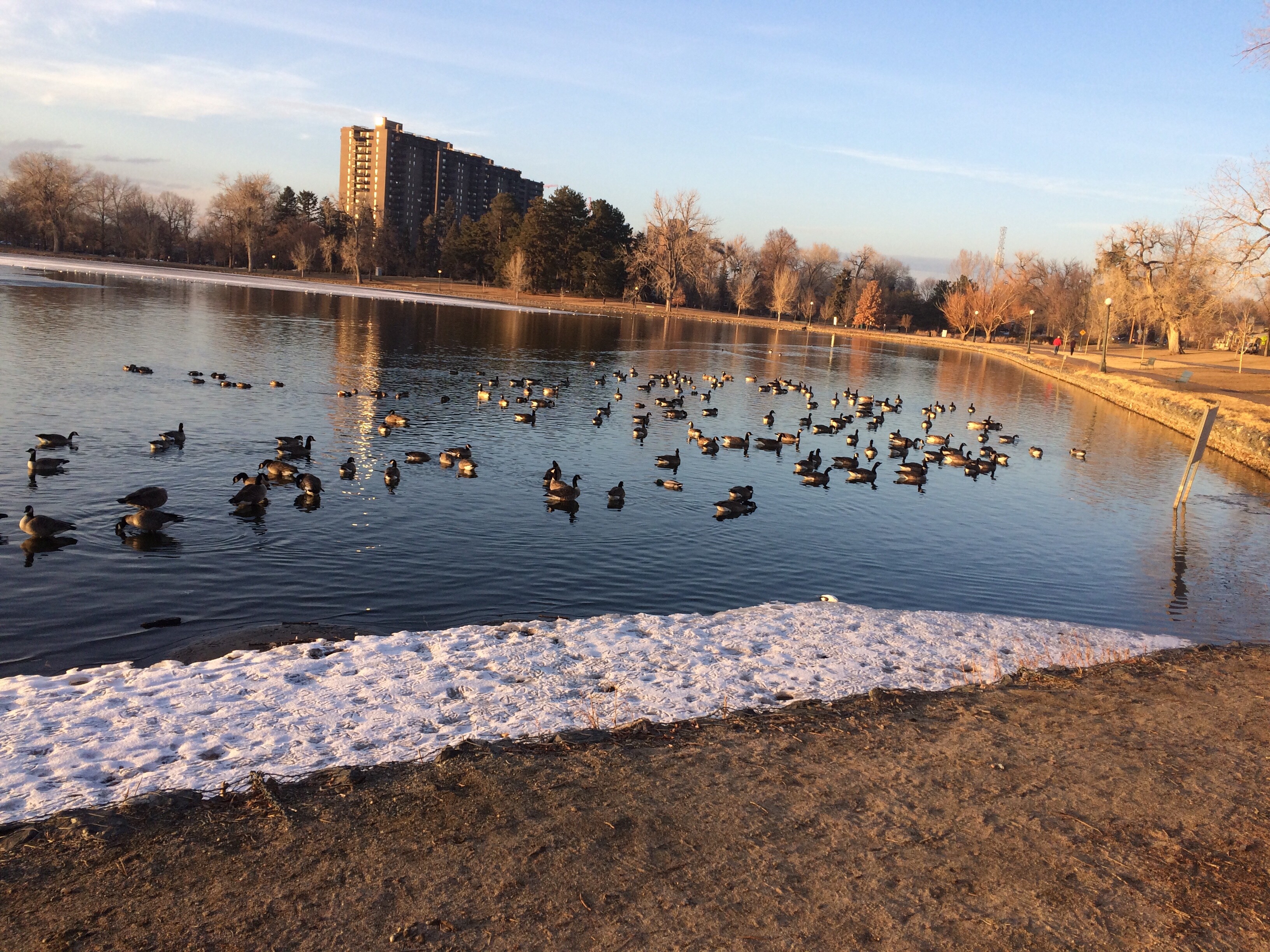
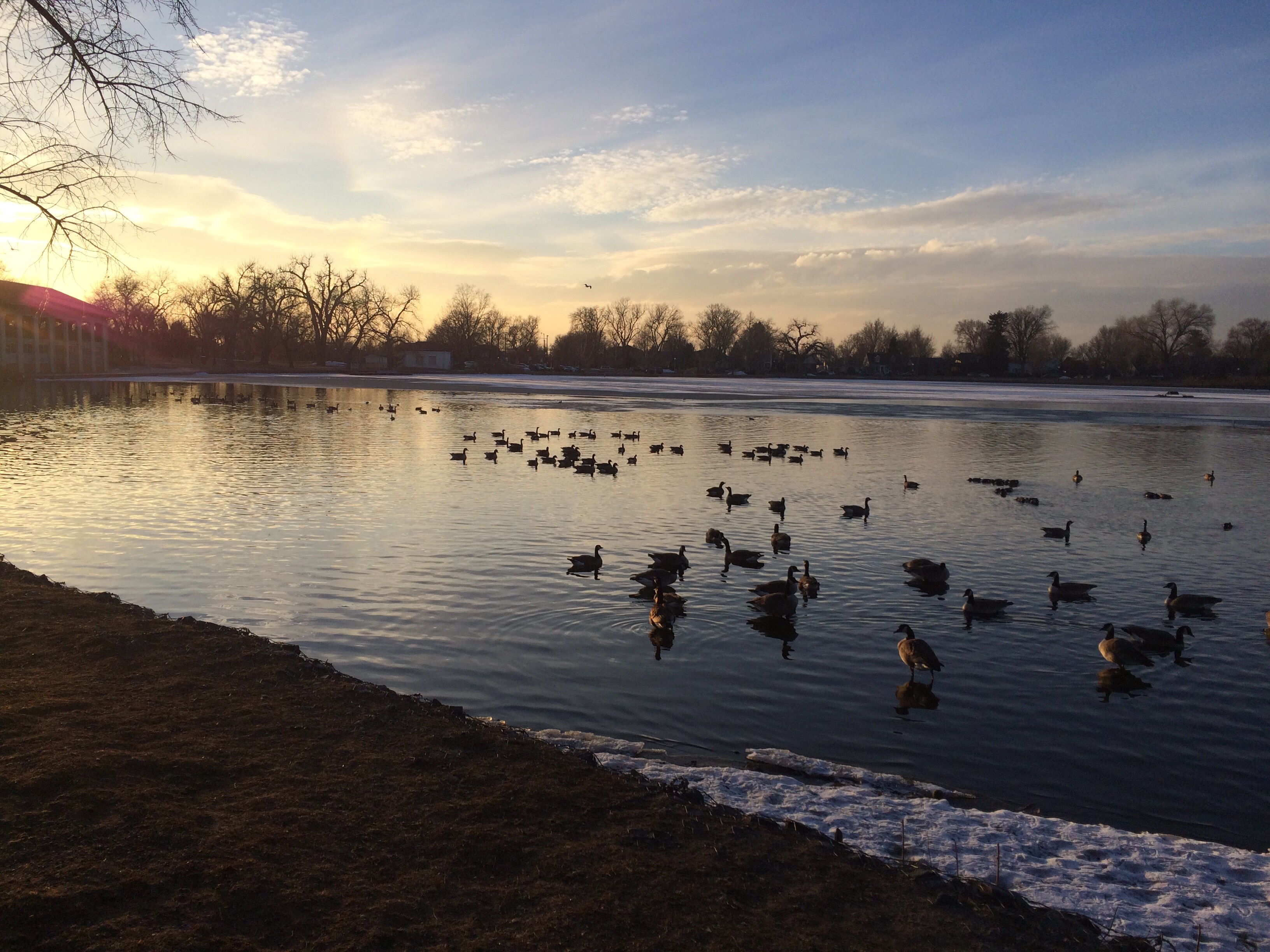
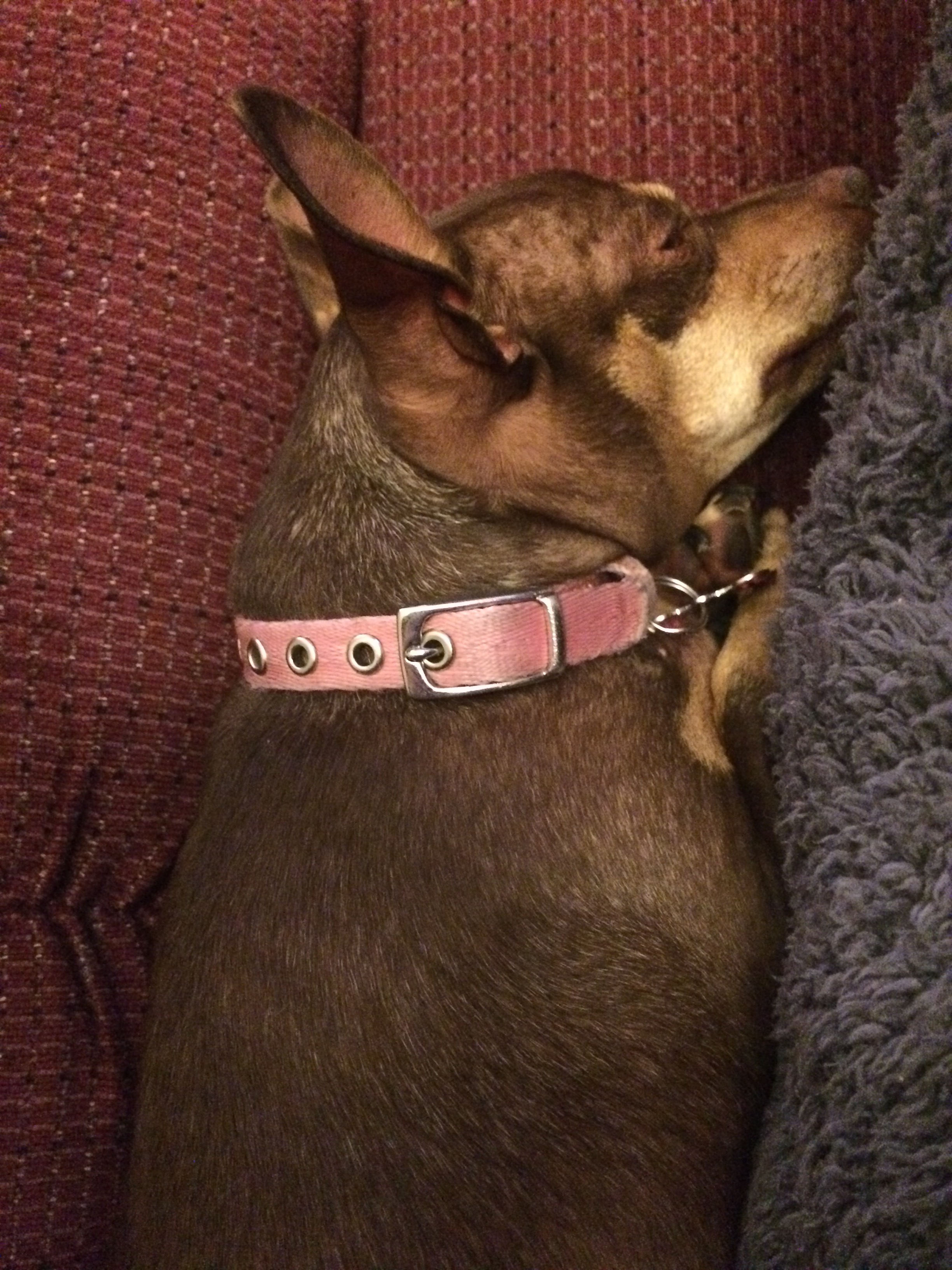
Or, the walk. Yes, I got in a walk after all that honesty and writing and chaos. Around the park with the little dog we’re watching. And the winter light sparkled just so on those geese, perfect silhouettes against the season.
 These moments allowed to me before Izzy entered the car and spilled the entire sex ed story, provided by none other than Planned Parenthood and a literal wooden penis named Woody. Yes, they demonstrated how to put the condom on Woody. Yes, “Becca” taught them how to insert a female condom using only her fingers. Yes, they passed around an IUD and pressed it against their skin so everyone in the class could see what it felt like. Yes, the main way to prevent pregnancy is abstinence.
Yes, we live in Denver now, where it’s as liberal as it gets, apparently.
No, this is not the sex ed you remember.
I wonder why my almost-fourteen-year-old thinks nothing about telling me the whole sex ed story? Could it be that she’s my too-honest daughter?
No matter. We made it home and I made dinner. Or rather, I stuck some chicken and potatoes in the oven and called it dinner while I searched for ski condos in Crested Butte. (More than an hour later…) Dinner’s ready!!! Condo is booked!! Friday is done!!!
It’s a Friday in January, and my mouth is running rampant. But at least I’m being honest about it.
In the crook of early January, three weeks since seeing my students, on a cold wintry Saturday morning I shlep across town to make lesson plans with three other colleagues.
Later I will heat water for hot tea and curl in my recliner with a book, wishing I could write a novel as lyrically beautiful as Caramelo as my children wander in and out of rooms, in and out of our house and the neighbor’s, in and out of wanting to be near their dear old mom.
This after two attempts to jumpstart the old Hyundai whose lights I left on in our trek to the grandparents’ house last night.
This after listening to dating tales and math updates and wondering what it would really be like to be a single woman in modern America.
This after coloring intricate books with the girls in the brief time between our latest tech argument and the neighbor’s reemergence.
So is our Saturday, chicken defrosting in the sink, chores done and Echo playing my Pandora playlist to suit the color of my mood.
No dog to walk, no true purpose to the day other than making plans for a class no one really wants to teach.
What sits in the back of my mind is how easily I want to be able to relax. To have a deep and thought-provoking conversation that is justifiably, blood-burningly exciting. To laugh until I cry. To live until I die.
To take these lonely household moments and flip them over or back or somewhere else, when my children were small and my Chihuahua never left the warmth of my leg, when my marriage was young and everything we thought and did was about each other, not some game or book or phone or faraway friend.
In the crook of early January, holidays left out on the curb waiting for a second chance at life (mulch me till I can be reborn!), the cold of winter settles into my bones. The winter of this year, of my children’s childhood, of my marriage, nineteen years in the making.
Even with the beauty of the flakes that fall, their demise lies in slushy streets and icy black pavement, ready to trick any masterful driver, so used to winter but not its ugly, dry-grassed truth that lies beneath the surface.
In the crook of early January, I wait for the sun to rise high in the sky. For the snow to melt. For the tree to be taken. For the hollowness that hides inside this nook to break open in me a new way of looking at the world. For the bend of this season to straighten out into a road I can see, wide and clear and as questionless as a summer’s day.
But in the crook of January, there are no summer days. There are only questions.

 Step Write Up