i cry for the card, for his loss,
for his Iraqi-Syrian past,
for all the burning hours of summer school
where he committed himself
to finishing high school in three years.
i cry for his words, for his loss,
his inescapable self that has hidden
a kind face in a chaotic classroom,
his sly smile catching my every
snuck-in witty remark
(even when no one else could).
i cry for the system, for his loss,
shuffled by our government’s wars
between homelands that stole his home,
for his pride in Iraqi architecture
that he may never see again.
i cry for his future, for his loss,
for how unequivocally kind his soul remains
after all he has witnessed in twenty-one years,
for his brothers who wait under his watchful shadow,
for our country to give him a chance.
i cry for his words, for my loss,
to not have his presence in my classroom,
to have the nicest thing anyone’s
ever written to me
disappear with a graduation ceremony.
i cry for the world, for their loss,
for robbing refugees of their rights,
for keeping the beauty that is him,
that is within all of them,
from sharing their strength
with all of us, inshallah,
for a brighter tomorrow.

culture
Listen Here: Let Me Be Clear
midnight healthcare scare
makes my family more aware
of options made fair
don’t take this away
or the Democrats will sway
each bill you will play
cause love deserves life
not this plagued financial strife
that cuts like a knife
Kimmel speaks of teams
cause we’re ripping at the seams
for your twisted dreams
for you, one last word
you selfish billionaire turd:
our needs will be heard

Where Is My Grandparents’ America?
In the middle class houses all being scraped
to build mansions no one can afford?
In the stagnant salaries that ask us to
work harder for less money?
In the moms working two jobs,
the dads unable to keep up?
Where is my Italian grandmother’s dream
of a better tomorrow, a house she and her
Irish husband built and paid for
before they retired?
It is not my dream.
It is not our dream.
I am the working mother,
the disappearing middle class,
I am the two-incomes-barely-making it generation,
the strapped-with-student-loans
cause-we-thought-it-mattered generation,
the trapped in social media comparison
of who has the best selfie, the best vacation,
the best life?
Where is my grandparents’ America,
who came back from the war and
built from the ground up those tiny homes
that we can’t wait to tear down?
Where are the housewives who can sew clothes
and cook duck a’l’orange for a Wednesday evening?
Who are there when their children come home?
Whose husbands could buy pay for this house
on just one salary?
I am Generation X, torn between Baby Boomers
who raised us to be independent
and Millennials who can’t do anything for themselves.
I am the white woman who can never decide
between what is fair for her and fair for everyone.
Where is my grandparents’ America?
In the broken corporate ladder,
in the endless need for greed,
in the generations lost between yesterday and tomorrow.
In the hope lost between King’s improvised speech
and Trump’s rampant ignorance,
in a land I barely recognize,
in the rubble of torn-down houses,
torn-down American dreams.

(NOTE: Inspired by “Let America Be America Again” by Langston Hughes)
Bilingual Rainbow
that moment at school
when a domestic violence reference
does not register
as a violation of human rights.
that.
that is a teachable moment.
let them write their stories,
their poems,
their lives poured out on paper
in a language that sifts through their minds
like Lucky Charms marshmallows,
where finding the right words to describe the trees native to their homelands,
the pain of fleeing war,
the parents who missed even grade school,
is like finding that rainbow marshmallow,
the brightest and sweetest:
the words,
the art,
that will save them.
for today, at least.

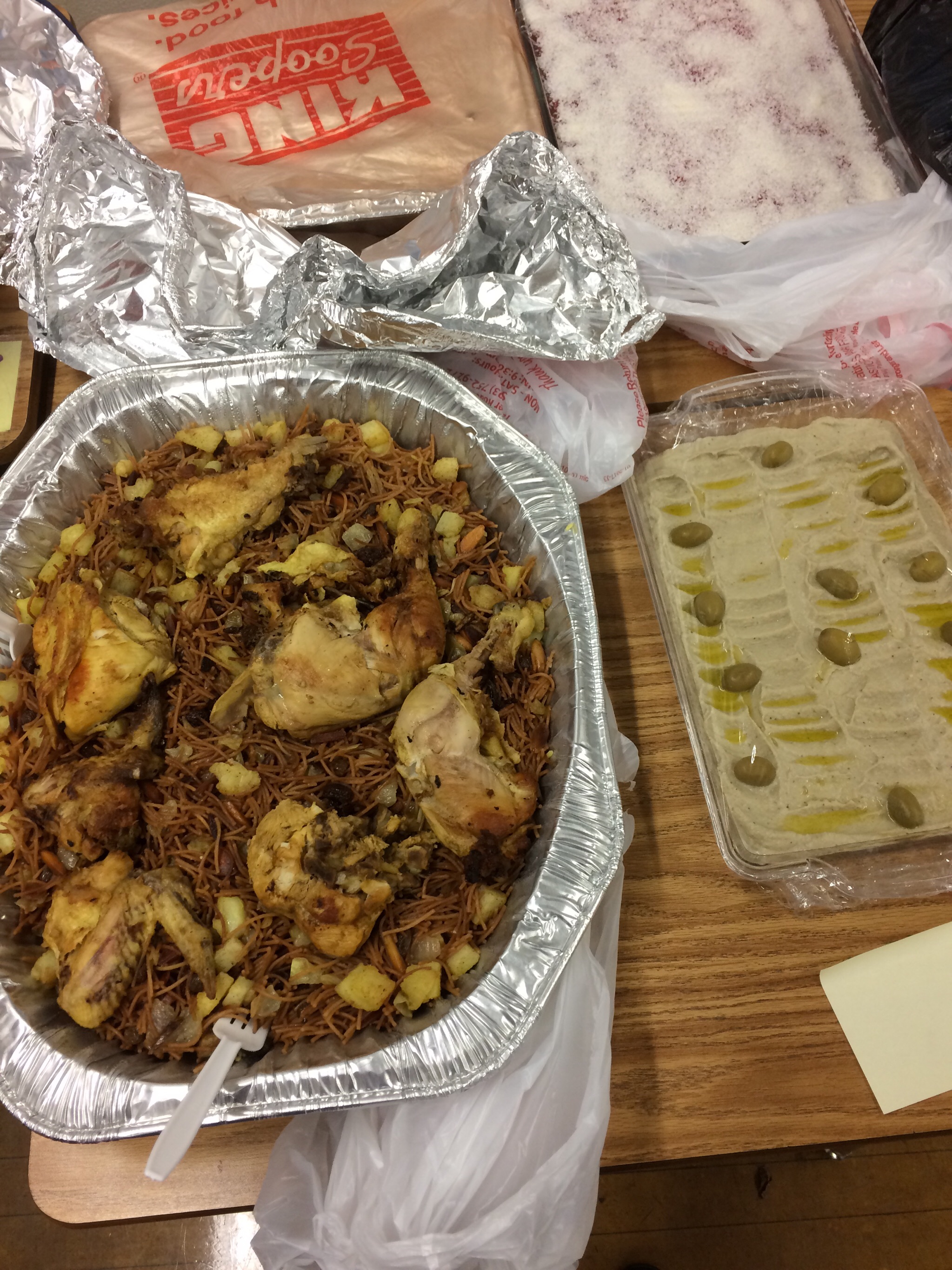
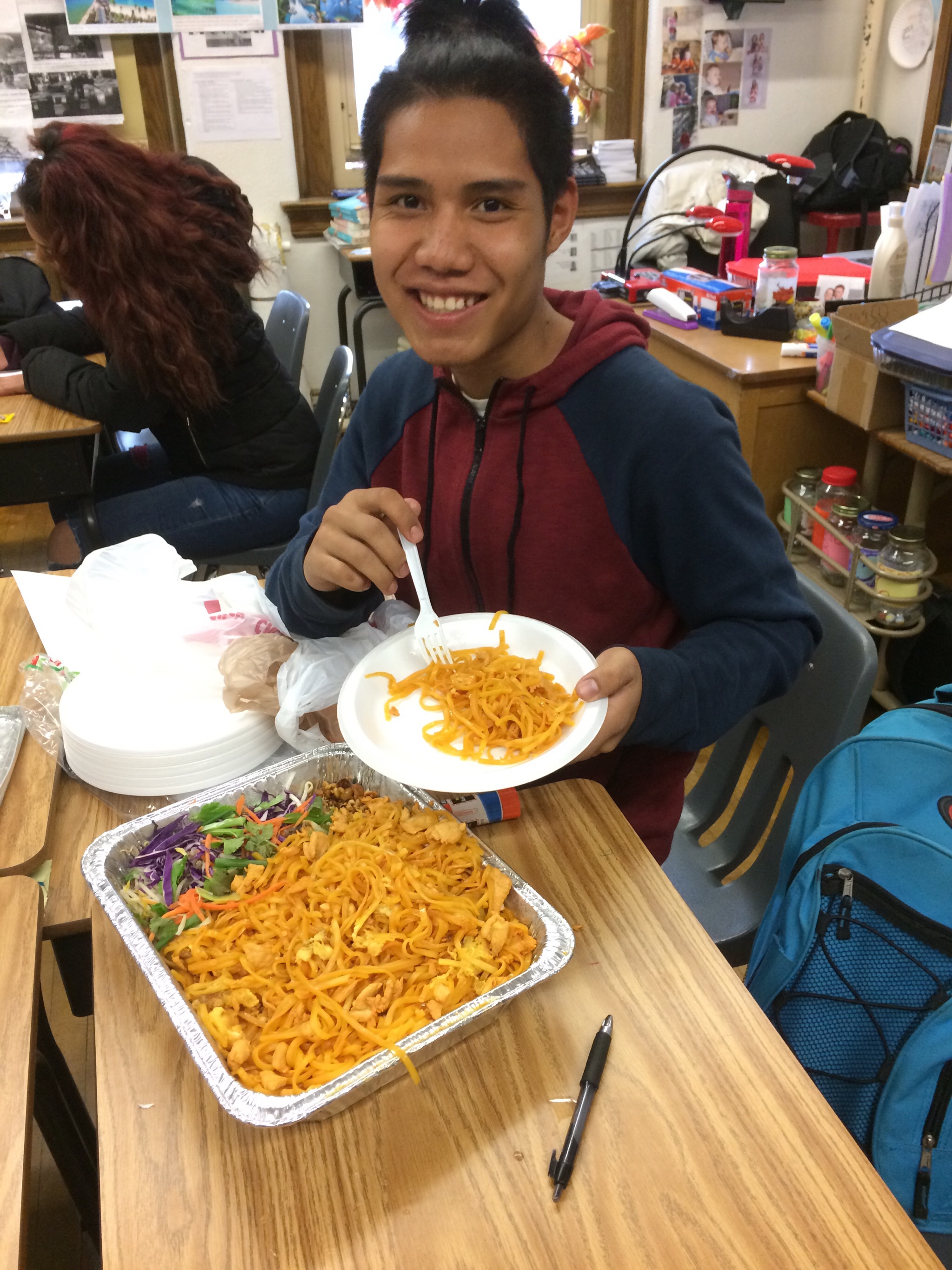
Take a Bite
faith is found in food
connecting cultures, caring:
life’s love remedy


Interception
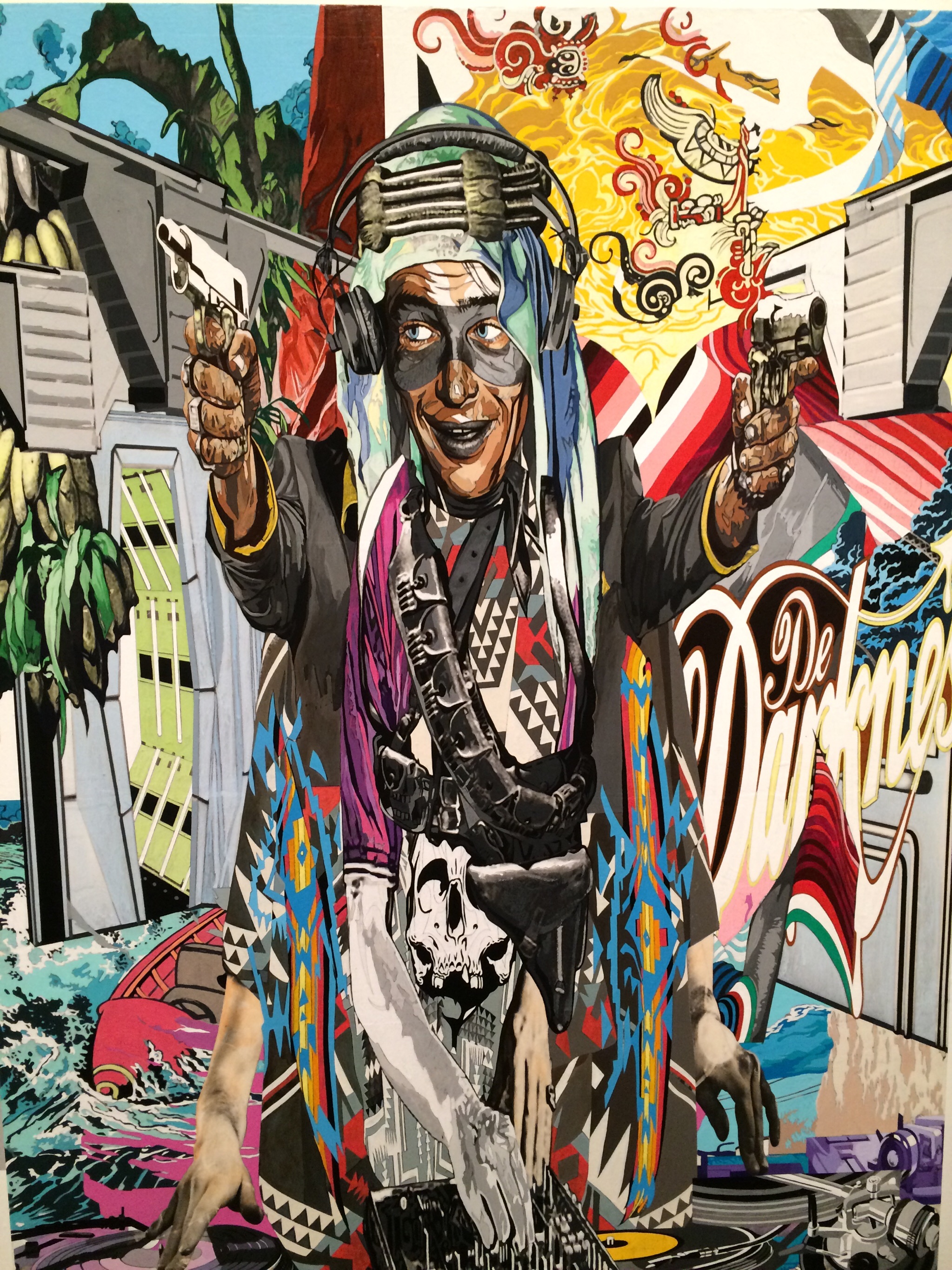
art intercepts life
on a cloudy Denver day
at the museum
social justice rules
when we create from our souls–
pen; paint on canvas
after a long walk
The Nightingale finally ends
(leaving with sorrow)
sorrow chases steps
across the gray of our lives,
of this cool spring day.
but i still find hope:
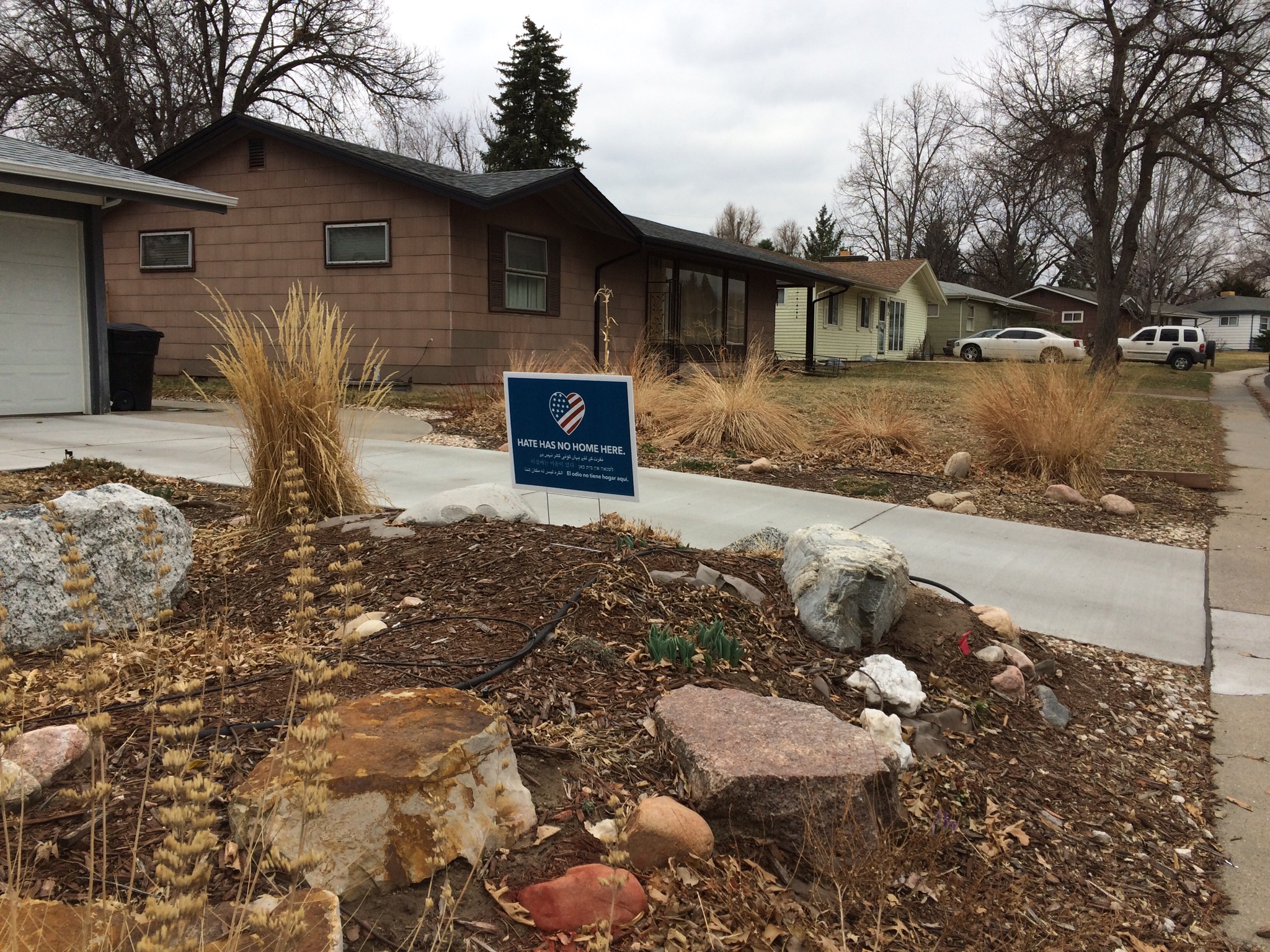
in neighborhood yard signs,
girls getting along,
in the purring cats,
the moist grass that begs to grow,
the chances that wait,
in my daughters’ eyes,
and the fight we all must fight
till tomorrow comes.


The Swirling Reality of Everyday Life
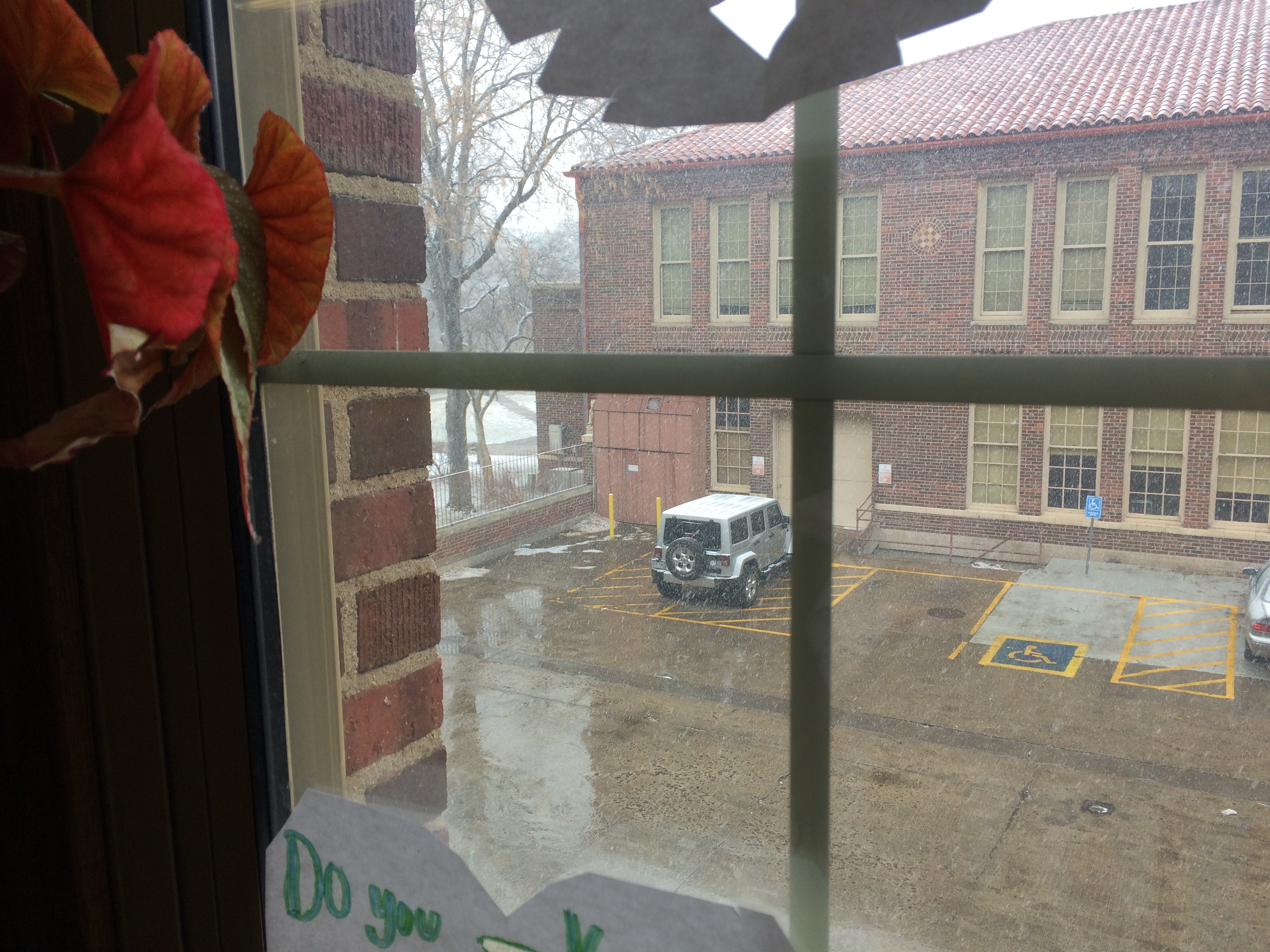
I watch the white world spin outside the third story window. Flakes, long absent, now twirl in a late winter dance, clinging to bare branches, reaching for a new hope.
I catch glimpses of the video–an analytical description of the autonomic nervous system. It is both too much and too little for me right now. The primitiveness of the hunt, the threat that is ever-present in our lives, has put me on this graph at full activation–State 1–always ready to react.
I want to be outside. To feel the flakes on my face. To bite the cold with shivering teeth. To pretend that winter will stay.
I want to be those bare branches, gathering snow in my arms, soaking up every last bit of moisture after too many days of drought.
The sky whitens as the swirls make their way across the city. The video provides a relatable example–how we react when we’re driving a car on a snowy evening and slide on a patch of ice. I giggle, minimally, and my co-worker turns her whole body towards me to be sure I see her how-dare-you? glare.
Does she not understand the irony? After a winter without snow, we’re watching a video with this particular example on a snowy afternoon?
Later, State 1 follows me as I rush out of the building, late to pick up my youngest. I find a parking spot half a block away and rush against the crowd of parents and children leaving the school. I stomp through the slushy parking lot and round the corner of the building as the first grade teachers close their doors. There she is, the final student standing in the cold, holding her hood around her eyes and huddling against the brick wall.
She asks for both of my gloves before we arrive at the car, blasts the heat, and turns on the heated seat, but she doesn’t complain. For once, she doesn’t complain, and I find myself breathing in, breathing out, like the wild animal described in the video, ready to let go.
But I can’t let go. It’s the drive on ice in swirling snow, the counting of thousands of cookie dollars when I get home, the friend over, the constant mess, the story told of the one day the older girls caught–and almost missed–two city buses, the trek across town to the bank, the grocery stop, the endlessness of the swirling snow and the swirling reality of everyday life.
Before I jolt across the parking lot that separates the bank from the grocery store, I hear the sirens. The sound of panic, the crashing of metal. The slipping on ice.
I grab the few frozen items I need off the shelves and make my way back into the snake of traffic. It twitches and slithers in the shadow of blinking red and blue lights. The accident, less than five minutes behind me, four cars splattered in pieces across the intersection, firefighters fighting the good fight.
That could have been me.
I think about the graph in the video, the curving line, the constant dip that we find ourselves trapped inside, unable to get over the hump that could save our lives.
The panic that sets in when our kids won’t listen, when we’re running late, when we fuck up an interview, when we slip. On ice.
I make my way into the snake. In slow motion, we weave through the mess of the accident. I breathe in. Breathe out. Think of the words I will write. Of the children I will hug.
Of the irony of this swirling reality of everyday life.
And I laugh.
(No one glares at me).
Protected: Lead the Way… Or Find Someone Who Can
What Sundays Have Become
Nearly nineteen years into our marriage, it is time for new furniture. A friend came over the other night, and as the girls piled onto my lap on the sofa claiming their right to me, the wooden leg busted underneath, exposing the reality of its twenty-year-old, hand-me-down state.
Hence, Bruce and I spent four hours today driving between stores, researching cat-scratching deterrents, and deciding on a leather reclining non-power furniture set… that we didn’t buy.
Instead, we continued our twenty-first century journey to the grocery stores. We bought the usual to feed our family of five: avocados and cilantro for our weekly need for fresh guacamole, bananas, apples, and clementines to fill lunch bags, chicken and sushi to make our dinners.
And something more: a stockpile of nonperishables. Beans. Pasta sauce. Brown rice. Cans of soup. Tea. Flour. Canned tomatoes.
Yesterday, my husband of nearly nineteen years and the man so nonviolent that he cringed at the idea of actually killing an elk the one time he went hunting, told me he thought it might be time to buy a gun.
Today, we decided to save our $2000 on furniture because we might need it to stock up on food and provisions before the coming of the war that inevitably will destroy our democracy.
This is what Sundays have become. There is no joy in errand-running, no hope for a new living room set. There is the impending doom of a future that none of us can predict nor look forward to. There are three girls in our home whom I fear will not have a future at all. There are tweets and executive orders and absent investigations and jaw-dropping obstruction.
Soon there will be food shortages. Rations. Militia.
It is all around the bend as we navigate from city to suburb to city on the highways brought to us by progressivism, searching for what we need today, for what we might need tomorrow.
This is what our Sundays have become: me sitting in my nearly-nineteen-year-old recliner, hoping this marriage, this world, my children, will live to see another nineteen years.
This is All I Have For Now
Hope for today: a new student came to my advisory. A Syrian refugee who has been here for 20 days. He could not communicate very well in English, but another newcomer from El Salvador who’s been here for a few months was able to help him with signs and support. He also took pictures on his tablet of everything I handed out and was able to run the words through an app that translated the words to Arabic. And, through the tablet translation, proudly told me at the end of class that he speaks three languages: Arabic, Turkish, and Kurdish.
I wonder what else he has stored behind those questioning eyes? I can’t wait to find out. And I’m so glad he made it through the Trumpocracy.
#standwithrefugees #standwithimmigrants
 Step Write Up