my son shares his home
with diagonal slices
of sweet plátanos
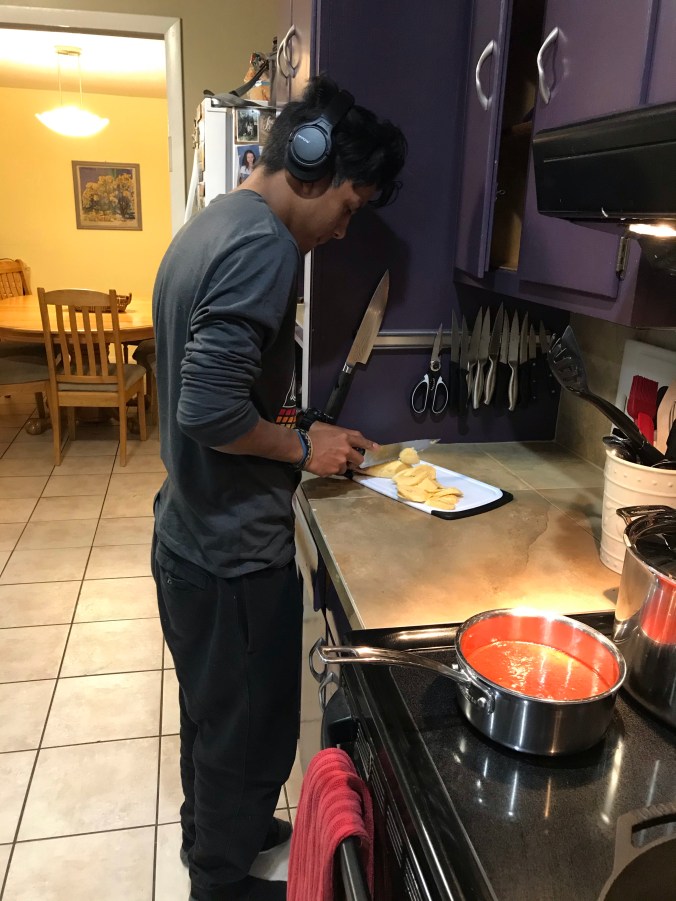
my son shares his home
with diagonal slices
of sweet plátanos
our preparations
for this moment of our lives
go beyond torrejas

beyond this sweet sauce,
this Christmas stocking for you,
beyond this moment
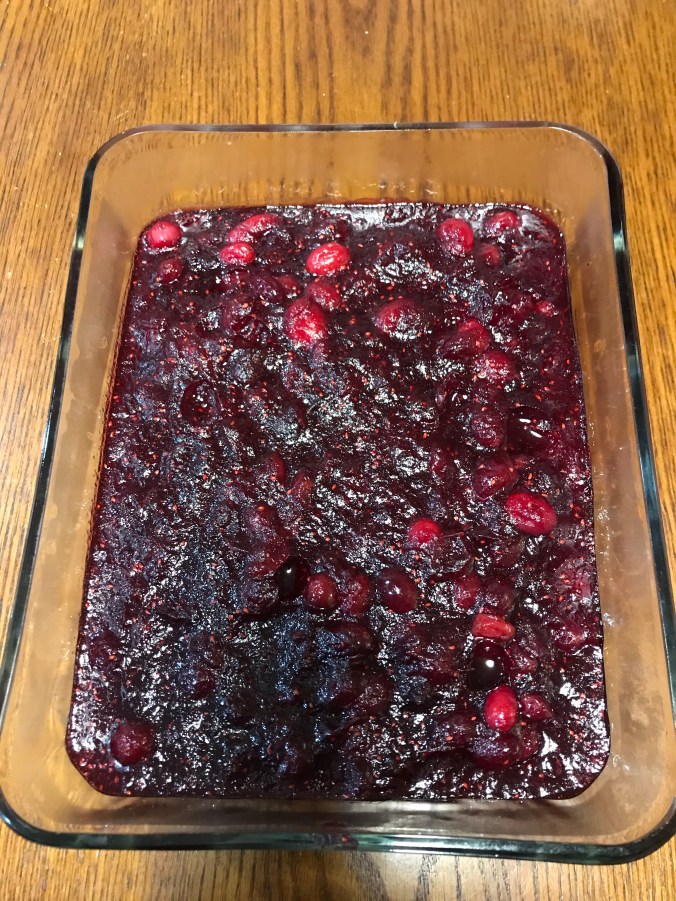
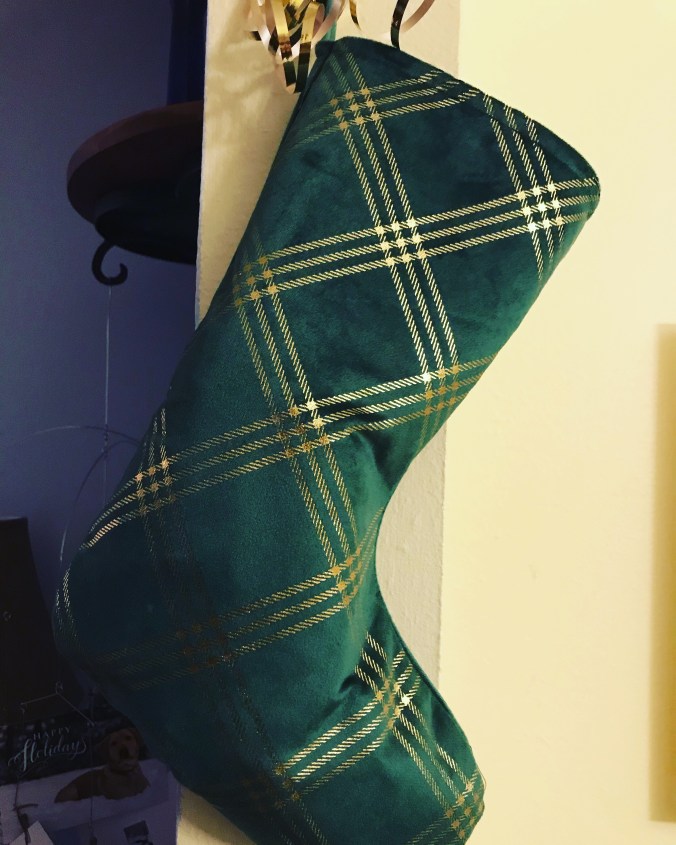
our preparations
go beyond twenty-two years
when we were babies
when we were in love
as only the young can be
and he promised me
what promise, you ask?
to open our home with love
when it is needed
to celebrate love:
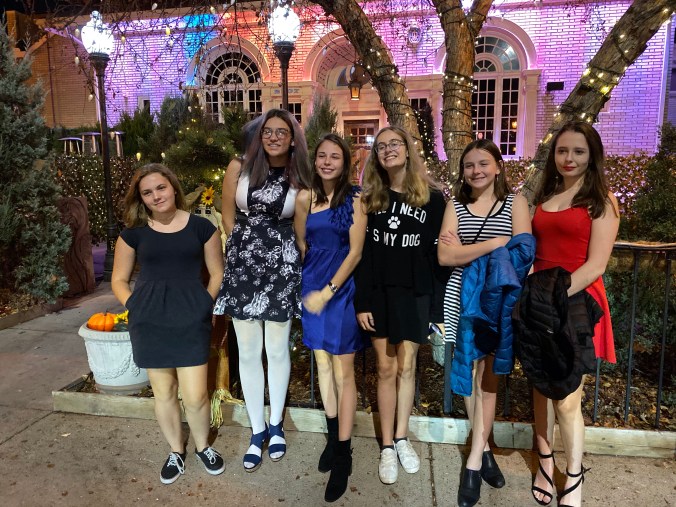
she’s fifteen on the fifteenth
surrounded by stars


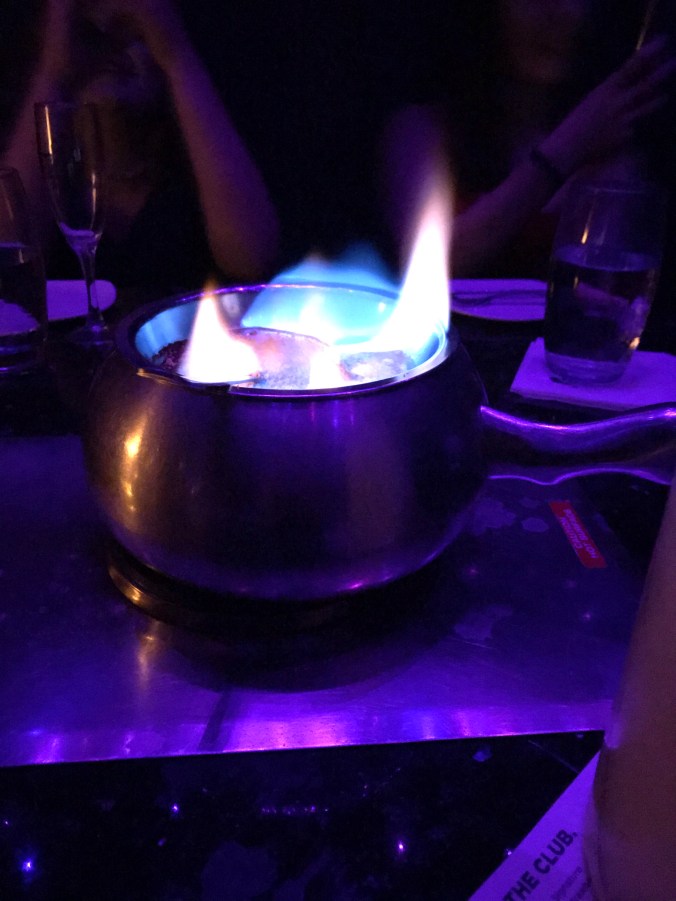

first: the moon and sun
second: 8.5 miles
third: a fourteener
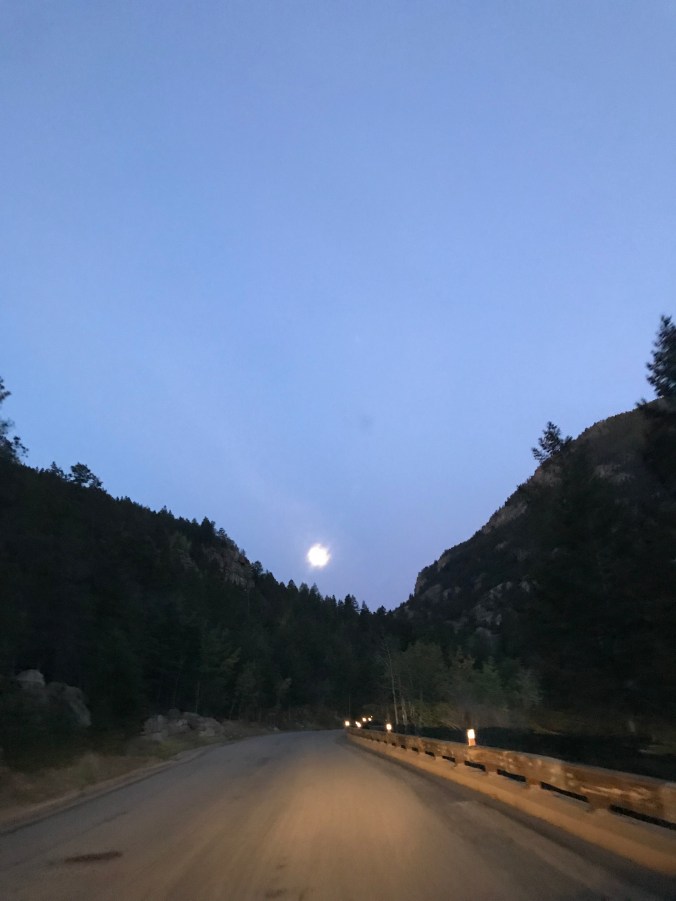


fourth: pomapoo strength
fifth: learning to climb mountains
sixth: altitude high




Superior beach:
like the ocean without salt
great for paddling


kite flying kids
will remember these beach days
so different than home


i never listen
when someone says it’s boring
i always find fun

North Dakota wins
kindness, camping, paddling
and late-night sunsets

Earth lodge history
and indigenous genius
round out this cycle

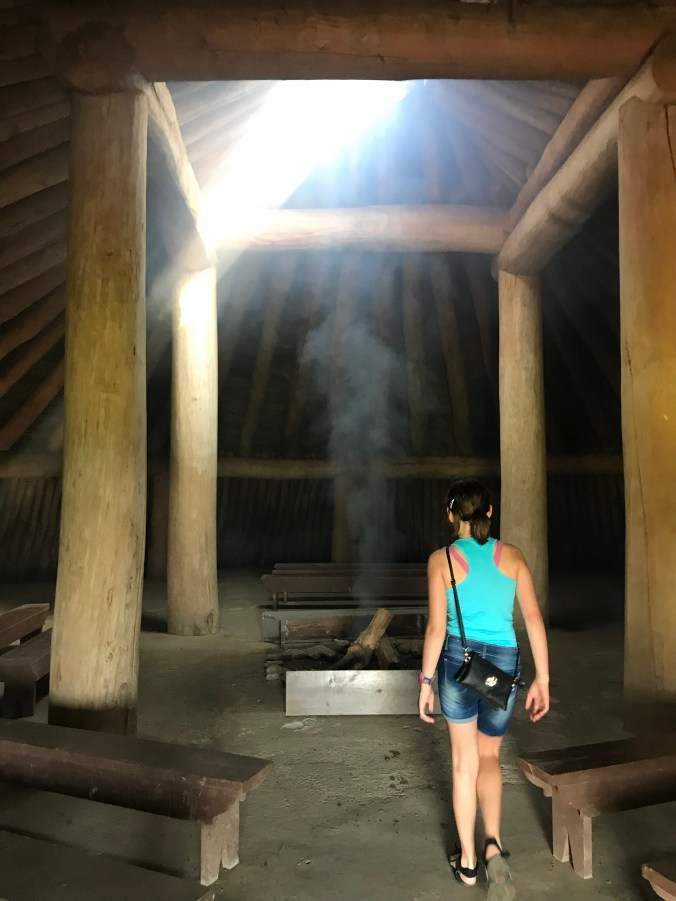
with Art Deco touch
to capitalize the north
and give us this view



all in a day’s work:
this “boring” state makes dreams bright
campfires and all

from flat Dakota
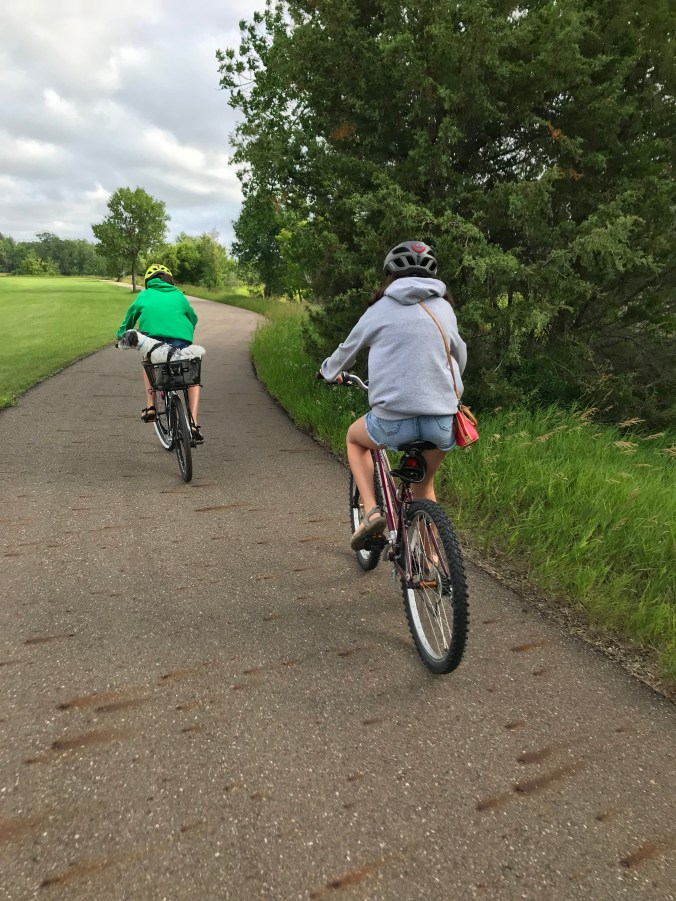
emerges a river trail
hard on legs and kids


but water wins views
however it meanders
giving life to all



walk until you can’t
then pull a hundred grass roots
out of the flowers
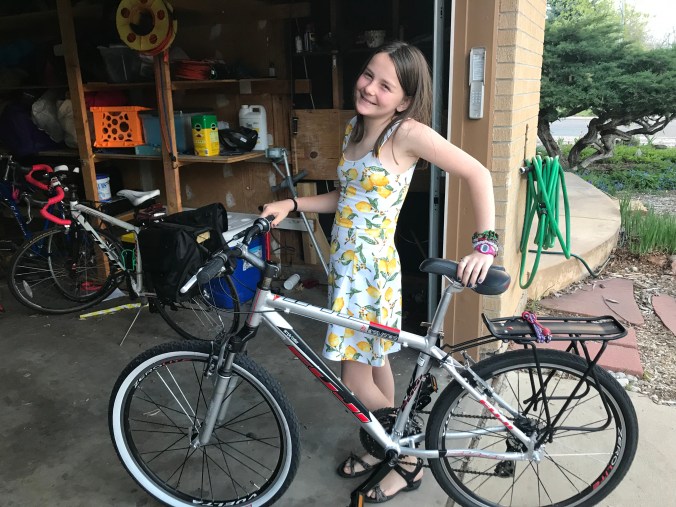
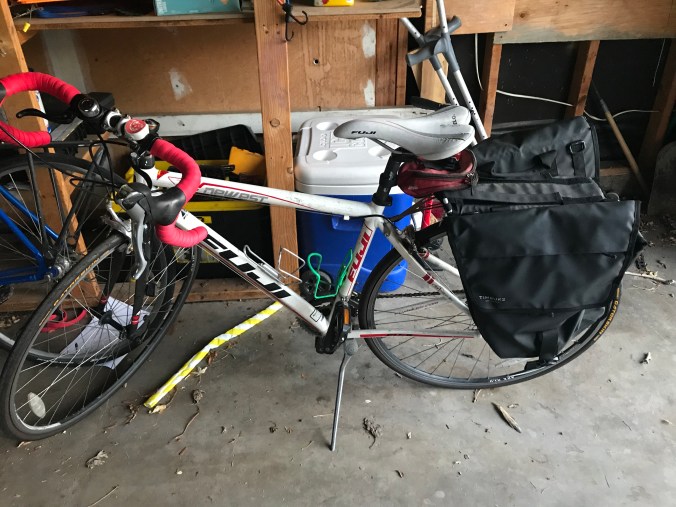
buy new bicycle
for youngest daughter’s growth spurt
(get new tape for yours)
visit local art
at museum exhibit
amazement beckons
a Sunday funday
filled with every last life lived
in these bright moments




I know you’re still here but I’ve already lost you—
you are not the same person who handed out hugs
as if your arms couldn’t function without being around us;
you argue now like an obstinate three-year-old
and spout words that sting till tomorrow’s sunrise,
though by then you’ve already forgotten them.
I miss those days when I’d curl crying in my bed
swallowing the salty remarks my mother had thrown at me
and being able to wipe away the tears only
because I thought of you, kisses bursting from your lips,
taking us to the beach, asking us what we wanted
for every meal the week before we arrived,
sharing your own tears on my cheeks when we left.
Every summer you took us shopping at the best bargain stores
and outfitted us in the newest styles for the school year
and taught us how to pick parsley and basil from the herb garden
and how to sauté garlic, onions, and carrots for the marinara
and how to boil steamers for just a few minutes,
then dip the clams in butter and let them slide down
our throats, their taste lingering of the sea you’ve always loved.
We exchanged letters for years, your scrawling cursive writing
filled with your beliefs about my schooling,
my boyfriends, and your Catholic upbringing,
touching my heart with your love just as much as
the gifts and cards you sent for my birthdays
all the way into my adult years.
I know you’re still here, but I’ve already lost you
and when I think about the phone calls I forget to make
or the confusion in your voice when we speak,
I recall my childhood, your ever-affectionate presence
the sweet happiness that I forever longed for,
and though I feel old and alone and sometimes lost along with you,
I still carry your Italian black hair on my head,
your sauce recipe in my memory,
and the remnants of your soul within my soul.
I baked another magnificent concoction—a blackout chocolate cake—that was received with rave reviews and status updates and insistences that it was the best cake anyone had ever tasted. Having tasted only the frosting and a few remaining crumbs myself, I couldn’t understand what the fuss was all about.
But then I remembered the flour.
I grew up in the kitchens of my mother and grandmother. My mother taught me how to can vegetables and fruits, how to prepare a simple, healthy meal with meat, a starch, and a vegetable, and how to clean the kitchen, scrubbing every pot and wiping behind the sink and ringing out the rags after their scorching water rinses. My Italian grandmother taught me how to make marinara from scratch, first sautéing garlic, onions, and carrots in olive oil, then dunking fresh tomatoes in boiling water to remove their skins, then mashing them up with a spoon and adding them, with a six-ounce jar of tomato paste, fresh basil, oregano, marjoram, and parsley, to the pan. But it didn’t stop there. She showed me how to roll out dough for pasta and crank it into shapes with her metal hand pasta maker. She taught us both (my mother and I) what temperature a pot roast needed to begin at and how it should come out in the end. With wrinkled hands and bouts of passing out kisses between measurements, she showed me how to cook like an Italian: from scratch.
Growing up, the only things my mother ever baked were chocolate chip cookies or birthday cakes, where we would walk through the aisles of the grocery store picking out our favorite flavored mix and frosting. She knew just how to frost a cake with her thin metal spatula so that it was a work of art every time.
But it wasn’t until I was a grown woman with a baby of my own that I learned from my grandmother how to bake. She flew in on a surprise visit for my father’s fiftieth birthday. It was the very end of 2003, one of the most emotionally turbulent years for my family. In the course of eight months, the first great-grandchild, Isabella, came into the world, followed closely by my grandfather’s death, and then, before even catching a breath, my great-aunt Frances (who taught my mother to cook) and my grandmother’s mother, the original creator of the magnificent sauce and noodles, both passed away.
So I was surprised when Grandma called, begging me to arrange the plane ticket out of New York so she could surprise my father. She was always thinking of someone else, even in her time of turmoil. When she arrived the day before his birthday, she had a menu in mind. We woke up early the next day and headed to the store where she insisted on certain brands for every product, whether it was tomatoes, chicken, spices, cocoa, pudding mix, butter, champagne, vegetables, and, finally, the flour.
“You can’t bake a cake without King Arthur flour.”
We came home and read the recipe (already in my cookbook) for chocolate cake. She worked on the frosting—also made from scratch (who knew frosting was simply butter, cocoa, powdered sugar, and vanilla?)—while I mixed together the ingredients for the cake. I was shocked: all it took were eggs, sour milk, flour, butter, sugar, cocoa, baking powder, and baking soda. I thought about all the ingredients listed on the back of the cake mix box and it made my stomach churn. Meanwhile, Grandma mixed up some pudding for the middle of the cake—also something I never would have thought of.
When my parents came over for dinner that night, thinking that I had prepared a simple meal, they were shocked out of their minds to see Grandma at our house. Everyone sat down to enjoy one of Dad’s favorites—chicken cacciatore prepared with those delicious tomatoes Grandma picked, delicious Italian bread, and a side of peas and onions sautéed in olive oil. But the cake? What can I say? It took the cake! Hands down, it was the best cake I had ever tasted. Was it the flour or the fact that we didn’t use a mix? It didn’t matter—I was hooked. I repeated the recipe six weeks later for Isabella’s first birthday, and year after year, using that flour and a variety of different flavors, we have had nothing less than a series of delicious cakes.
The King Arthur flour bag had become a staple in our kitchen, and by chance one afternoon I read the recipe for “The Best Fudge Brownies Ever.” An eternal chocolate lover could never turn down such an insistent advertisement, so I shopped for what I would need, in particular Dutch-process cocoa (dark!) and dark chocolate chips, and tasted once, and a hundred or more times since that first bite, the most scrumptious brownie anyone could ever imagine.
That is the cake and those are the brownies that got me hooked on baking. Before we knew it, we were using the flour to make homemade pancakes, breads, and pizza dough. But it wasn’t enough to share it with my family—the world needed to taste the creations derived from this flour. Soon brownies became a weekly event, a special treat for me to take to work and share with coworkers, whose everlasting delight has included thank-you notes and bags of flour, sugar, and chocolate chips in my box. Throw a few cakes in and the happiness breeds itself in a workplace that is weighed down with stress and financial insecurities, making everyone feel, for the moments that they indulge in these desserts, that life is still a gift.
My grandmother, after that visit, began to deteriorate rapidly. She stopped cooking, baking, and is almost to the point of having to be forced to eat. Suffering from Alzheimer’s now, she will soon enter an assisted living home. Even though the average grocery store customer, while in the baking aisle, might think all the flours will create the same results, I will always remember what I consider to be my grandmother’s final, most precious, kitchen gift: the King Arthur flour that has brought pure love to all the people who have ever brought a taste of its creations to their lips.
 Step Write Up