the New Year looms near
only two resolutions:
make friends with sis; write.
Month: December 2015
The Runs
second thoughts run deep
two hundred dollars later
and him always mad
my bestie takes blame
(her kitten was first, she claims)
but this is my fault
how deep does love run?
for my oldest: no-phone prize
for us all: pet love
sometimes i wonder
how hovering hurt runs deep
to pick our pockets
if i could keep her
(and keep his heart with me too)
we’d run through the depths
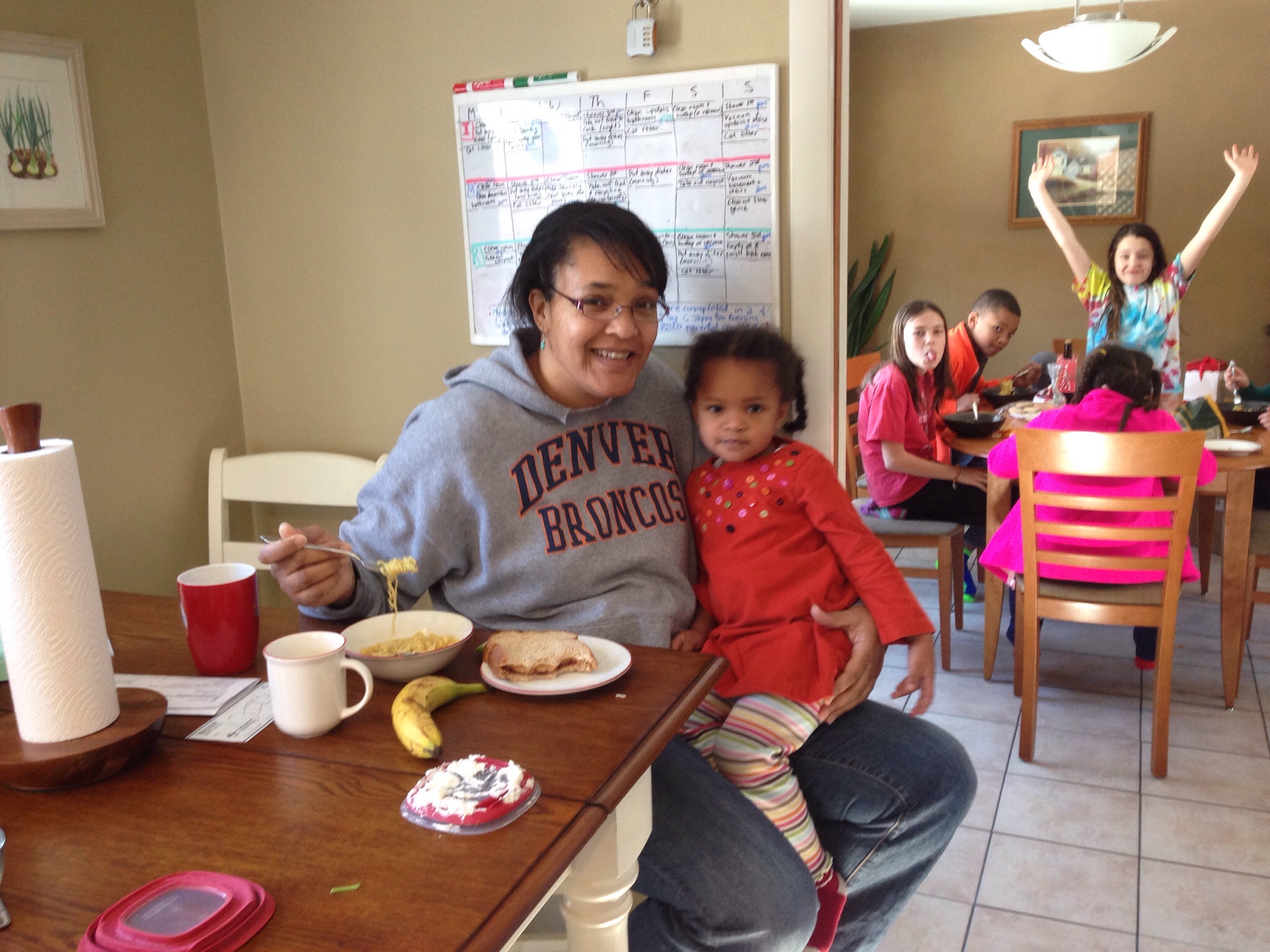

Wipe Nation
the plague of pet life:
what’s wrong with those that can’t speak
yet shit everywhere
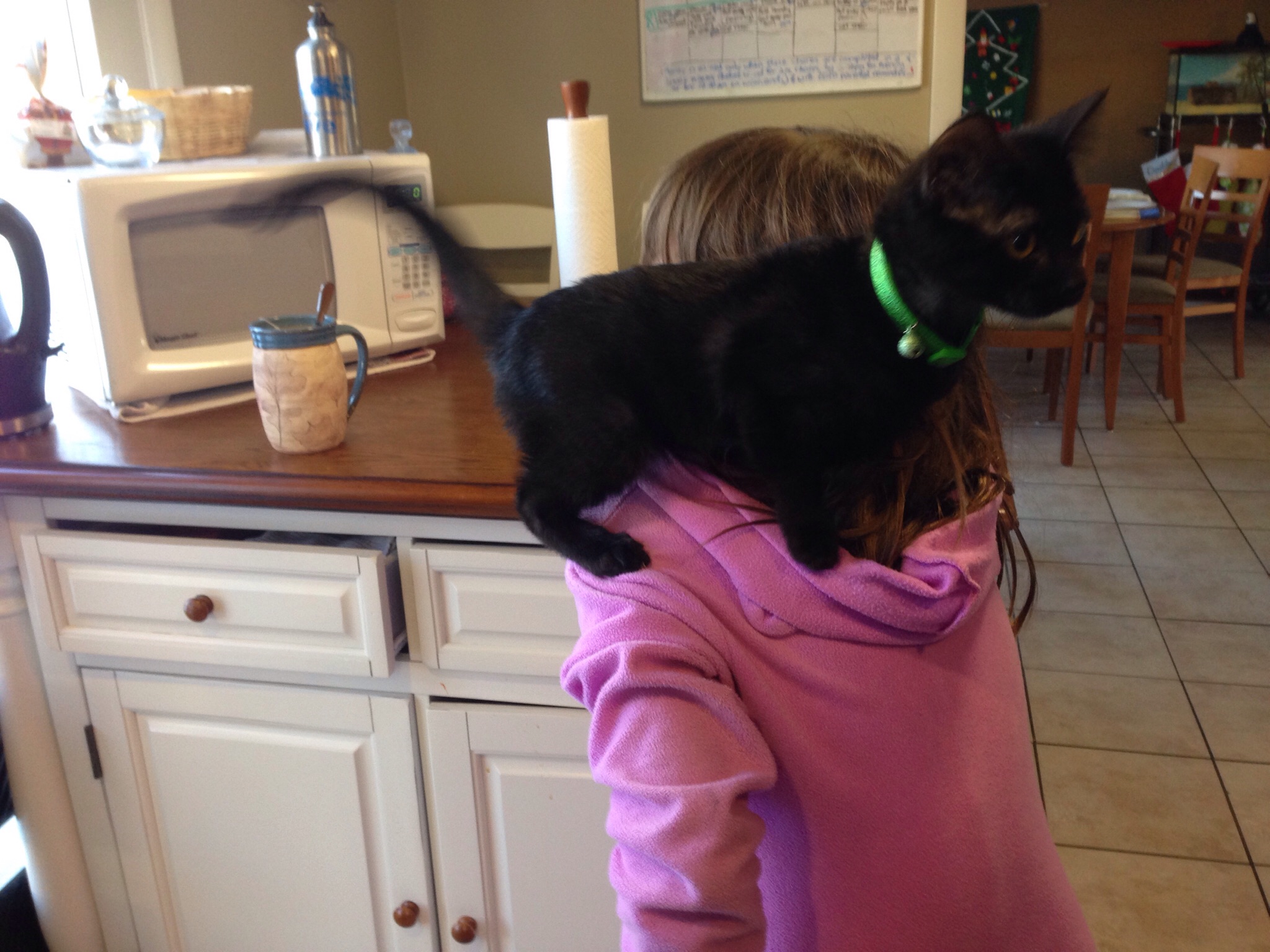
Los Molinos
finally finished
ready to send on its way
to a hopeful life

on my winter walk
to the store for its framing
city windmills spun

semi-frozen lake
with geese searching snow for grass
i clocked three miles
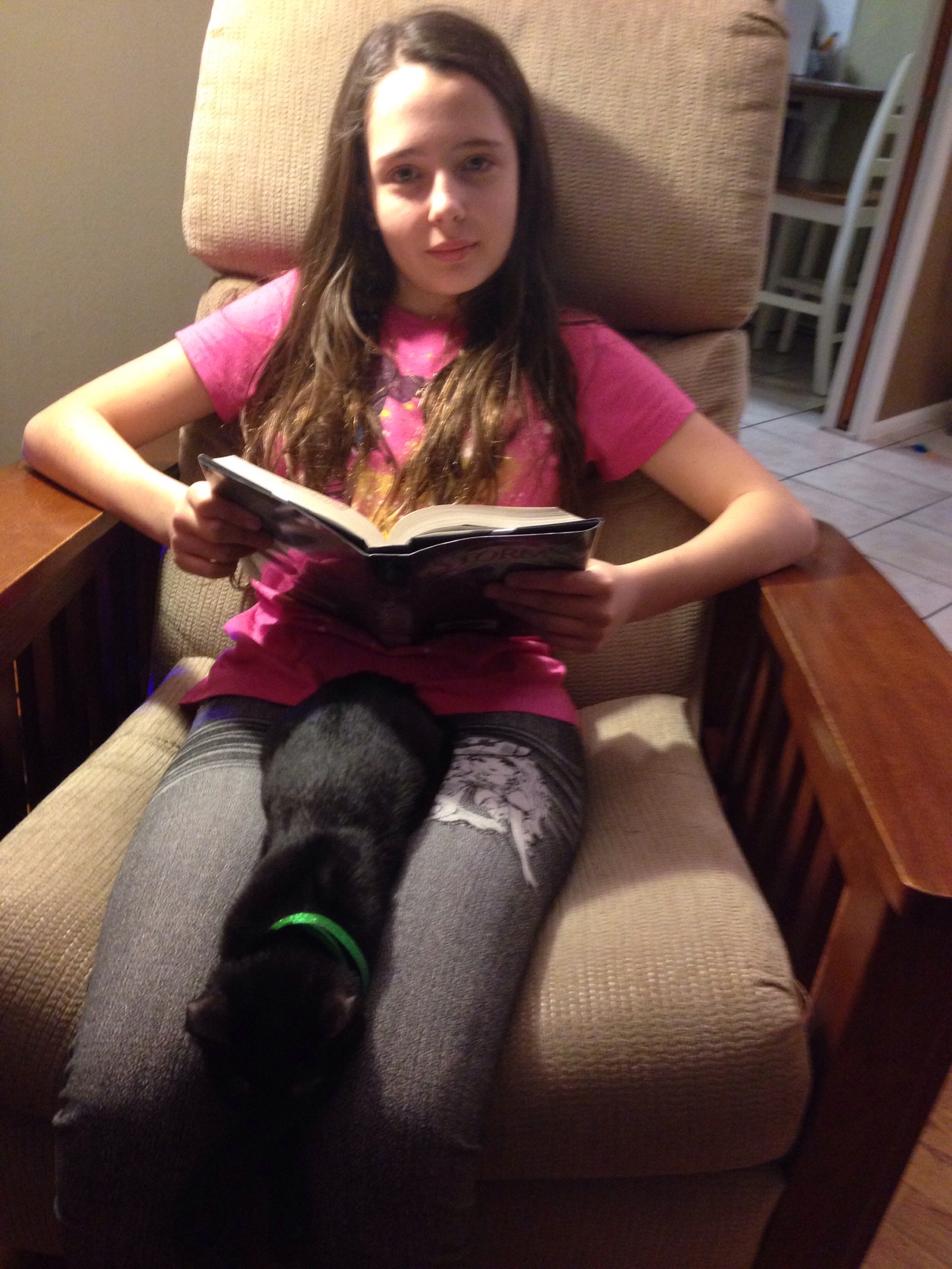
the girls took friendjoy
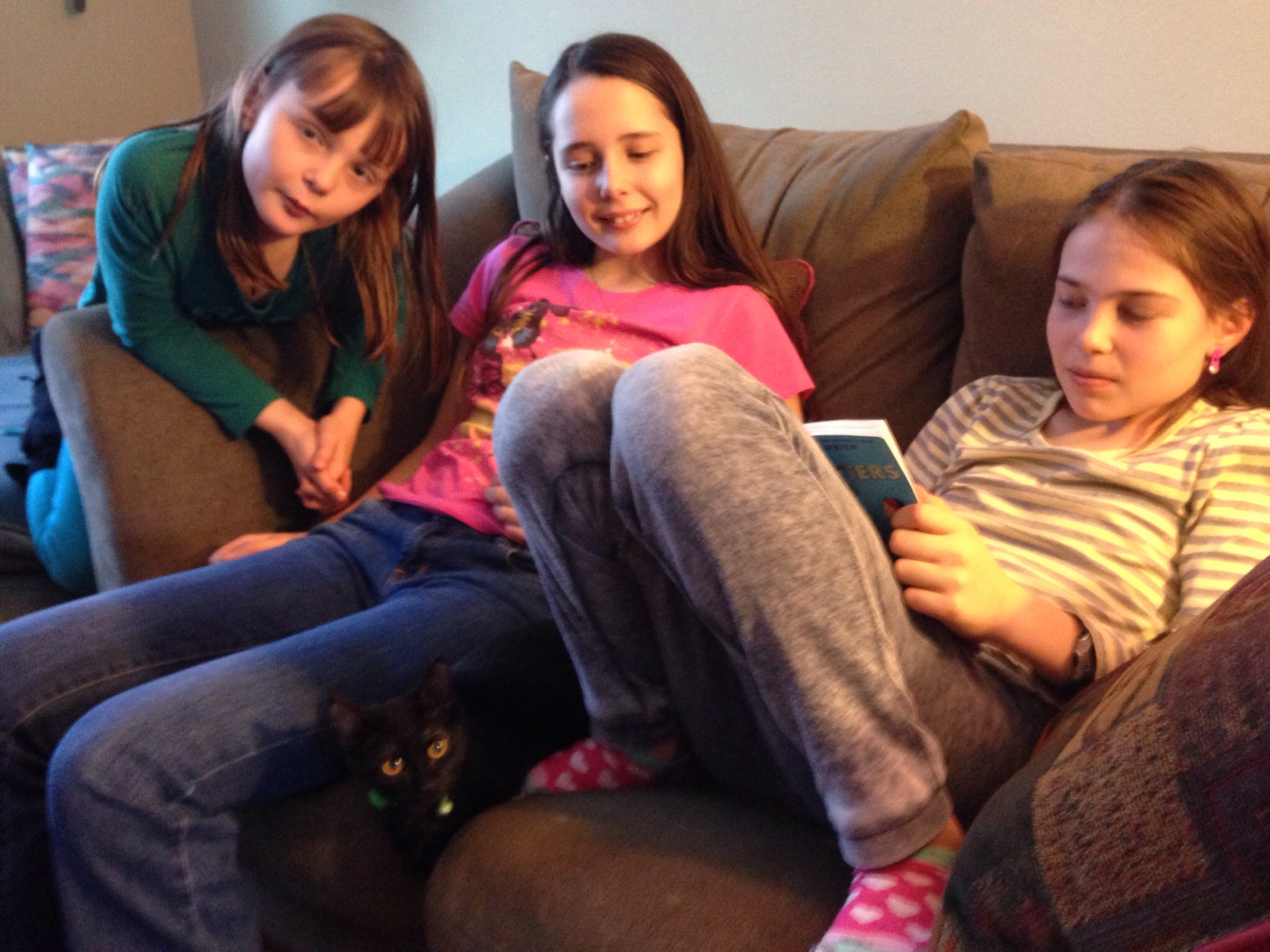
and kitten-lap-book cuddles
to carve our Tuesday
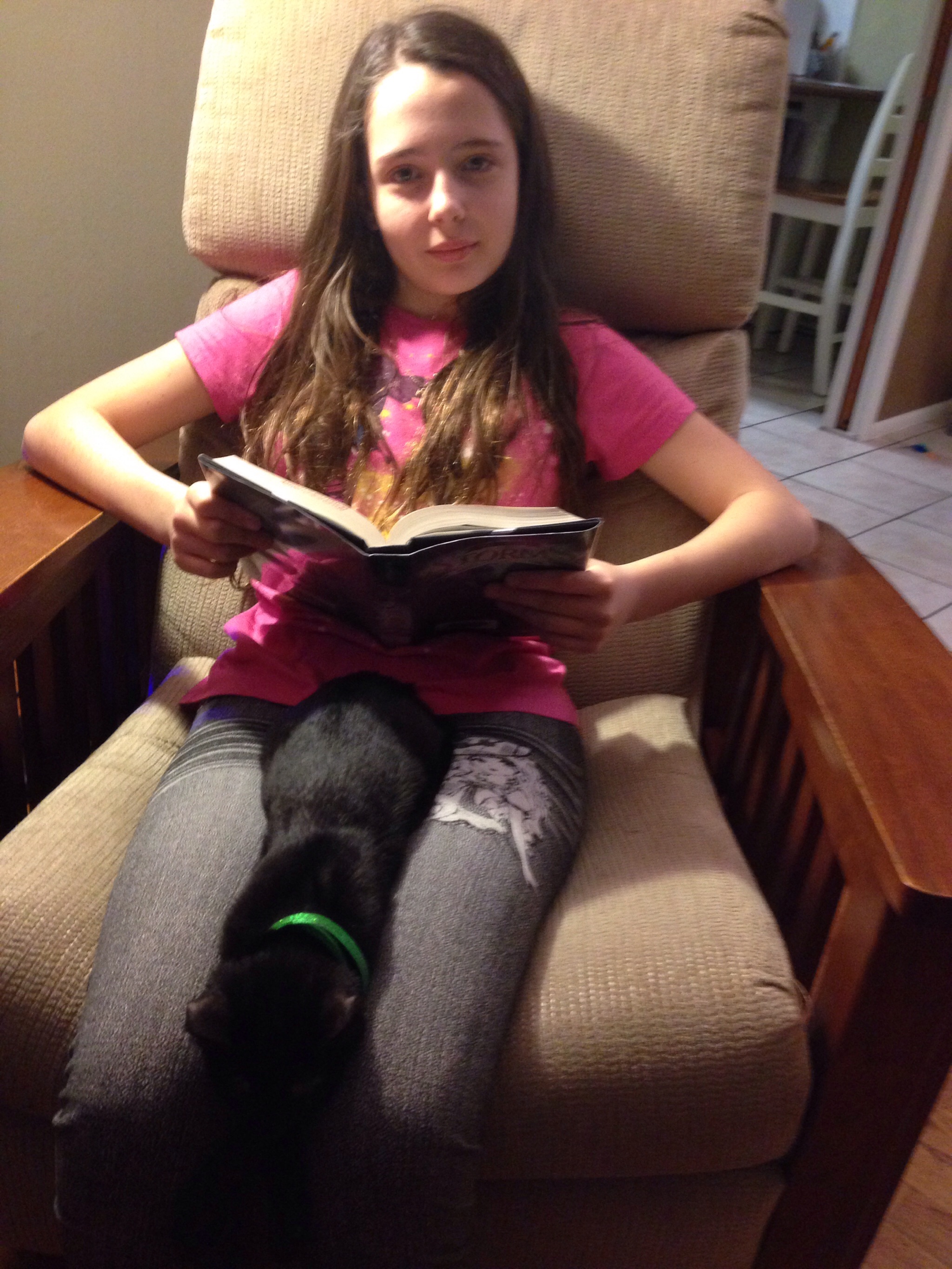

(yet–there was a hole–
chicken noodle in crockpot,
rolls ready to bake)
he worked late again
and bore the winter ride home
no windmills in sight
Tracks
I remember the first time I encountered poverty. I thought I’d encountered it when I was eight, in my grandmother’s kitchen. We’d just opened our Christmas gifts, and my cousins had their usual wealth of new skis, Patagonia sweaters, and trips to the ski slopes, when I heard my mother say to my father, “I wish we weren’t poor.”
But that wasn’t poverty. That was Christmas in Connecticut where my grandparents flooded us with what they could afford. Where we spent a day in New York standing under the giant tree that took up Rockefeller Center. Where the snow fell and the white, white Christmas shined crystal clear.
I did’t see poverty until three and a half years later, on a bus ride home from my middle school in Denver. And I know (now) it wasn’t the poverty of the third world, that it could have been so, so much worse. But it was as real for me then as it was today, twenty-six years later, walking across those same railroad tracks that I saw that day on that infamous ride home.
I was new to everything: the city, the diversity, the concept of extracurricular activites and late busses. After missing the correct bus home on the first day, I was anxious not to make the mistake again. But I didn’t think to ask anyone in my MathCounts group about the details of the after school activity bus, and three weeks into the school year, I hopped on to one of two busses thinking it didn’t matter.
As the yellow bus made its way across town, nowhere near a neighborhood that looked like mine, I began to hold in my heart a silent panic. I had followed my crush onto this bus, a boy named Schuyler whose name I wrote in my notebook for most of sixth grade. He chatted with friends as we moved from block to block, across rivers and bridges and a trainyard so large it could only have come from a downtrodden version of “The Little Engine That Could”, my favorite childhood book.
But this was no picture book. The houses became more decrepit, the neighborhoods transformed from treelined mansions into ramshackle shacks with dirt yards… And I was nowhere near home.
My “home” at the time being a two-bedroom apartment furnished with secondhand furniture and borrowed dishes while my parents spent their days searching for an opportunity in this city that had promised them the world.
I sat ten rows back from the driver, and as the time ticked by, my frightful silence pounded into my ears with a heart-throbbing vengeance. When the moment arrived for the tall, thin, dark-skinned driver to let out his last passenger, I knew I’d have to speak up. But my small-town New York voice didn’t want to. I wanted to go back to my small town, where my father had failed student teaching and wasted four years on a master’s degree that wouldn’t come to fruition; where my mother had supported us all on $6.25 an hour from the daily newspaper; where I could walk along the singular street that led from my elementary school to my home, and never feel like the village (city) idiot.
“Now, did you miss your stop?”
“I… ”
“Where do you live, honey?”
“I know my stop is Ogden and Ellsworth.”
“Well that was a whole other bus.”
He got on the radio. He made a plan. And I thought about him pulling up to my block of apartment buildings. About the little girl, Valerie Martinez, who had invited me over once and once only. “My mama gets paid on Fridays. Every Friday I get a treat. Last week it was a push pop. This week I might get a set of stickers.” She told me this from the tiny room she shared with her two brothers at the back of the apartment complex. She had a small desk where we played travel Sorry! and I scanned the walls that were filled with pictures torn from magazines and religious idols.
She had lived there her whole life.
I knew my placement in the apartment would be temporary. That my parents would find jobs (they did), that I would live walking distance from the school (I did), in a house we would own after selling our house in New York (we did). That my whole life would never be as dark, as frightening, as the bus ride home across the other side of the tracks. That I wouldn’t have to wait till Friday’s paycheck to get a silly little treat. Or share a room with two brothers for the rest of my life.
“You can tell me where you actually live, honey. You’re the only one left, and I plan on taking you all the way to your doorstep at this point.”
But I didn’t want him to know. That my parents had borrowed money from both sets of grandparents to make the trek across country. That we were living in that tiny, crappy place. That I’d seen the other side of the tracks, with gutted out cars and broken-in windows, and that I was scared. Scared shitless of what my life was at that moment, of what it could become.
I didn’t want him to know that I’d remember that day. How kind he’d been to me. How frightened I’d been. That I would keep track of those disturbing images of poverty like a prized collection at the back of my brain, unsure of what to do with it. That I would understand, years later, just how deep white privilege lies.
Underneath the snow. Between the tracks. Where my city has fallen not into the arms of an unforgiving God, but into the arms of a greedy monster of wealth. Where they have torn down every last remnant of what was real to build cookie-cutter apartments for hipsters overlooking those same tracks. Where the middle class has all but disappeared and I walk with my three girls through a world I couldn’t begin to describe to them because I don’t understand it myself.
Where I am just eleven years old, trapped on a bus, hoping the driver will take me to my stop.
Because without that hope, there is nothing. Just a blue-sky day in the middle of December, a long walk home across tracks I will continue to cross, and a world I am just now beginning to understand.


For Your Baby
angel bear brother
will love, protect, and hug me
from heaven to earth

The Truth Is…
i haven’t written
and you call out the whole truth
(love my introvert)
i know you hate her
and i know you–you’ll love her
shit in car and all
just like you loved me
threads falling from my buttons
(you just resisted)
shit on car and all
you fell head over heels, Love
in love with this mess
(and look at those eyes)
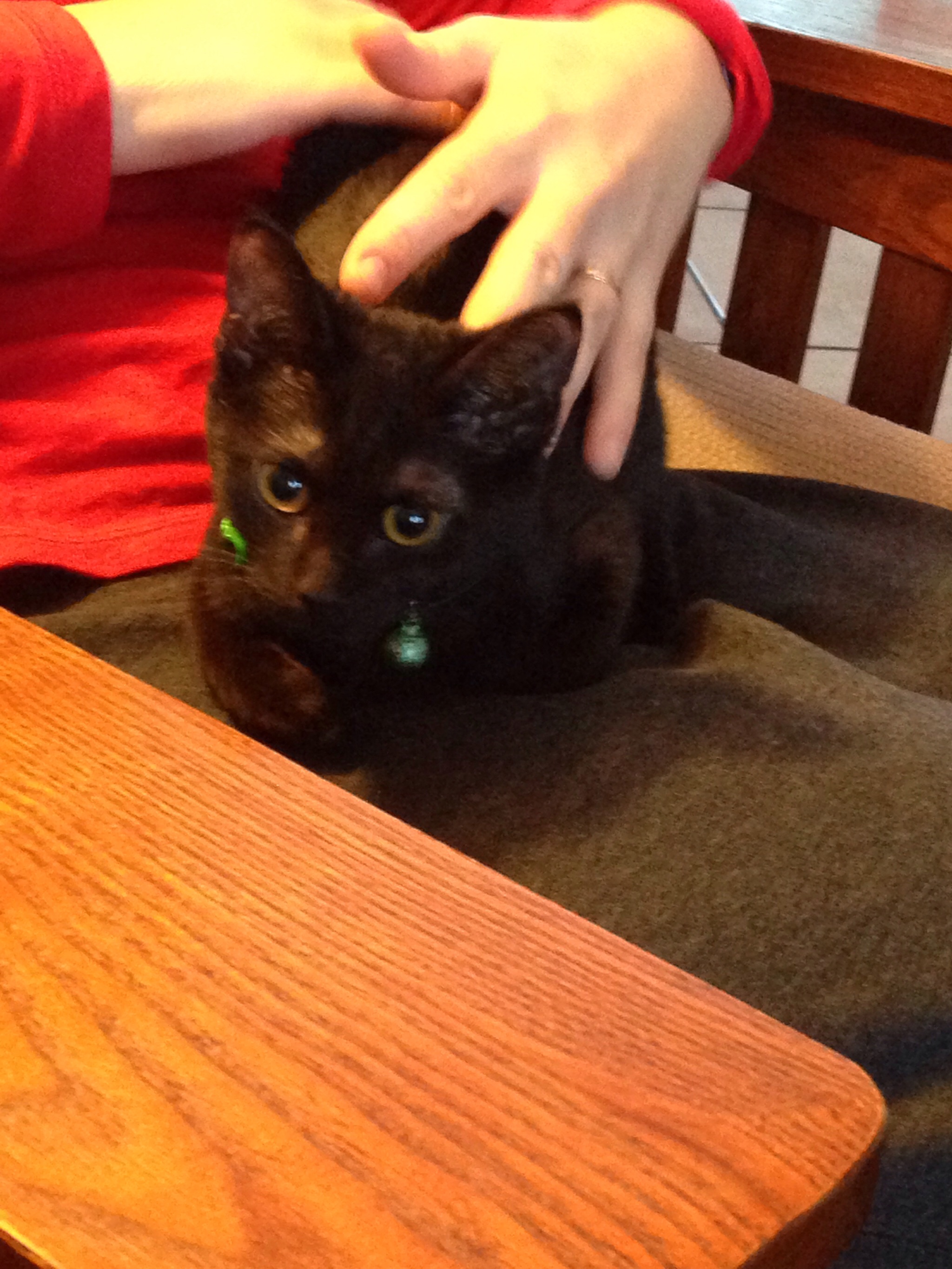
true as the cat is black, Babes
true as hard core truth

Song, Sing a Song
smallest singing songs
while middle child gets left
by lazy teacher
add to “redo” lunch
(they again ran out of food)
our grammar school blues
but there’s still music
in the lives of my children
when we arrive home
they play clapping games
chase grins on their way to bed
sing sorrows away

A Simple Relinquishment
i took back her phone
she cried for thirty minutes
then emerged from room
a week has now passed
i’ve seen her face more this week
than in the past year
she’s on page fifty
of a novel she started…
to write, not to read!
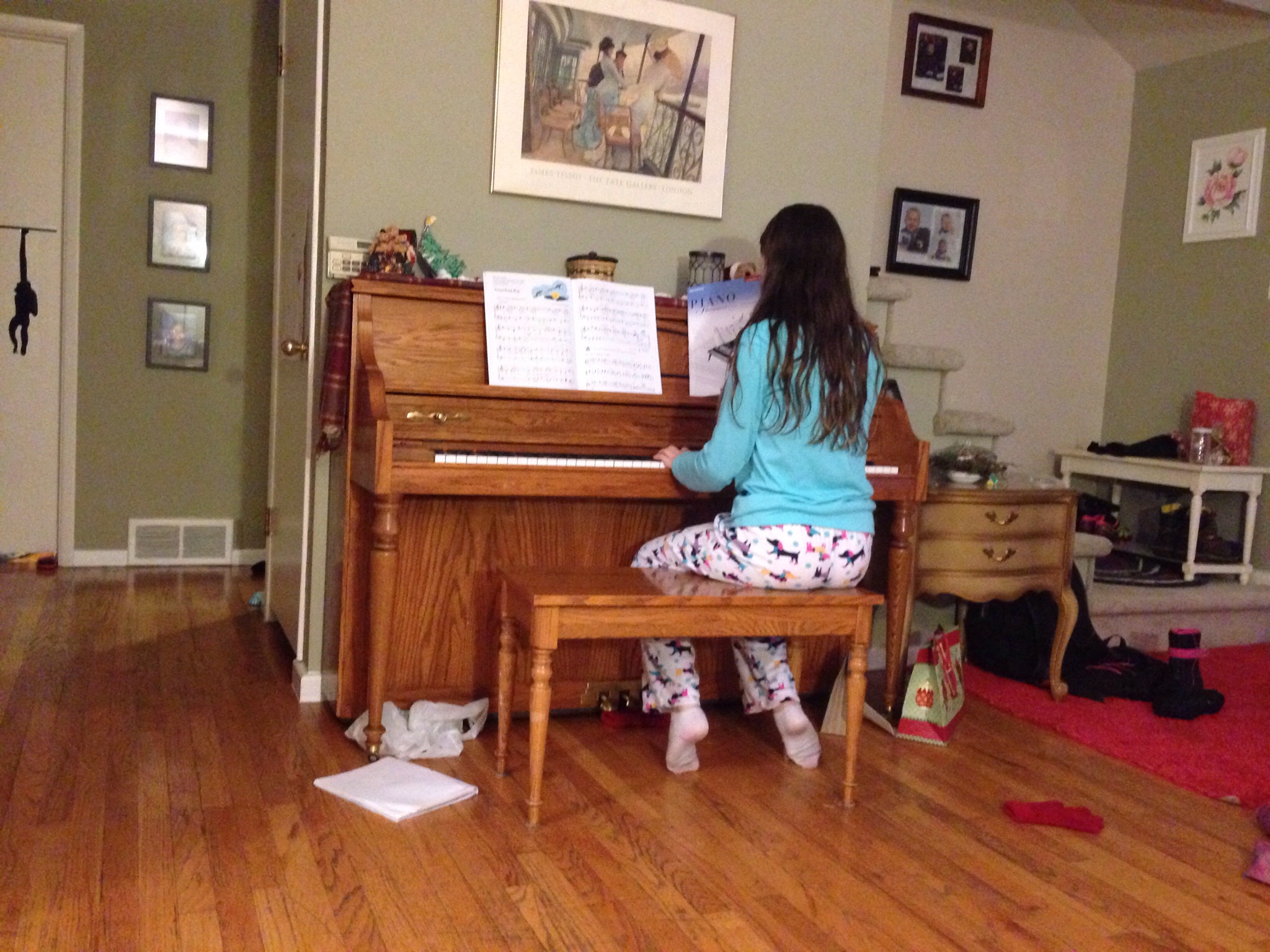
she plays piano
taught herself Star Wars theme songs
Darth Vader and all
she talks to us now
and plays games with her sisters
just like a child
she is my child
and i’ve ended the battle
that would lead to war

The Blaring Results Of…
The fire alarm went off just after the minute bell, thirty seconds before finals were to start. I had already arrived early enough to stand in line and sign out my district final. I had taken the time to organize them name by name on every other desk, ready for the students to walk in, find their place, and write their best essay of this semester.
When the alarm blared into our ears, I told the kids what door to walk out. I grabbed my coat, ready to wrap some warmth around this December Monday. I locked my classroom door, thinking about the security of the tests.
And I entered the line. The students-ready-to-give-up line. The teachers-wondering-if-there’d-be-enough-time-now-for-finals line.
And in their arms, like infants ready to suckle? Tight against their chests like their lives depended upon the survival of a few stacks of lined booklets?
Their district finals.
“Where are your tests? Did you leave them in your room??”
Like I had committed a cardinal sin.
And this moment, more than any other, is why I think our society has completely fallen apart. No way our school, our city, our fire department would plan a fire drill the Monday morning moment before finals would begin.
So this could be REAL. We could be walking out of our school into a bitter cold standstill for hours as we wait for the beautiful firemen to rush five blocks in their blaring white truck to SAVE OUR LIVES.
And I left, God forbid, the tests in that damn room.
(Of course it was an error. Of course they were doing construction in the gym that set off the alarm. Of course they adjusted our schedule, making the day twenty minutes longer than planned, cutting into our lunch, our grading time, our collection of children from school, forcing us to stand in line again, forcing our children to stand like common prostitutes on the corner because their mother couldn’t arrive on time, all because of the security of that damn test.)
Of course I’ll give up my planning period tomorrow to catch up.
But I will not carry that test like it’s my baby. I have enough babies. Three of my own and thousands more. Their words are worth more than what the district (the society) asked them to write in sixty minutes. Their lives are worth more than the security of this test.
Our lives are worth more than the security of a TEST.
Someday, I hope, we will realize this.
 Step Write Up