Christmas season’s here
Union Station’s all decked out
our city’s idol


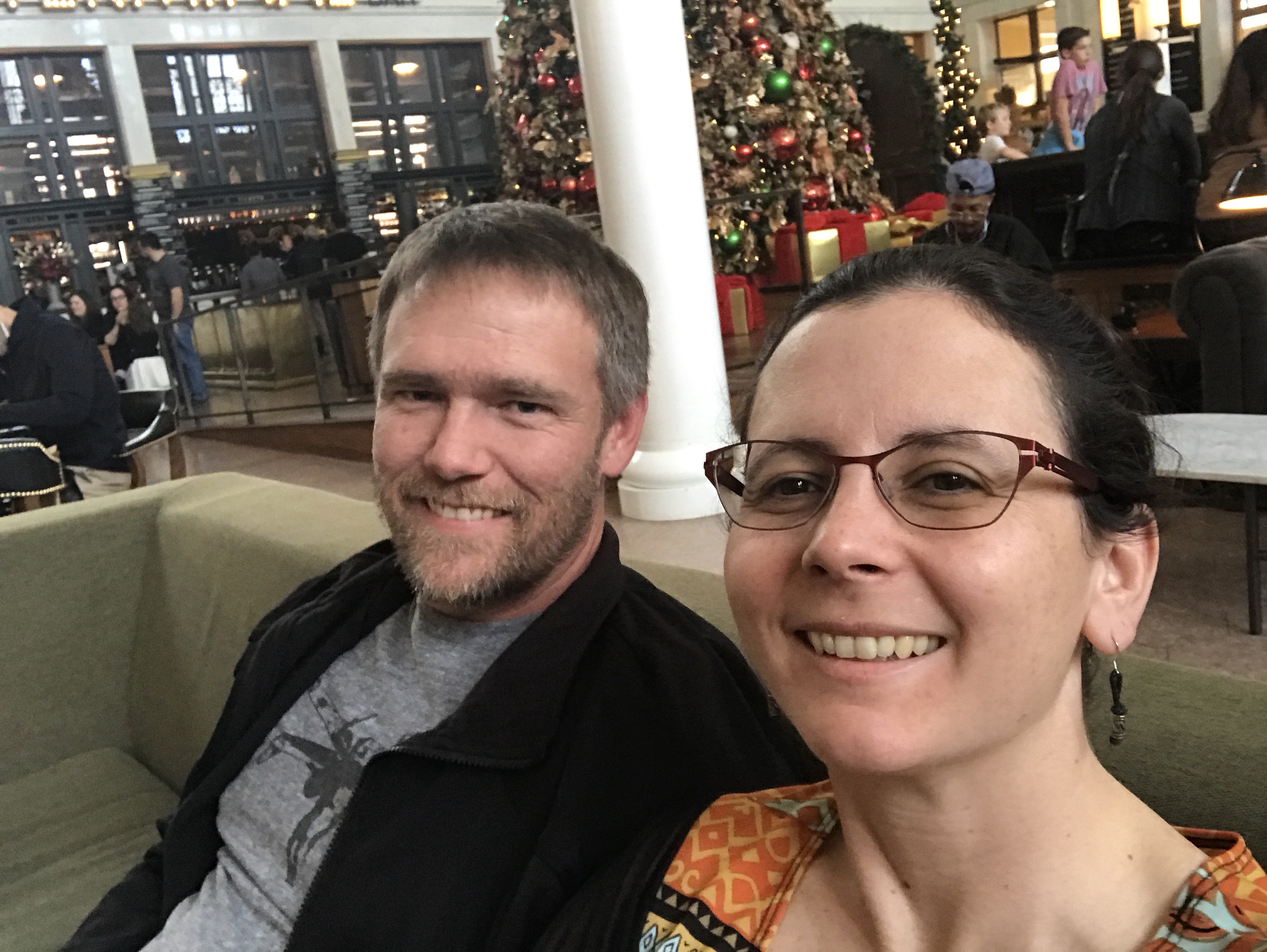
Christmas season’s here
Union Station’s all decked out
our city’s idol
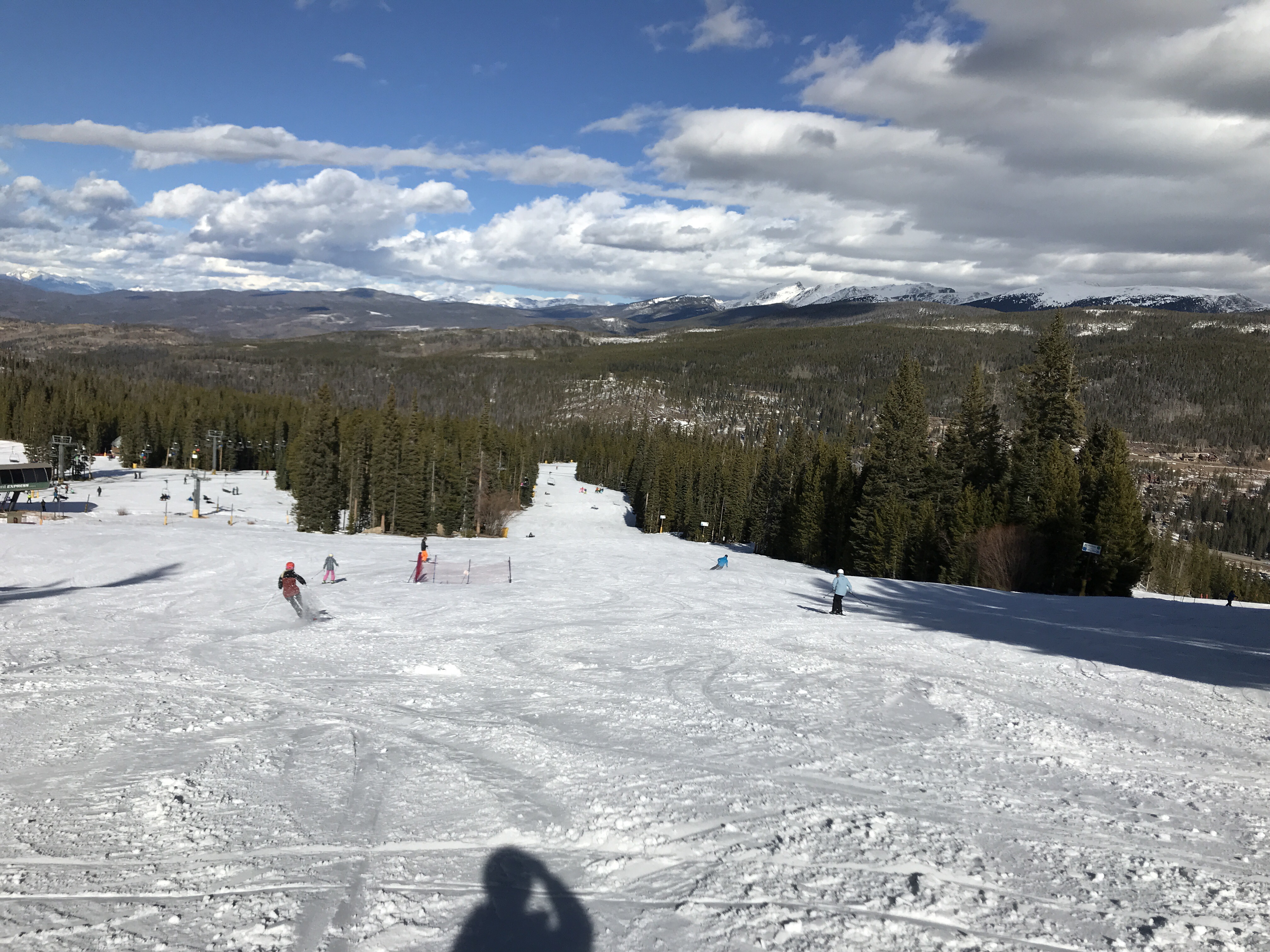
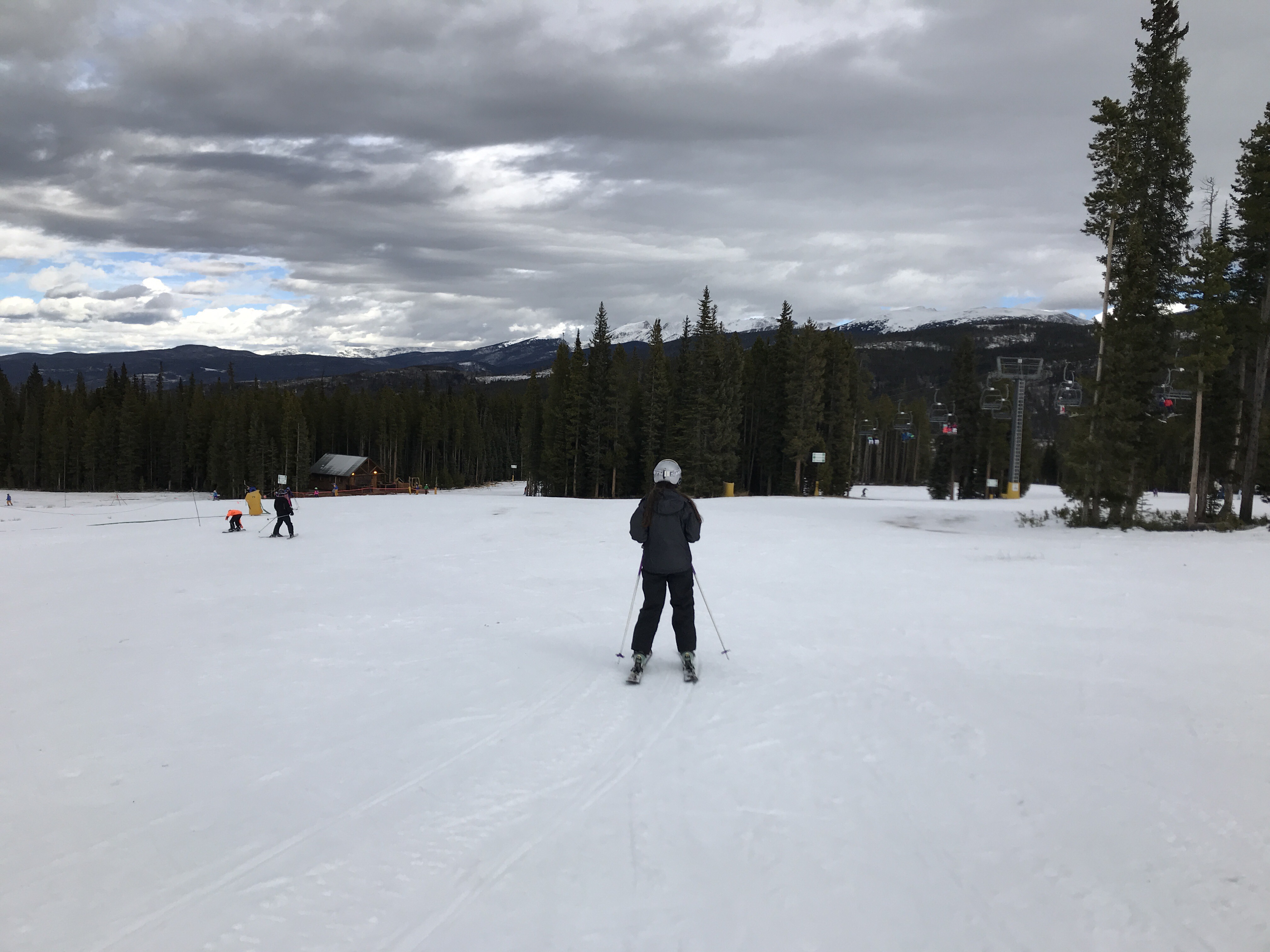
skiing saves the soul
(Black Friday’s overrated)
cloud floating wins day

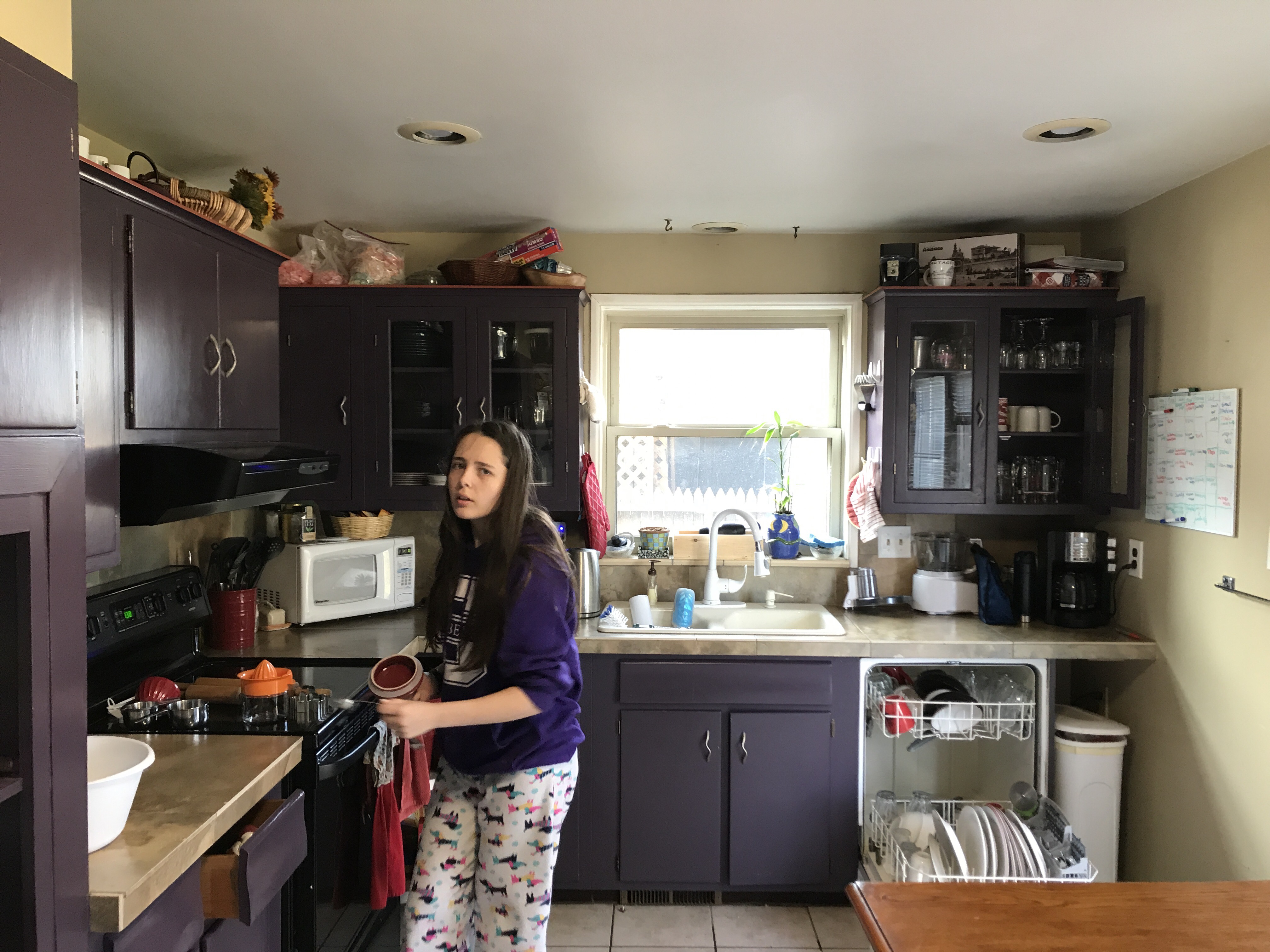
oldest’s recipe:
take over pie production
to win iPhone back
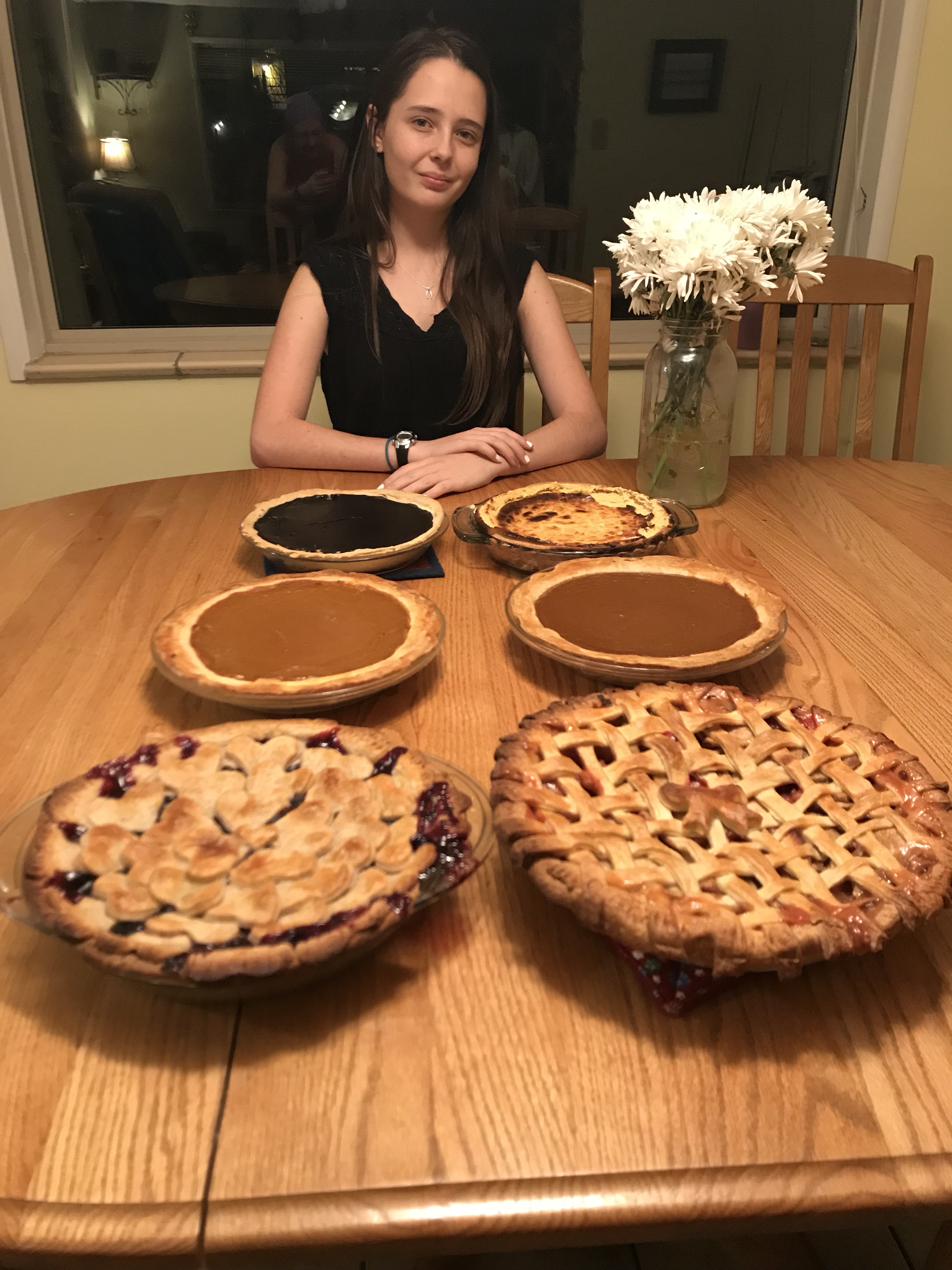
battle of species:
pumpkin window mockery
from squirrel to cat

my oldest’s sweet moves
(her grace is a mystery)
beautiful to watch
that’s my crazy girl
still naive about the world
(saves only her grins)
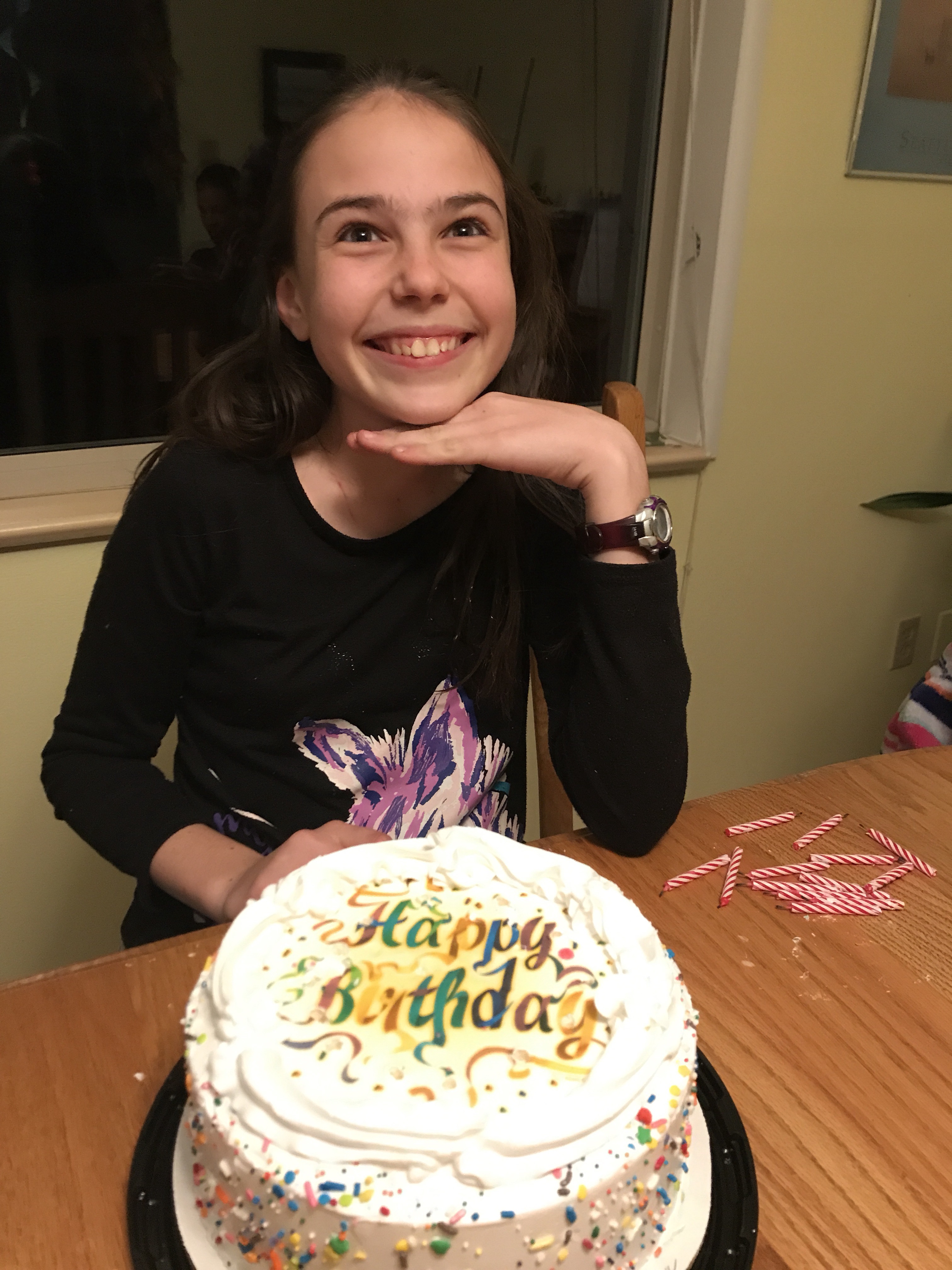
It’s been just over a year since the Floodletting, and my middle daughter turns thirteen today. Her entry to adolescence is marred by the heavy weight we carry with each moment under Trump’s shadow. Not twenty-four hours have passed without a childish or threatening tweet, a hate crime, a mass shooting, a defense of pedophilia, a racist uprising, a tax cut proposal for the wealthy, a climate change denial, a threat to national security, a plan to strip our healthcare, an attack on the media, or some other society-questioning event.
The stress dragon breathes fire into each sunrise–the pink clouds chalking the sky, the mundane pale blue balking its yellow glow, the bitter cold gray stalking our sun. No sunrise is safe. Yes, Obama, you told us last year, “The sun will still rise tomorrow.” And it has, it has. Only, when will it rise up and away from the dragon’s fiery clutch?
My daughter turns thirteen today, and her birth, marked by Bush’s reelection, is now celebrated in the shadow of bigotry, misogyny, and fear. How many more women are going to be brave enough today to step out and let the world know that it is NOT OKAY to grab them/cat-call them/rape them? How many times will my daughter encounter sexual advances, fear she won’t get a promotion, fear her walk home late at night, fear she will be raped, between now and the next thirteen years?
How many times will the sun still rise with this dragon riding upon our backs?
How many times do we have to beg the world to forgive us of our sins against humanity?
How many times do I have to write the same things with different words before someone realizes that if we could just treat each other more humanely, the sun would rise on a different world?
It’s been just over a year, and no sunrise is safe. No twenty-four-hour period brings more than a few ounces of hope.
And yet, in our government, there is hope. Our Congress and federal courts, listening to the citizens, often beg to differ from Trump’s frightening plans: They block Muslim travel bans; they deny healthcare overhauls; they keep us in NATO; they continue CHIP for low-income children’s healthcare; they assist veterans; they allow transgender service people to remain in the military.
In my house, there is hope. Mythili continues to excel in her second year of middle school, Izzy has adapted to high school like a pro, and Riona has begun her expeditionary learning adventure with a fall trip to Yellowstone to study wolves. We’ve opened our house to friends in need of a roof, and in turn our girls have indulged in an extra set of friends to liven their lives, to bring laughter and games and joy, while we have benefitted from another set of ears to share our stories, an extra set of hands to cook our meals, an extra set of parents to guide our children’s view of the world.
In my school, there is hope. Amidst disappointing ratings and scores, a frightening (and legitimate) school lockdown, administrative leave, sexual harassment, rumors of embezzlement, and the ever-looming threat of our school being restructured, we have come together. We offer shoulders to cry on. Plans to improve test scores implemented through a deep look into what we have to work with and what we can do to improve. Support for struggling students with restorative approaches. New plans to keep our students safe. Teacher threads between teacher leaders and admin that connect to what we’re trying to do each and every day inside our classrooms. National media attention for what we do for refugee students (and even a book).
Mythili turns thirteen today. She has made it thus far without misogyny or pedophilia entering her life, and I can only hope that the next thirteen years of sunrises will keep her from the stress dragon as we have tried so hard to protect her from within the walls of our home.
Because my ever-simple, ever-practical Mythili asked for only one thing for her birthday: a sketchbook. So she could draw pictures of a brighter world, of simple Anime girls whose eyes haven’t been tainted by chalking, balking, stalking sunrises.
Because I have to believe that our government will continue to protect children like her, women like her, people like her, instead of believing that no sunrise is safe.
Because in two years, I have faith that Mythili will step into my school, my comprehensive, non-restructured, urbanely beautiful school, as a freshman, and take her first steps under those stone-carved, pink-chalking sun-risen arches with the hope she still has in her heart on her thirteenth birthday.
Because it’s been just over a year, and the sun still rises over each ounce of hope, trying to break away from the fiery breath of Trump’s dragon. Trying to let the floodwaters loose once again so that we can stop feeling like no sunrise is safe.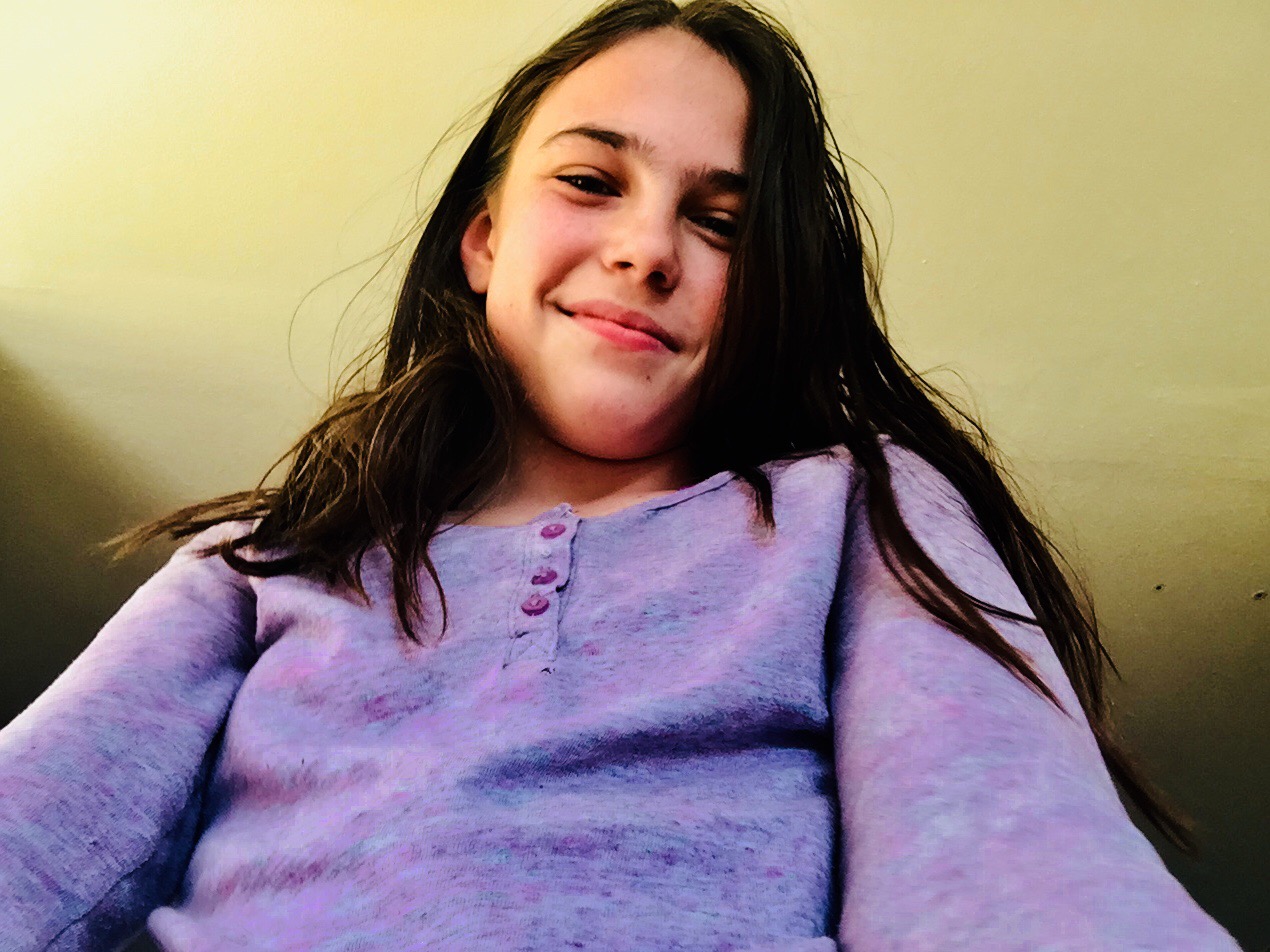



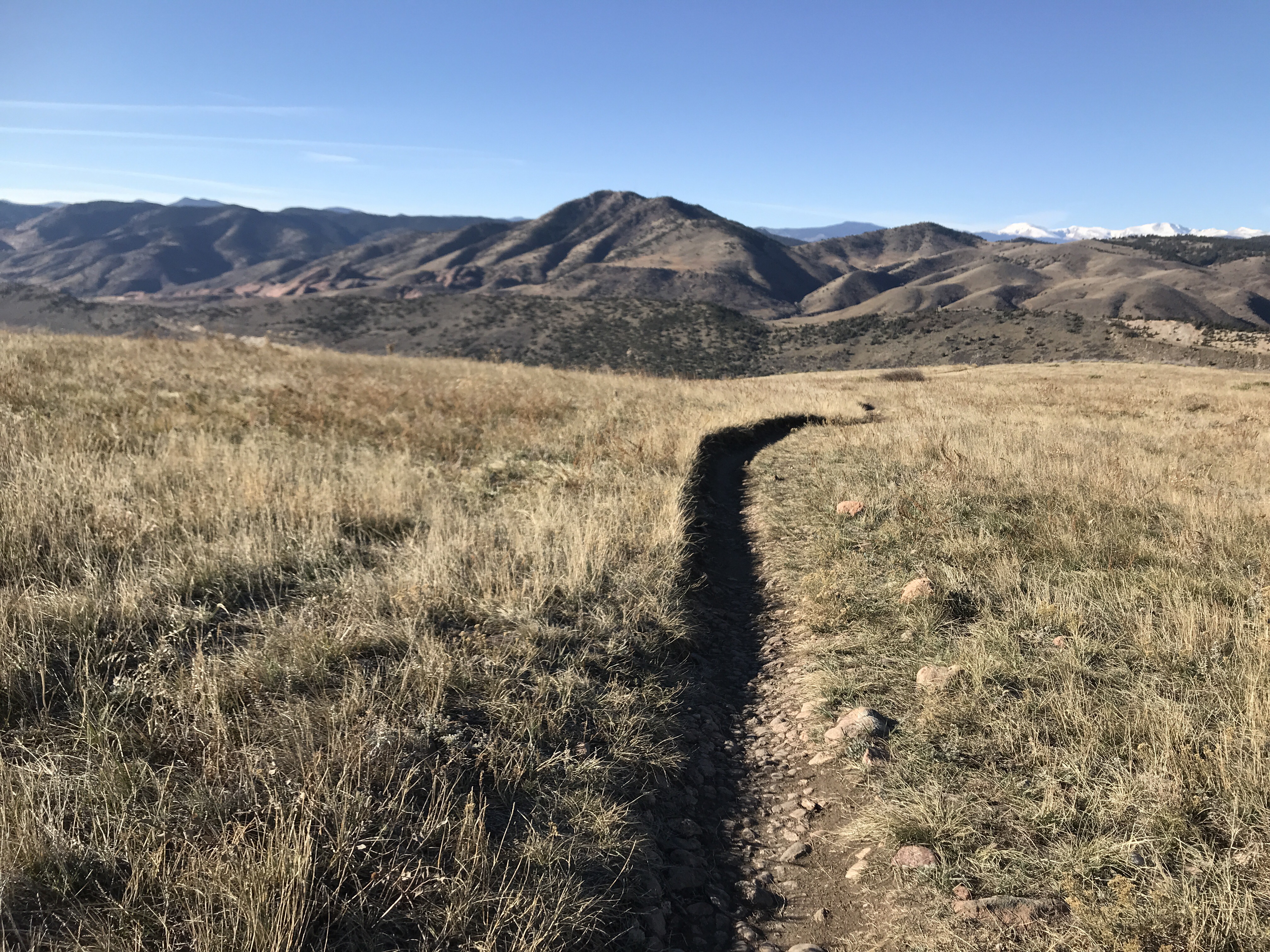
my solo pathway
leads to a heat-rushed peak view
amidst barren land
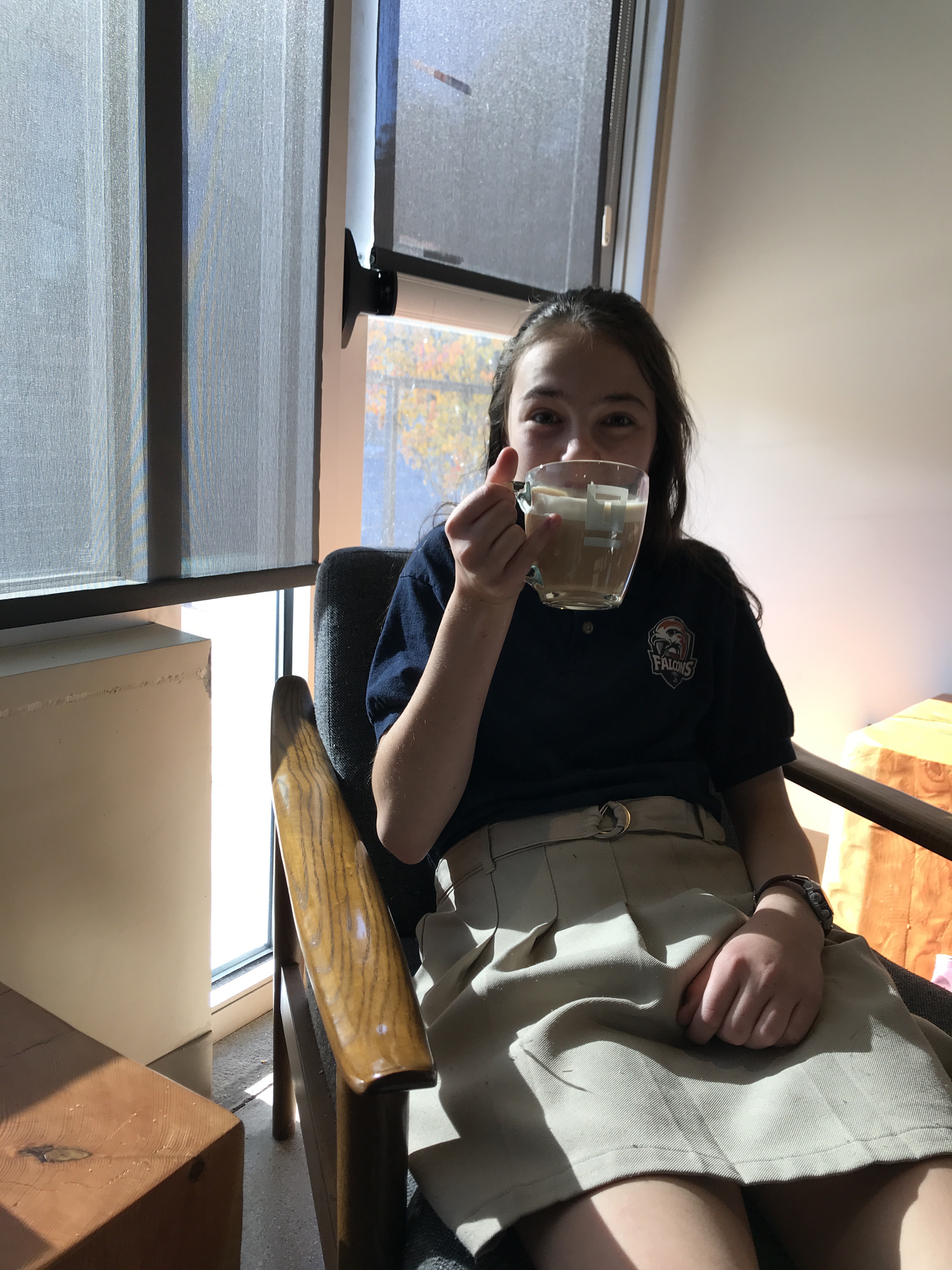
she could be happy
or despise me forever
(guess i ask too much)
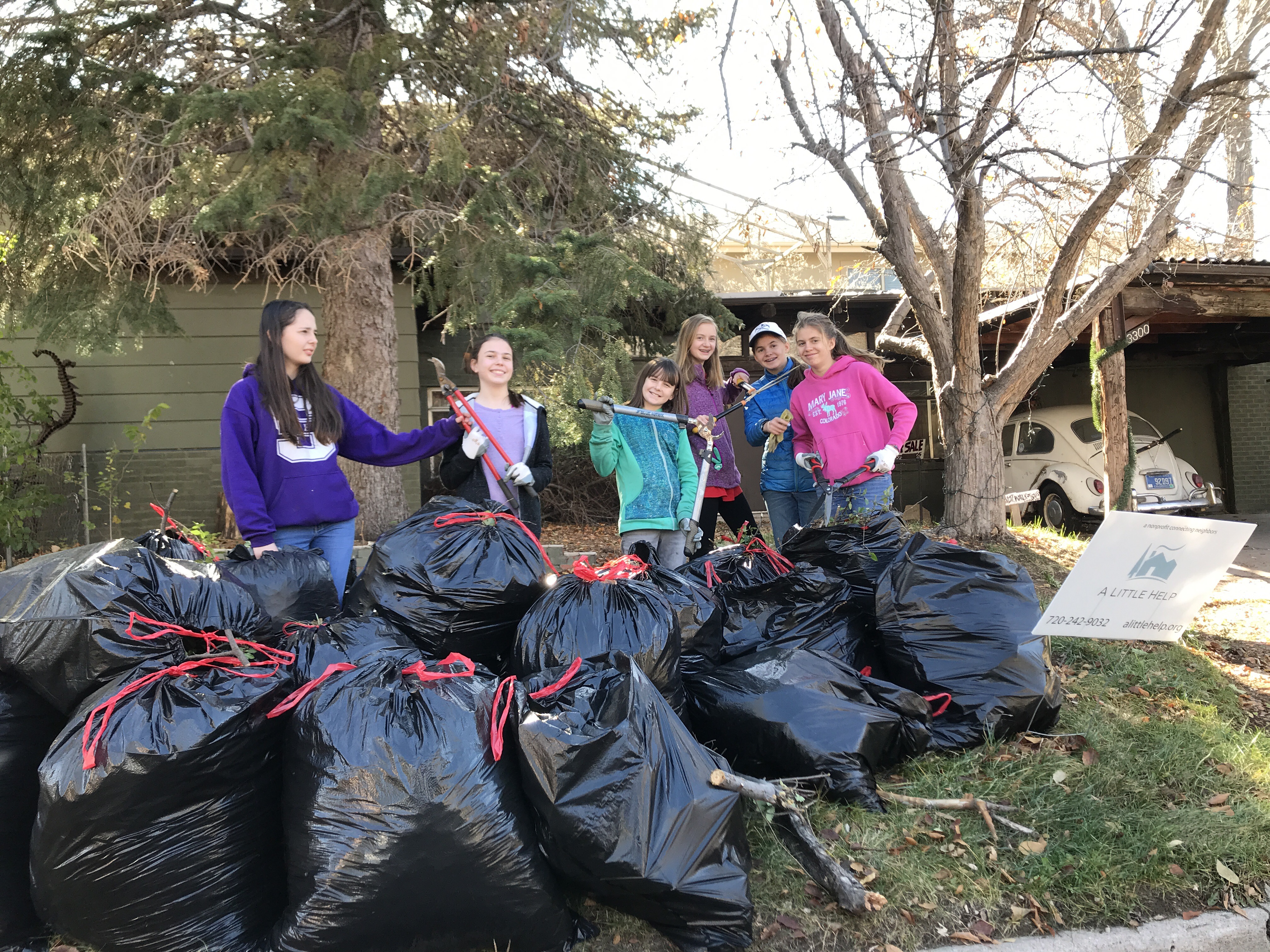
Friday has arrived
and sometimes we need to sing
to let loose this life