Coronatine, Day Twenty-one

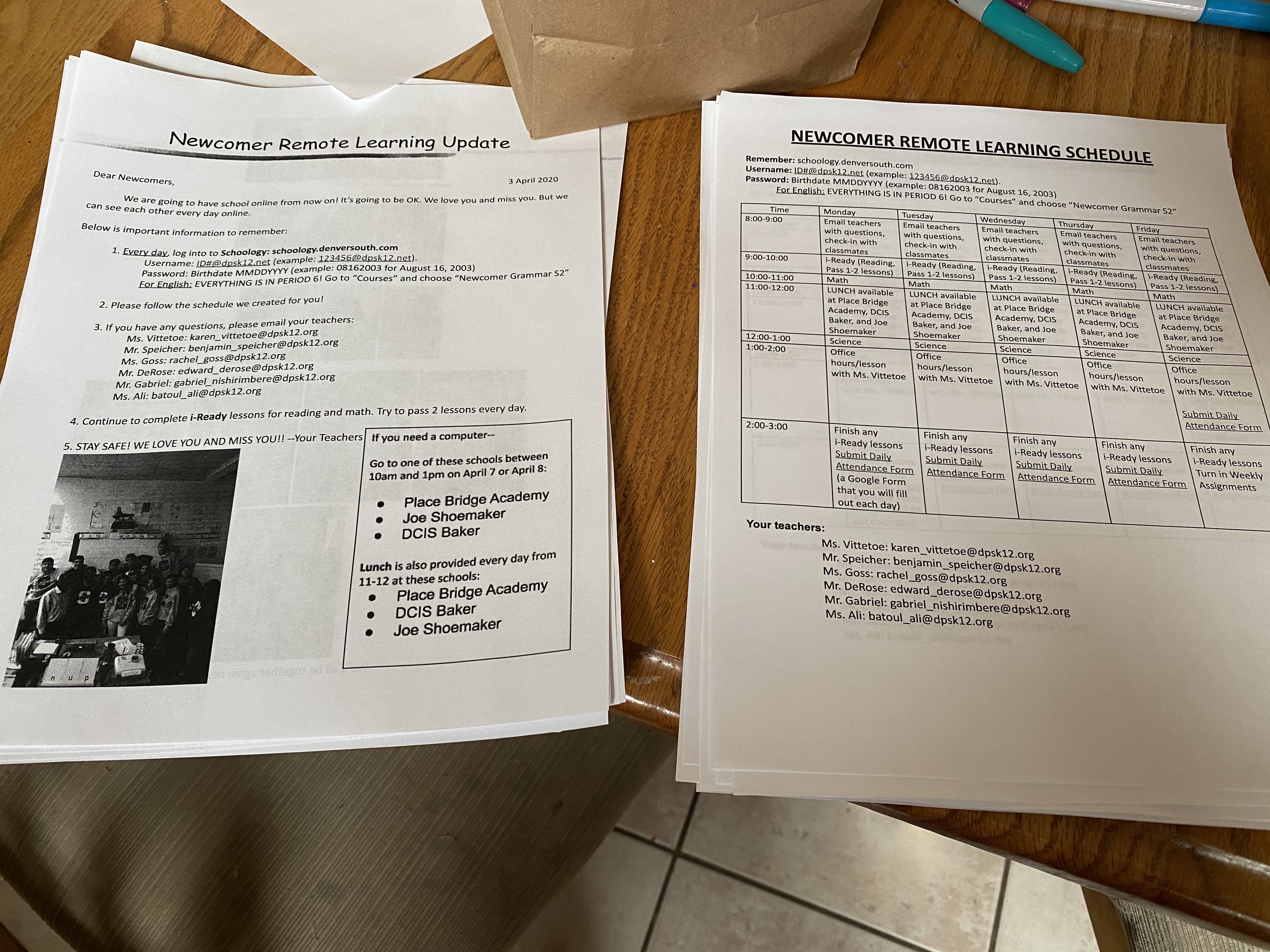
The email comes through in the midst of an online staff meeting, and a couple of teachers immediately burst into tears and soon have to log off.

That is the world we live in right now. Every bit of news is a bit of sadness, tears waiting just behind the corners of our eyes, ready for action.

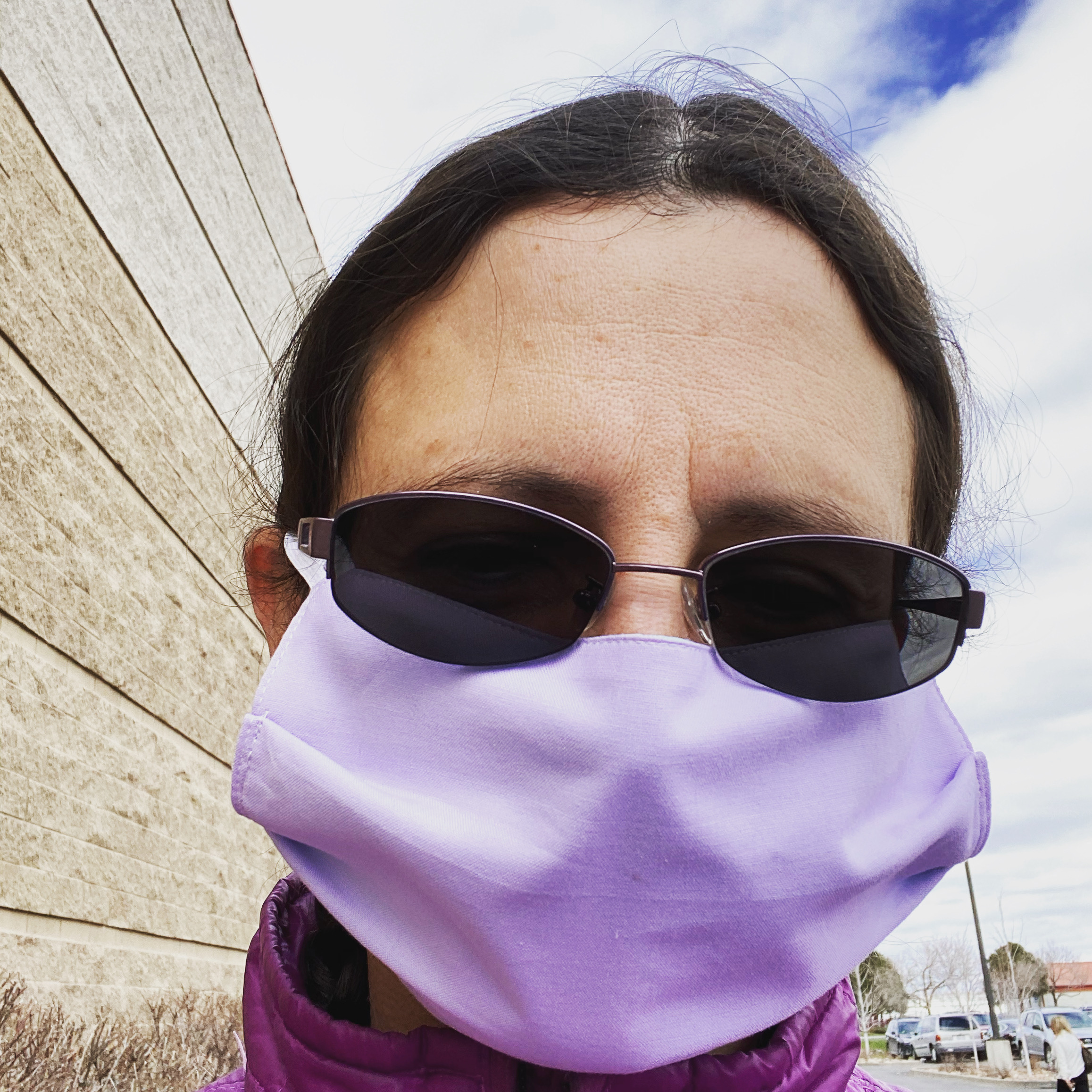
I cannot cry in front of people and refuse to even fully place myself in the video meeting, posting a picture instead. Because I am always ready for action, and I have a list for this day: Home Depot to buy wood and sand, the garden center for my seed potatoes, two grocery stores to spend another huge percentage of our salaries to stock up on food before Bruce’s money is no more.

And while I am at the store, I stock up on all the things my Newcomers certainly don’t have: lollipops, candy bars, chips, pens, pencils, tootsie rolls, card stock, and colored paper.

In less than a year, they moved, with or without their families, across the world. They barely speak English. They barely know anyone. We’ve barely begun making progress towards everything from basic phonics to common expressions such as, “How do you get around your city?”

And the email has officially announced that I will not see their faces in my classroom for the remainder of the school year.

I have been teaching for seventeen years, primarily English to immigrants, but I have never taught truly new immigrants, and it has changed me. It has opened my eyes to the injustices of the world, to the beauty of the world, in a way that no other class ever has.

Everything about online learning will be difficult: those students who left their Chromebooks at home. Those who have to care for little ones. Those who are working. Almost all of whose parents are working and potentially tracking in this virus every day.

Being isolated in a small apartment without any exposure to our culture that they sacrificed everything to be a part of for… who knows how long?

None of this–going to the grocery store without a mask and gloves,  going to teach those beautiful faces, going to travel the world like I’ve always traveled the world–will ever be the same.

None of us–the immigrants who still have hope for their futures, for their families, the teachers who are trying to figure out how to teach piano and ceramics to kids who don’t have pianos or clay, the essential workers who wish they could stay home and can’t, the healthcare workers who are making their wills–will ever be the same.

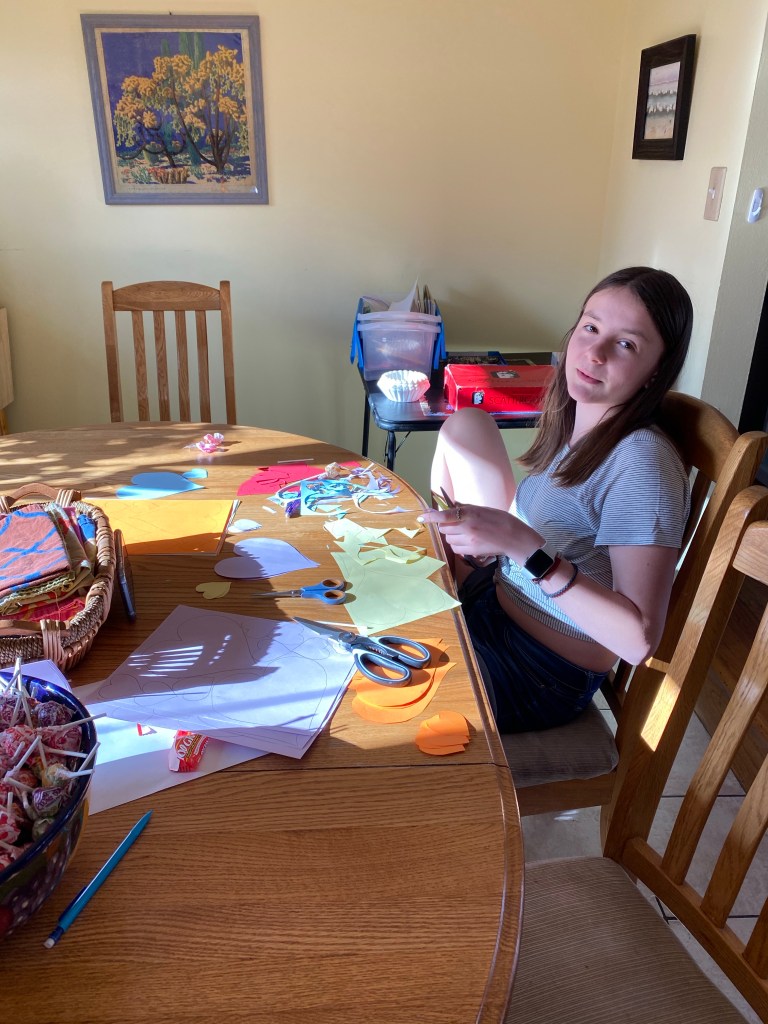
So this is all I can do, tears present now. Ask my girls to help fill bags. Type up letters and schedules to print in case my students haven’t checked the online updates. Put in colored paper and card stock so that they can make hearts and cards for all that they love and all that they hope for.

And hope that we all make it to the other side of what the world has become.

Coronatine, Day Eighteen

should i skip a day?

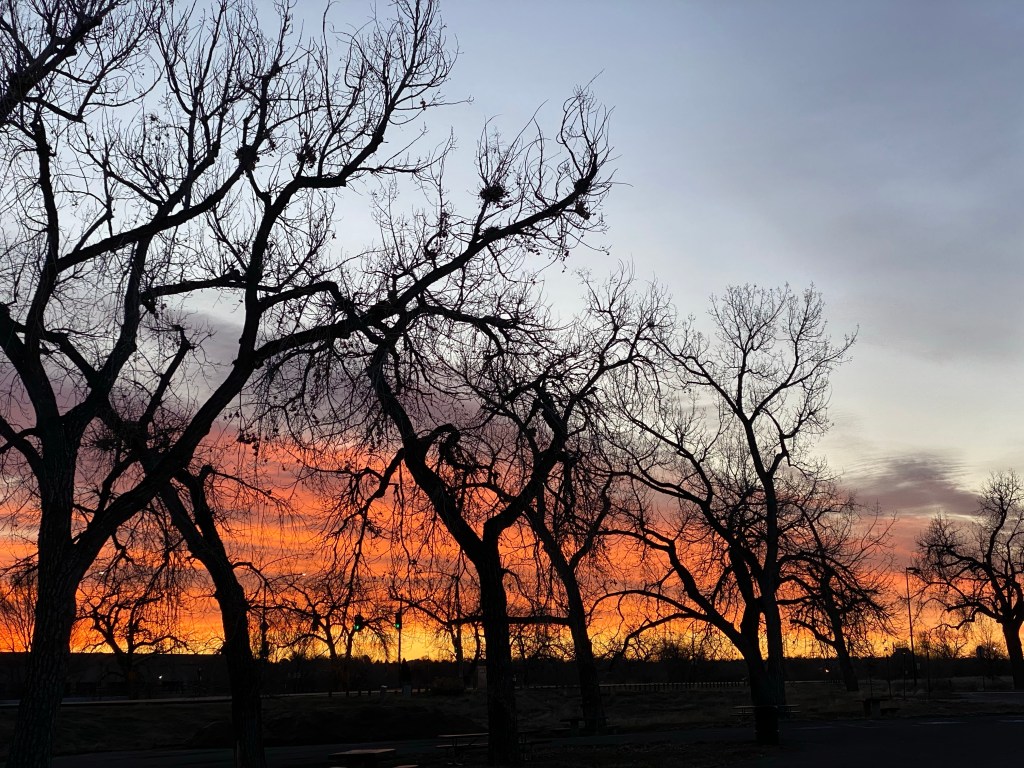
is the sunrise worth noting?

will it save us all?

bare naked branches

waiting for a better spring

and a lifted tail

Colorado blue

that everyone came here for

ready to break you

(could you be grateful?

could you ride/walk/talk it out?)

Could that save him? No.

so I’m bitter. Yes.

afraid, bitter, hopeful. spent.

like a sunrise. Lost.

Coronatine, Day Seventeen

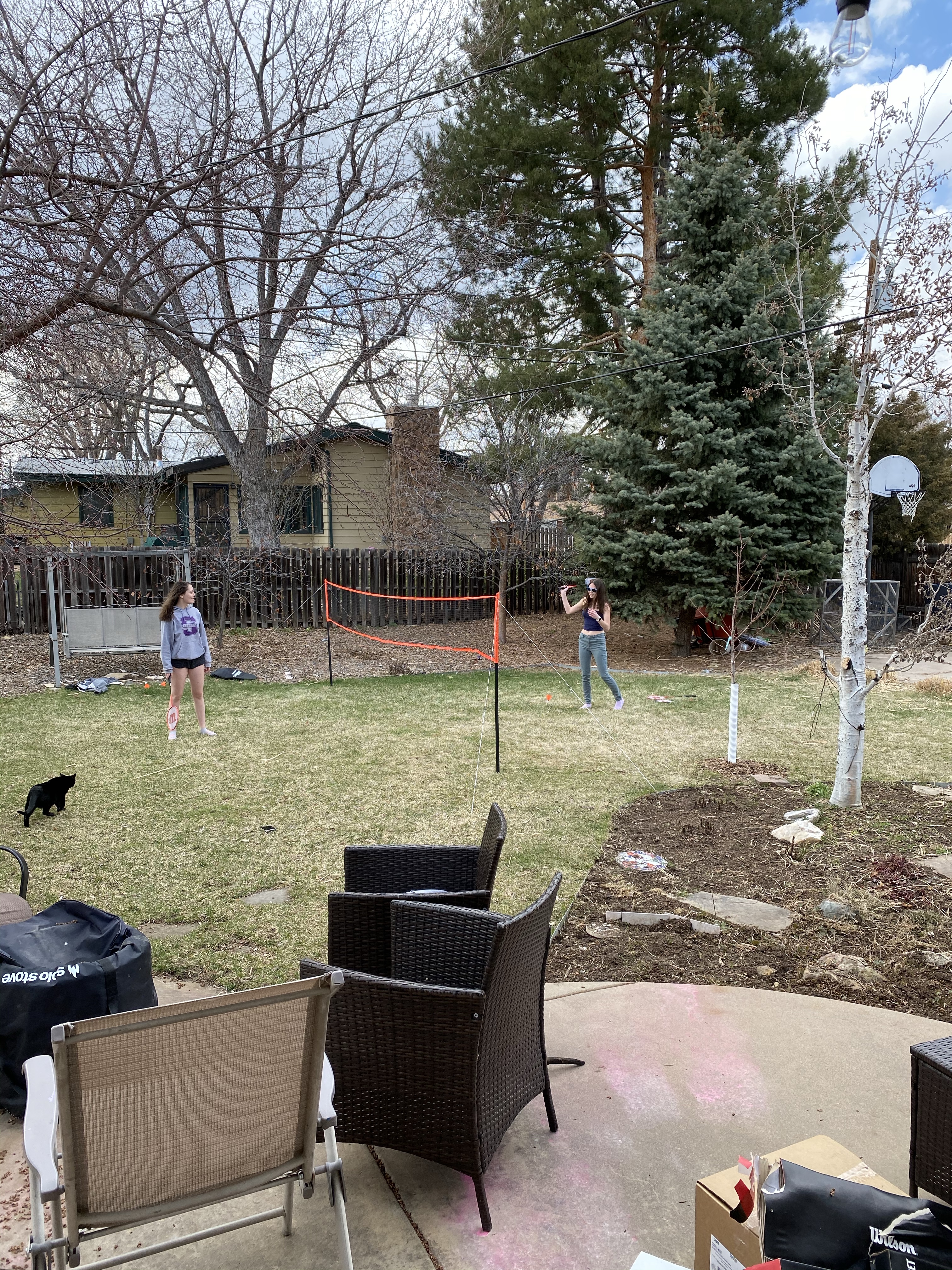
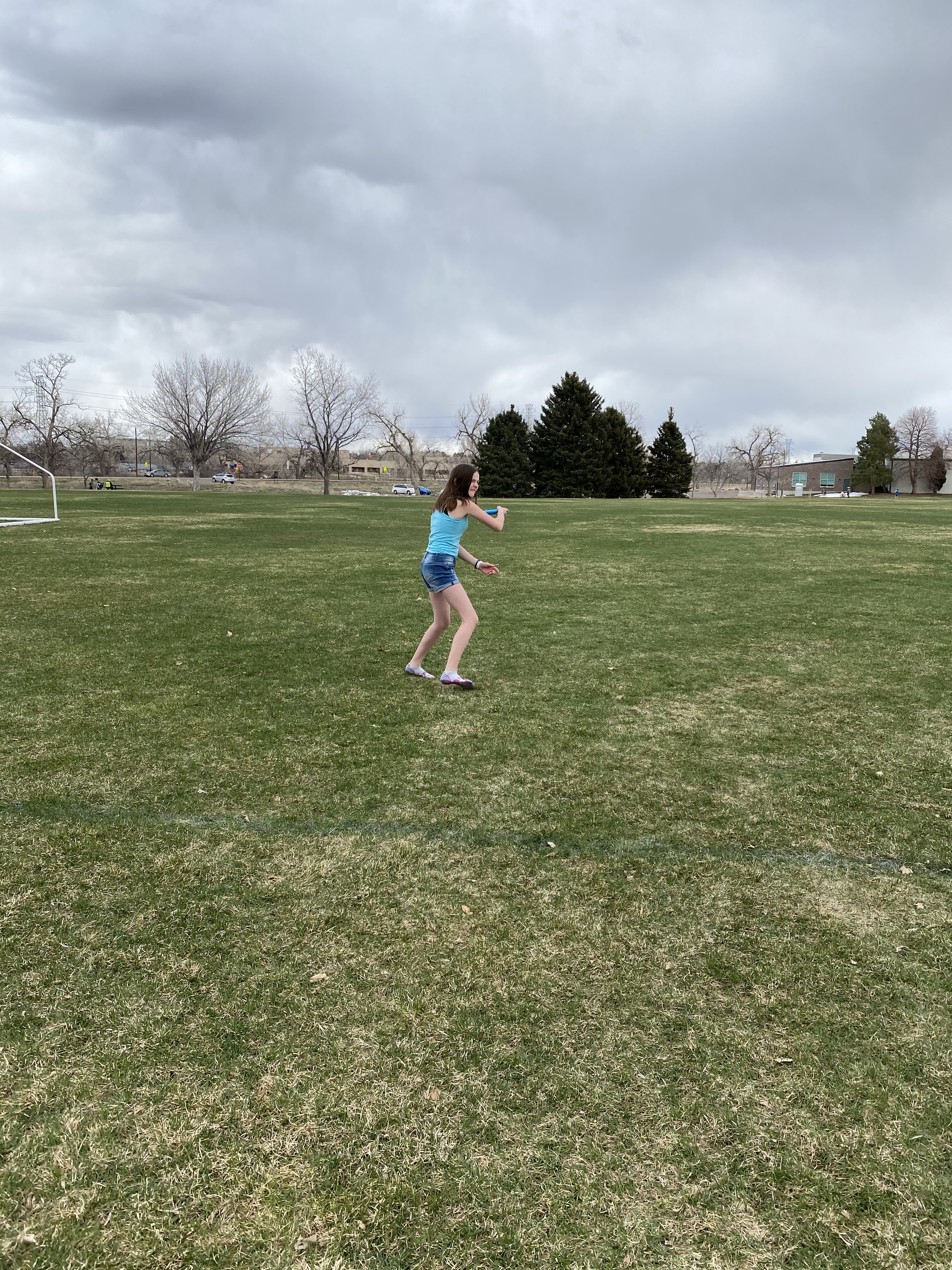
badminton trials

building weights with drills and logs

and making meringues

not a perfect day

(no day lived in fear can be)

but we’re sure trying

Coronatine, Day Fourteen

My elderly uncle with the ‘No Solicitors’ sign on his door happily steps right out onto the covered porch to collect the three Costco-oversized boxes of tissues that I have brought to him.

“Are you going to come in?” he asks as I creep backward, down the three concrete steps.

“You better wash your hands now that you’ve touched those boxes,” I immediately reply. “I could have it, and it lives on cardboard for 24 hours.”

He brushes me off and acts, quite nonchalantly, as if he’s been expecting me. “Thanks, I was waiting for something like this. I use five or six tissues every time I have to clean my catheter.”

What a lucky find, I think. “Well, Floyd, you’re the master of social distancing. How have you handled the Coronavirus?”

It’s true. He’s been reclusive, the middle child and only boy wrenched between six sisters, for his entire adult life. He lives in the same house he bought as a young man, the 1950s Mayfair ranch decorated exactly the same as the original owner, and “Why should I change what’s already there?” He worked as a TV repairman for as long as there were TVs to repair, and happily retired twenty years ago to a lifestyle of only visiting the grocery store and denying most social invitations from his six sisters.

But now there are no tissues in his grocery store. No toilet paper. No frozen vegetables. No eggs. No sense of security for the five square miles he drives within any given week.

He talks my ear off in the fifteen minutes I stand in his front yard, keeping my six feet of social distancing requirement.

This isn’t like yesterday when I drove to all corners of the city to deliver my students their much-needed headsets, folders, notebooks, and supplies, when their parents seemed grateful for my latex gloves and, more importantly, my brevity. “Check Schoology!” I found myself shouting too many times, “It has everything you’ll need for your life right there!”

This is Coronatine, Day Thirteen: my elderly uncle, my not-so-elderly parents (who also need tissues), who I can only stand on the porch with, and not really visit.

“You’re really not going to come inside?” they inquire, and I mention Italy. We’ve all heard about Italy. My father’s mother was from Italy, still has living relatives there. “Over sixty, Dad,” is all I really have to say (my parents are 66).

And how did I manage in the Costco line today? The rain hadn’t started yet, nor the snow. It was cold, and I had my latex gloves on, plus my ski mask (I didn’t think far enough in advance to buy medical masks, so when I put it on in the parking lot, Fabian said he’d prefer to wait in the car. I didn’t care. I’m not fucking with this shit). I waited a good thirty minutes to socially distance myself, six feet back from the guy in front of me, to get in the store.

And they still didn’t have toilet paper.

This was after we visited the Mexican Envios, always open, line out the door, everyone ready to send money home to their poorer-than-any-of-us-here families back home. My boy was in and out in fifteen minutes, but his poverty-stricken father had to wait in line for three hours to get that money we sent him because this was the first day out of seven that the banks were open, and the seventh day out of infinity that he is unable to work and support those two baby girls.

Never mind that he lives in the most dangerous city on Earth with a corrupt government and police on every corner making sure you don’t go where you’re not supposed to.

Never mind that he doesn’t even have a mortgage because his house is a shack on his boss’s property constructed entirely of corrugated sheets of metal.

Never mind that however bad you think this is for us, standing in the cold in the Costco line, cleaning your catheter with the last bits of tissue, wishing you could hug your parents…

We still live here. Where capitalism, evil as it may be, allows me to trump the system and send an extra hundred dollars home to Honduras because, God, why the fuck not?

This is Coronatine, Day Thirteen: six boxes of tissues delivered. Check. Three hundred dollars sent to Honduras to buy food. Check. Wondering who has it among us, and which ones will die. Check.

What else is there to say?

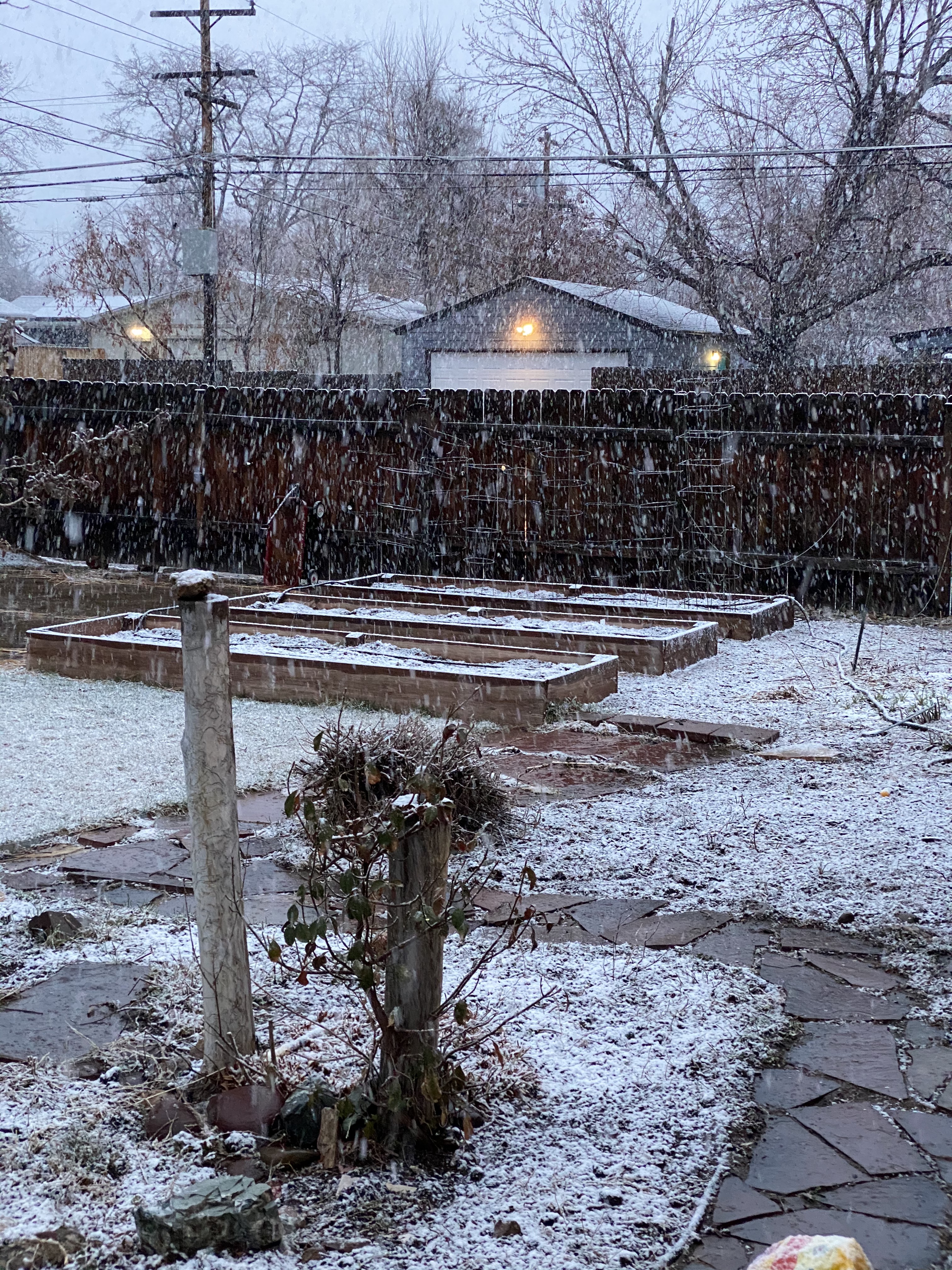
I planted spinach just in time for the snow to water it. Please let it grow. Please, God, let it grow.


Coronatine, Day Twelve

let me rephrase this:

my students are scared to death

their families could die

they don’t need English

they don’t need online teaching

they need love from us

i wish they could see

the beauty of this sunset

and find hope in it

but like these cracked streets

they’ve lived nothing but cracked lives

(and now they’re trapped here)

here! land of the free!

opportunities waiting

for someone (not them)

yes, i’m a cynic

cause i know without faces

relationships die

Coronatine sucks

the life from all we’ve worked for

and how will it end?

Coronatine, Day Ten

here are my children

throwing frisbees in the park

(they’ve never done this)

quarantine, day nine:

presidential rampages,

orders to stay home

just look at my son:

showing pup what he can do

with our family

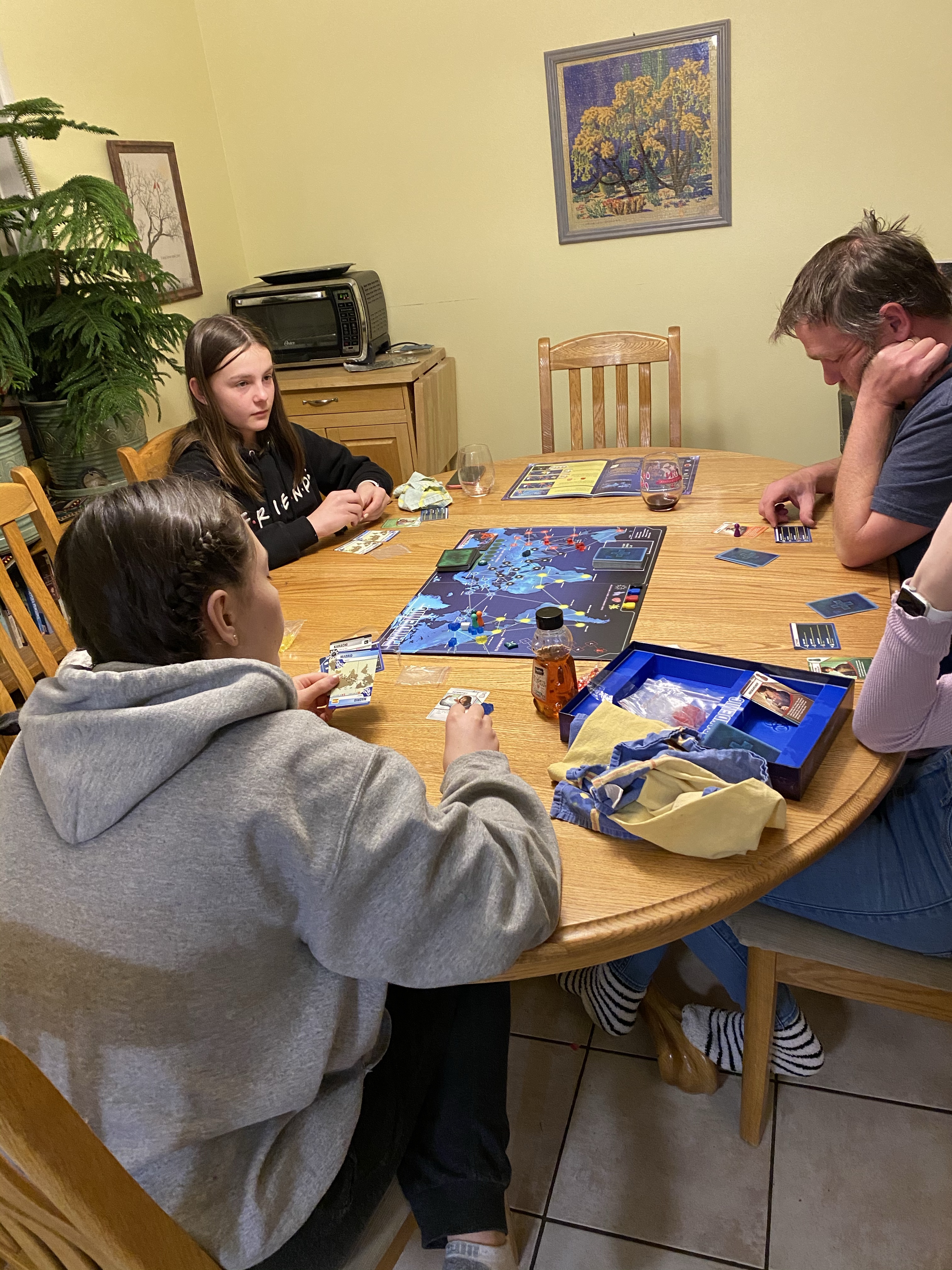
card and board games win

(break news cycle doom and gloom)

We WILL get through this.

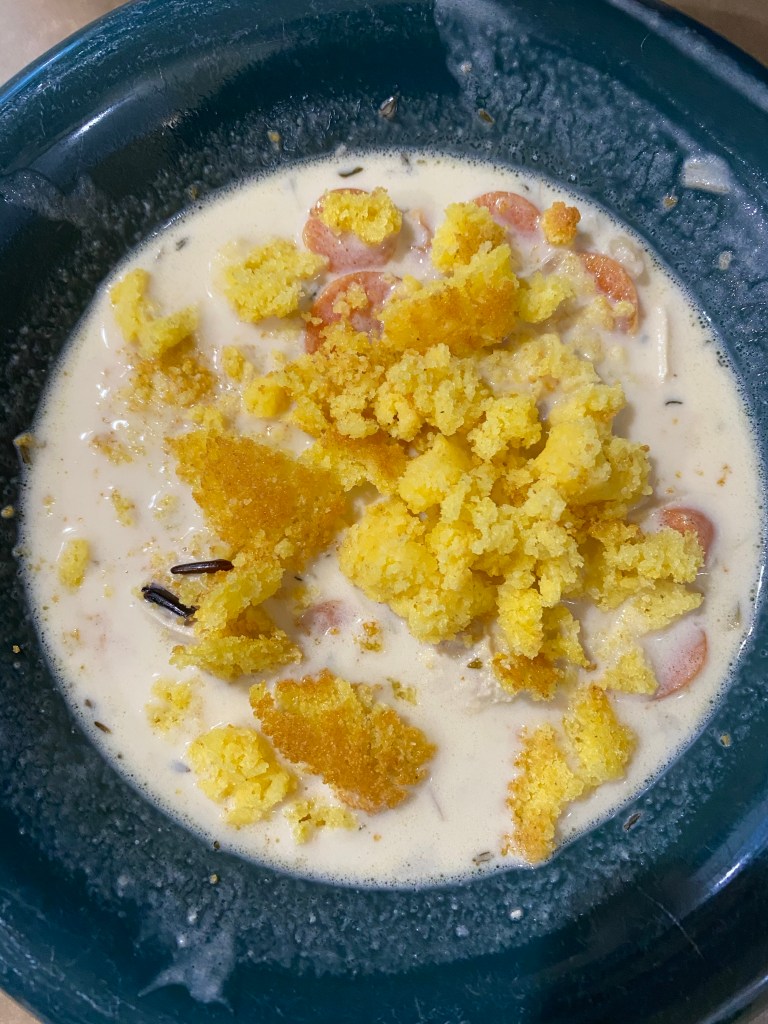
Coronatine, Day Eight (Make Soup)

no snowy sunrise

or Minnesota rice stew

can save our planet

but even at night

the world sparkles just so

and we can wish well

Social Distancing. Day Three.

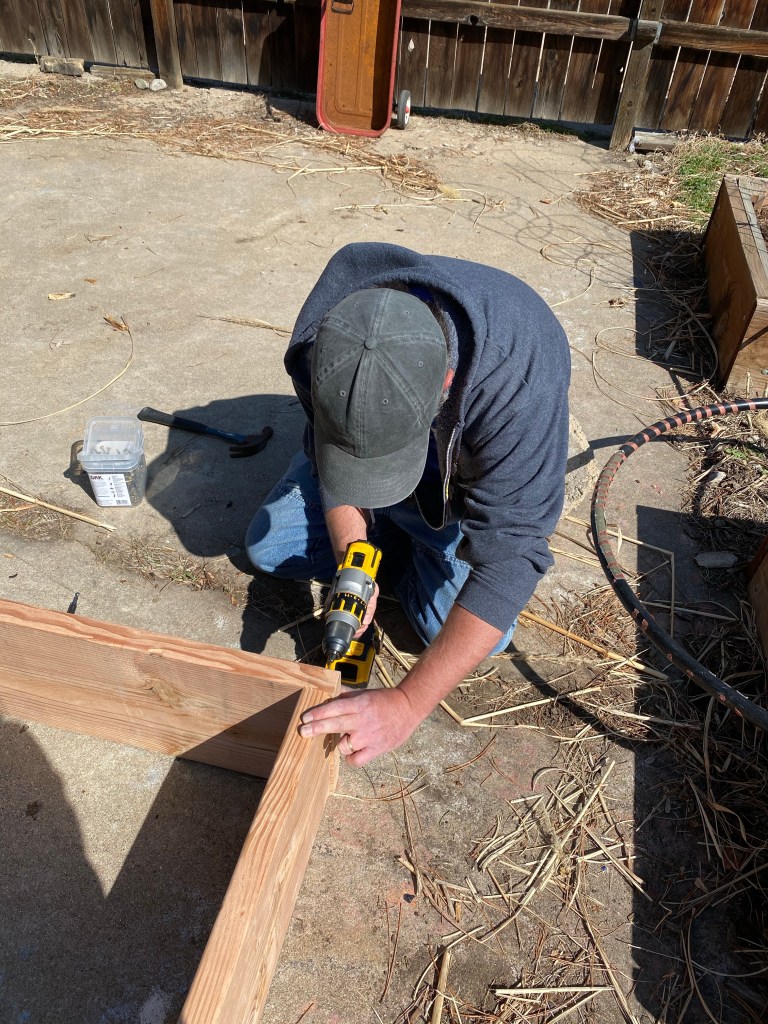
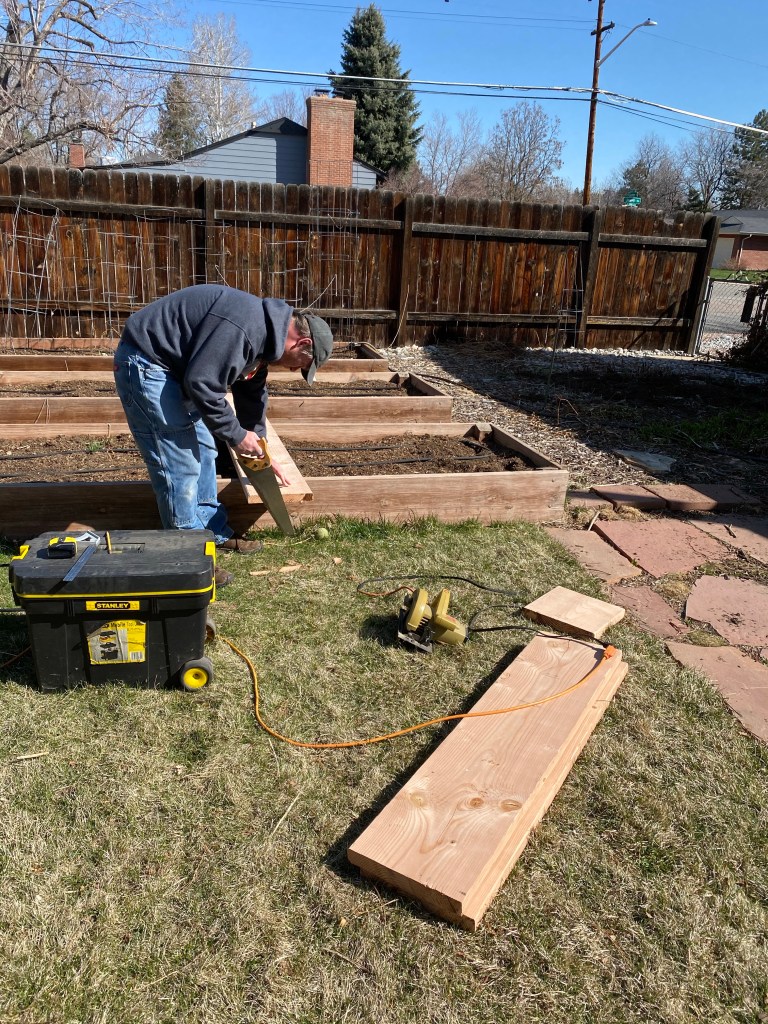
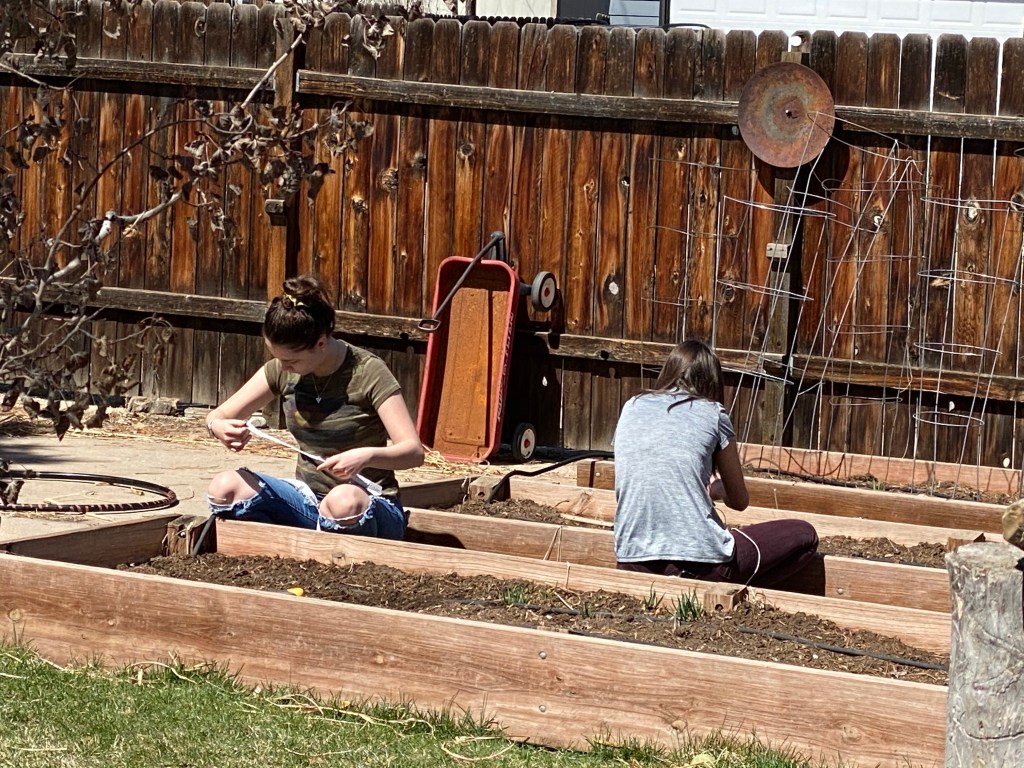
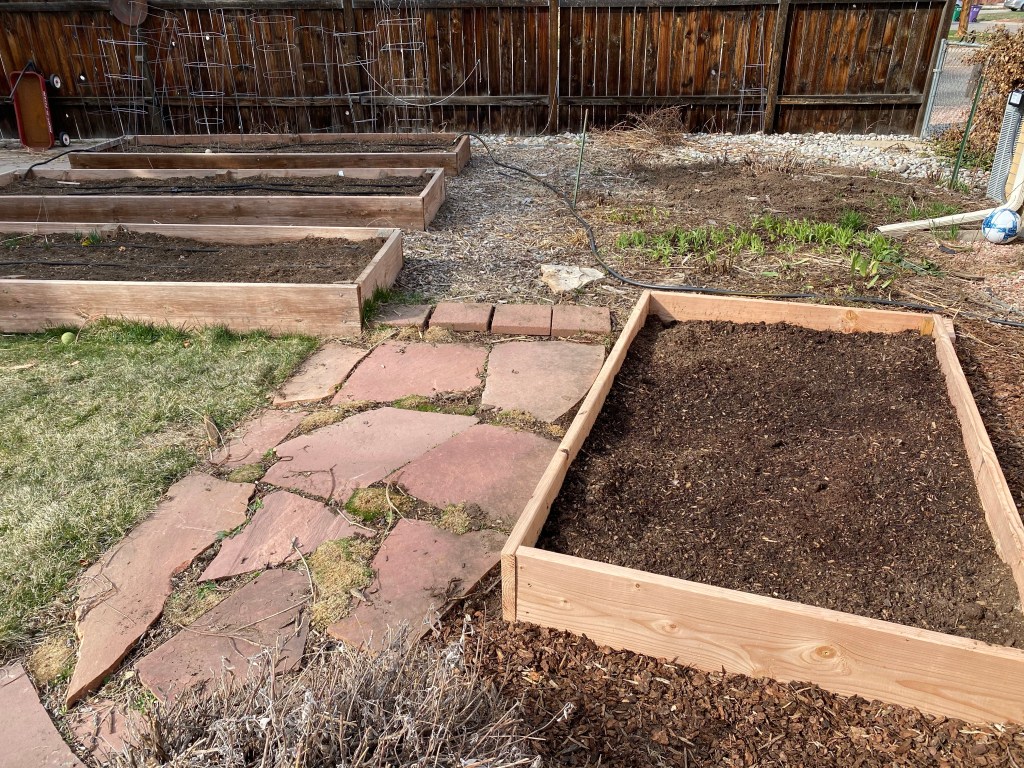
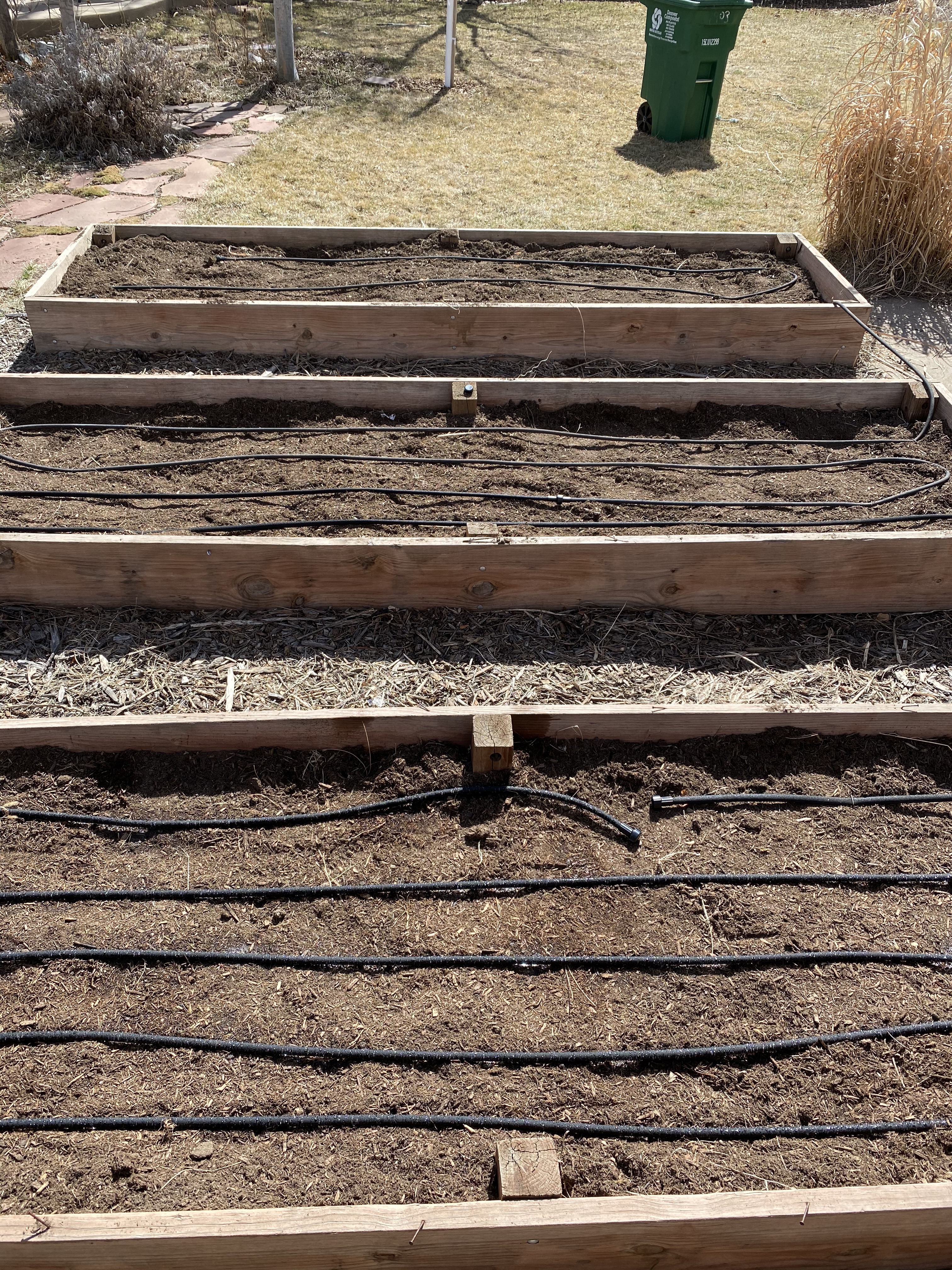
Building the garden and cleaning up the yard. Such simple goals for three weeks off, no travel, no Starbucks, no restaurants.

Staying home with four teenagers who want to do nothing other than mope and defy. “Why can’t we see our friends? Why can’t we get a Frappucino? Why can’t there be school? Why was my musical canceled? Why do I have to spend time with my family?”

And so the doors shut. The chores get left unattended. The no-phone-for-twenty-four-hours rule gets enforced for three out of four children, spiraling me further into the “I HATE you” zone.

Building the garden and cleaning up the yard, I tell myself.

It is a sunny day, as always, and I begin to rake out last year’s overtaking of sunflower plants, the dried grasses, the remnants of onions, to load them into the compost bin.
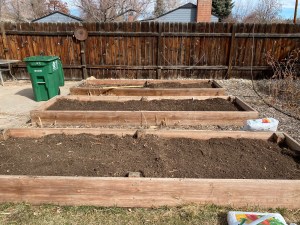
I rake the soil to see how soft it remains after seven months of resting under snowfall and sun, freezing temps, whispers of fog, violent gusts of wind. It is supple, loose enough to filter through the tongs of the metal rake, to easily sift through with seeds.

I listen to my audiobook as I rake, listen until it’s done. Each child comes to the door to see what I’m doing, but none of them will agree to help (gardening is not on their chore list).

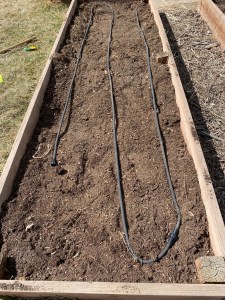
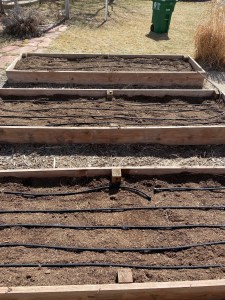
I begin to lay out the soaker hose, a necessity in this dry state, and realize it’s broken in too many places to fully function.

And here is where coronavirus has followed me, on a day when I, too, decided to put down the phone, the endless scrolling, research, reading every article ever written about this disease, the daily cases, the daily death tolls, reading the ever-present news that details how our country is nowhere near able to handle this pandemic.

I cannot continue my garden, my laying out of black snake-like coils, without going to the store. How dare I go to the store for such a non-essential thing as a soaker hose, exposing myself and everyone there (because who knows which of us has it)?

But I have three weeks, at the very minimum, in this house, in this empty, bitter house, and if I don’t plant this spinach today, it will be too late.

And so I risk it. I pack dishwashing gloves and put them on in the parking lot. I am careful about what I touch. About staying six feet away from everyone. I overhear dark conversations. “Why are you here today?” “Well I sure as hell ain’t workin’. The government shut down everything, all the restaurants.” “Did you see my application?” “Yes, but we just can’t be hiring people right now. This coronavirus is taking everything down. Normally I’d be hiring ten people.” “Do you have any bleach?” “We haven’t had bleach for days.”

I take the gloves off before touching my car door and soak them in bleach when I get home. And I take my new hoses and configure them four times before they’re perfect, before I feel confident that they are coiled in a way to keep my garden going all summer.
I look at my two spinach and one radish seed packets. They are so light in my hands, so inadequate, and remorse floods my mouth like vomit. “Plant your spinach every ten days throughout early spring in order to have a continuous crop,” the packet instructions inform me.

Any other year, this wouldn’t matter. But now all the shelves of every frozen vegetable in every grocery store are completely empty, and I am. SCARED. Soon it will be fresh vegetables gone. Soon it will be milk. Soon it will be us.

And I only have two packets, and spinach can’t sustain us.

I decide to use just one, setting an alarm on my phone for ten days later so that at least we’ll have two weeks of “a continuous crop.”

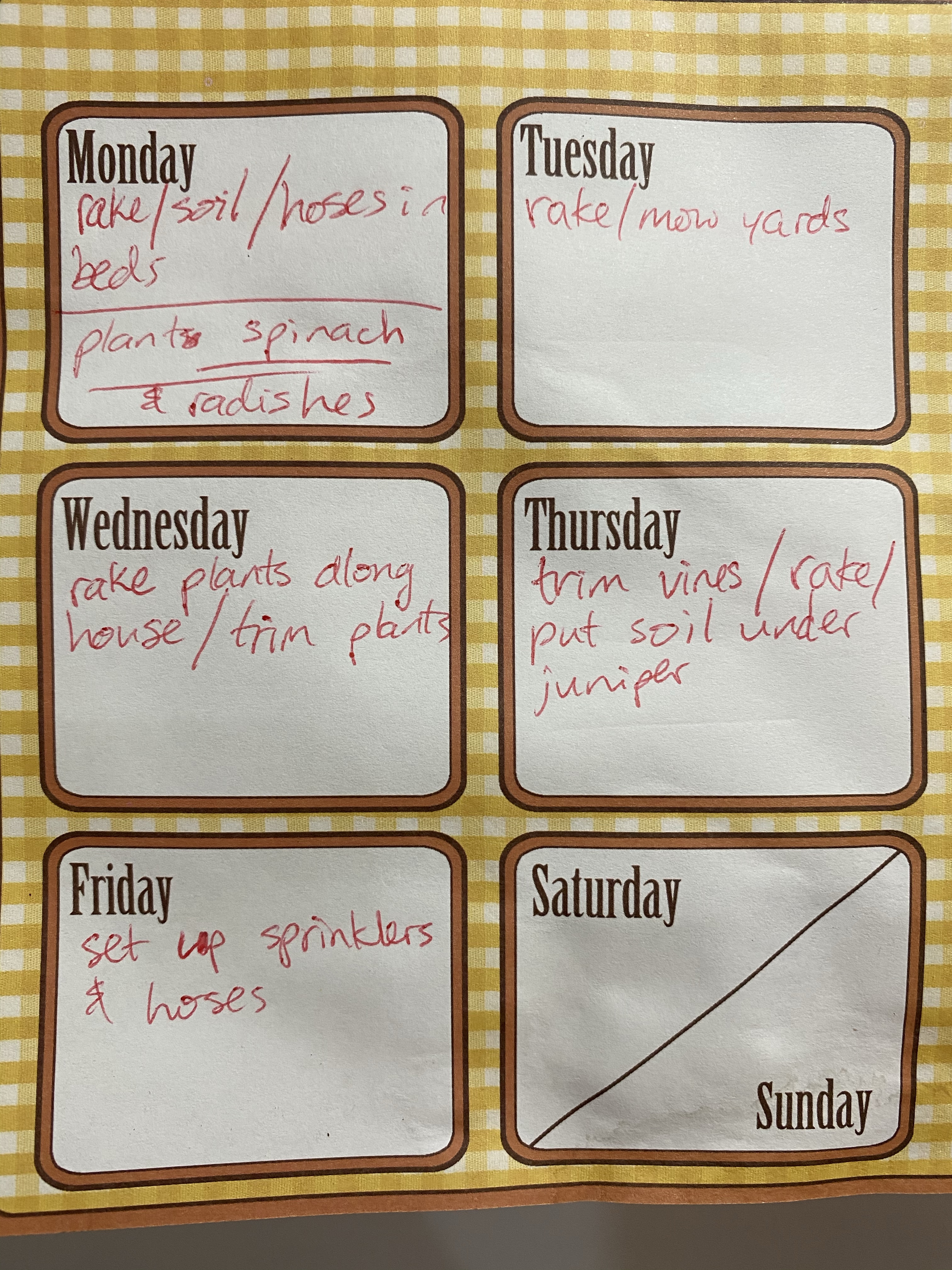
Building the garden and cleaning up the yard. Every year I do this, bit by bit, in between working and skiing, throughout the spring. Now I have three weeks, three glorious weeks, to distribute this massive undertaking each day. I even made a list this morning of which tasks to do each day: mowing the lawn, cutting back old plants, spreading mulch, trimming trees, picking up dog shit.

Now I have three weeks, three sleepless weeks, to discover what will prevent me from continuing. To argue with my teens and husband about stranger danger (friend danger just doesn’t sound as good). To sift through social media and see all the creative suggestions people have for what they can do with their kids, everything from learning about new topics through books and documentaries to vast art and Lego projects, and I can’t even build my garden, get through day three, without having a panic attack about visiting a store, without feeling like every moment of every day for however long this lasts, I will fail them.

My fifteen-year-old refused to play Monopoly last night, refuses to go to the dog park today. The dog park! The chillest, friendliest hike known to legs. “I don’t want to spend any time with any of you!”

“Even if it means losing your phone for another day?”

“I am NOT going. I don’t want to be near anyone.”

“Spend time enjoying your families,” my principal writes in an email. “Get to know each other on a deeper level.”

And I wanted this post to be about the beauty of my garden. About how it represents renewal, rebirth, about how, in six weeks, I’ll fill my bowl with spinach, and maybe this will all be over?

But it won’t be over because my husband had already been laid off before this even happened, and what now? What are we supposed to do now?

We are supposed to make a list of what yardwork we can accomplish while trapped at home.
To be proud that said-fifteen-year-old finally finished the leaf pile of this forsaken puzzle three months and three quarantined days after we started.

To snap pictures of this my-kids-are-all-teens-now-so-i’m-getting-a-puppy face as he happily bolts through the dog park.

To start again, to try again, tomorrow.

Who knows? Maybe I’ll build a garden. Maybe I’ll clean up the yard. Maybe I’ll get my kids to come out of their rooms.

And maybe I’ll get through another day.
 

No Coronas Here

the only good thing

out of this whole cursed day

was this ten minutes

Coronavirus Pie Recipe

Ingredients:

Four months of news stories and 4,300 worldwide deaths.

Social media memes and accusations.

Schools filled with unimpacted children who put their hands everywhere.

Understaffed schools that can’t keep up with soap consumption.

Homeless and hungry children who find their only two meals a day here.

Immigrant children who come anyway because this is nothing like escaping extreme poverty and war.

Directions:

Preheat hope to 375 degrees. Maybe it will be hot enough to kill something.

Put every worry and frustration into the rolling out of dough. Tough and round, an imperfect circle, wide enough to cover the whole belly of the beloved dish.

Spin and skin the apples until they are nothing but spirals of juicy love, bittersweet and crunchy and soon-to-be-soft, soon-to-be-coalesced inside a cinnamony mix of something sweeter. More hopeful.

Slice slivers into the top crust. Each piece is a taste of our world, cutting out the healthcare most of us don’t have, carving lines into the economic burden, trying to cover up the death toll.

Place the pre-cooked apple concoction into the lower crust belly, its syrup soaking through the floury dough, waiting to be better.

One by one, lay the lattice. Say a prayer, ask for something better, hope to God this will come together perfectly in the end. One by one, lay the lattice. Take your time. Gather your patience. Think of your children. All of your children.

Press the two parts of the world together: the bottom crust which opens its arms to everything that will fit; the top lattice which opens its door for all the cursed steam to escape, to prevent overflowing, to make a perfect pie.

Bake your pie. Bake, bake, bake your pie. Know that, after the timer beeps, after you have scrubbed flour powder into the compost, after you have soaped the dishes, after your pie has rested on its stinging-hot shelf, everything will taste oh. So. Sweet.

Teach your students how to say “crust” before they bite in tomorrow, before you won’t see them for three weeks, before the actual Pi Day.

And hope for many more Pi Days with oh-so-many pies as perfect as this one.