burst from these dark days
of post-holiday winter
news to change a life
(or ten thousand lives)
cause that’s how many she’ll touch
in her tenure here
this comes full circle
(the young-mother sacrifice,
the risky Spain year)
to work with passion
to be led with compassion
to love, love my school
it’s all i’ve wanted
thirteen years waiting for strength
to be my leader
dreams
MLK Thaw
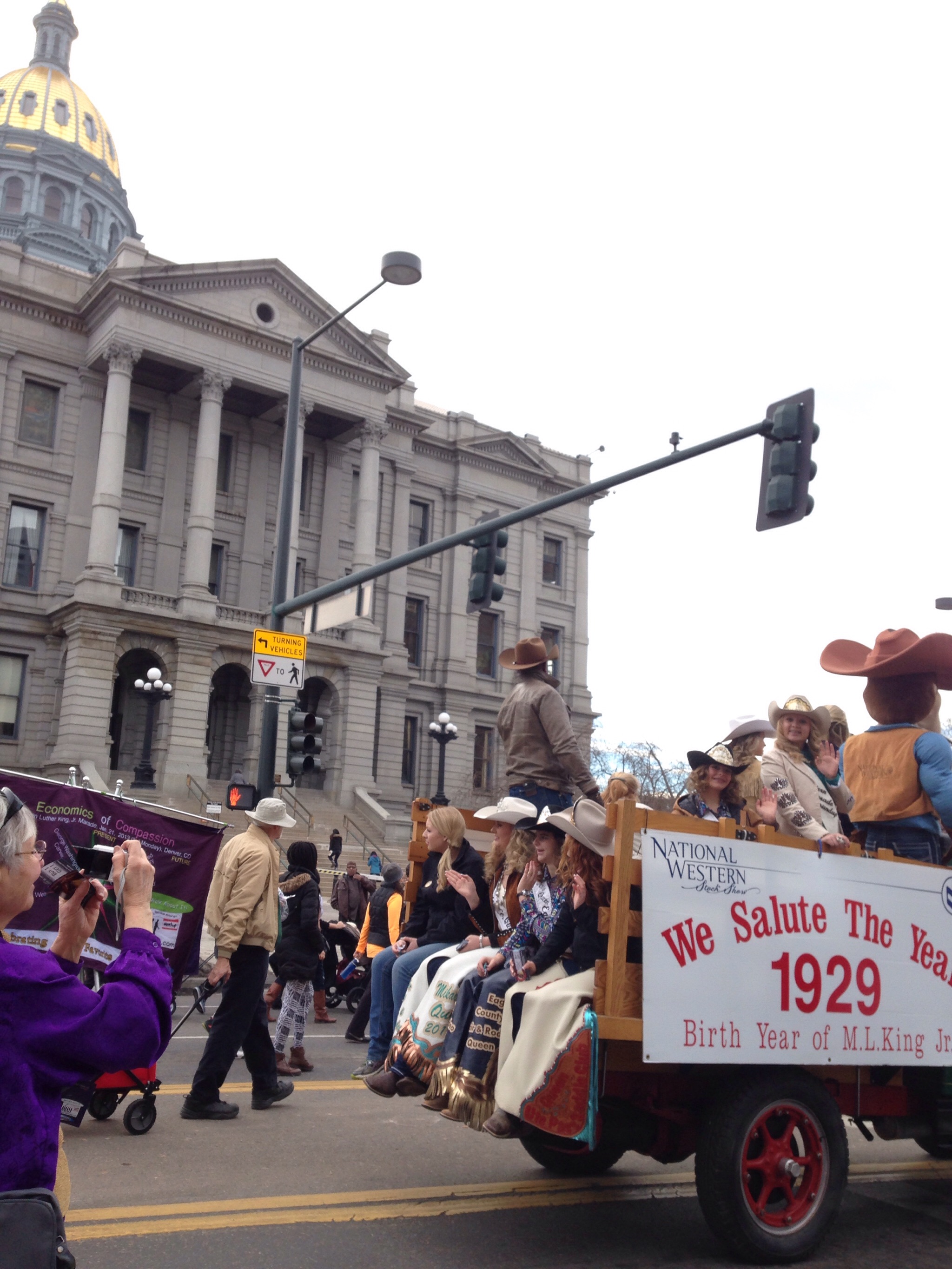
walk for forgiveness
for the fight for lost causes
(that we still fight for)
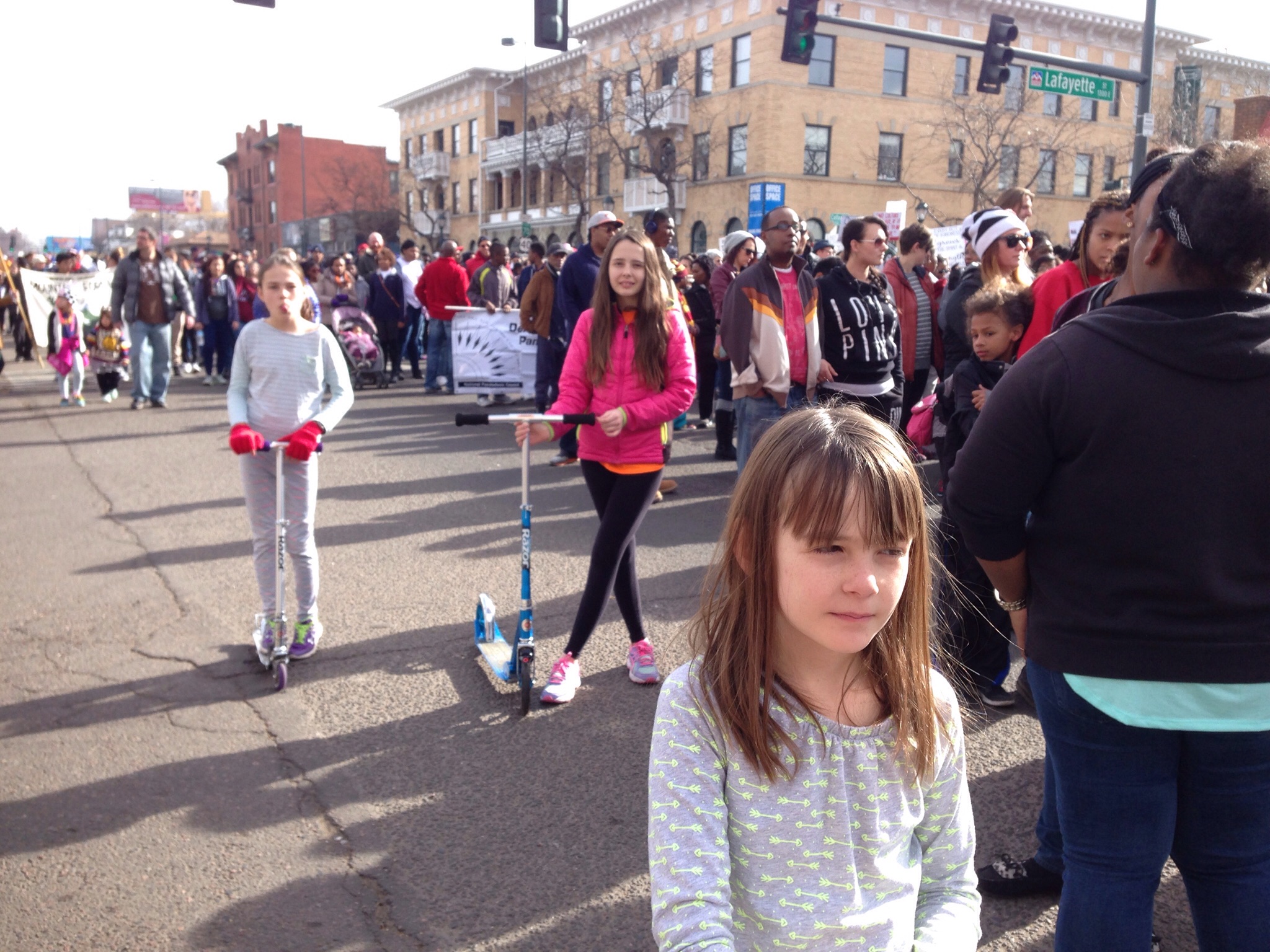
by some miracle
this day is always balmy
as we make our way
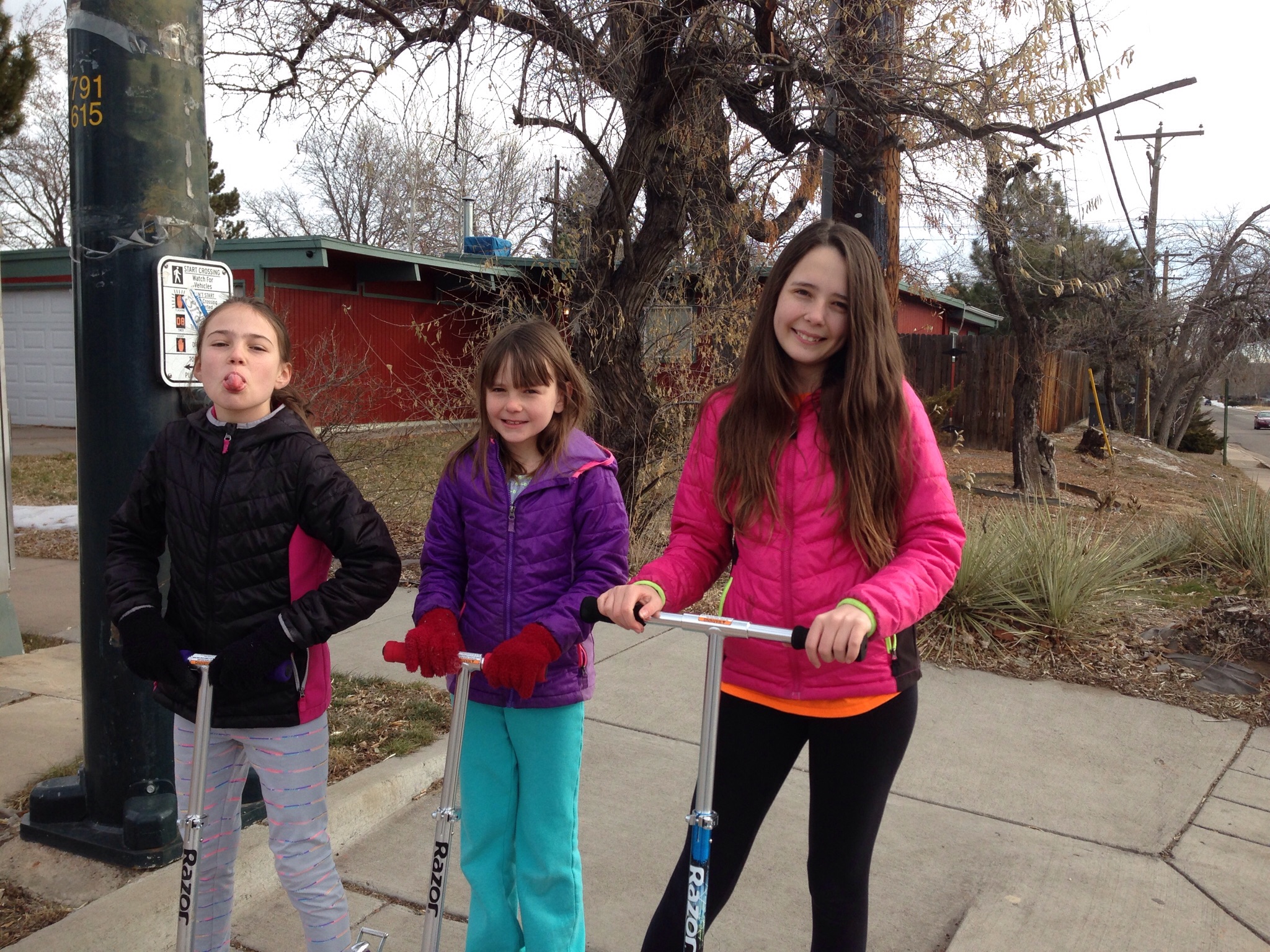
scooters–a new trick
to have me chase after them
instead of dragged feet
the mix of colors
between sky, humanity
carries this bright wave
we walk for peace, love
so we’ll always remember
what not to forget
we walk ’cause we can
because peace comes in small steps
found in winter warmth

Los Ganadores
fourteen class hours
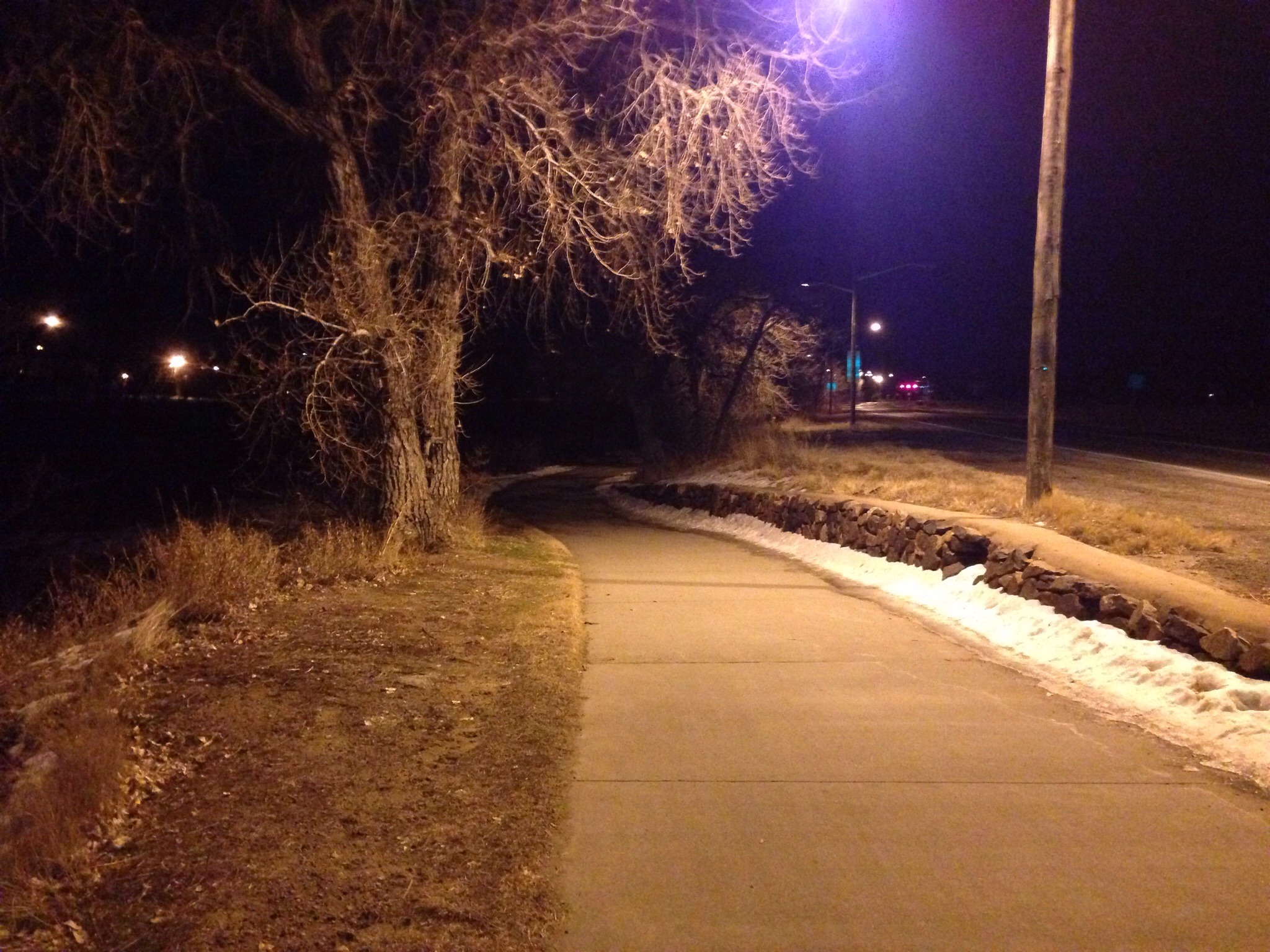
in three days. cold winter walk
to house of illness.

no breaks this weekend
as oldest tells project woes
(procrastination)
middle craves pancakes
but class again tomorrow
allows no bake time
(he’ll be up all night
holding a pail for baby
to give me this chance)
as it’s always been–
i work, work, work… he supports
(and we’re all winners)
Always a Top Ten
reasons why i stopped:
one–brutal voice in writing,
uncensored anger
two–not much laughter,
too much crying to count
(my tear stained regrets)
three–exhausted sleep
from too many restless nights
swimming in nightmares
four–so much good lost
on the desire to numb,
to not fully live
five–waste of money
in times when we had little,
in times when we’re rich
six–lust and lack of
mediocre love-making
blurred by consumption
seven–fat belly
of someone too far along
to give up this quick
eight–every bad choice
i have made as an adult
came from that bottle
nine–joy i once felt
disappeared on icy rocks
of my lost chances
ten–my daughters’ eyes
watching every move i make
(and i’m making… them)
Thoughts During Spanish Class
another long night
(i’d never lecture this long)
yet my kids judge me
i teach how i learn:
modeling, demonstration,
then application
i plan; over plan
think things through with them in mind
everything for them
yet it doesn’t work
i’ve somehow lost touch with them
and–worse–with myself
i miss the old me
so confident, outspoken
not worried for loss
now i question all:
which kid hates me most, and why?
will i keep my job?
but the worst is dark:
why can’t i be nicer… loved?
why can’t i smile?
i’ll go on, of course–
house bought, girls in school, trap set–
but at what cost? loss?
Tracks
I remember the first time I encountered poverty. I thought I’d encountered it when I was eight, in my grandmother’s kitchen. We’d just opened our Christmas gifts, and my cousins had their usual wealth of new skis, Patagonia sweaters, and trips to the ski slopes, when I heard my mother say to my father, “I wish we weren’t poor.”
But that wasn’t poverty. That was Christmas in Connecticut where my grandparents flooded us with what they could afford. Where we spent a day in New York standing under the giant tree that took up Rockefeller Center. Where the snow fell and the white, white Christmas shined crystal clear.
I did’t see poverty until three and a half years later, on a bus ride home from my middle school in Denver. And I know (now) it wasn’t the poverty of the third world, that it could have been so, so much worse. But it was as real for me then as it was today, twenty-six years later, walking across those same railroad tracks that I saw that day on that infamous ride home.
I was new to everything: the city, the diversity, the concept of extracurricular activites and late busses. After missing the correct bus home on the first day, I was anxious not to make the mistake again. But I didn’t think to ask anyone in my MathCounts group about the details of the after school activity bus, and three weeks into the school year, I hopped on to one of two busses thinking it didn’t matter.
As the yellow bus made its way across town, nowhere near a neighborhood that looked like mine, I began to hold in my heart a silent panic. I had followed my crush onto this bus, a boy named Schuyler whose name I wrote in my notebook for most of sixth grade. He chatted with friends as we moved from block to block, across rivers and bridges and a trainyard so large it could only have come from a downtrodden version of “The Little Engine That Could”, my favorite childhood book.
But this was no picture book. The houses became more decrepit, the neighborhoods transformed from treelined mansions into ramshackle shacks with dirt yards… And I was nowhere near home.
My “home” at the time being a two-bedroom apartment furnished with secondhand furniture and borrowed dishes while my parents spent their days searching for an opportunity in this city that had promised them the world.
I sat ten rows back from the driver, and as the time ticked by, my frightful silence pounded into my ears with a heart-throbbing vengeance. When the moment arrived for the tall, thin, dark-skinned driver to let out his last passenger, I knew I’d have to speak up. But my small-town New York voice didn’t want to. I wanted to go back to my small town, where my father had failed student teaching and wasted four years on a master’s degree that wouldn’t come to fruition; where my mother had supported us all on $6.25 an hour from the daily newspaper; where I could walk along the singular street that led from my elementary school to my home, and never feel like the village (city) idiot.
“Now, did you miss your stop?”
“I… ”
“Where do you live, honey?”
“I know my stop is Ogden and Ellsworth.”
“Well that was a whole other bus.”
He got on the radio. He made a plan. And I thought about him pulling up to my block of apartment buildings. About the little girl, Valerie Martinez, who had invited me over once and once only. “My mama gets paid on Fridays. Every Friday I get a treat. Last week it was a push pop. This week I might get a set of stickers.” She told me this from the tiny room she shared with her two brothers at the back of the apartment complex. She had a small desk where we played travel Sorry! and I scanned the walls that were filled with pictures torn from magazines and religious idols.
She had lived there her whole life.
I knew my placement in the apartment would be temporary. That my parents would find jobs (they did), that I would live walking distance from the school (I did), in a house we would own after selling our house in New York (we did). That my whole life would never be as dark, as frightening, as the bus ride home across the other side of the tracks. That I wouldn’t have to wait till Friday’s paycheck to get a silly little treat. Or share a room with two brothers for the rest of my life.
“You can tell me where you actually live, honey. You’re the only one left, and I plan on taking you all the way to your doorstep at this point.”
But I didn’t want him to know. That my parents had borrowed money from both sets of grandparents to make the trek across country. That we were living in that tiny, crappy place. That I’d seen the other side of the tracks, with gutted out cars and broken-in windows, and that I was scared. Scared shitless of what my life was at that moment, of what it could become.
I didn’t want him to know that I’d remember that day. How kind he’d been to me. How frightened I’d been. That I would keep track of those disturbing images of poverty like a prized collection at the back of my brain, unsure of what to do with it. That I would understand, years later, just how deep white privilege lies.
Underneath the snow. Between the tracks. Where my city has fallen not into the arms of an unforgiving God, but into the arms of a greedy monster of wealth. Where they have torn down every last remnant of what was real to build cookie-cutter apartments for hipsters overlooking those same tracks. Where the middle class has all but disappeared and I walk with my three girls through a world I couldn’t begin to describe to them because I don’t understand it myself.
Where I am just eleven years old, trapped on a bus, hoping the driver will take me to my stop.
Because without that hope, there is nothing. Just a blue-sky day in the middle of December, a long walk home across tracks I will continue to cross, and a world I am just now beginning to understand.


Stewed
beef stew takes some time
to simmer while we have fun
discovering home
(it sits in sunlight
on a late November day
waiting to be found)
in stage selections
and modern airport hotels
where we say goodbye
it waits for new doors
open to ideas of
a sunlit autumn
in our house, our home
where thanksgiving starts and ends
all that matters: here



Angel Bear
finally a break
monotony busts busy
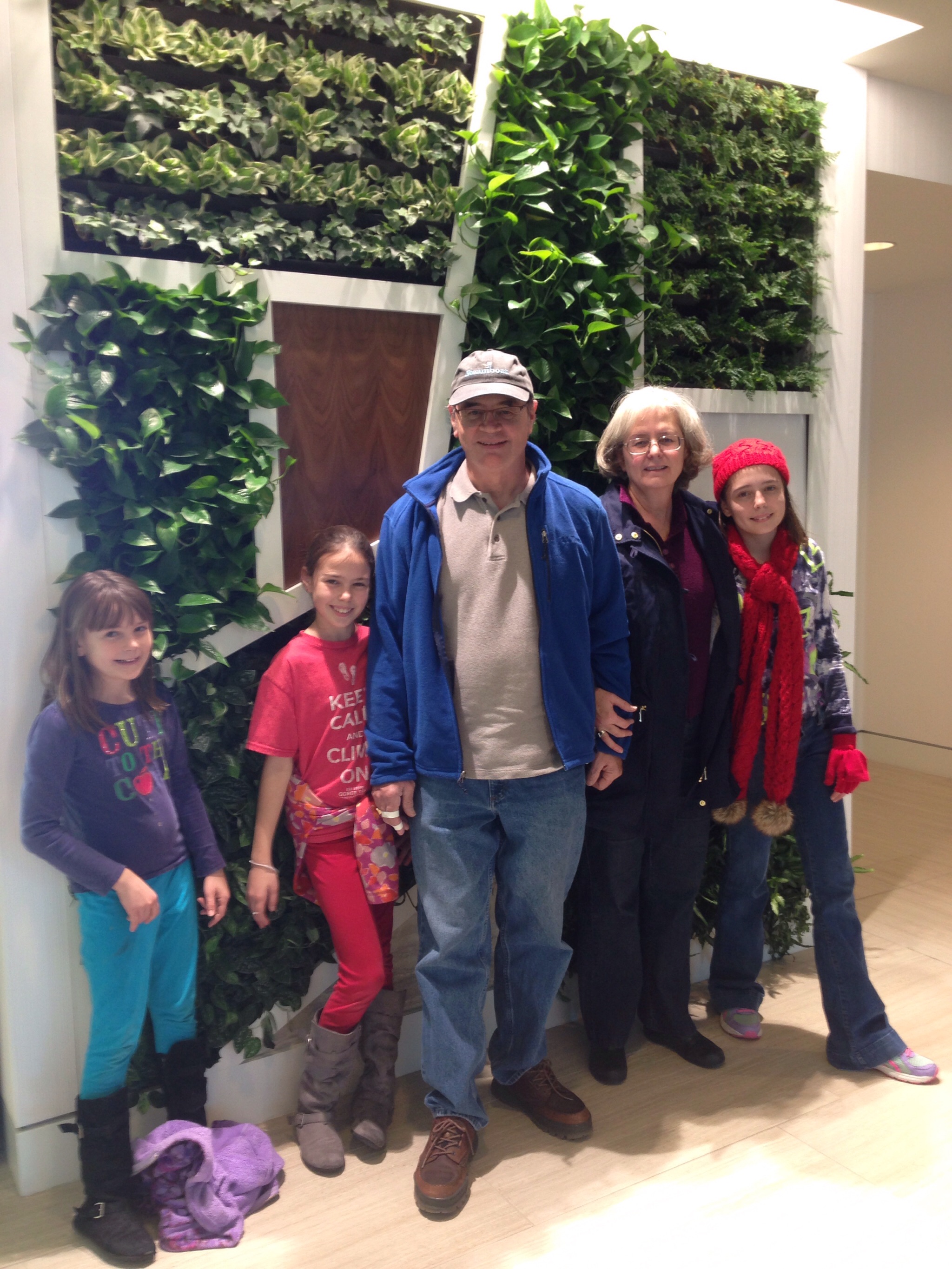
cross-stitched piece by peace
of course, a bike ride
soaking in late autumn sun
that shines on Denver
laser tag trial
semi-wary girls: boy land
(we fight our way through)
tea, soup, spoon bread, love:
dinner stewing our return
(housewifery week)
end with beginning:
angel bear guarding baby
waiting to come out
Dreamland
he comes after dark
midst of dinner-laundry rush
(the witching hour)
gone are easy nights
him cooking, cleaning, shopping
short hours, slow work
i sit amidst stacks
of plans, ungraded papers
stacks that won’t die down
the girls do small chores
to minimally help me
cope with “overwhelmed”
and i quit my class
that would’ve taken me now
sucked more from my life
yet i’m still swimming
in a haze of “unfinished”
waiting for relief
he takes over now
broiling steak, washing plates
gives me a moment
i wait for one more
one drive across the country
to make this worth it
Possession
and you won’t have this:
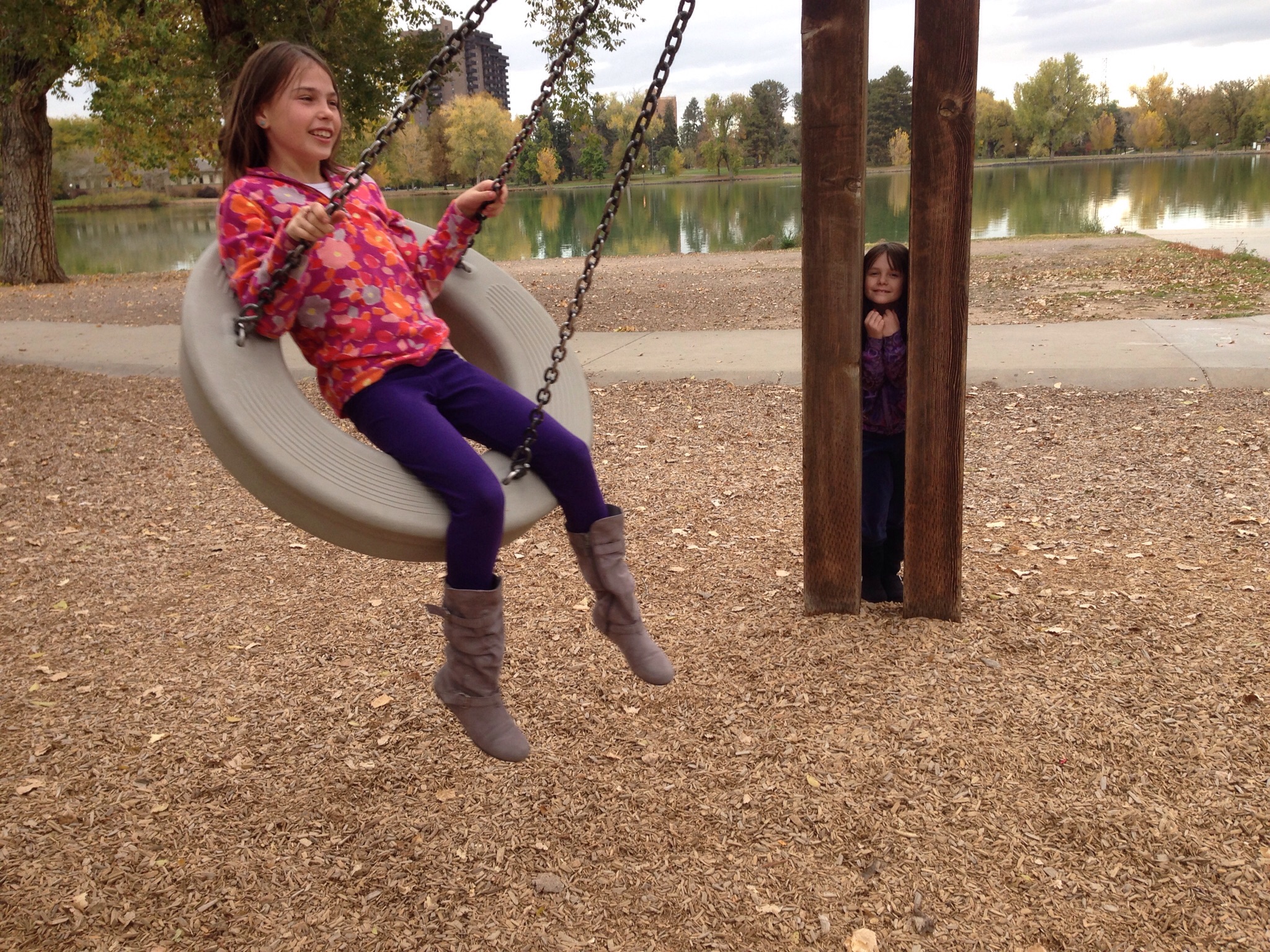
spinning autumnal joy swing
her trapped in between
and you’ll never know
what it’s like to live for them
(to live inside joy)

and you just can’t see
how losing this would mean all:
girls, home, husband… life
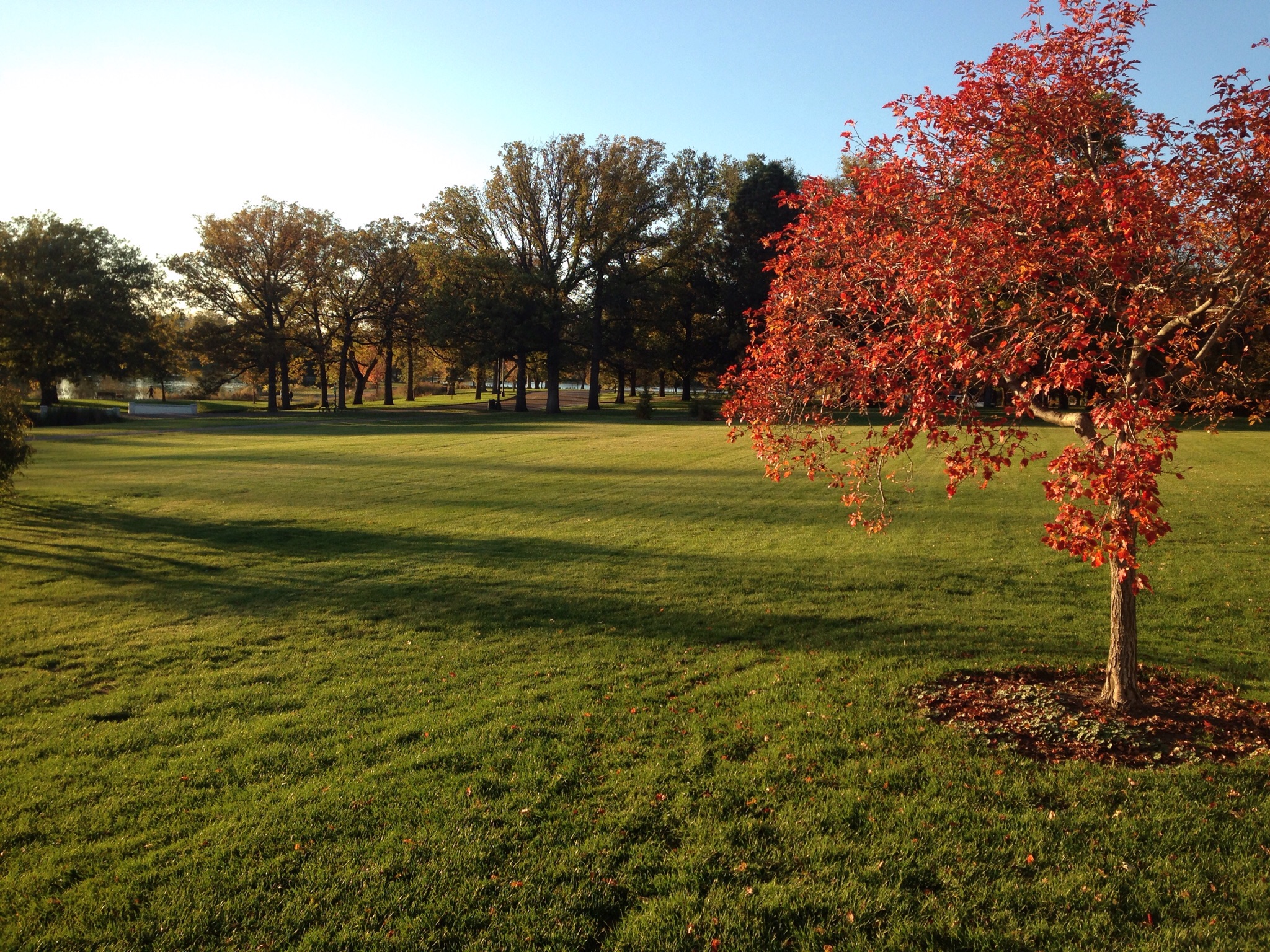
’cause it’s not a park
with green lawns, blue skies, red leaves:
it’s my livelihood
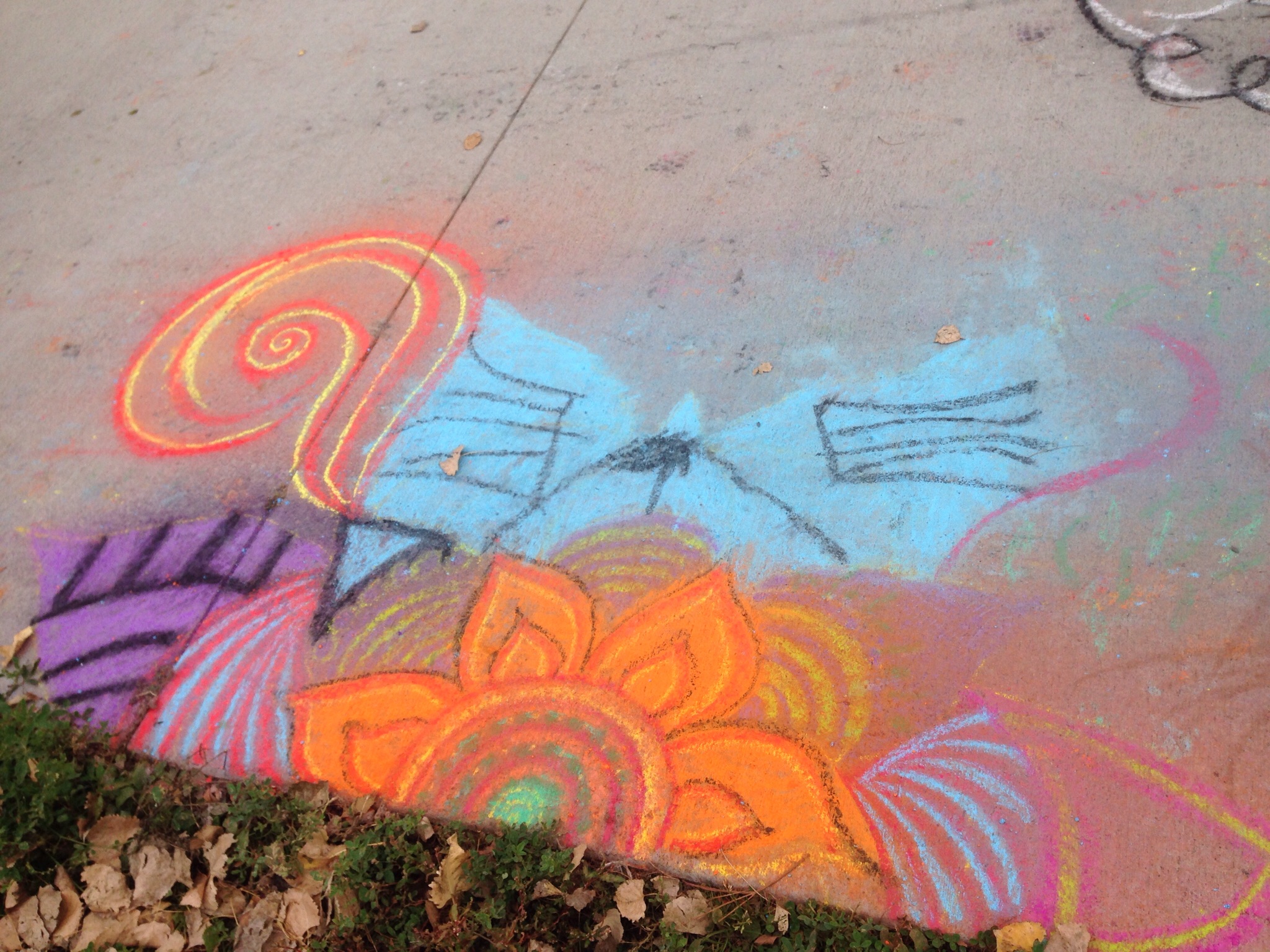
you’re a pic undone
where the sidewalk ends, my friend:
(leaves fall. i blossom.)
 Step Write Up