Coronavirus Pie Recipe

Ingredients:

Four months of news stories and 4,300 worldwide deaths.

Social media memes and accusations.

Schools filled with unimpacted children who put their hands everywhere.

Understaffed schools that can’t keep up with soap consumption.

Homeless and hungry children who find their only two meals a day here.

Immigrant children who come anyway because this is nothing like escaping extreme poverty and war.

Directions:

Preheat hope to 375 degrees. Maybe it will be hot enough to kill something.

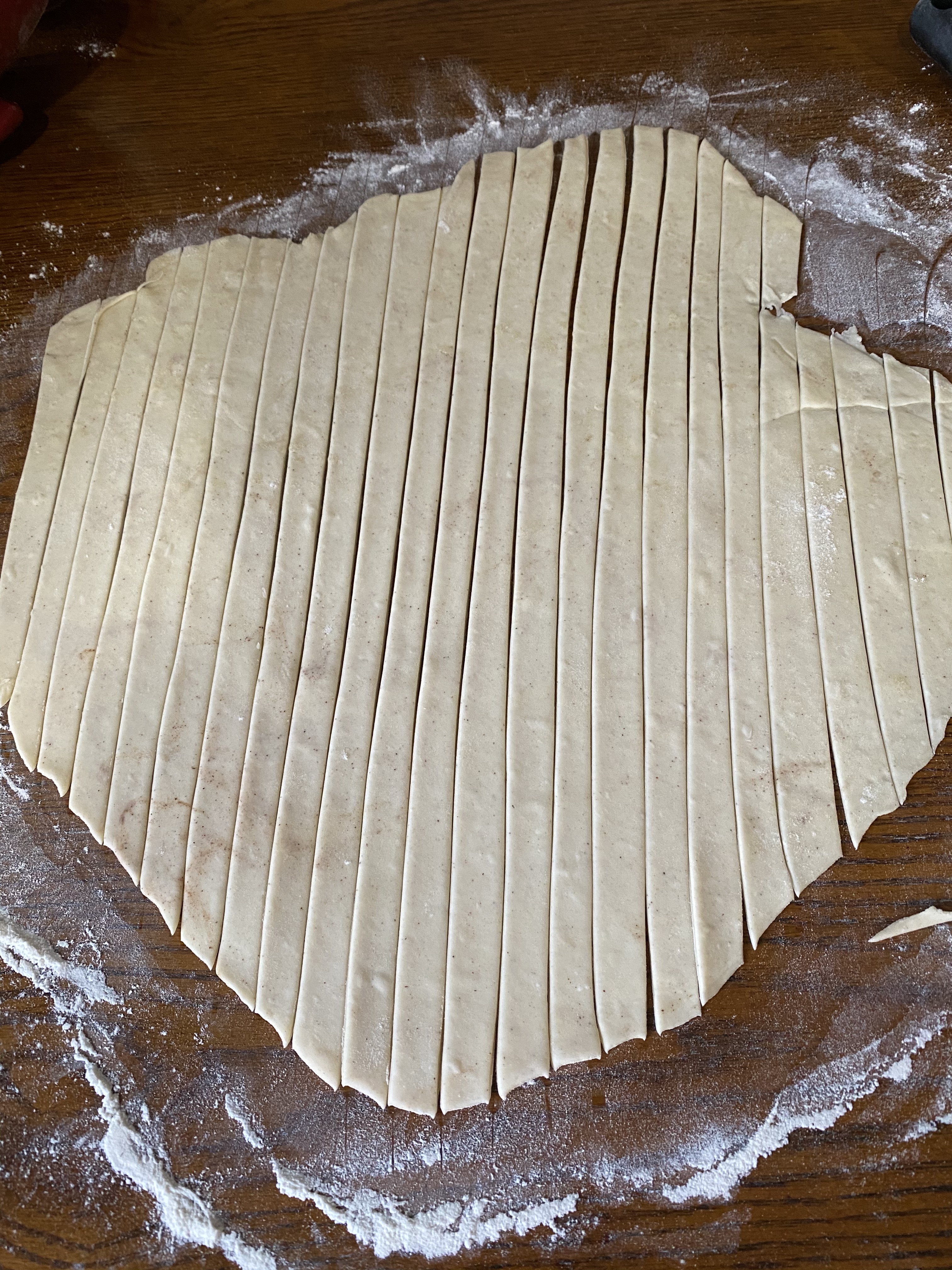
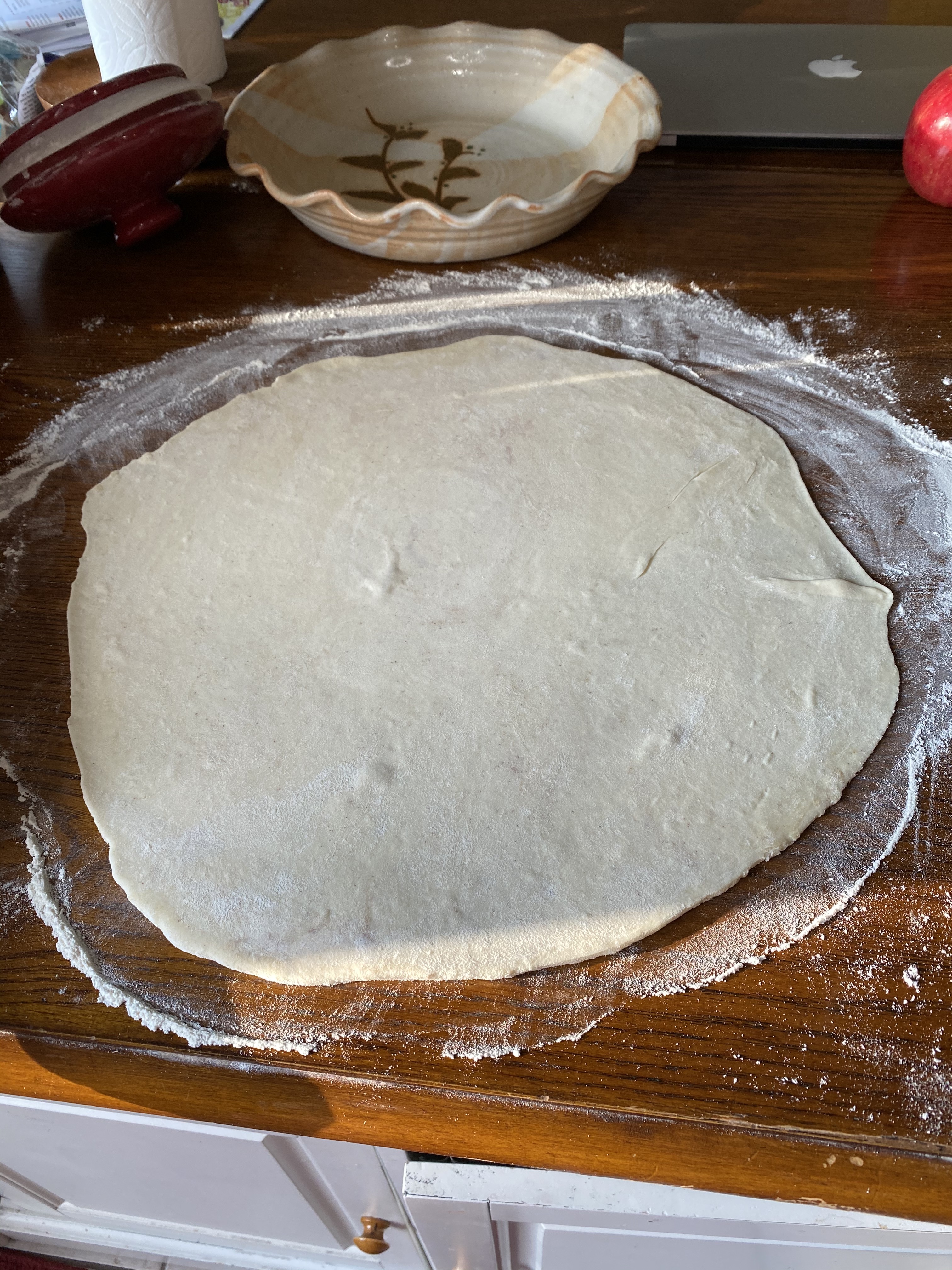
Put every worry and frustration into the rolling out of dough. Tough and round, an imperfect circle, wide enough to cover the whole belly of the beloved dish.

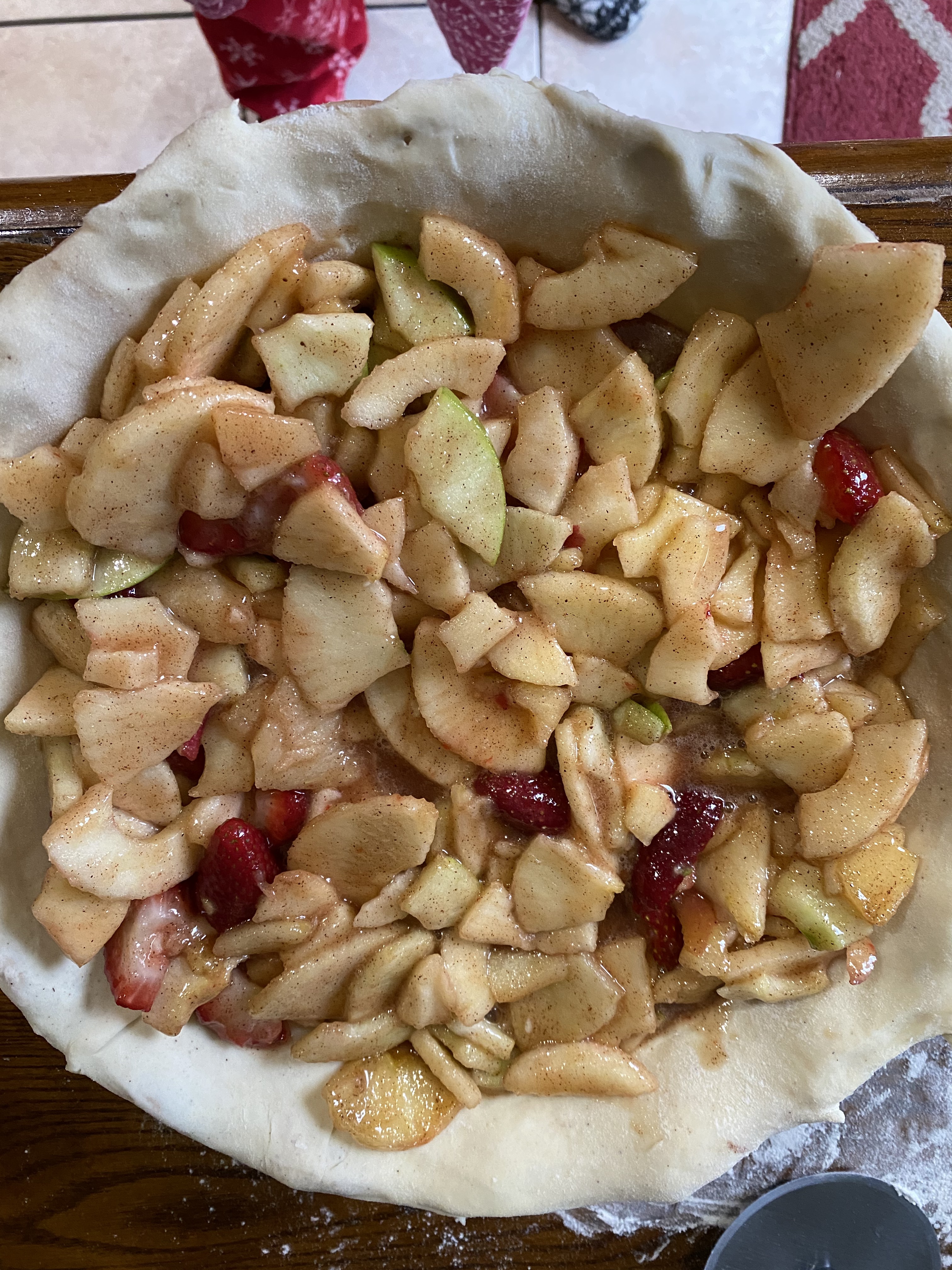
Spin and skin the apples until they are nothing but spirals of juicy love, bittersweet and crunchy and soon-to-be-soft, soon-to-be-coalesced inside a cinnamony mix of something sweeter. More hopeful.

Slice slivers into the top crust. Each piece is a taste of our world, cutting out the healthcare most of us don’t have, carving lines into the economic burden, trying to cover up the death toll.

Place the pre-cooked apple concoction into the lower crust belly, its syrup soaking through the floury dough, waiting to be better.

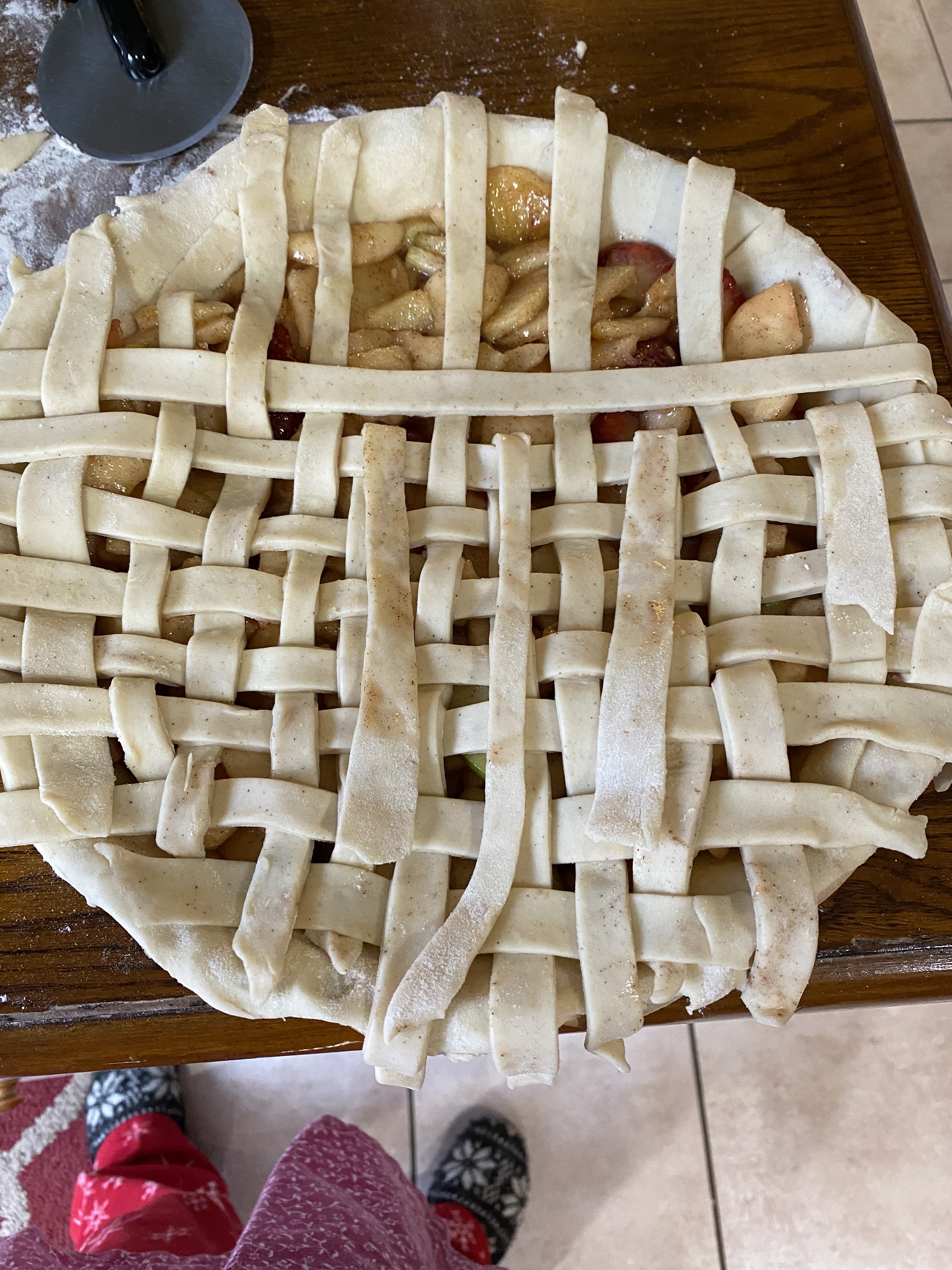
One by one, lay the lattice. Say a prayer, ask for something better, hope to God this will come together perfectly in the end. One by one, lay the lattice. Take your time. Gather your patience. Think of your children. All of your children.

Press the two parts of the world together: the bottom crust which opens its arms to everything that will fit; the top lattice which opens its door for all the cursed steam to escape, to prevent overflowing, to make a perfect pie.

Bake your pie. Bake, bake, bake your pie. Know that, after the timer beeps, after you have scrubbed flour powder into the compost, after you have soaped the dishes, after your pie has rested on its stinging-hot shelf, everything will taste oh. So. Sweet.

Teach your students how to say “crust” before they bite in tomorrow, before you won’t see them for three weeks, before the actual Pi Day.

And hope for many more Pi Days with oh-so-many pies as perfect as this one.

Ballots, Not Bullets

all the hope i have

rests in this fateful ballot

(can hope win the vote?)

Inquilinos

My Rohingya refugee who could not read or write in Burmese (but learned somewhat decent verbal English from the militia who murdered his parents) had to quit school, after just three months, to work full time at a chocolate factory.

My Honduran and Salvadoran refugees live lives in limbo waiting for court hearings that are mostly clouded in misery with threats of deportation.

My son awaits the opportunity to work while his cousin, his only nearby family, has to move from state to state working roofing jobs with no options for permanency because of his lack of papers and English skills.

Meanwhile, 20,000 people stood in line in 8-degree weather this morning to support our president, just down the road from my house, claiming his stance on immigration is one of the most important policies they support.

These white people (it’s always fucking white people) are simply fulfilling their American dream: If it works for me, it’s fine. Fuck everyone else.

And he isn’t my son. I was reminded of this last night when DHS came and told me that we can’t send so much money home to his destitute family, that he cannot leave the state for more than seven days (forget our three-week family vacation), that he must take extra English classes and study a vocation and be an independent tenant.

Not an eighteen-year-old boy whose vision was so focused on running for a train to escape abuse and poverty that he couldn’t see much beyond that journey. He just knew that here was the goal, here with all the money in the world… here with all the opportunities in the world… and screaming, raging racists waiting behind every third door, anxious to keep those things from people like him.

I didn’t know the Spanish word for tenant, so after the meeting, when I was explaining all the depressing news to him, I pulled up Google Translate and couldn’t help but be immediately disturbed by its interpretation: inquilino.

The word sounds wrong to me, like a sour slice of lime in my mouth, a cottony accusation. So similar to inquietude. On the same list as inquiline: an animal that lives habitually in the nest or abode of some other species. Its origins in Chile speak of servitude… submission… slavery.

“We can’t have you taking our money for a vacation. This isn’t a handout.”

I’m not asking for a handout. I already had the entire trip booked and paid for, and he could easily fit in the backseat of my Honda Pilot and lay his eyes on Yellowstone, Glacier National Park, and Puget Sound, places he may never be able to see otherwise, but… OK.

I won’t use your fucking handout to take a sliver of his summer for three weeks of adventure and joy.

I won’t ever see my Rohingya refugee again because he will be working twelve-hour shifts for minimum wage for the rest of his life so that people can buy a box of chocolates for their Valentine.

My husband could lose his job at any moment because he works for a corporation, like all other corporations that are part of the white American dream, that overpays its CEOs and lays off its workers to cut costs.

But the economy is great, right? And with Democratic infighting led by billionaire Bloomberg, it sure feels like that crowd of 20,000 standing in the cold is going to win this election. So we are in for another four years of heartbreak.

We are all inquilinos. Tenants in houses not owned by us, in jobs not guaranteed to us, in a country that owns us because we are not allowed to own it.

Inquilinos. Inquietude. Indefinite. Inmigrantes.

And it would be nice if we could just be human.


Perfectly Cracked, Perfectly Hopeful

i walk my puppy,

fight weekend grocery store crowds,

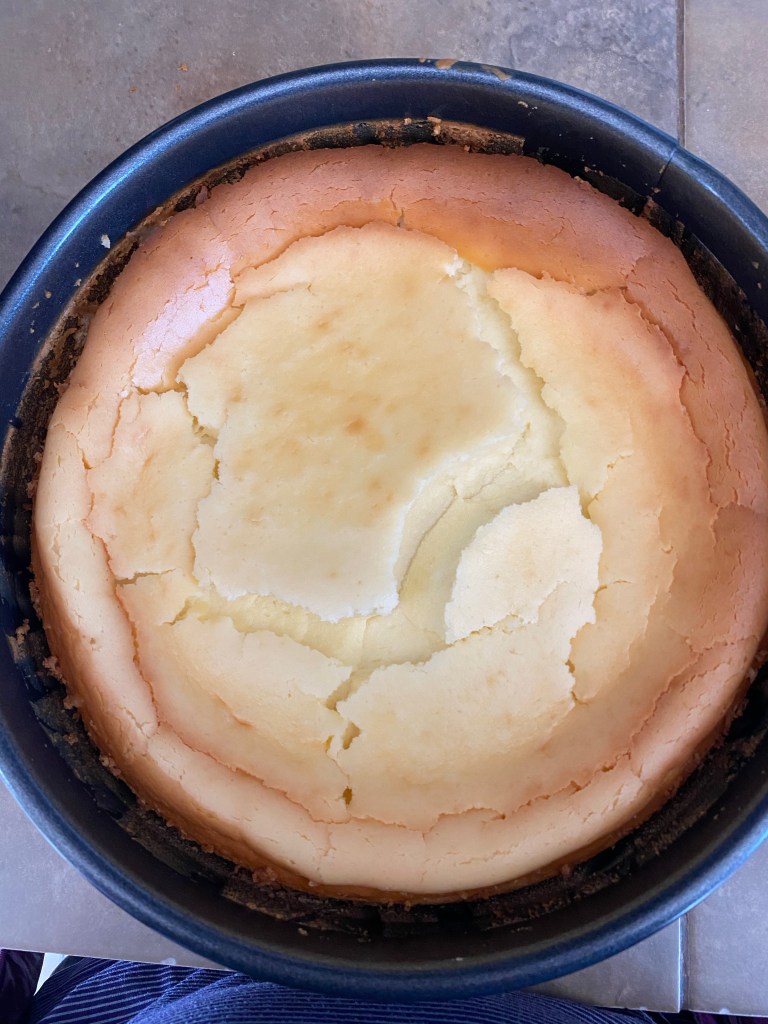
and bake a cheesecake

before 10 a.m.,

i cook raspberry compote

and finish laundry

by noon, i’m ready

to begin this Sunday cleanse

and climb out of here

the city beckons

(no, no—the world beckons

for another chance)

our democracy

and the fate of our future

rest with how we vote

(even though it’s cracked,

my daughter’s birthday cheesecake

is one of many)

let this election

be one of many chances

to give us all hope

Lockdowns

This evening, though it took him three times to ask me the question in his perfect Spanish due to my completely butchered understanding, I think I was able to answer him with a too-easy level of coherence.

“Why in that one class did we have to climb under the desks and turn off the lights?”

“Welcome to America, the land of the free, the land where gunmen enter classrooms and kill students and we have to spend our lives practicing for the possibility of that moment.”

“But couldn’t a gunman just blow open the door?”

The irony of everything is in his words.

Couldn’t we just pass gun control laws or have background checks instead of practicing lockdowns?

Couldn’t we have immigration policies that wouldn’t leave 17-year-old refugees in homeless shelters?

Couldn’t we raise our sons to be like this one, so grateful that in the course of seventeen days, he has completely changed our lives and filled our home with laughter and love, instead of raising sons who think the only solution to life’s problems is to shoot someone?

He is here now, in my house, safe after his first American lockdown. What else will he see in a year, in a lifetime, as he adjusts to this new world? As he tries his best to catch up with a semester of learning English that he missed, where we started with the alphabet and now are writing sentences that he struggles to understand, relying on the other Hondurans in the class to translate? As he sits in my ninth-grade advisement class listening to me ramble on about graduation requirements that all of us know are inaccessible to him?

What else might he write, between now and when he leaves our house, that could be more beautiful than these crumpled-up words that we threw into the basket, a silly icebreaker activity that was designed to help the students get to know each other and that completely failed in my ever-introverted advisement class?

The task was to read the messages aloud and try to guess who the author was.

But I couldn’t read his words aloud. Not after the lockdown. Not in my broken translation. Not for this emotionless class to hear.

Because I wanted to feel those words deep in my soul, how beautifully imperfect and ever-so-perfect.

  • A fun thing you did over break: I went to the hot springs, celebrated my birthday with my great family. I have three more sisters and a new mom and dad who make my life perfect. 
  • What is an unusual or interesting fact about you?  I was adopted by a great family. 

Just five minutes after crumpling the paper back to him, the dean came to the door asking for him and his backpack. My blood turned to ice in an instant. I have been teaching for far too long to know what the combination of those words means.

What could have happened between when I saw him getting his coffee from our kitchen this morning and that moment? What could they be looking for? How could they be so wrong?

Every question in the world popped into my brain, and I held back his three friends to ask what had happened in period 2. I told them how scared I was about the backpack request in particular, and they all responded, “No te preocupes, Miss, nada pasó.

The next seven minutes became my own terrifying lockdown. Because he is not just one of the hundreds of kids they have pulled out of my class in the past sixteen years.

He is my kid.

When he returned during passing period, I couldn’t even let him go to math class without giving him a hug of one hundred percent relief after he told me that his social worker had picked up all his documents from the homeless shelter, and he needed to bring his backpack to keep them safe.

Tonight, I could have told him, if I were less opinionated, that we have lockdowns to keep us safe.

But when you’re in a lockdown, you’re not thinking about safety. You’re thinking about your life. All you’ve been through, all you might never see. You’re thinking about all the kids’ faces, all the struggles of the world, everything bundled up into the silent, dark corner of a classroom, the silent, dark corner of our society.

You’re thinking about the people you love. The people who write kind words on soon-to-be-crumpled paper. The social worker who texted her gratitude one last time right after meeting with him. The family surrounding you who took him into their lives without a second thought.

“Look, Miss,” his friend grinned at lunch, gesturing towards him in the hallway. “No necesitaba preocuparte… Su hijo está bien.”

Yes. Both of our lockdowns have been lifted.

And my son is just fine.


C & H

It was cruelty that put him here. The cruelties of poverty, of corruption, of one governmental thievery after another. Our government to theirs. Their government to their people.

It was cruelty that put him in a cage, that gave him no choice but to keep on keeping on, train after train, burnt house back home, left-behind baby sisters, parents unable or unwilling to give him what he really needed, really wanted in life.

It was cruelty that led him to my classroom and into the basement “bedroom” of our home.

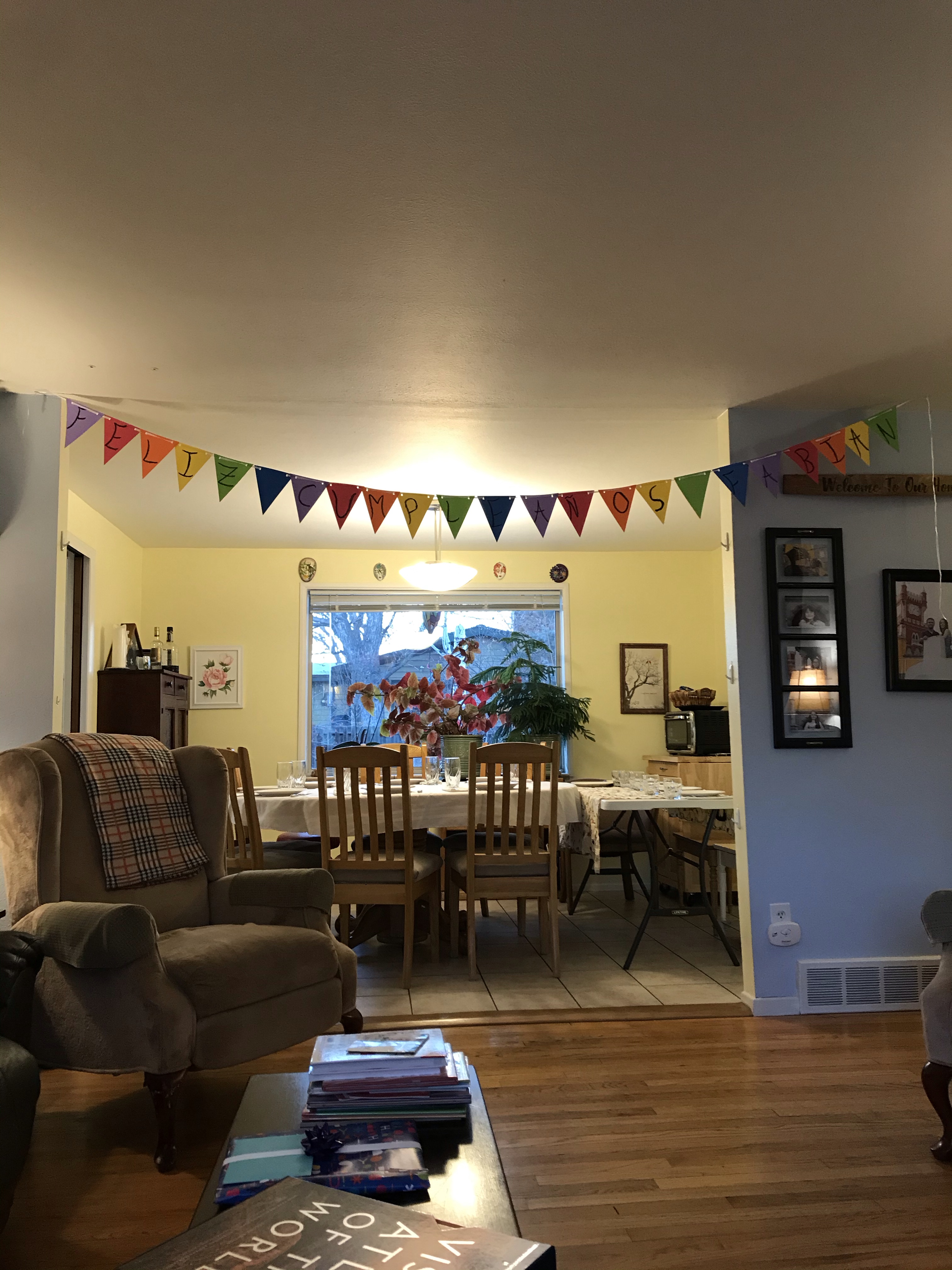
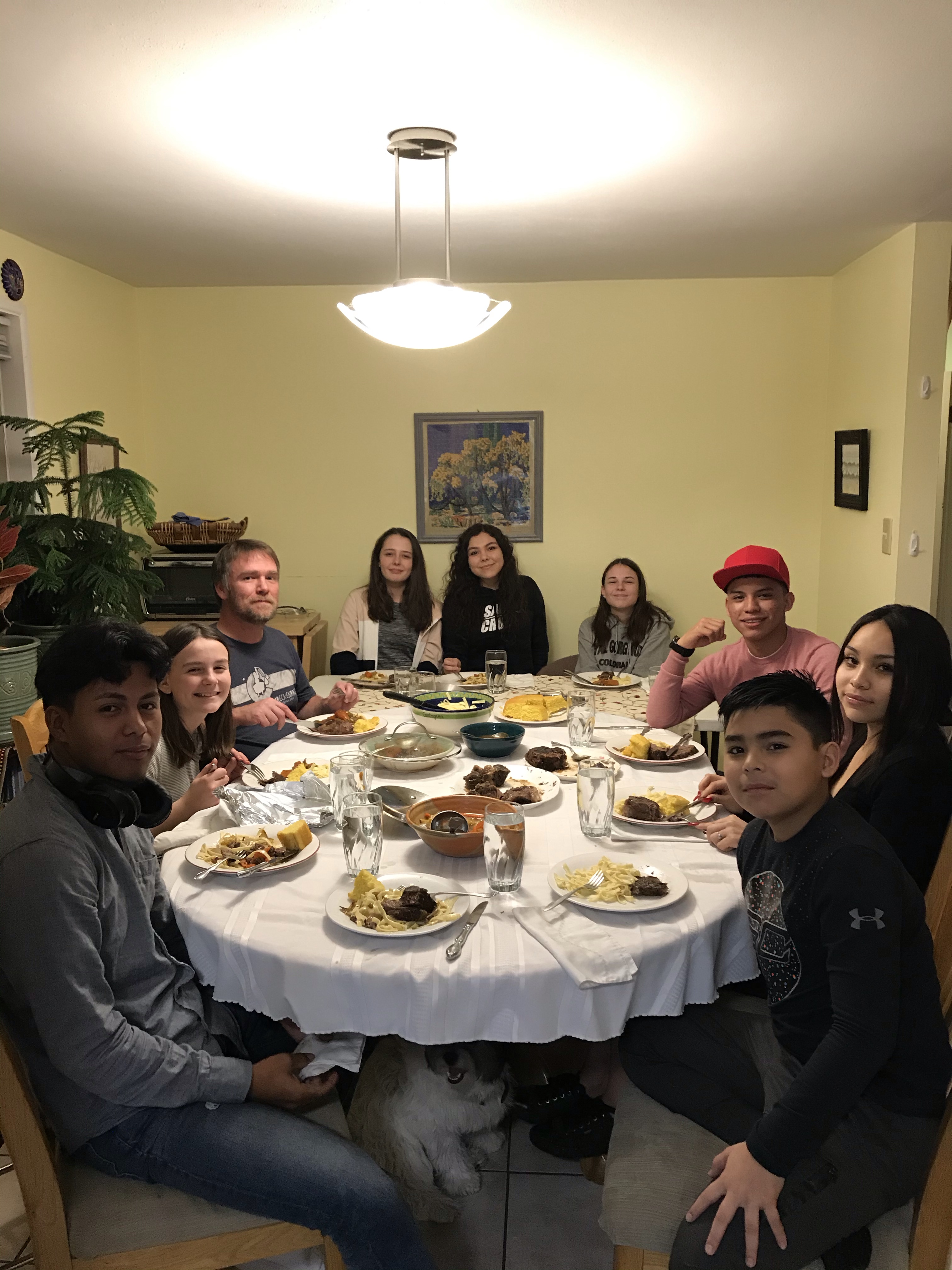
But today, there was no cruelty. Only the miracle of another turn around the sun. And this eighteen-year milestone is so much more than the tres leches cake my youngest prepared, so much more savory than the two pot roasts we spent half the day cooking, more than the intricately-decorated banner, the piñata he never could hit as a kid.

Today, there was only humanity.

The humanity that bleeds through the cruelty even when you think it isn’t there. In programs established by past presidents that a team of social workers, caseworkers, and even a famous poet worked tirelessly to get him into before his eighteenth birthday, when suddenly, and for completely arbitrary reasons, our government labels young boys adults.

The humanity in lawyers working day and night, in the middle of Christmas and New Year’s while visiting family, who are willing to send emails and make phone calls and answer every stupefied gringo-I-don’t-know-the-law question.

PRO BONO.

The humanity in my friends who sent gift cards, cash, and prayers, to thank me for bringing this boy home.

Cruelty brought him here. But humanity has won.

If you combine C & H, you’ll have nothing but sugar. Pure sweetness.

And that is what I want you to taste as you read this post, as you click on these links. The sweetness of humanity. It may seem to be hiding behind the C, but without it, what would we have?

Certainly not a game of spoons. A party of smiling teenagers. An artist’s pencil.

Or a speck of hope.

Blow out these candles with us. Sing this song in broken Spanish. And relish these sweet dreams. They are yours. They are his. They are all of ours.

And they are sweeter than any cruelty you could imagine. Just taste them. Take a moment to taste how sweet our world could be.


Road Trip 2019: North Dakota

i never listen

when someone says it’s boring

i always find fun

North Dakota wins

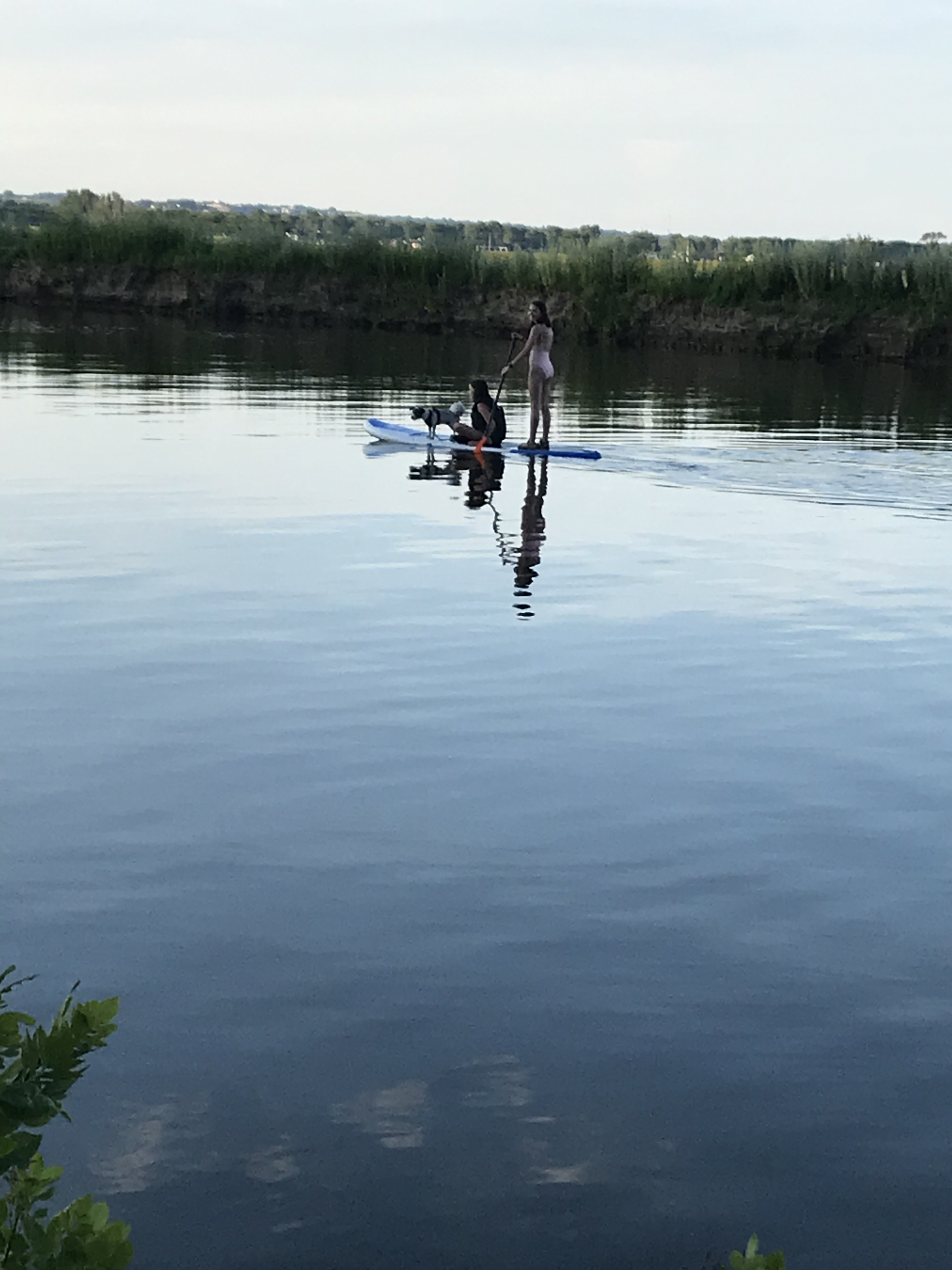
kindness, camping, paddling

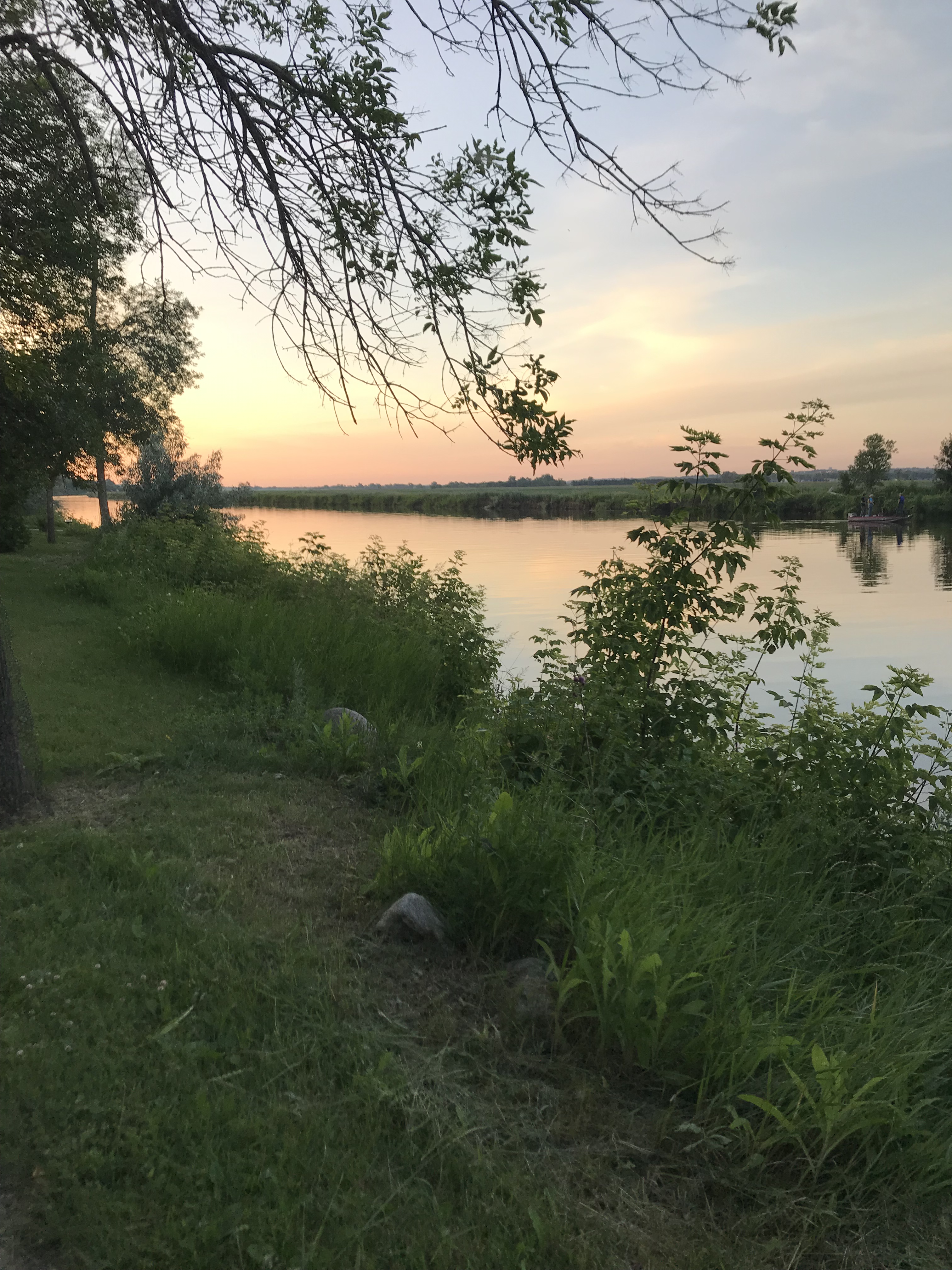
and late-night sunsets

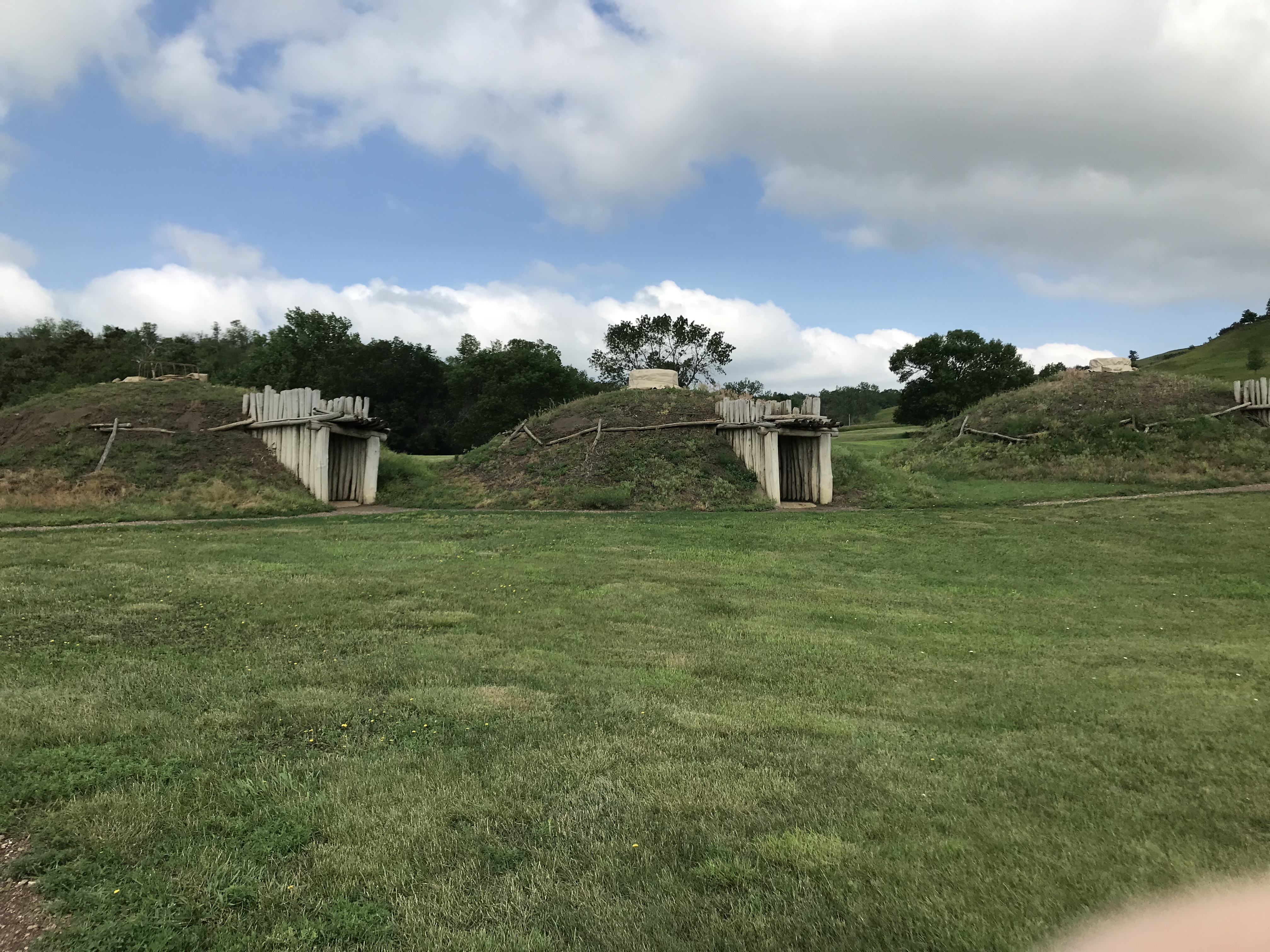
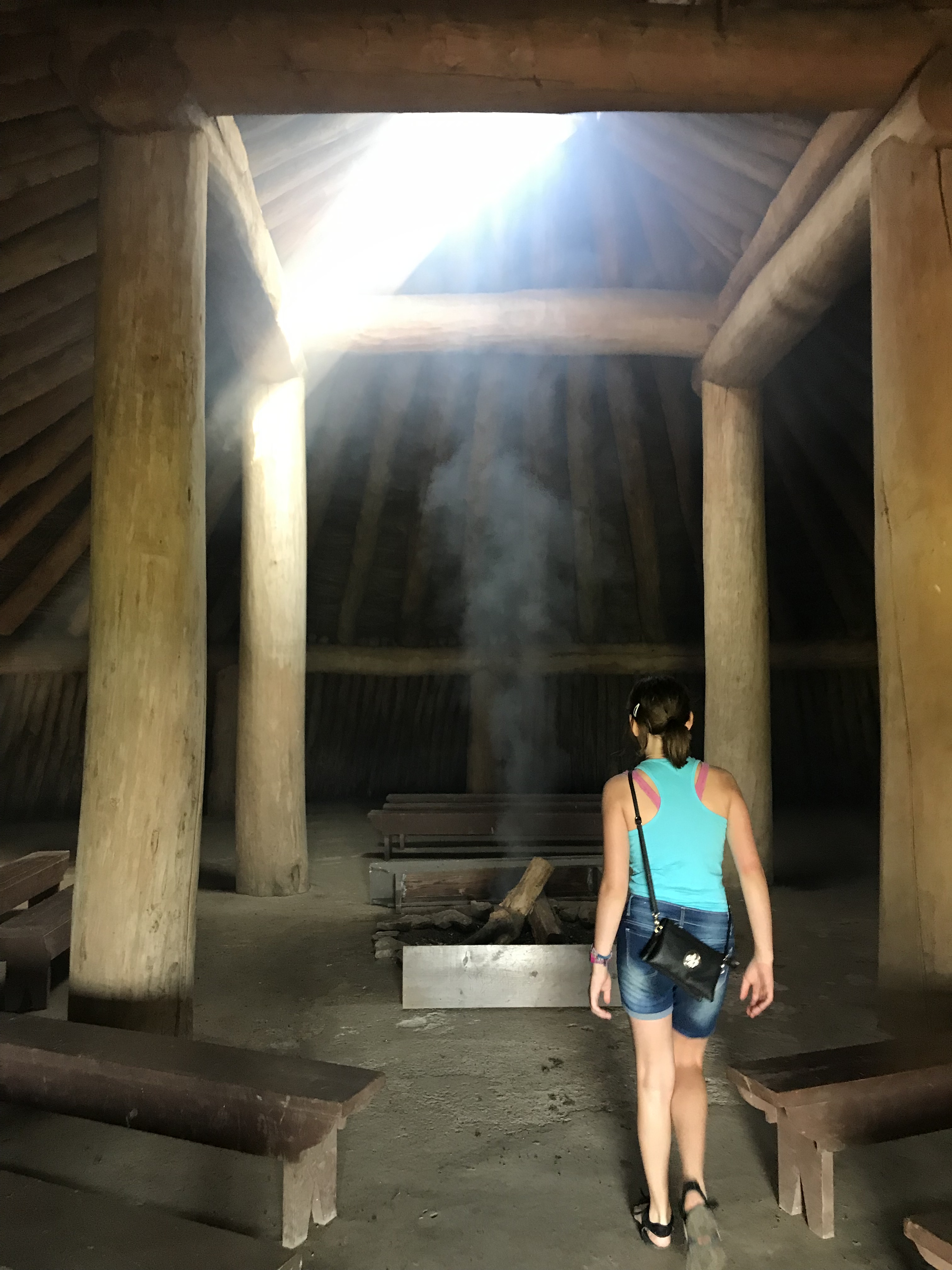
Earth lodge history

and indigenous genius

round out this cycle

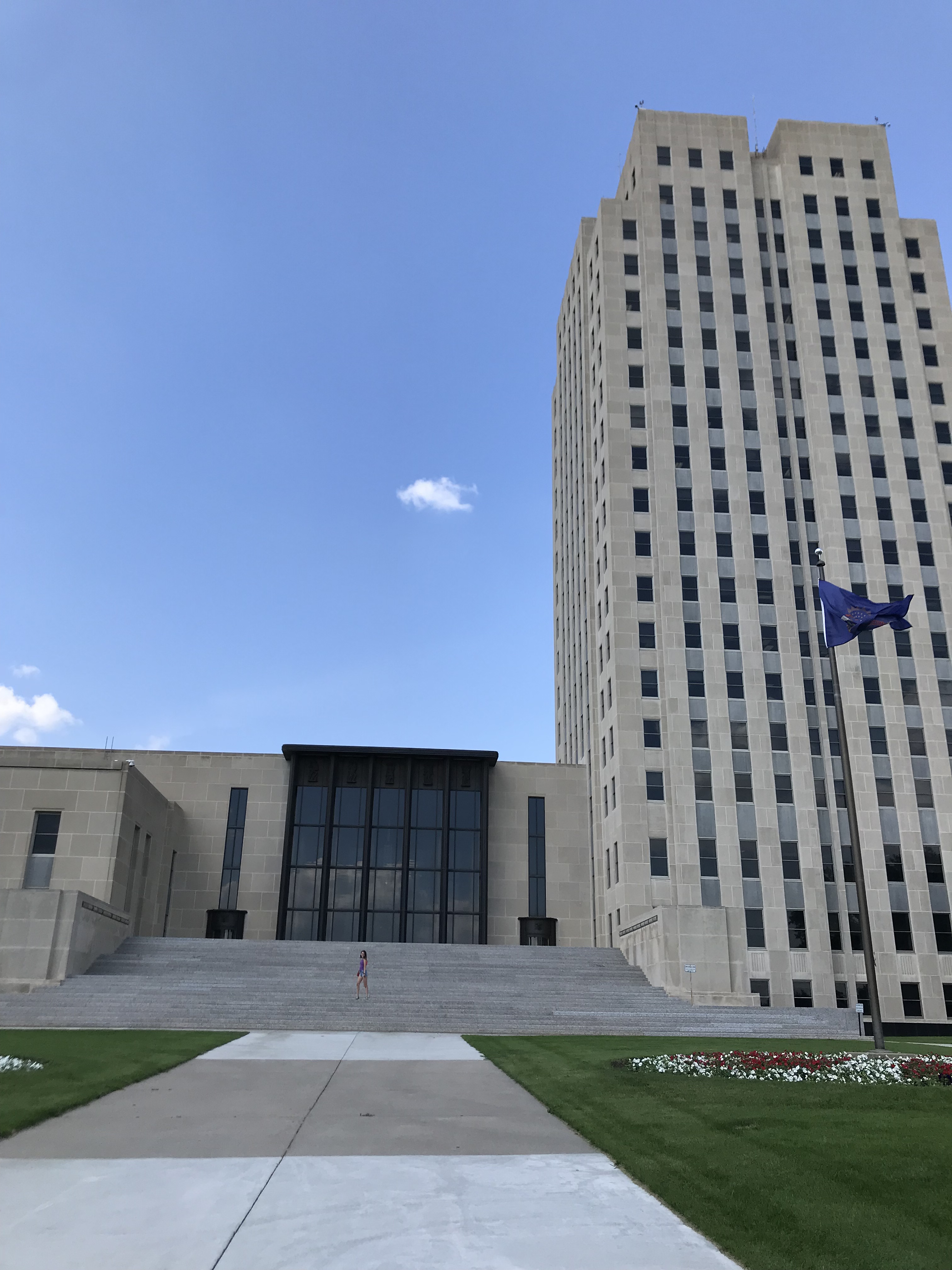
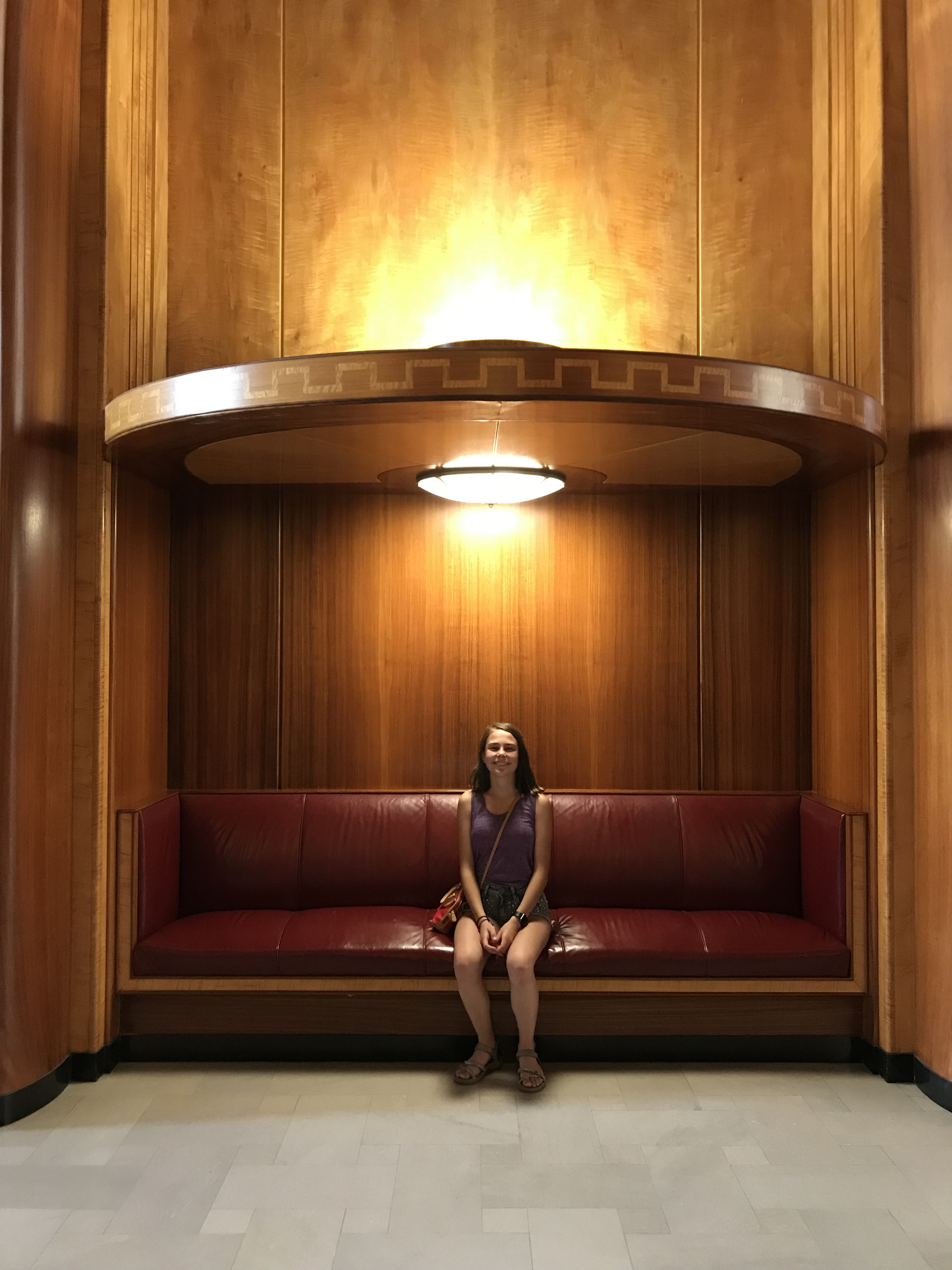
with Art Deco touch

to capitalize the north

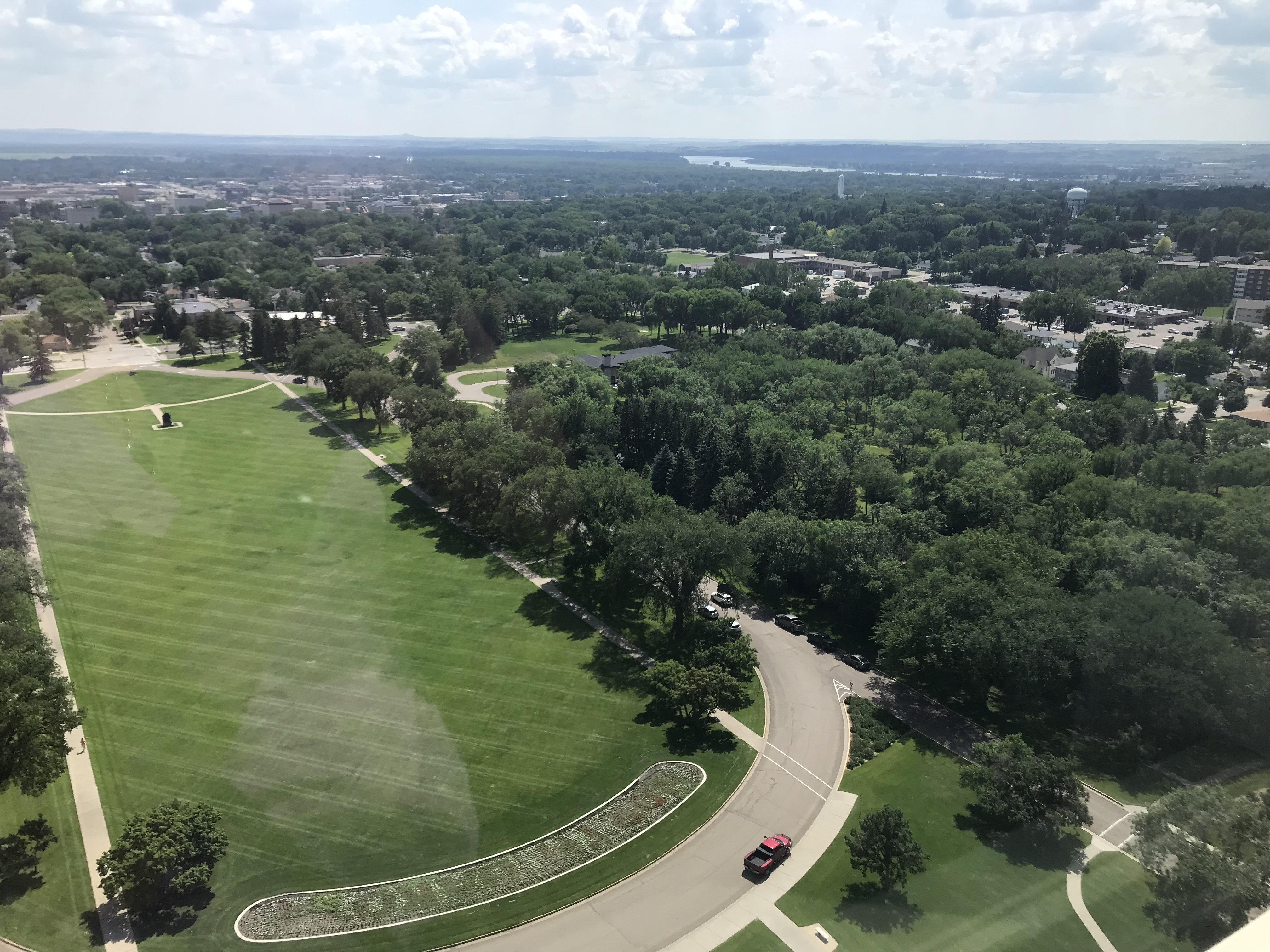
and give us this view

all in a day’s work:

this “boring” state makes dreams bright

campfires and all

The Endless Cycle

shooting aftermath:
AP testing in mid-June
for suburbanites

the gun’s reach has wrath
stretching fifteen miles south
of where my home is

they shuffle in, grin;
calculators, pens ready
for a number game

but they’re missing one,
his seat echoed in “thank-yous”
as they shuffle out

they are just children
trying to grow up and catch
the world’s beauty

my tires spin home,
the grey ponds reflecting love
i cannot give them

Fresh Powder

ski like life needs it
soon the powder will be gone
and we’ll miss this choice

Give Us a Choice, and We’ll Take It from You

Give us a choice, and we’ll take it from you.

This could be the motto of the education reform movement that has gripped Colorado and the nation.

I know because I am part of the problem.

I fell for school choice when the idea was nearly unheard of. In 1991, miserable after two years at Merrill, I heard an announcement that changed my life.

There was going to be a new arts school opening with theatre, creative writing, visual arts, and music. To me, it sounded like a dream.

I spent two weeks preparing for my audition.

And, even though my family thought I was crazy, I took the bus every day that fall and for the next five years to attend Denver School of the Arts, located in the low-income Cole neighborhood.

What did I learn at my school of choice? I learned that it takes a village, led by amazing teachers, to put together a literary magazine. A theatre production. A music concert.

And that village could include kids whose experiences and faces and belief systems looked and sounded nothing like my own. And that art could provide a guttural release of emotion more meaningful to me than anything I’d experienced in education. And that the “low-income” village included the most tenacious, beautiful people I would come to love.

That is why, twelve years after graduating from Denver’s premier school of choice, I bought into the idea of charter schools. An 80/20 bilingual pre-IB program starting as young as kindergarten? Sign my daughters up!

My fifth grader getting bullied at the regular school? Let me put her in the super-structured, flawless-reputation charter network where culture is king. Let her sister follow her.

Let us white privileged parents with the ability to chauffeur our children choose their schools for them.

School choice is all about privilege. I have the privilege, as a highly-educated, middle-class white woman, to send my kids to a charter school. To sift through school ratings. To take over something that was intended to bring better schools into “bad” neighborhoods, and, upon seeing their successes, the privileged flocked to.

And the schools? They run the gamut of success stories piled on top of failures. They pay teachers so minimally that the majority leave the profession within five years. They are plagued with mismanagement of funds and classrooms. They are run by people who have no experience in an educational setting and by people who want “something better.”

But I’ll tell you what’s better.

Not having the choice. A regular public school in every neighborhood that meets the needs of every student. Teachers with decent salaries who love the diversity of where they work and paychecks that help them sustain their families.

And a district willing to see that the phrases education reform, charterization, and school choice are synonyms for privilege.

You gave us a choice. In turn, we privileged took that choice away from those who needed it most.

This needs to stop. Now.