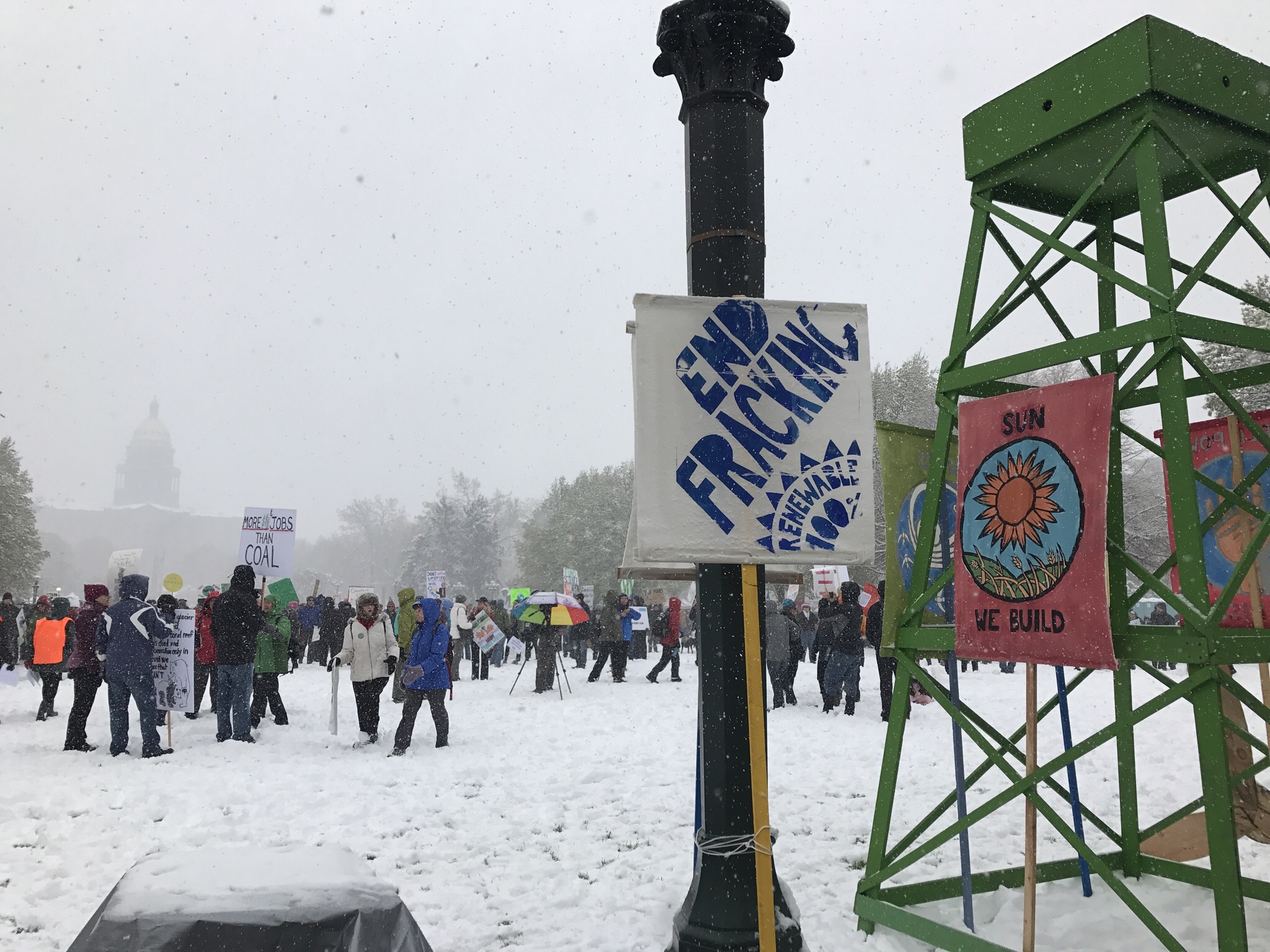
because we need this:
desertification looms
just beyond the bend
(Trump looms there as well,
where the ninety-degree March
made some record highs)
and so? a snow march
to keep precipitation
where it belongs: Earth



because we need this:
desertification looms
just beyond the bend
(Trump looms there as well,
where the ninety-degree March
made some record highs)
and so? a snow march
to keep precipitation
where it belongs: Earth
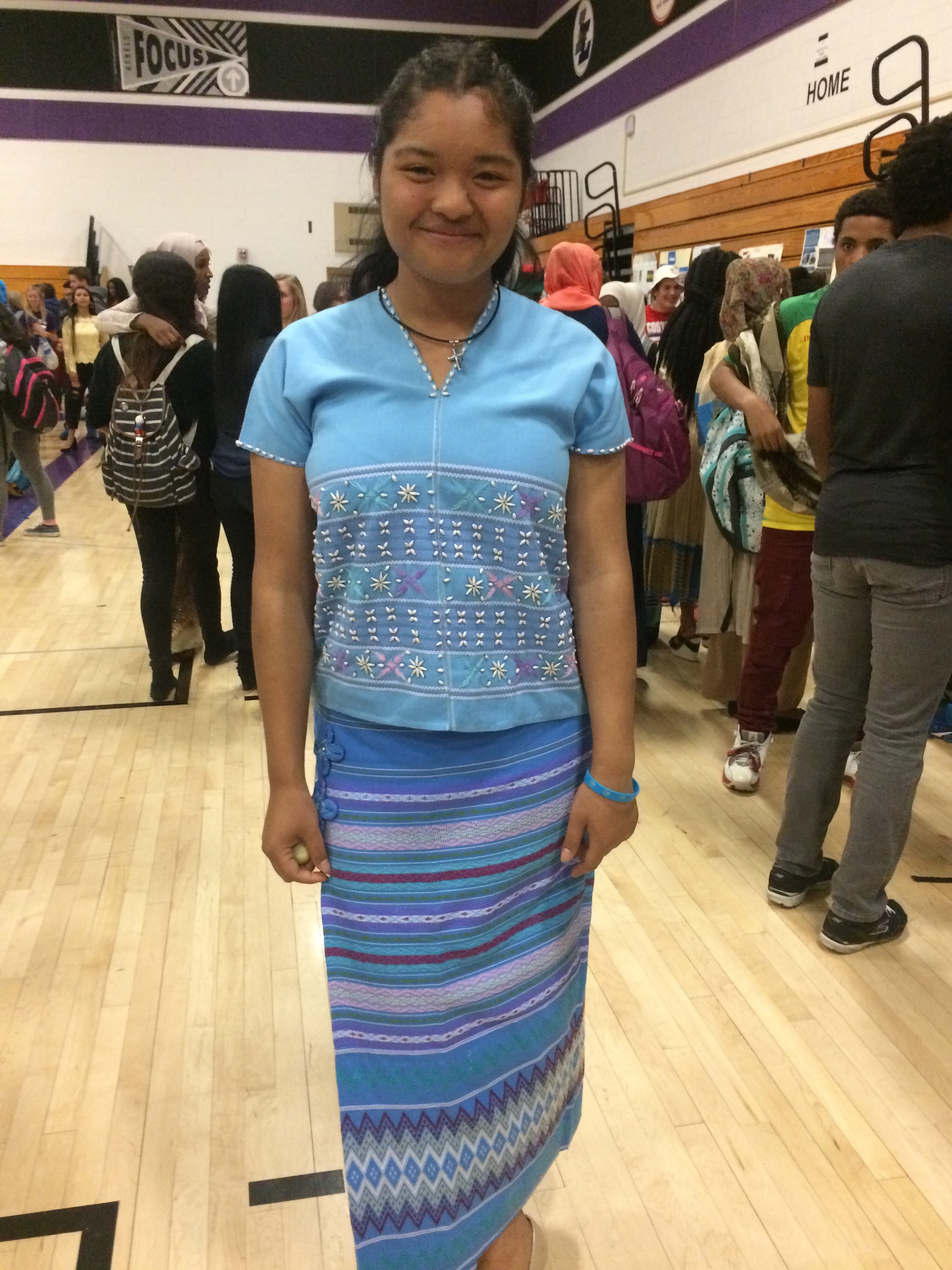
diversity wins–
the key to unlock hatred–
where beauty beats all.


In the middle class houses all being scraped
to build mansions no one can afford?
In the stagnant salaries that ask us to
work harder for less money?
In the moms working two jobs,
the dads unable to keep up?
Where is my Italian grandmother’s dream
of a better tomorrow, a house she and her
Irish husband built and paid for
before they retired?
It is not my dream.
It is not our dream.
I am the working mother,
the disappearing middle class,
I am the two-incomes-barely-making it generation,
the strapped-with-student-loans
cause-we-thought-it-mattered generation,
the trapped in social media comparison
of who has the best selfie, the best vacation,
the best life?
Where is my grandparents’ America,
who came back from the war and
built from the ground up those tiny homes
that we can’t wait to tear down?
Where are the housewives who can sew clothes
and cook duck a’l’orange for a Wednesday evening?
Who are there when their children come home?
Whose husbands could buy pay for this house
on just one salary?
I am Generation X, torn between Baby Boomers
who raised us to be independent
and Millennials who can’t do anything for themselves.
I am the white woman who can never decide
between what is fair for her and fair for everyone.
Where is my grandparents’ America?
In the broken corporate ladder,
in the endless need for greed,
in the generations lost between yesterday and tomorrow.
In the hope lost between King’s improvised speech
and Trump’s rampant ignorance,
in a land I barely recognize,
in the rubble of torn-down houses,
torn-down American dreams.

(NOTE: Inspired by “Let America Be America Again” by Langston Hughes)
health insurance rules
for relieving years of pain
please don’t take it back

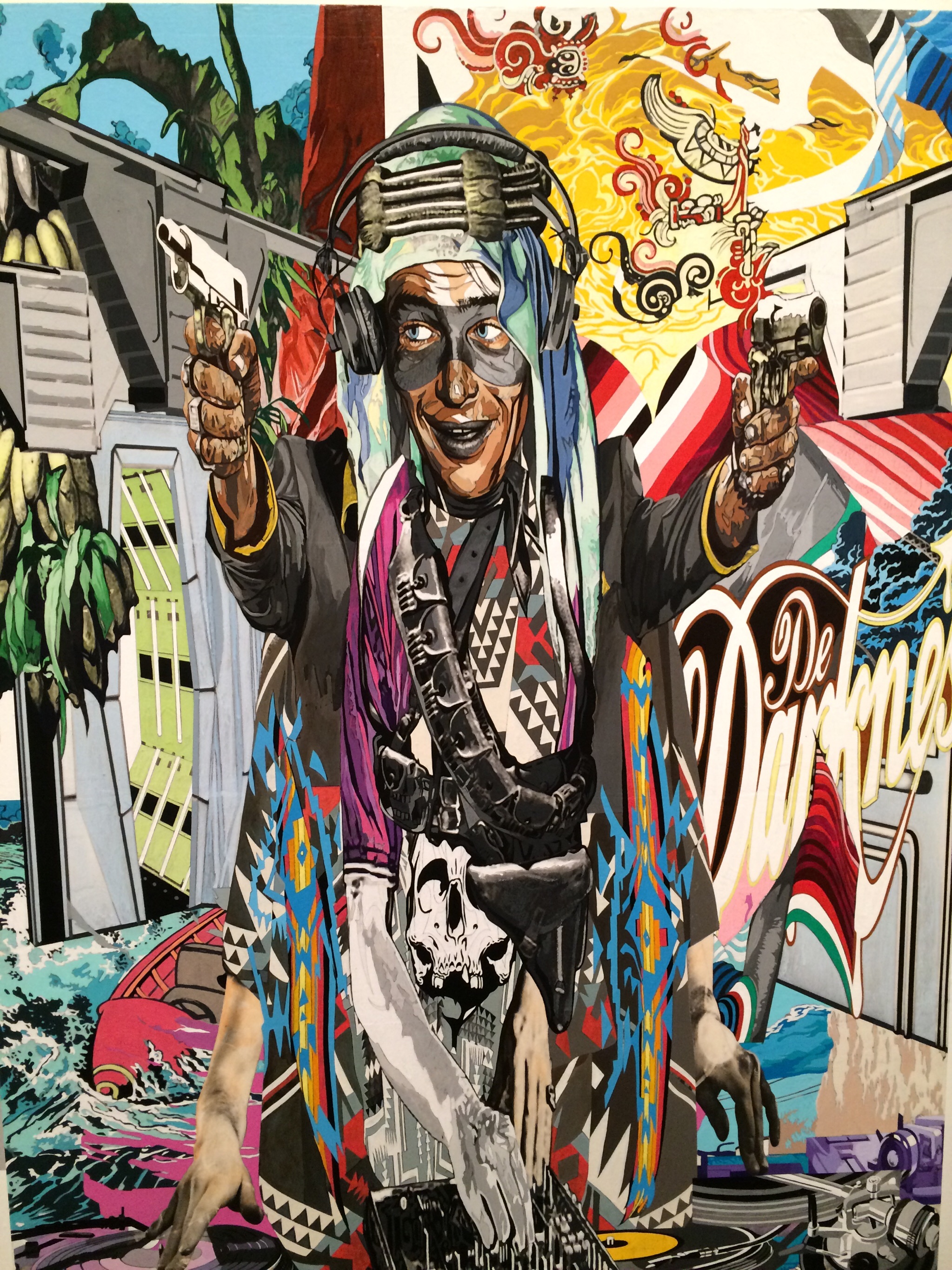
art intercepts life
on a cloudy Denver day
at the museum
social justice rules
when we create from our souls–
pen; paint on canvas
after a long walk
The Nightingale finally ends
(leaving with sorrow)
sorrow chases steps
across the gray of our lives,
of this cool spring day.
but i still find hope:
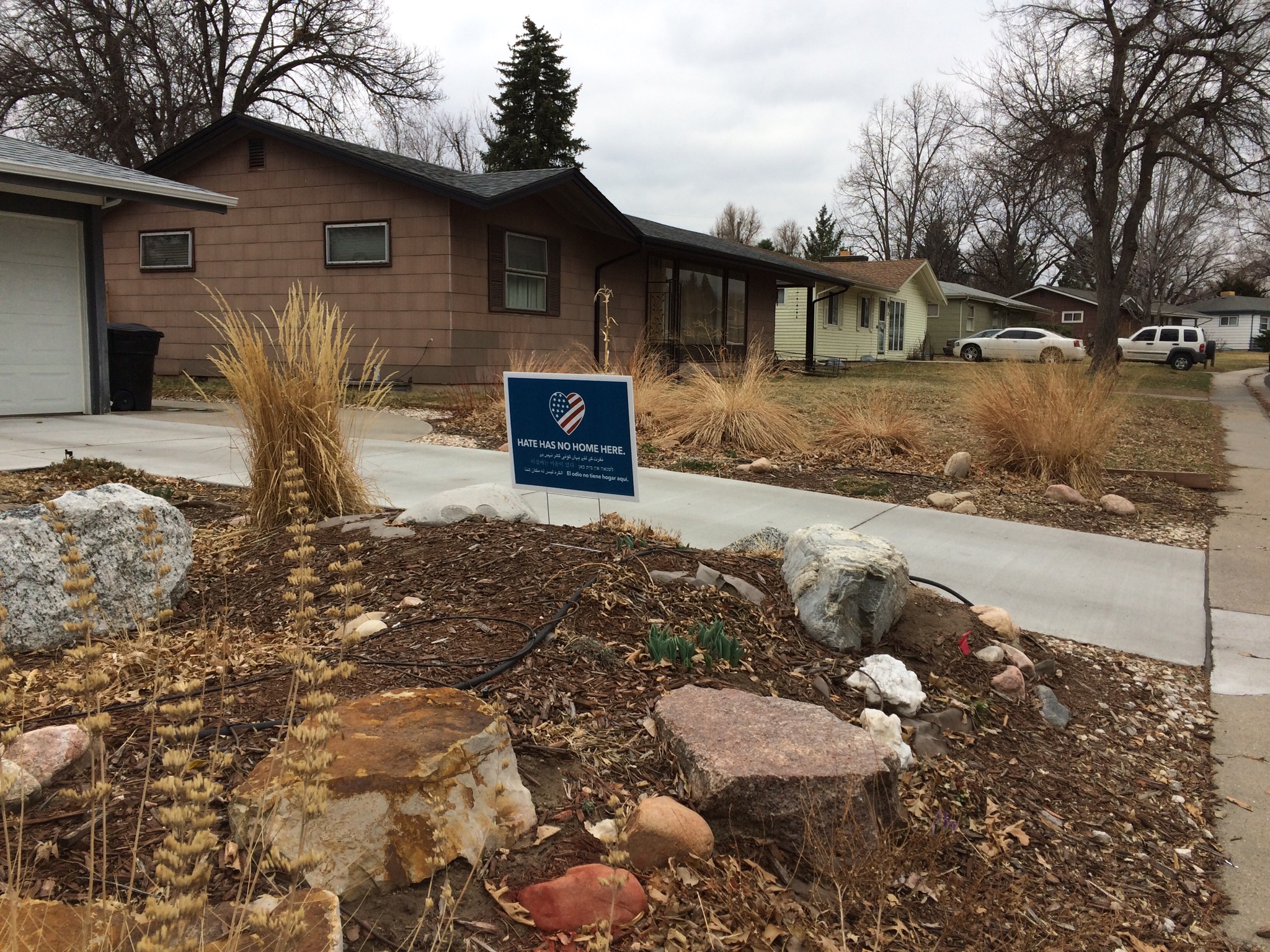
in neighborhood yard signs,
girls getting along,
in the purring cats,
the moist grass that begs to grow,
the chances that wait,
in my daughters’ eyes,
and the fight we all must fight
till tomorrow comes.


On a rainy October day when I was a child, my parents stopped in a small Massachusetts town on our way home from my uncle’s ski lodge in Vermont so that we could visit a Norman Rockwell exhibit. My mother had always loved growing up and looking at his realistic paintings on the covers of The Saturday Evening Post, and he had spent some time in the town where they were hosting the exhibit.
That weekend was one of the few where we were invited to pretend, via a fancy ski lodge in Vermont that boasted a sauna and private pond, that we were rich. We’d met our extended family there: aunts and uncles, cousins and grandparents. The kids all slept on mattresses in the loft, the adults took one of the four bedrooms, and my uncle took the owner’s apartment with a separate entrance at the bottom of the house. We’d play in the woods, race around the pond, braid our hair on the deck, and enjoy an array of delicious food that each family contributed to.
And then we’d drive home to our house in upstate New York, away from it all–the pond, the food, the family… the wealth.
But on that particular Columbus Day, after meandering through the Rockwell exhibit and google-eyeing all the paintings, my mother and father hemmed and hawed over one of their favorite prints: Homecoming. It sat in the gift shop at the end of the exhibit, covered in glass, matted, and lined with a simple silver frame. I don’t remember how much it cost; it may have been $20 or $100, but no matter the amount, it was too much. We didn’t have extra money for luxuries like this–art for the wall??–when we were driving a 10-year-old rusted out Datsun across three states for a weekend getaway provided by my rich uncle.
“What do you think?” my mother asked.
“It’s up to you,” my father responded.
And so the print was rung up, wrapped in brown paper, and carried across the shiny black parking lot through streaks of rain. My mother carefully stacked it atop our possessions at the back of the Datsun and we weaved our way through northeastern storms back home.
As soon as the painting appeared on the wall in our living room, I became obsessed with it. The details. So many faces!! How could he fit so many faces into such a small painting? The redheaded family with open arms, welcoming their WWII soldier home. The old brick tenement and naked trees filled with dirty children. The multi-sized shirts and shorts hanging from the line. The girl pressed against the corner wall, ready to surprise him. The gratitude in everyone’s eyes after the weary war years.
I used to try to count the people. 19? 22? 20? There were silhouettes hidden in the shadows of the apartment’s windows, and it was difficult to determine exactly how many there could be. Homecoming became an ongoing mystery: How did he paint this? How many people did he mean for there to be? How long was the boy at war?
My grandfather, a mostly silent and grumpy man, had survived that war. Was his reception like this one–so filled with emphatic joy that all would be forgotten?
I doubted it.
I saw everything in that painting. The desire. The poverty. The hope.
It hangs in my house now because my mother tired of it, earned more money, moved on to different art, and because she knew how much I loved it as a child.
I pass by it on my way out the door in the morning. Sometimes I play the game with my girls–how many people are in the painting? It witnesses all our guests, all our arguments, all the laughter and joy and chaos that are our lives.
And in these ominous days since the election, it bears witness to my hopelessness. I fold laundry and cook dinner while listening to The Nightingale by Kristin Hannah, one of the many books I have read about WWII. This one has yet another perspective–that of the takeover of France and the secret groups that defied the Nazis to try to stop the war. It focuses on women–women who had to host German soldiers in their family homes while their husbands were prisoners of war. Women who took risks to save the lives of fallen RAF British pilots. Women who had to wait in line for hours for food rations. Women who had to turn in their radios–their only communication with the outside world–and be prisoners in their own homes.
I think about, walk by, and examine Rockwell’s painting as I listen to Hannah’s words. As I remember that dreary day when we bought the print, knowing my parents’ meager salaries couldn’t really afford it. I imagine what it must have been like for my grandparents, living through the daily sacrifices that encompass a war.
I imagine what it might be like for us. As news floods in daily with human rights stripped away piece by piece, with constant comparisons to Nazi Germany, how can I avoid it?
How can I not put myself in that painting, arms open, ready to welcome home my long lost soldier?
Will there be a day in my lifetime that I am there, really there? Maybe one of the silhouettes in the back corner of the window, ready to finally come out?
Will there be an end to this madness that is only just beginning?
Will our country, our people, our democracy, ever have a homecoming?
I cannot answer these questions, just as I cannot accurately count the number of heads Rockwell painted. I can only guess. I can only imagine.
I can only hope that our homecoming is just around the corner, just like that redheaded girl, waiting for her savior to wrap his arms around her.

one student now gone
another with court papers
(deportation threats)
country’s dark shadow
creeps into every moment
of this “president”
Nearly nineteen years into our marriage, it is time for new furniture. A friend came over the other night, and as the girls piled onto my lap on the sofa claiming their right to me, the wooden leg busted underneath, exposing the reality of its twenty-year-old, hand-me-down state.
Hence, Bruce and I spent four hours today driving between stores, researching cat-scratching deterrents, and deciding on a leather reclining non-power furniture set… that we didn’t buy.
Instead, we continued our twenty-first century journey to the grocery stores. We bought the usual to feed our family of five: avocados and cilantro for our weekly need for fresh guacamole, bananas, apples, and clementines to fill lunch bags, chicken and sushi to make our dinners.
And something more: a stockpile of nonperishables. Beans. Pasta sauce. Brown rice. Cans of soup. Tea. Flour. Canned tomatoes.
Yesterday, my husband of nearly nineteen years and the man so nonviolent that he cringed at the idea of actually killing an elk the one time he went hunting, told me he thought it might be time to buy a gun.
Today, we decided to save our $2000 on furniture because we might need it to stock up on food and provisions before the coming of the war that inevitably will destroy our democracy.
This is what Sundays have become. There is no joy in errand-running, no hope for a new living room set. There is the impending doom of a future that none of us can predict nor look forward to. There are three girls in our home whom I fear will not have a future at all. There are tweets and executive orders and absent investigations and jaw-dropping obstruction.
Soon there will be food shortages. Rations. Militia.
It is all around the bend as we navigate from city to suburb to city on the highways brought to us by progressivism, searching for what we need today, for what we might need tomorrow.
This is what our Sundays have become: me sitting in my nearly-nineteen-year-old recliner, hoping this marriage, this world, my children, will live to see another nineteen years.
Hope for today: a new student came to my advisory. A Syrian refugee who has been here for 20 days. He could not communicate very well in English, but another newcomer from El Salvador who’s been here for a few months was able to help him with signs and support. He also took pictures on his tablet of everything I handed out and was able to run the words through an app that translated the words to Arabic. And, through the tablet translation, proudly told me at the end of class that he speaks three languages: Arabic, Turkish, and Kurdish.
I wonder what else he has stored behind those questioning eyes? I can’t wait to find out. And I’m so glad he made it through the Trumpocracy.
#standwithrefugees #standwithimmigrants
 Step Write Up