A National Emergency

A national emergency is a series of hurricanes on one coast and as many fires on the other coast, the direct results of climate change that our country chooses to ignore. A national emergency is the healthcare crisis, where we can’t get prosthetics if we’re missing a limb or pay for cancer treatment even if we’re dying. A national emergency is CEO pay which has multiplied exponentially for five decades and left the common worker with a salary too low to buy a house, buy eggs, or pay rent.

There is no national emergency at our border. There are millions of people, despite all of our national emergencies, who have faced far worse: farms that can no longer grow coffee due to climate change, dictatorships that have taken away all rights, medical care that includes fewer options for cerebral palsy or cancer than we have here.

Their emergencies trail behind them, left in their home countries weeks, months, or years ago, and like that train that they cling to carrying them across Mexico, they hope never to see again.

They are here now, families in tow, babies in tow, ready to work, ready to enroll their children in school and provide jobs for teachers like me, ready to take into their hands the American Dream that you have declared doesn’t exist for them.

They are not criminals.

They are not illegal.

They are not a national emergency, an executive order you’ve used to circumvent Congress on your first day in office.

They pick your food and clear your sidewalks after snow and build your roofs and work in your restaurants and run your factories and teach your children and make you rich. They are professors and lawyers and engineers and mechanics and everything in between.

They are human.

And after more than four hundred years of forced colonization and enslaved labor indoctrinated in our blood by imperialists like you, the only national emergency is how far back we’ve moved the dial of progress, and for how long we will make Suffering the motto of YOUR AMERICA.

Stamina

The Atlantic and many other news sources have recently reported that students at elite colleges can’t even finish a book, and probably only read one book in high school, if that. The article focuses on the inability of students at elite universities who are struggling more than ever because of their lack of focus and literacy.

As a twenty-two-year veteran English teacher, I can verify that much of this argument is true. I have seen the curricula of high school English shift from reading novels to focusing on shorter, nonfiction texts since Common Core was implemented soon after I started teaching. So, yes, in school, students aren’t reading many books. But what about the rest of their time? Are they playing sports, playing on their phones, playing with drugs, or all of the above?

As my career has shifted from a typical English classroom to a Newcomer classroom, I am challenged with many more pressing issues. Students who don’t know how to cope with the trauma they have experienced. Students who only went to school sporadically at best or not at all. Students who have never held a pencil and students who have witnessed gang or war violence all of their lives.

In my attempt to teach them functional English–everything from the 44 phonemic sounds of our English alphabet to how to ask for directions–I must also teach them about the way our world works… or, at least, how to function in this new country.

When I find out that one of my students is pregnant, I feel it’s my fault because I didn’t tell that shy, sweet child to walk downstairs to the clinic and get the free birth control Colorado provides.

When I find out one of my students doesn’t only speak Sango but Ngama and was forced to attend school in Chad where everything was taught in French, I know I need to find more resources for her family so she can finally learn to read… in English, her fourth language.

When I find out one of my student’s stepfather is abusing his mother, after they crossed the Darién Gap together and weathered the immigration storm only to discover things aren’t much better here, I know I need to connect him to housing resources and domestic violence shelters.

When I discover that none of my students has ever read a book and can barely read the ten-page phonics stories in our weekly reading groups, but stumble through every word in their attempt to learn English, I think about what a waste our world’s resources are. We have the richest country in the world and public libraries every half a mile, and as usual, teachers are blamed because students can’t read, even these elite students who have the world’s books at their fingertips.

These “elite” students can’t get through a novel, and sometimes I feel like I can’t get through a day. Maybe they feel the same way, but I don’t know why. I don’t know why our government doesn’t open its arms to welcome the burning desire that every immigrant I’ve ever met has had to work and be a part of something that they couldn’t find elsewhere.

Instead, Trump comes to my town and tells his followers, all from a luxurious resort with six restaurants and an indoor water park, that immigrant gangs are ruining our city.

My classroom is mostly Venezuelan, and most Venezuelans are the most literate and hardworking students I have. He doesn’t know a goddamn thing about why they’re here or what they’re doing or where they’re living or what they have to offer. Just like those elite university students who can’t get through a novel, he couldn’t possibly survive a day in their shoes or stand at the front of my classroom trying to convey the cultural nuances of this country while also bridging the gaps between what they know and what they have to learn.

Now, who should we be more worried about–the elite students who don’t have the stamina to finish a book, the candidate who has likely never read one, or the immigrants whose lives are already more traumatic than any novel, and are here to tell their story and make this country part of it?

You tell me… if you’ve had the stamina to read this.

$1000

What can I buy with $1000?

A color printer for my classroom so I can make posters pop for my Newcomer students. Eighteen credits at ISU so I can try to earn a livable wage with a salary lane change. A week in a hotel for one of my students and his family who were out on the streets.

What can you buy with $1000?

The last shred of dignity that DPS promised on our September paychecks. You said you kept your promise with extra pay for hard-to-serve positions and bonuses, a 2.06% raise, and $1000.

But guess what? We didn’t receive the $1000 that you are holding because our union wants arbitration against your broken promise. We only got the watered-down raise.

Where is it? Where is the 5.2% COLA raise that you agreed to?

When my student’s family was living in a tent, I asked my English colleagues at South for as much money as they could spare. Within a day, I had collected more than $1000 to keep this family off the street for a week. Why did I ask when we’re all strapped for cash, when gas and food prices and mortgage interest rates keep so many of us from paying our bills?

Because that is what I do. I teach Newcomers who came here for a better life. I work with generous colleagues who would reach into their nearly-empty pockets to come up with $1000 because it matters to a student. A family. A life.

How else can I earn $1000, or a real raise? From my second job as an adjunct professor, where, if the classes don’t get canceled before they begin, I might earn $1000 extra a month to make up for the gaps in my DPS paycheck? From teaching summer school, doing ISA paperwork, coaching, directing, or after-school supervision?

Why isn’t what I do in a day, in a school year, enough to earn $1000 of your respect? To earn 5.2% of your respect?

I plan lessons and grade papers for four preps. I have a classroom of students who just arrived from all over the world and speak seven different languages. I engage them in English, help them cope with trauma, show them where our food bank is, take them on excursions across the city, teach them about cultural norms, and communicate with their families about their never-ending physical and emotional needs. I have kids who have never held a pencil and don’t know their letters in their home language and kids who could write a novel in Spanish, and I work my ass off to meet all of their needs, even if it means giving them $1000.

What I don’t have is a salary proving that DPS believes that what I do is respectable and professional. What I don’t have is my promised COLA.

DPS, you agreed to support your teachers with a real raise, and you couldn’t even give us $1000. If a picture is worth 1000 words, I hope my words are worth at least $1000.

Clothe Our Kids

it began with needs
now they’ve met one hundred K
and brought these smiles

Silver Anniversary Trip, Day Twenty-one

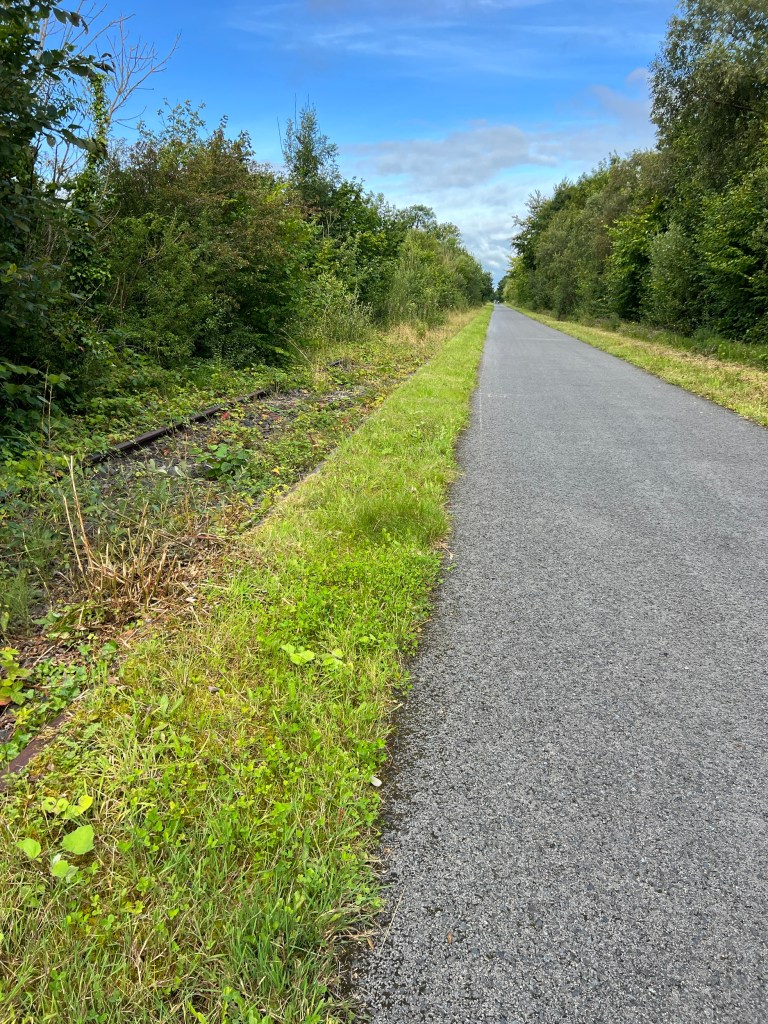
a calming cycle
on a rails-to-trails flat path:
way to start the day
more history learned 
at a medieval castle
built, burned, lost, rebuilt
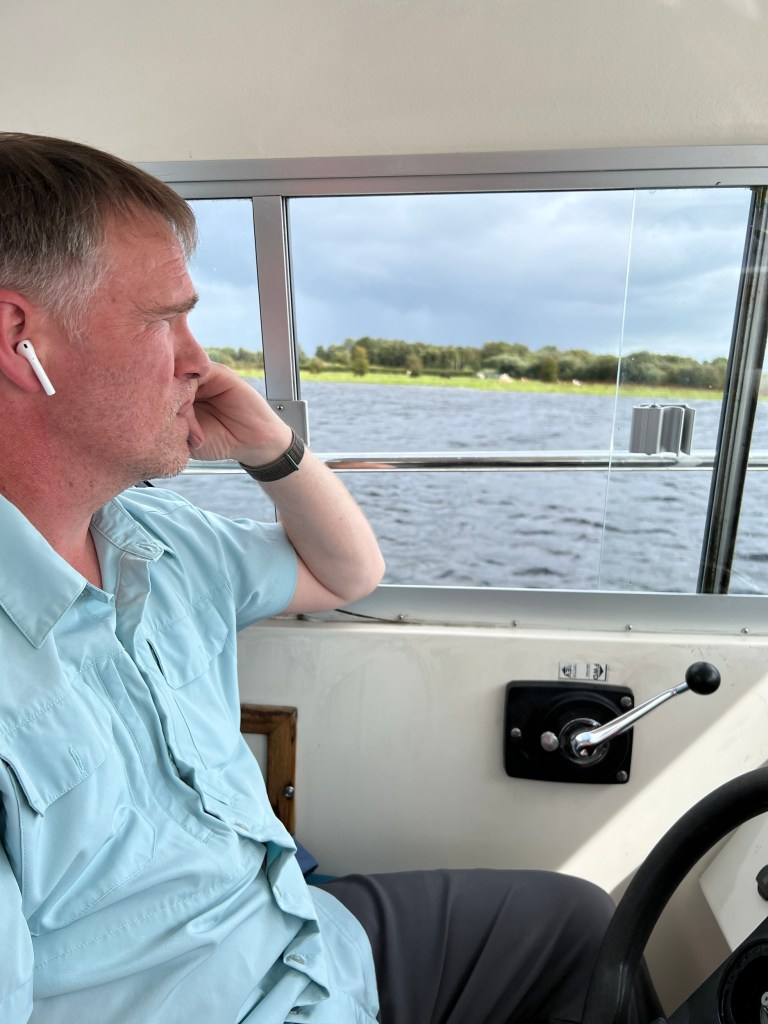
my man boating us
back down the river, towards home
our heritage left

Silver Anniversary Trip, Day Twenty

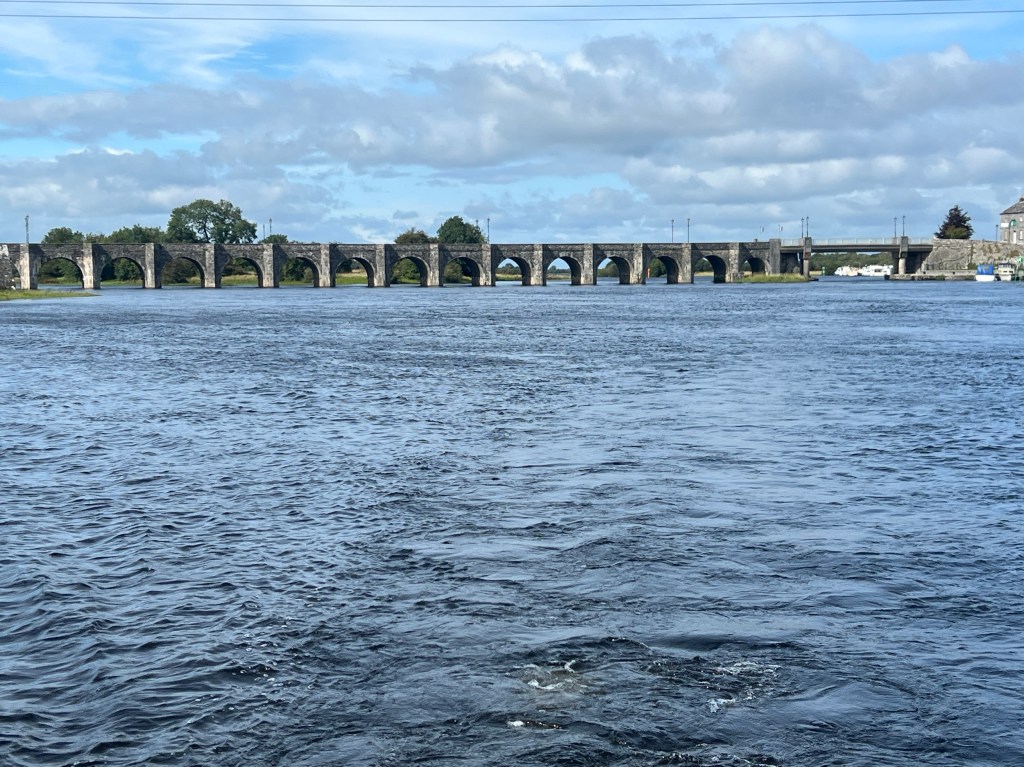
riding up river
in a boat we drive ourselves
weathering windstorms
the river’s flooded
even for Irish standards
yet we navigate
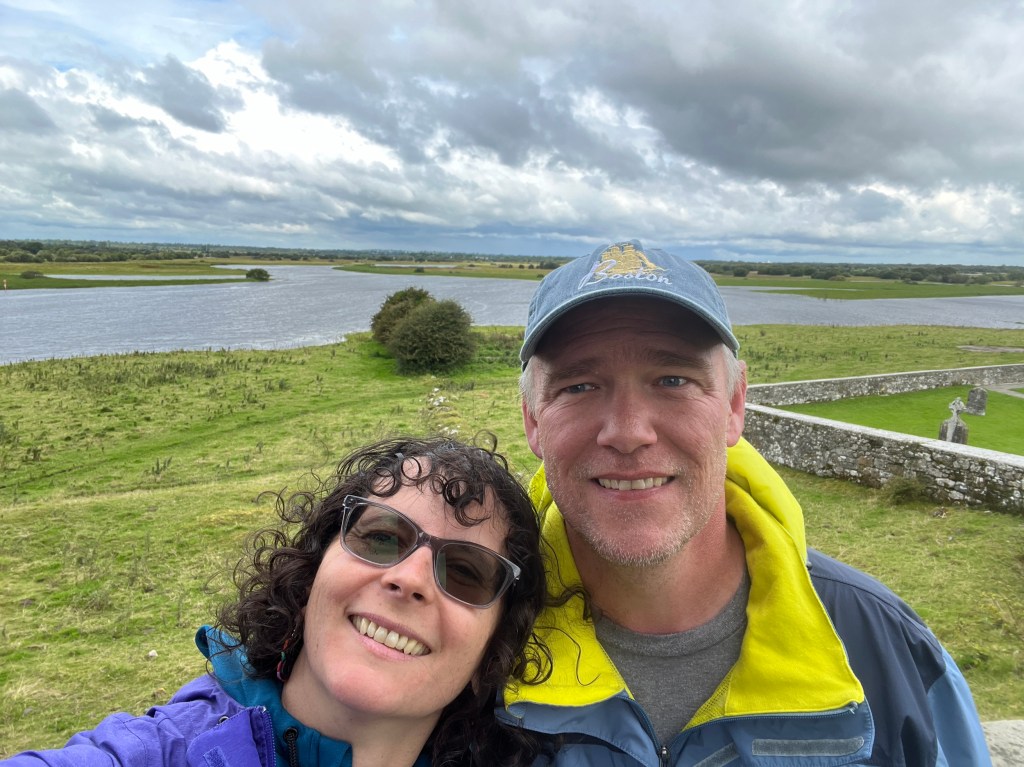
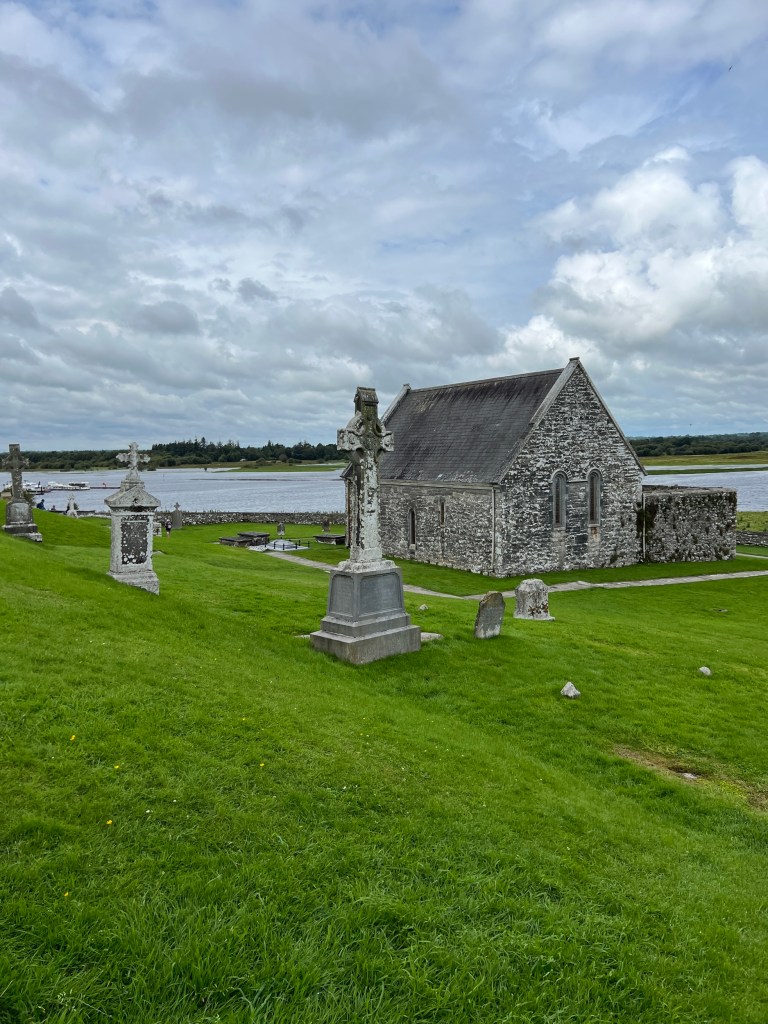
monastery stop
seventh century ruins
Irish faith runs deep
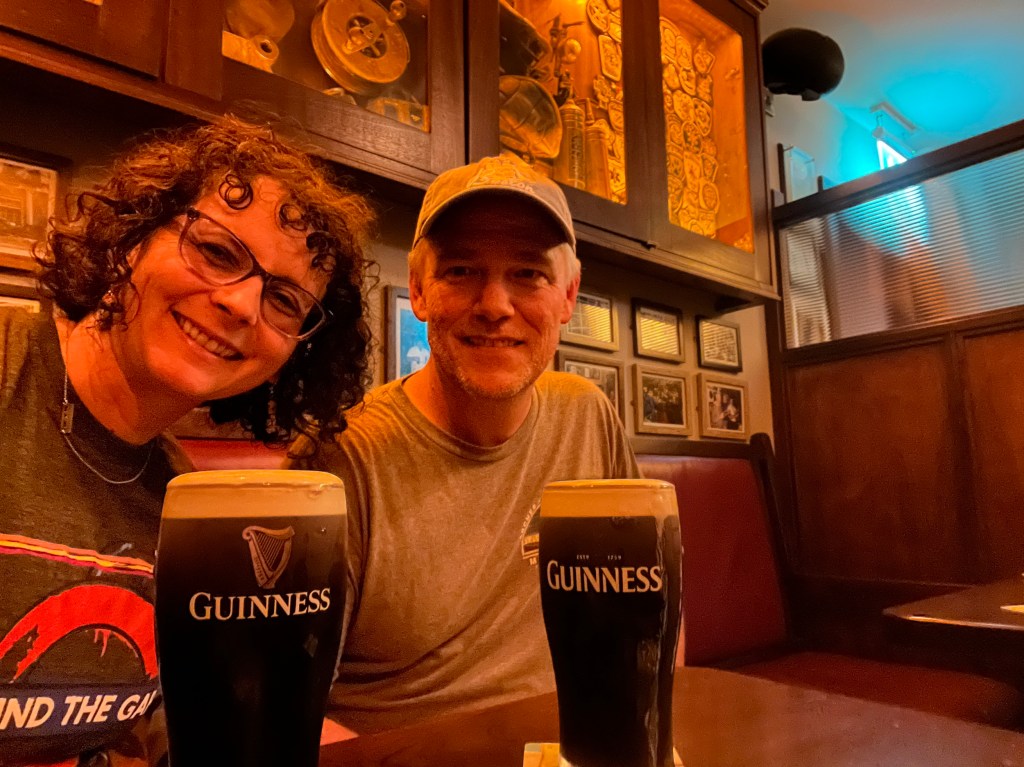
a long drive’s reward:
stellar food, oldest pub
and Guinness to drink
sleeping on a boat
knowing Athlone’s lights alight
can be quite calming

Silver Anniversary Trip, Day Nineteen

a castle day trip
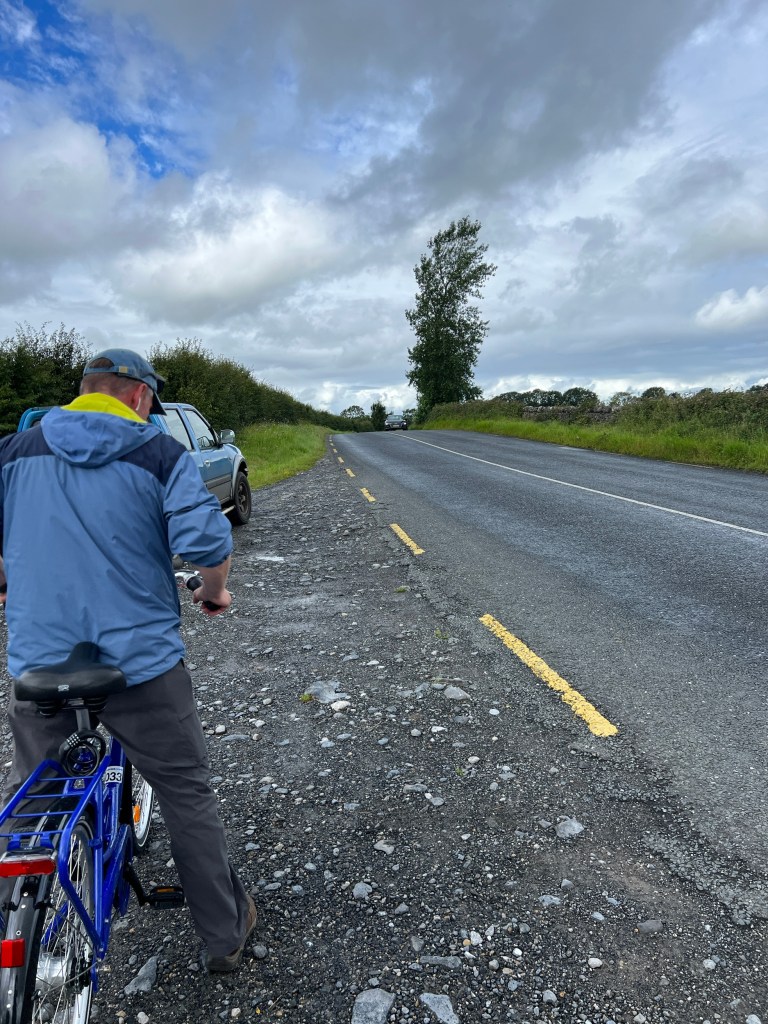
cycling on sketchy roads
yet worth the visit
hidden Irish gems:
four hundred years of earls
residing in stone
science surprises:
this telescope discovered
distant galaxies
and Bruce got to stand
in the largest redwood grove
outside the U.S.
night ends with laughter
in a 1500s pub
kindness in their blood

Notice to Quit

Form JDF-97. That is what I researched and printed, ready to post on the door today. The door of the house my husband and I bought at the ripe old age of 23, thank you Air Force and VA loan. Thank you for giving us this house that somehow sits under a dark cloud since we bought it, with every fixer-upper problem that ever existed, from an ever-flooding main drain to an ever-flooding basement to hail damage as thick and broken as my heart right now.

The house my second child was born in. The only house my children knew until we packed up everything and moved to Spain eleven years ago.

The house with the huge and expensive yard.

The house with the lilac bushes and the playground clubhouse.

The house with the two-car garage, the covered patio, the jetted tub.

The house Bruce thought we’d live in till we died, his Tennesseean tendencies so hard to break down.

It’s so hard to break down, this life, this shattered siding we “invested” in, this roof we’ve replaced once, this dumpster full of junk that isn’t ours, this tire swing that’s still there.

In my Subaru, sitting across the street with my youngest daughter and her forever friend, I had the “Notice to Quit” form next to me in the passenger seat; she had the tape; I had their phone numbers.

Instead, I took this picture. I saw them throwing things into the dumpster and loading things into the truck and never noticing us. I saw my life walk in and out, in and out of the empty garage, the giant spruce next door, the giant ash still growing in our backyard.

And I couldn’t get out of the car. I couldn’t confront the man with the arsenal of guns, the daughter and her girlfriend who’d lived there for years though she wasn’t on the lease, the broken siding, the unanswered insurance calls, the probably-leaking roof, the definitely-flooding basement we scraped everything together to finish… the loss.

The loss that is so profound when you quit. When someone gives you a Notice to Quit, the first step in the eviction process. The Life Eviction that is my second child moving out, barely 18, still that baby born in this room of THIS HOUSE, and wanting to live there now instead of living with us.

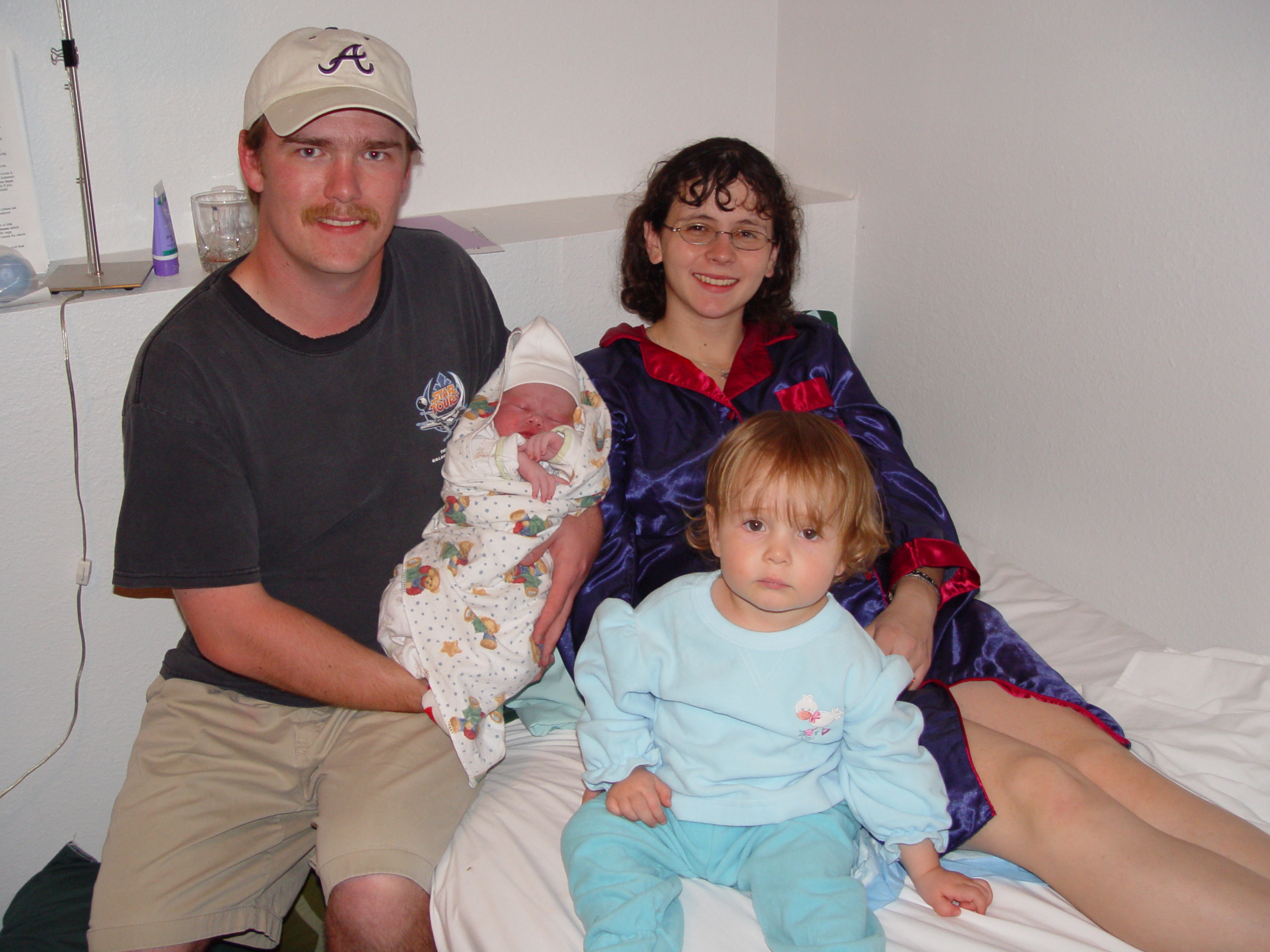
Look how proud we were, holding that baby in that tiny garden-level bedroom, Izzy just a bit apprehensive about her loss of “I’m the center-of-the-world status”, us in our twenties, in our home, our home, our home…

Her home.

There was no Notice to Quit. I didn’t get out of the car. Made a phone call instead. Quietly pleaded for the keys, the vacancy, the lease to end.

If you didn’t notice, I almost never quit.

And neither will she.

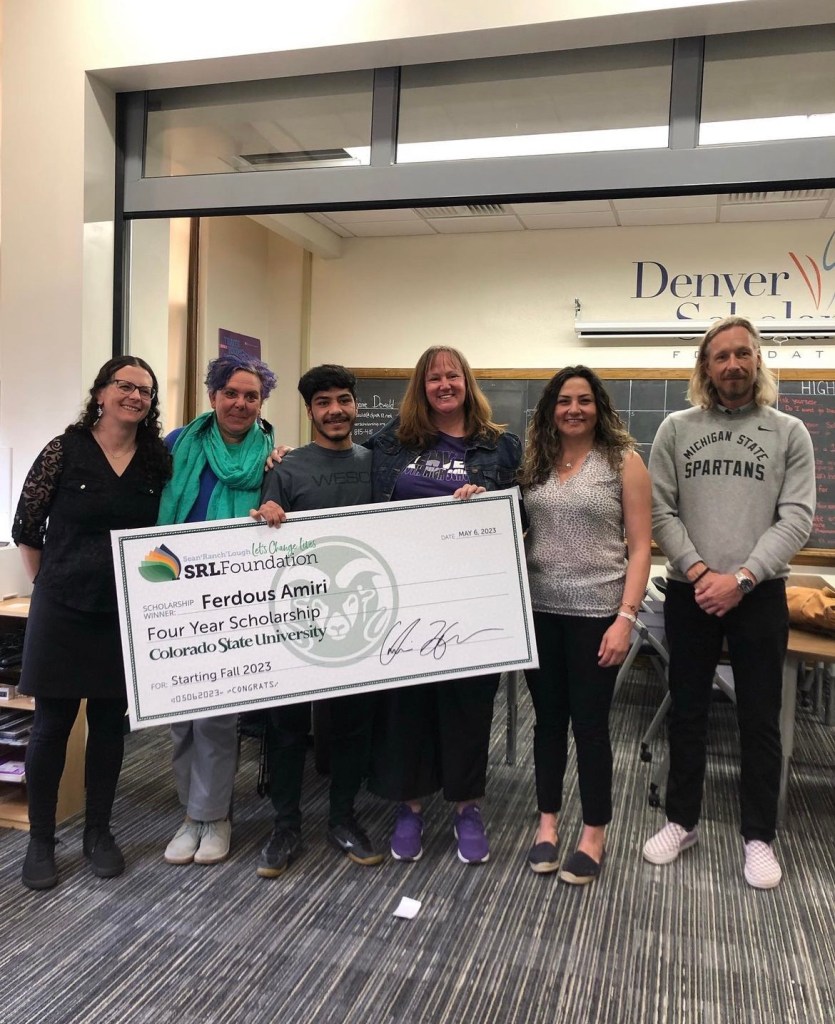
Full Ride All the Way from Afghanistan

sometimes we need hope
when the world feels hopeless
this student brings it

What I Would Say If I Could

What you took away with your error:

Trust. Friendship. Education. Love. Accountability. Faith.

What you didn’t hear:

Danger. Toxicity. Neglect. Ignorance. Hate tactics.

What we have lost:

The connection of the Kabul airport that they shared. The trauma of it–of suddenly being ripped from the only home they had ever known, of fearing the Taliban would come for them next, or their mother, their father, their faith in humanity. The collective trauma that bonded them together and allowed them a communication that none of us could fathom. A connection, through Dari, Islam, and kindness, brought to her by her paraprofessional interpreter. A confessional for her to share how horrid her foster mother was. An English classroom where all her friends are, where her teacher loves her and wants to help her. The relationships with her peers who now can’t understand the reasons behind her choice.

YOU are the reason behind her choice. You broke your professional commitment to a system we have in place that is meant to protect children, and you gave power to the toxicity of a human not fit to be a mother to anyone, let alone a fragile, motherless child. You sided with lies instead of the truth, and everyone will suffer because of it. Especially her. Especially this girl whose mother was murdered by the Taliban, whose foster mom has stripped her of her religion, language, and connection to her culture, who has manipulated and molded her to be a completely different human being because she was too fragile to say no to her.

I will never forgive you for all those hours you spent in my house, looking me in the eye, holding my foster son accountable, asking me point blank if I’d had enough, listening to me, trusting my judgment, only for, one year later, for you never to trust me again.

I have been teaching for more than twenty years. I have seen belt marks on children. I have heard stories of sexual abuse. I have called to report starvation, emotional abuse, neglect, alcoholism, and drug addiction. I have done my job to protect the children who shuffle in and out of my life year after year.

And I thought you could do yours.

YOUR JOB IS TO PROTECT CHILDREN.

So is mine.

Only one of us is doing it right today.

And it is not you.