C & H

It was cruelty that put him here. The cruelties of poverty, of corruption, of one governmental thievery after another. Our government to theirs. Their government to their people.

It was cruelty that put him in a cage, that gave him no choice but to keep on keeping on, train after train, burnt house back home, left-behind baby sisters, parents unable or unwilling to give him what he really needed, really wanted in life.

It was cruelty that led him to my classroom and into the basement “bedroom” of our home.

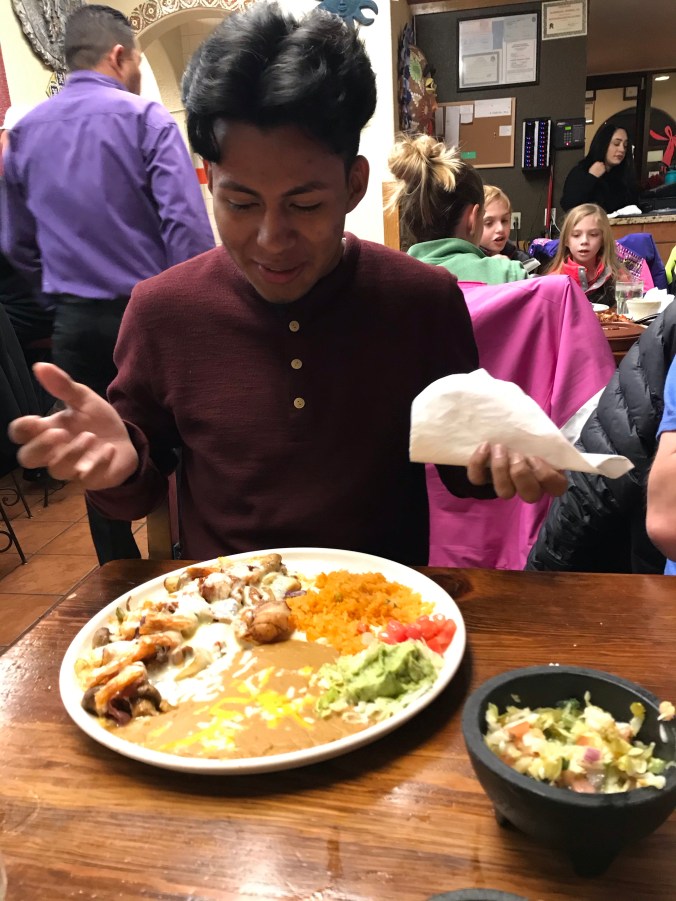
But today, there was no cruelty. Only the miracle of another turn around the sun. And this eighteen-year milestone is so much more than the tres leches cake my youngest prepared, so much more savory than the two pot roasts we spent half the day cooking, more than the intricately-decorated banner, the piñata he never could hit as a kid.

Today, there was only humanity.

The humanity that bleeds through the cruelty even when you think it isn’t there. In programs established by past presidents that a team of social workers, caseworkers, and even a famous poet worked tirelessly to get him into before his eighteenth birthday, when suddenly, and for completely arbitrary reasons, our government labels young boys adults.

The humanity in lawyers working day and night, in the middle of Christmas and New Year’s while visiting family, who are willing to send emails and make phone calls and answer every stupefied gringo-I-don’t-know-the-law question.

PRO BONO.

The humanity in my friends who sent gift cards, cash, and prayers, to thank me for bringing this boy home.

Cruelty brought him here. But humanity has won.

If you combine C & H, you’ll have nothing but sugar. Pure sweetness.

And that is what I want you to taste as you read this post, as you click on these links. The sweetness of humanity. It may seem to be hiding behind the C, but without it, what would we have?

Certainly not a game of spoons. A party of smiling teenagers. An artist’s pencil.

Or a speck of hope.

Blow out these candles with us. Sing this song in broken Spanish. And relish these sweet dreams. They are yours. They are his. They are all of ours.

And they are sweeter than any cruelty you could imagine. Just taste them. Take a moment to taste how sweet our world could be.


New Year’s Eve

in 2019

Bruce learned to ski from up high

into a new life

in 2019

a drain drained our resources

and worsened our debt

in 2019

my girls adjusted again

to life’s challenges

in 2019

we were given the rare chance

to make a difference

in 2019

we traveled through the country

searching for ourselves

in 2020

we’ll make a better life

everywhere we go

A Quick Email to End 2019

My creative writing teacher (I will always refer to her as such even though I graduated nearly twenty-five years ago) asked us (her forever students) to send her a quick email about an important gift we gave or received this holiday.

Maybe I could snap a quick pic from the tree on Christmas Eve, filled with makeup, watercolor markers, jeans, and long-sleeved blouses for my three teenage daughters. Or of Christmas morning with the magical Apple Watches, so coveted by my Apple-only family.

Or the earrings my mother made me or the gift card to Colorado Gives from my sister.

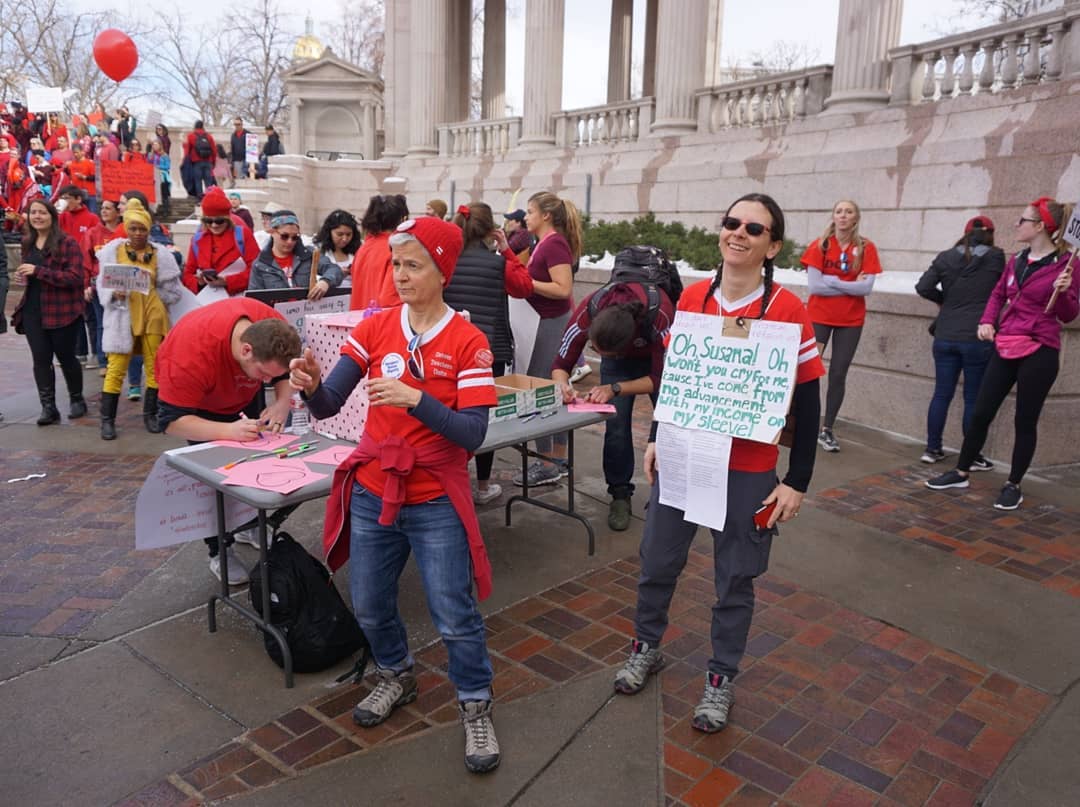
Maybe I could capture a quick pic of my 2019 accomplishments: Writing about, and participating in, a teachers’ strike that led to a life-changing raise.

My first paid-for post. My hundreds of hours of work wrapped up in a National Board Certification. My ever-intricately-planned summer road trip across seven states.

But none of these things could begin to compare with the gift that this year has given me. The gift of this man in my life who would do anything, anything to prove his love to me. Marry me when I was just a baby. Follow me to Spain. Learn how to ski nine months and one lesson after tearing his ACL. Read every post. Drive overnight through the midwest so the entire family could sleep.

Take into our house a boy who doesn’t belong to us and in every way belongs to us.

You have watched the news. You have seen the stories. You have donated money. You have screamed in frustration at the cruelties and injustices inflicted on others by our government. By ourselves.

But have you stood in front of fourteen Newcomers and come to understand how brightly they still see our country? Have you had a hallway conversation with a boy who informs you that, after five days of walking, twenty-five days of train-hopping and pigeon-killing, two days of washing windshields in Mexico City, five days waiting to cross the Rio Grande in the middle of the night on a raft, one week in a detention center and four months in a home for unaccompanied minors, and four months in a homeless youth shelter, he is still looking for a home?

And that, no matter what, he cannot, will not, return home?

What would you do? What might you ask your husband to do? Your three ever-spoiled, ever-adaptable, ever-loving teenage daughters?

Would you keep scrolling past the images of children under space blankets on concrete floors?

Or would you realize that this boy is standing in front of you, in your school, in your class, in your life, without a home? A family? And do something? Anything?

I cannot take a quick pic of the past two weeks, the entire time that has passed between my knowledge of his status and his soon-to-be permanent placement in our home. The phone calls, the emails to every last human I could think of who might help him. The two-hour meeting with the Department of Human Services, his Honduran father on the line, ready to relinquish all rights. The background checks, fingerprints, home visits, all within a day. His arrival to my home with three garbage bags filled with clothing and no coat. The shy first meal that he took to the basement to eat. Alone. His quick smile and ever-present hope that this place must be a better place. His immediate love of our three pets.

I cannot send Mrs. Clark a quick email about my gifts this year. There are too many to count, they are the uncountable nouns I teach my Newcomers: love, hope, future, desire.

They are all in this union that the caseworker asked about today: “Married for almost twenty-two years? Tell me, how do you do it?” “Patience and love. Patience and love.”

They are here, in this boy, unwrapped, ready to be our brother, our son, part of our world.

These are my gifts. I’m sorry this is such a long email, Mrs. Clark.


Beyond

our preparations

for this moment of our lives

go beyond torrejas

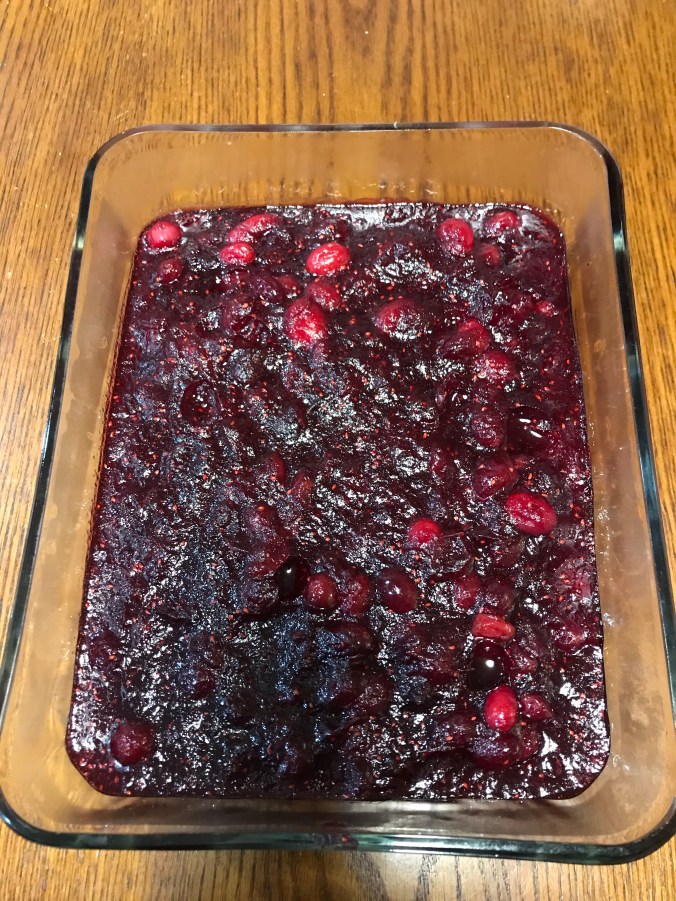
beyond this sweet sauce,

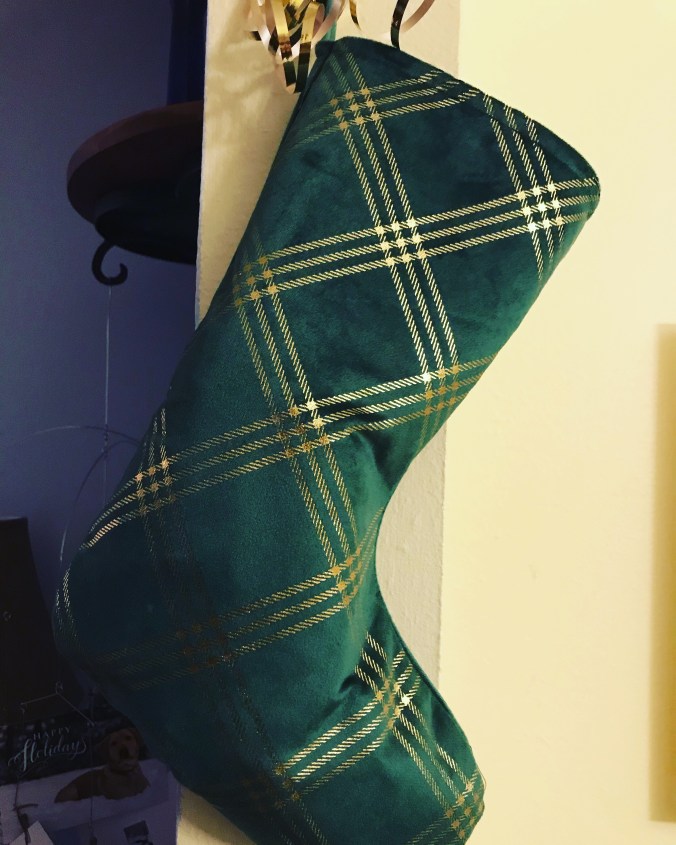
this Christmas stocking for you,

beyond this moment

our preparations

go beyond twenty-two years

when we were babies

when we were in love

as only the young can be

and he promised me

what promise, you ask?

to open our home with love

when it is needed

Bio Poems

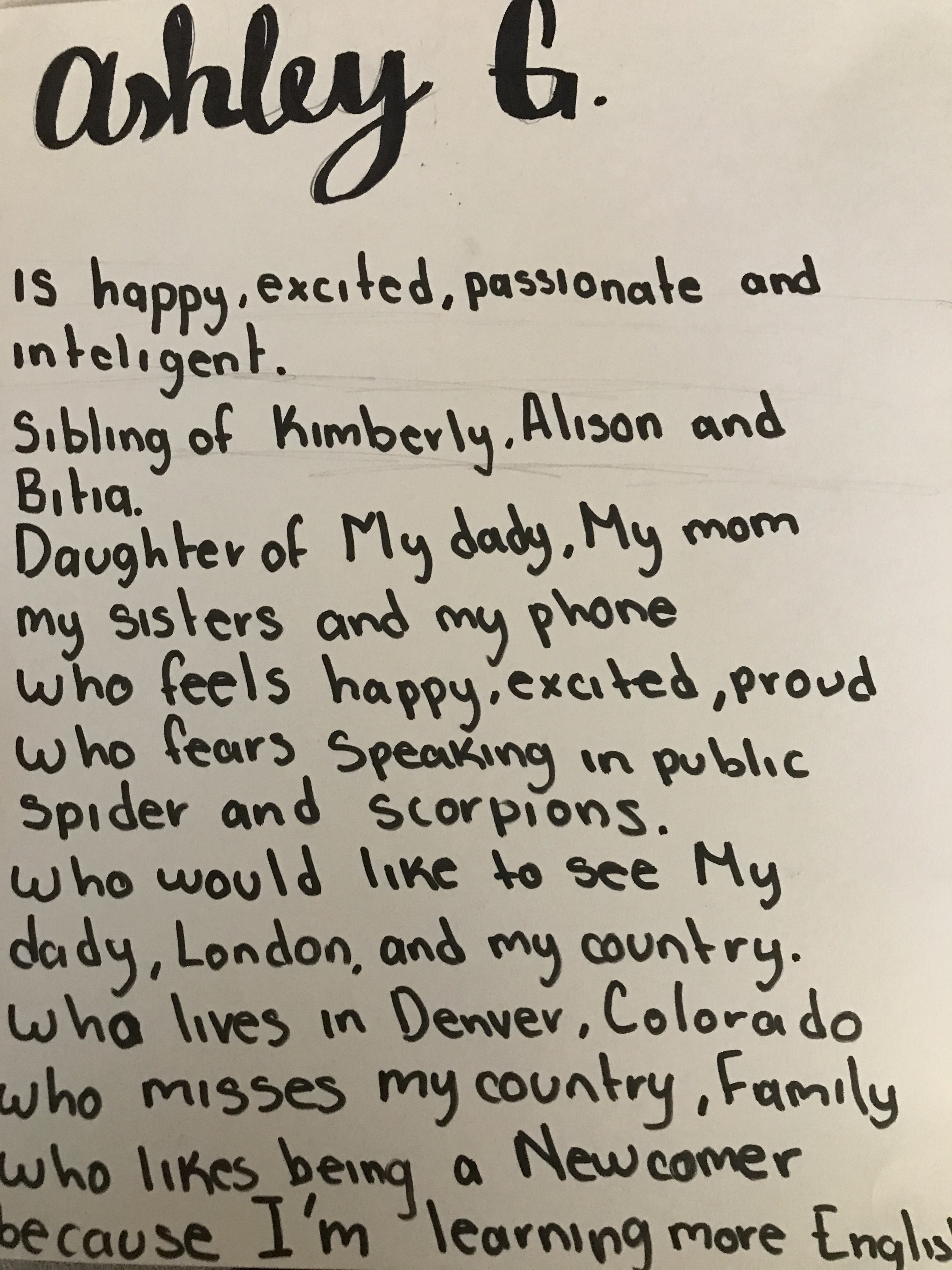
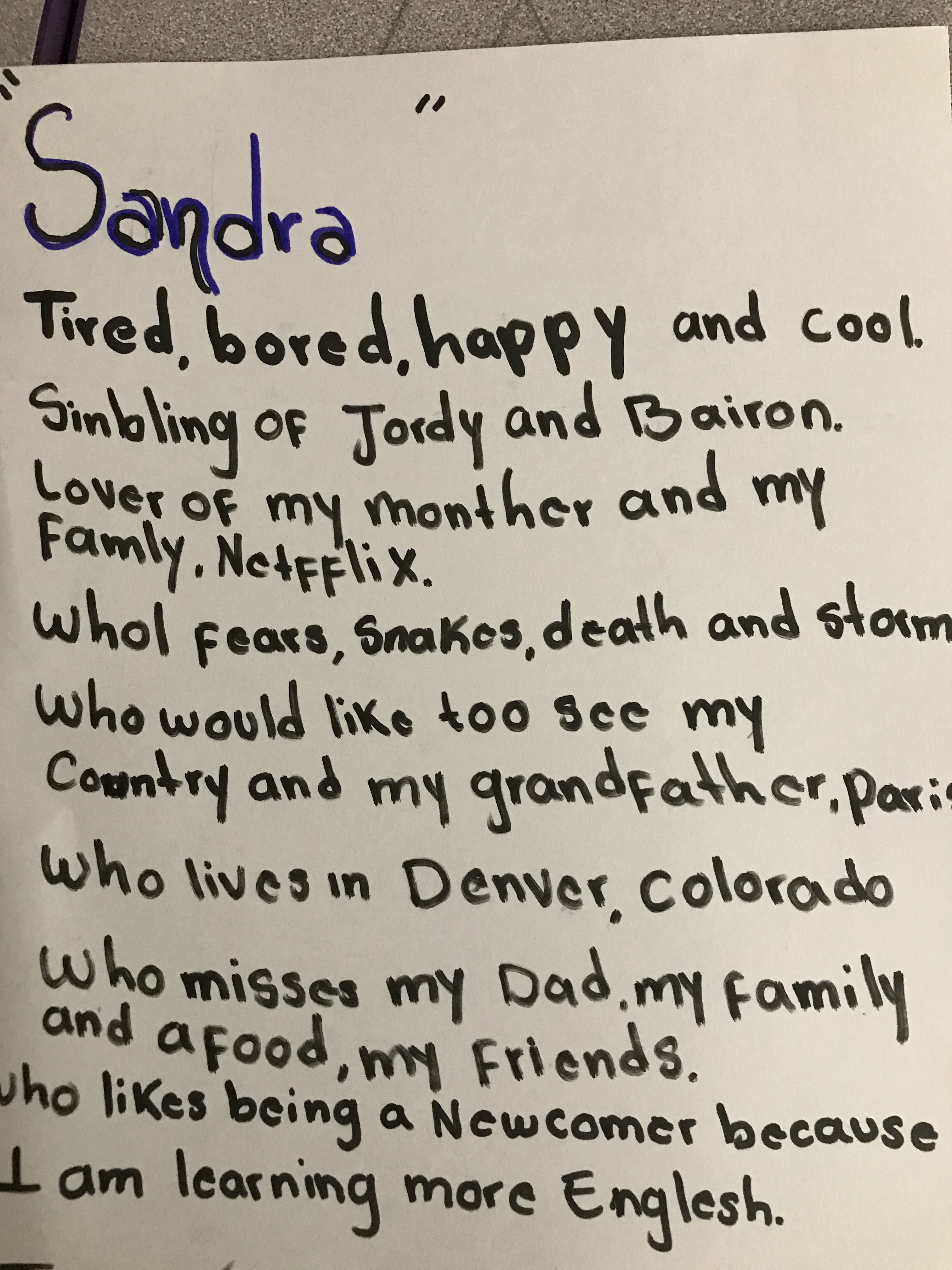
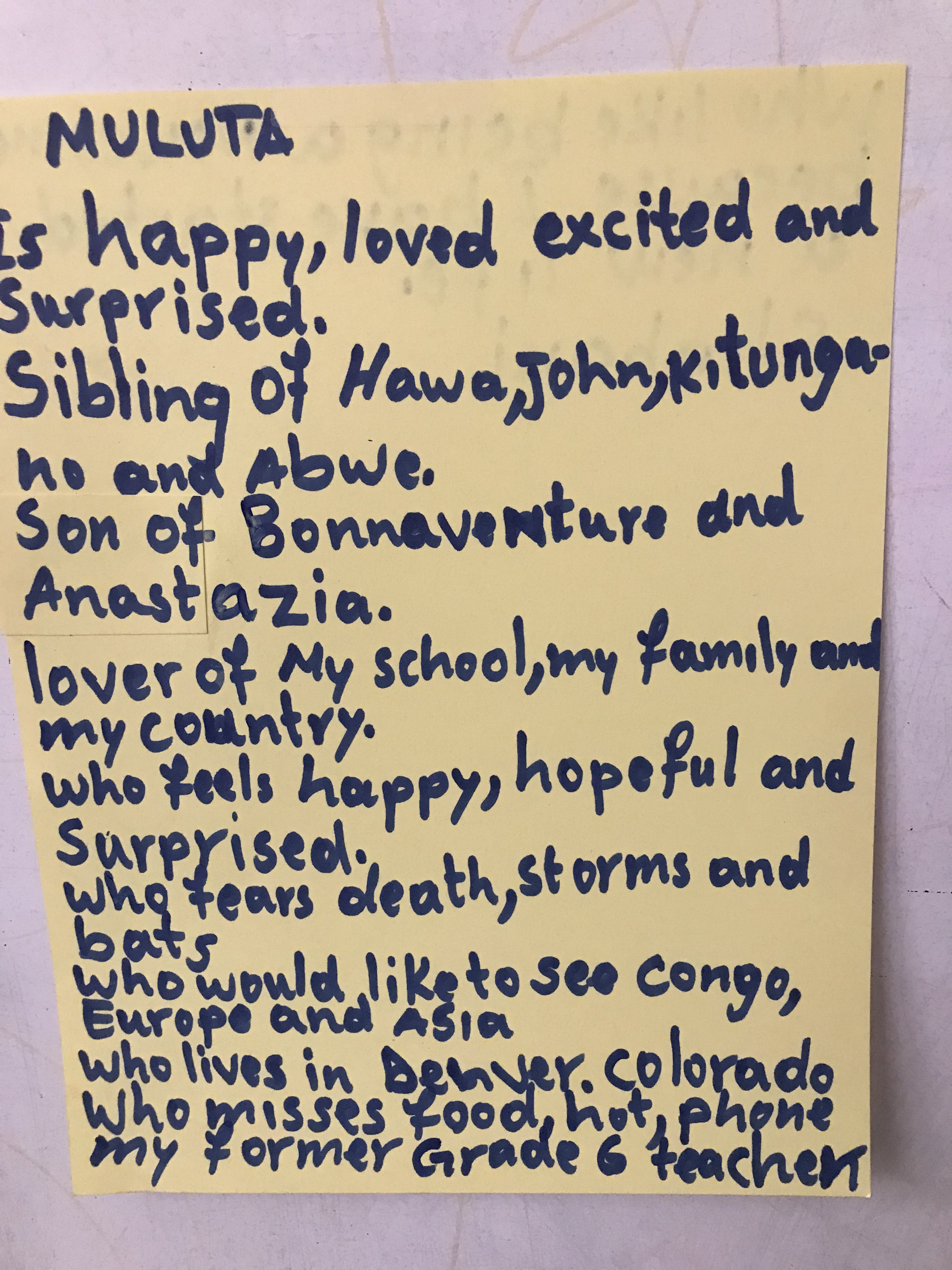
The suits came by this afternoon. We were in the midst of discussing our fears, which in a Newcomer classroom involves many pictures, much acting out, my modeling of three circled fears, and quite a bit of screaming along the decibel lines so that they could understand the subtle differences between a little scared, a lot, and TERRIFIED.

These fears would go into their Bio Poems, every English teacher’s favorite go-to poem, which seemed so much easier during my last fifteen years of teaching and seems ever-so-complicated now that I have to find emojis and facial expressions to visually demonstrate a range of emotions from happy to angry to guilty for line six, “Who feels…(list three emotions) today”.

The suits heard me scream. They peeked over the students’ shoulders for the entirety of their five-minute, who-knows-why visit. They thanked me in their usual ever-polite way and walked towards their next classroom visitation.

We get a lot of visitors. A white woman just like me and nothing like me wrote a book about our Newcomer Center, and everyone now wants to partake, to drink in her words, their struggles, and culturally tour what it’s like to learn English when your background is anywhere from illiterate in your native language to I-understand-everything-Ms.-says-but-refuse-to-verbally-communicate.

To simplify fears, I asked my students to circle their top three from a photo-supported list of superstitions, animals, insects, arachnids, the open sea, death, crowds, public speaking.

“Are you afraid of dogs?” I asked one, trying not to laugh.

“No…”

“Say the whole sentence now.”

“No, I’m not at ull ufryeed of dogs” came the reluctantly-read reply.

“Are you afraid of spiders?” I asked another.

“Yes, I’m terrif-eed of spee-ders.”

With every sentence comes a retracing of steps, a pronunciation clarification, a pointing to the word, the picture.

And with every sentence, their silent fears hung in the room waiting for the words they don’t yet know to formulate in their minds. More than death, more than the open sea, more than flying or walking under a ladder.

They fear those adults walking into our room. What are they looking for? They fear they will never see their homelands, their aunts, uncles, grandparents, ever again. Some fear they’ll never see one or the other or both parents, the ones they had to leave behind. They fear the next school year when they’ll have a full-on regular schedule and “grade-level work, as all students deserve rigor” and won’t be with me or each other for the majority of the school day. They fear their citizenship status, their asylum status, their social status in a country too complex to summarize in a few Thanksgiving lessons.

Am I imagining these fears? Am I putting words into their mouths, thoughts into their heads?

And this was just one line of our poem.

It took us two hours to write a ten-line, sentence-framed bio poem. The suits didn’t see the real struggle, the re-explanation of vocabulary such as siblings, daughter, What I miss most… They didn’t see how easily some students filled in the blanks, how carefully others penned their cardstock, how reluctantly they read aloud their poems to their partners.

They didn’t read the lines that could break their hearts. So simple, language. So complex.

In five minutes, in ten lines, in two hours, could one write a life story? Could they insert their biographies into the blank spaces so that we could all understand where they’re coming from? Could they explain to me, to the world, the fears that they carry?

No. Bio poems aren’t enough. Suits visiting for five minutes is not enough. This post is not enough.

Only their words, their many, many words in so many languages hidden behind these lines, and their faces, their multi-colored, multi-emotional faces, could begin to capture what is missing from their words.

But the suits didn’t stay to see any of that. I hope that you will stay. I hope that you will see them for who they are and not just peek over their shoulders, unaware. I hope that you will listen and take their fears right off of this page and into a better future.

I hope that you will take their fears, your fears, all of our fears, and turn them into something more than words. Something powerful. Something that we can shape into a better bio poem for all of us.

Something Given (Datum)

I have a data tracking problem. It starts with the word itself which is used to put a number, instead of a face, on my students. Data. A Star Trek android.  A mathematician’s daily routine. A financier’s dream.

Here is my data problem. It starts with the word itself. From Latin dare, “to give” to Latin datum, “something given.”

We ask them to give us everything. Their trauma (trainings throughout the year on the various levels of trauma which range from a singular event to chronic abuse to historical-impossible-to-erase-racial bias), their educational history, or lack thereof, their familial and cultural belief systems, their languages, their motivation (impacted by anything that ranges from zero to a thousand), their futuristic ambitions.

We ask them for everything. We ask them for themselves.

And they bring themselves, each little datum, into my room each day. They bring themselves to my meetings with colleagues when, upon realization during our DDI analyses, my co-teacher informs me that the majority of an entire section of her course can’t even read the sentence, “The cat sat upon the mat and spat,” let alone correctly analyze an SAT passage for grammatical inconsistencies.

“And how am I supposed to teach them how to read?” she ponders, a high school teacher for twenty-five years.

And how am I supposed to categorize my students’ data by skin color, as my school asks me to, to close the gap between my three-years-here Iraqi refugee whose favorite English words are cusses, who has adeptly adapted to U.S. culture so fluently that he can identify how absurd it is when people come up to him on the street, assume he’s Latino, and start rambling in Spanish, with the Rohingya Muslim who just entered my room from a refugee camp where the militia taught him a great deal of verbal English, but who has never spent a day in school, saw his parents murdered by this same militia, and can’t even read or write in Burmese, let alone English?

Or should I include the datum of A who spent five months trying to cross the border and another five months in three American detention centers with limited food, clothing, blankets, toothbrushes, or hope, only to be “adopted” by a white American suburban family, more or less ex-communicating his entire Honduran upbringing and culture because “it must be better here”?

Should I include each individual datum of the paraprofessionals who translate information for these students? Who have mostly arrived here as refugees themselves, but lost everything in war-torn, conflict-bound transport, including degrees in education, civil engineering, law, and decency, to get paid $15 an hour to translate to my kids the silly little things their crazy teacher says?

Should my, could my, data include my school district, that spends millions of dollars a year purchasing curricula that neither reflects my students’ faces or experiences nor is adequate enough to meet the various cultural and linguistic needs of every kid who walks into my classroom anxious to learn? My school district that employs and perpetuates incompetent leaders who have never taught an ELD course in their lives, let alone learned a second language, but choose inadequate resources for my students because THEY LINED THEIR POCKETS WITH GREED?

Should my data include what my Newcomers scored on their practice PSAT 9 test? Do you think that after two months of learning how to pronounce “th” and practicing “There is/there are” verbal phrases, they can accurately and beautifully read 500-word passages and correctly choose the best College-Board-meant-to-cherry-pick-college-bound-geniuses analyses?

Should my data include my professional development leadership meetings, where they show me every week, rather than asking me how it’s going, rather than ever once visiting my data meeting and giving me feedback, rather than taking a moment to understand what it’s like to be an English Language Learner, how to run a data meeting?

One that includes disgruntled teachers. One that includes major gaps. One that includes colonial white language and not the language of my students, and WHAT ARE YOU GOING TO DO TO FIX THAT, ESPECIALLY WITH THIS WHITE COLONIAL LANGUAGE WE THROW AT YOU WITH OUR “CURRICULUM”?

No.

My data is I. B. A. J. E. A. H. All their names. All their stories. All the letters of the alphabet (some of them just learned this alphabet from me, thank you very much).

My data is me talking to those two boys about how their counselor should have told them they didn’t have to take physics with the hardest teacher in the school, that they could have taken zoology and had a passing grade and the science credits they needed to graduate.

My data is every one of the dishes my Newcomers brought to the table after learning how to give directions, walking through the neighborhood and telling each other to turn left, stop at the light, learning how to bake brownies from scratch, learning that English verbs are actually quite simple, and they can explain to the entire class and the entire world how easy it is to make chapati, pupusas, patacones, flan.

My school, my school district, my world: they ask me for something given.

But what have they given to them?

Have they given them a better life? Have they given them words as powerful as redwoods, indestructible after a thousand years? Have they given them the hope they crossed the ocean, the river, the bitterness, to attain?

Have they given them the data that they will need to make their dreams a reality?

I have a data problem. It starts with the word itself. And it stops when I see their beautiful faces.

It stops here. Because they are all that matters. Not numbers. Not something given.

Something to give. Me to them. More than anything: them to me.
 

Student Teacher

the docent guides us
through arrays of modern
and native artists

she knows history
as told through the white man’s lips
my students tune out

4CC233B0-1338-4C20-8D2D-A806A2059F17

in the third floor hall
a border touts a blue sky
peppered with soft clouds

A6E2F6EE-D413-4405-90EE-199F42C9E383

in haunted vocals
the artist sings the DREAM Act
as the clouds roll by

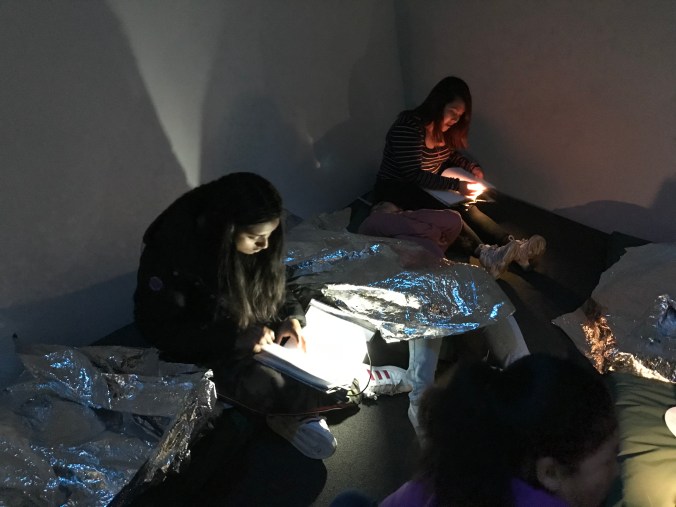
my kids find blankets
as thin as Mylar balloons
and read their stories

84B25A39-4F86-494D-B340-6976250E036E
when my Honduran
says, “Our blankets were warmer,”
the docent’s perplexed

“You mean… You? You crossed?”
“Yes. And they kept me just like this.”
(like rats in a cage)

“Did you come alone?”
her disbieving voice shakes
(new history here)

“Yes… I was alone.”
her honest confession steals
the docent’s lesson

(she, like all teachers
thought she could share her knowledge
only to be schooled)

My Livelihood is ‘Political Theater’

I have twenty-eight students with one to two essays due EACH WEEK in my new University of Phoenix class, my second job that pays $225/week on the occasional basis that I am granted a class.

I haven’t taught this particular class in over two years, so of course, they’ve changed the entire syllabus, I have to read two different textbooks, and I need to update all my rubrics. Also, all of the online discussion questions have changed, so I will need to respond to thirty different questions with a new set of thirty 200-300-word responses.

Part of the reason I keep this job is that it’s online, and I can squeeze it into (every possible free moment of) my day.

Another reason I have kept it, at the moment, is to fund the $2000+ I’m paying, in addition to doing hundreds of hours of work, to try to obtain my National Board Certification, which is the only possible way to get a raise at this point in my career without investing thousands of dollars and hours in another degree (I am MA+30).

The disheartening reality of what every teacher I know does to survive, every teacher who isn’t lucky enough to marry rich, or at the very least marry someone with guaranteed job opportunities and a forever-steady income, is that we must jump through every hoop imaginable to make ends meet.

We teach summer school. We do home visits. We spend our own money on advanced degrees and credits with the hope of improving our instruction and earning mediocre raises.

This is on top of the fifty or more hours a week we spend planning lessons, grading papers, counseling students in trauma at lunch and after school, attending meetings, sports events, professional development, and student recruitment events (because we have to sell our schools now).

So when my state, my “blue” but really purple (perhaps leaning red) state, calls us actors on a “political theater” stage, I am at my wit’s end:

“Criticizing the most recent teacher pay bargaining session as ‘political theater,’ the head of the Colorado Department of Labor and Employment urged the Denver school district and its teachers union Monday to work harder to find common ground — even as he expressed skepticism that the two sides would reach a deal” (Chalkbeat).

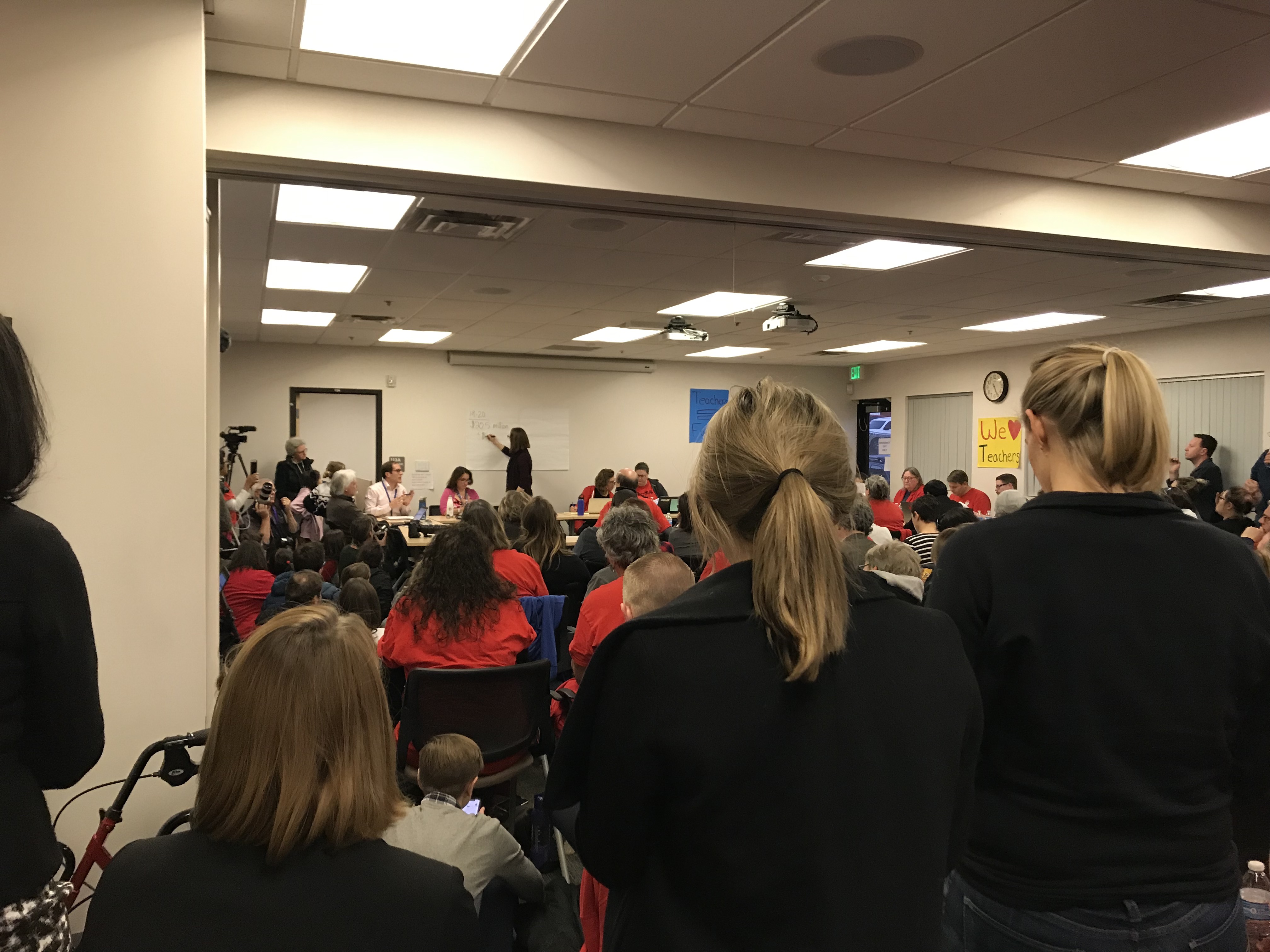
Was it theatrical that we gave up the tenth evening in as many weeknights to wait for our district to come to the table with an actual proposal rather than a cost-of-living increase already in the budget?

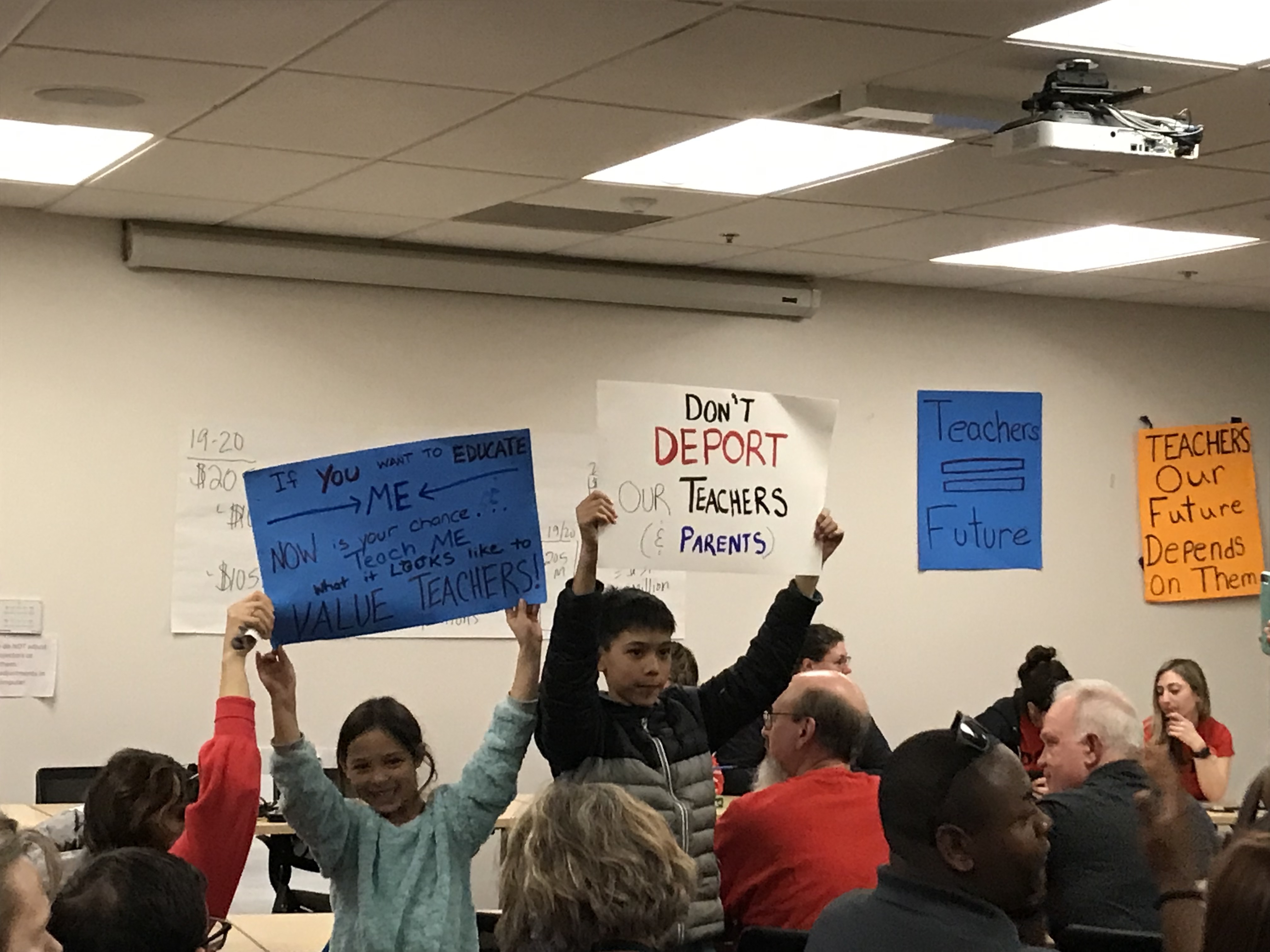
Was it theatrical that young children stood behind the fraudulent superintendent with signs begging her not to deport our teachers after the HR department more or less threatened their right to work?

Was it theatrical that we have negotiated for fifteen months, yes over “philosophy disagreements” because the PHILOSOPHY OF OUR DISTRICT IS TO SHUT DOWN PUBLIC SCHOOLS, TAKE OPPORTUNITIES AWAY FROM STUDENTS OF COLOR, AND GENTRIFY EVERYTHING FROM NEIGHBORHOODS TO CURRICULUM?

And. Just. Like. That.

All the hours. All the years. All the goddamn blood, sweat, and tears have been put on stage for the world to see, chart-paper and all, chants in the background, livelihoods on the line.

For political theater of the worst show you will ever wish you didn’t buy a ticket to see.

Fifteen Reasons Why: We Deserve More, DPS

Denver Public Schools has filed a request for state intervention to prevent the teachers’ union from striking next week. In the 19-page file, Superintendent Susana Cordova and her school district legal team have laid out reasons A-O (fifteen reasons) why the state should intervene.

Fifteen reasons why we, the teachers, deserve to be paid a fair, living, predictable wage.

Fifteen reasons why schools are targeted as the saviors of society in the same moment that teachers are vilified by the press and the public.

Fifteen reasons why we need a strike: let’s draw national attention to our plight, to the plight of a society that devalues education and the teachers who work to change the world.

Below, I have copied and pasted the fifteen reasons with haikus that represent teachers like me who have dealt with every one in some form or fashion:

A. Loss of Instructional Time from Teachers on Strike:
six hours a day
with every kid, every need
(and six more at home)

B. Students with Special Needs:
making learning plans
for families who need voices,
for inclusive rights

C. English Language Learner Students:
try writing our wrongs
again: try righting our wrongs
to build fluency

D. Potential Denial of H1-B Visas:
immigrant teachers:
First Amendment denial
(freedom, too, revoked)

E. Students Enrolled in Affective-Needs/Autism Center Programs:
routine disruption
tears students from what they need:
teachers who love them

F. Students Receiving Mental Health Services:
so much more than school
SSPs save our students
(sometimes from themselves)

G. Students Receiving Medical Care Services:
our school nurse gives them:
medicine, patience, advice,
hope for the future

H. Students Dependent on Schools for Food and Nutrition:
every teacher here
has given to the food bank
(lunch is not enough)

I. Students Dependent on Schools for Shelter from the Elements:
the prison pipeline
could stop with these school buildings
and a teacher’s love

J. Gifted and Talented Students:
let them be leaders
led by those who see their light
(you guessed it–teachers)

K. Student-Athletes Seeking Scholarships:
cultural veto:
to remove a student’s chance
of avoiding loans

L. Students Taking Concurrent College Classes:
what teachers give them:
highly-educated guides
for college keenness

M. Financial Hardship on Families:
double-income trap
means no parent waits at home
(they need our service)

N. Absence of Childcare for Families:
after all, aren’t we
glorified babysitters
asking for too much?

O. Fewer Resources for New American Families:
I beg taxpayers:
come visit our newcomers
to grasp sacrifice

Fifteen reasons why we fight every day for our students’ needs. Our society’s needs.

Thank you, DPS, for laying out our reasons. For proving to our country how badly we need to strike. For creating a legal request to clarify how heavily we carry the weight of the world.

For showing us all how little we earn as we carry it.

This Is Why I Will Strike

I just want to think about how hard-won this moment is. This day. This five of us skiing down a mountain together. This money we didn’t have before that we have now.

This fresh powder.

This view. Could you beat that view if you went anywhere else in the world? Well, could you?

I don’t want to think about the five years we, a family of five, lived on a frozen, constituents-unwilling-to-vote-on-a-mill-levy teacher’s salary of $48,000. The $10,000 out-of-pocket expenses we paid to give birth to our third child. The penny-pinching. The laying-out-$400-every-three-months to earn those goddamn fifteen credits so I could get a raise if I … changed school districts.

I don’t want to think about how Spain screwed me out of a decent salary and we came home afterward with $19,000 in debt, more than any we’ve had as a married couple.

I don’t want to think about the TWO 1998 cars we have outside our house right now, car-payment free.

I don’t want to think about a teacher’s strike. I don’t want to think about my refugees trekking across town on two buses and being huddled into the auditorium to wait, without teachers, the long seven hours until they trek back, because if they don’t wait, they might not have a meal that day.

About the hundreds of hours I, and every teacher I know, has put into grading, planning, meeting, educating (ourselves and them), in the ten months between August and June. Hundreds of hours outside our contract day listening to students tell us their traumas that are greater than any soul could bear, listening to our admin and school district rate us as failures when we wake before dawn and go home after dusk to bring our best selves into that classroom every day, listening to our coworkers decide between renting a slumlord shithole or buying a house an hour away…

Listening.

I don’t want to think about the thousands of union workers who died for this day. For this choice. For a society where corporate greed is not the only answer.

I just want to see my husband and my three girls gliding down this Colorado slope, this Colorado hope.

I want to ski. To smile. To rejoice.

I don’t want to go on strike.

But I will.

Just like I walked in and out of Manual High School in 1994 when my teachers asked me to support them.

Just like I lived on pittance pay for the early part of my children’s lives.

Just like every other union member everywhere who’s looking to find empathy in the eyes of the corporate monsters that rule our society.

I will strike.

And I will ski.

And we will win ourselves a bluebird day.