empowered futures
begin with activism
when necessary



empowered futures
begin with activism
when necessary
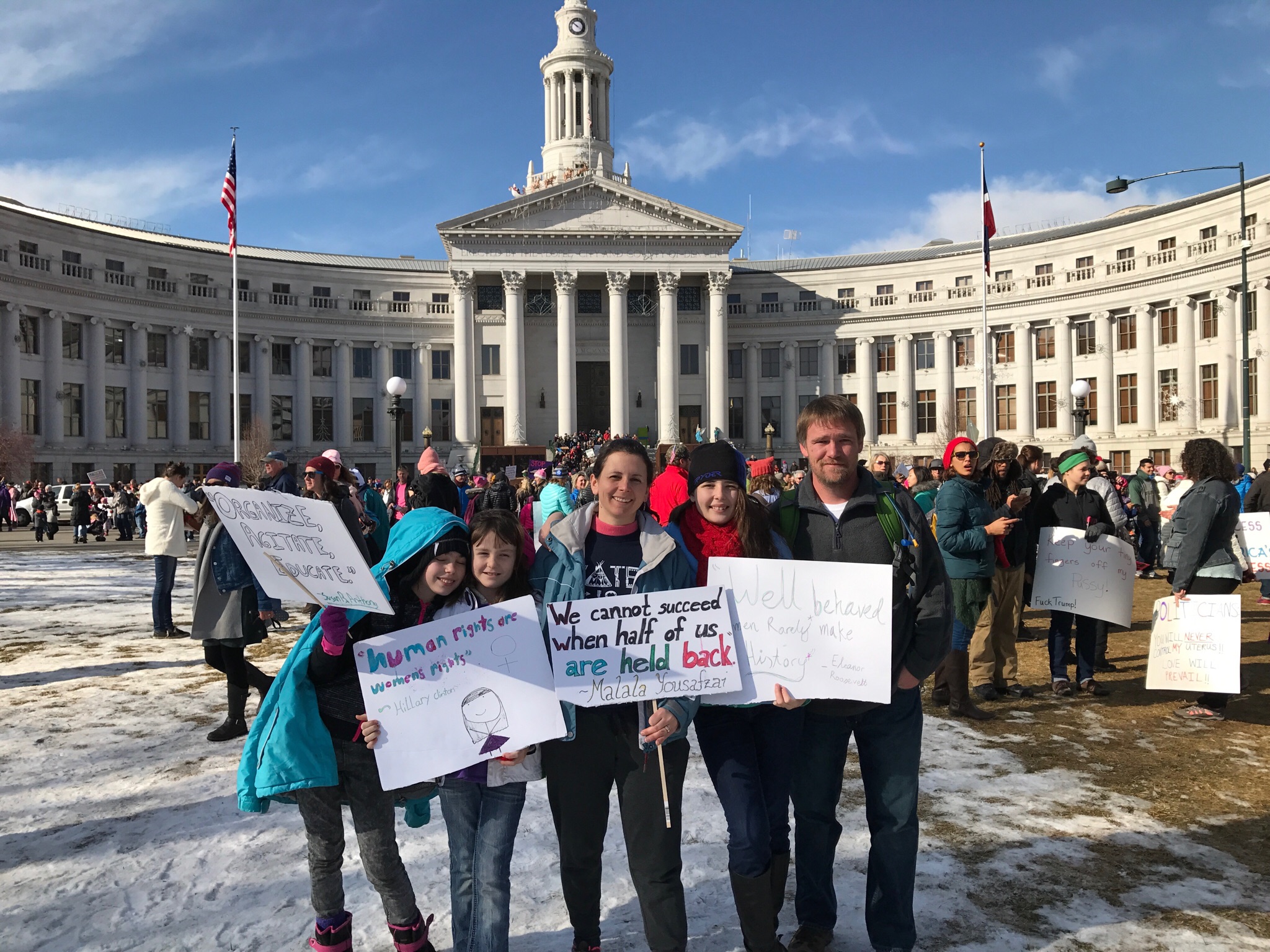
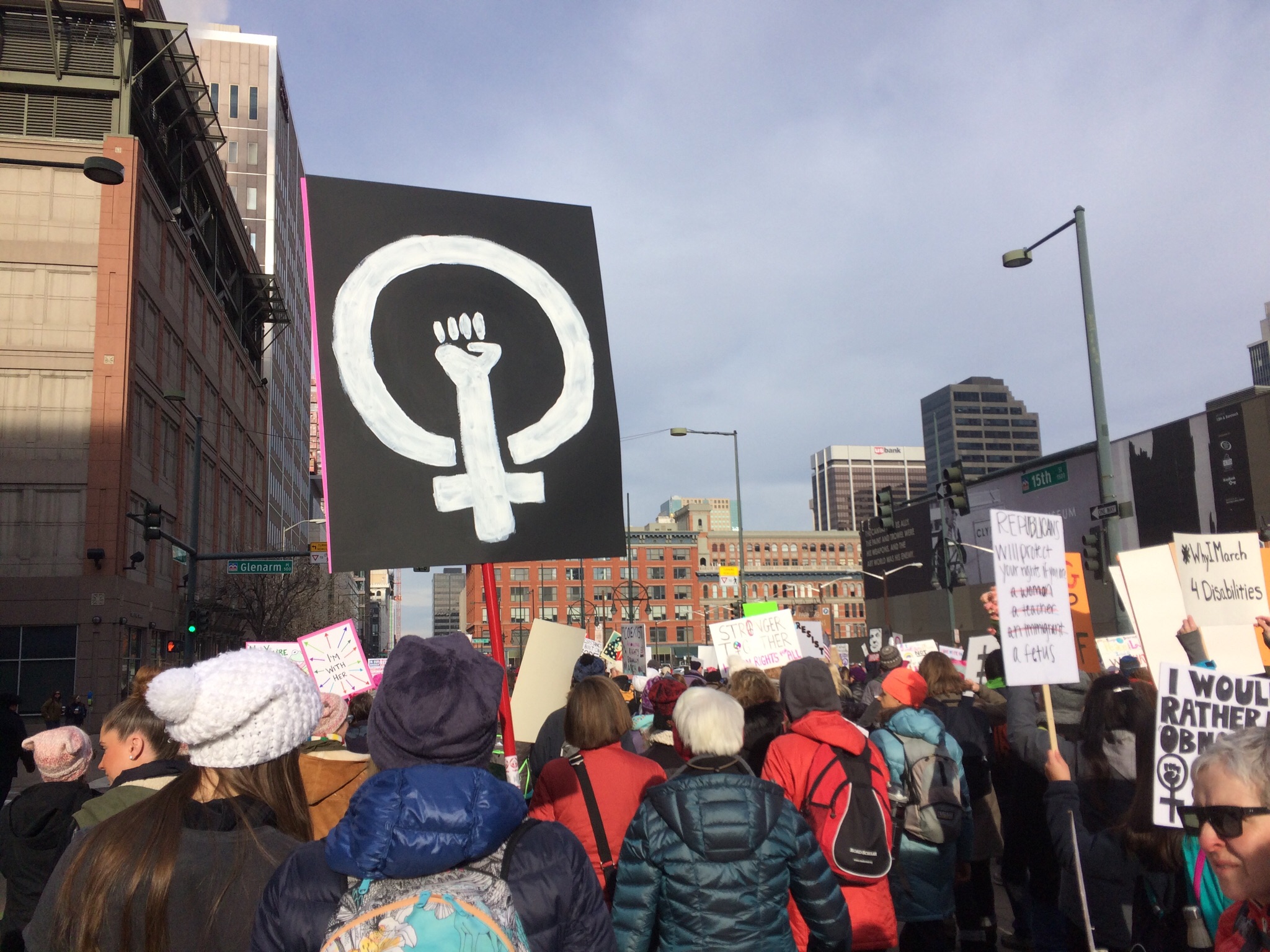
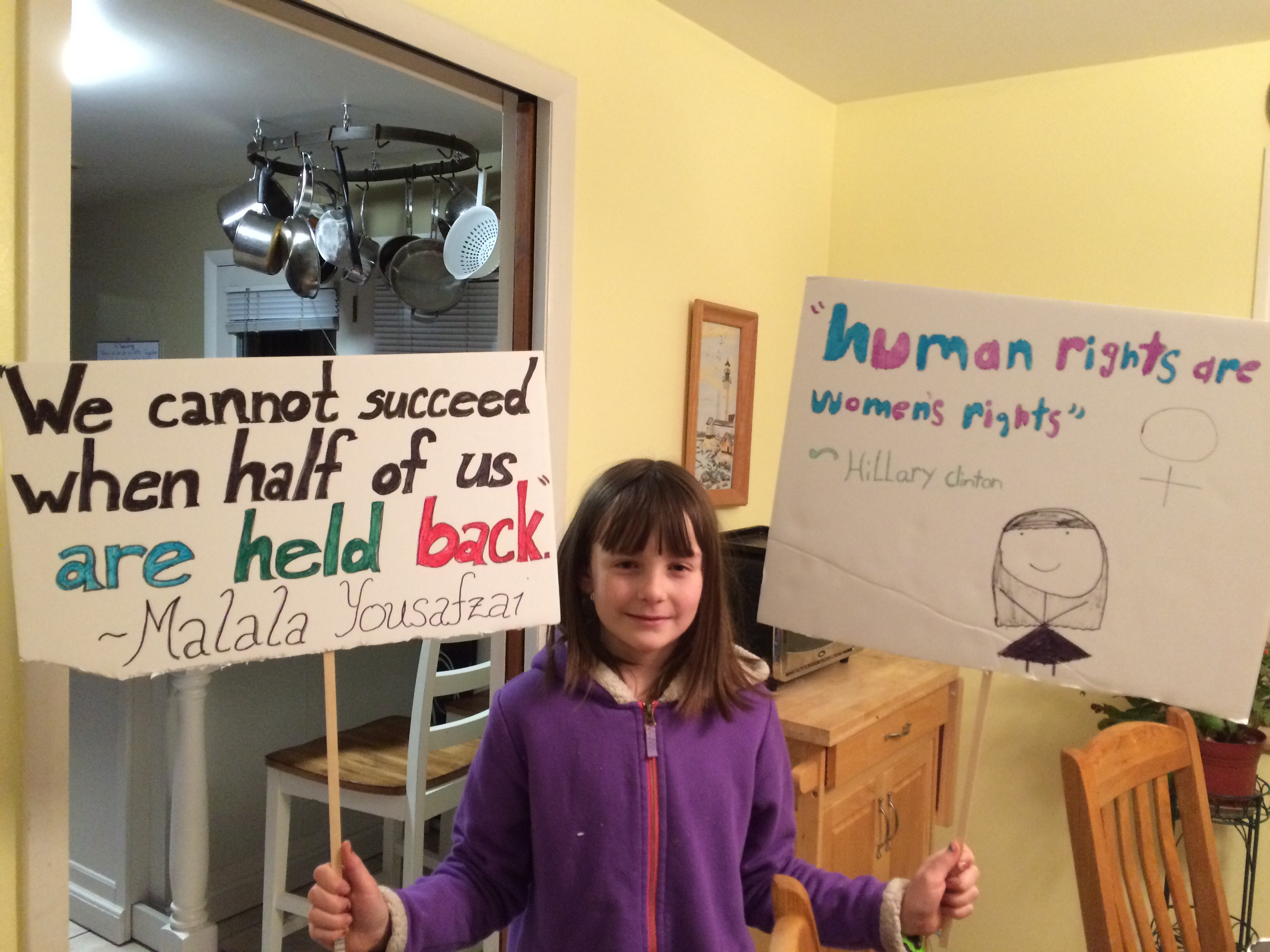
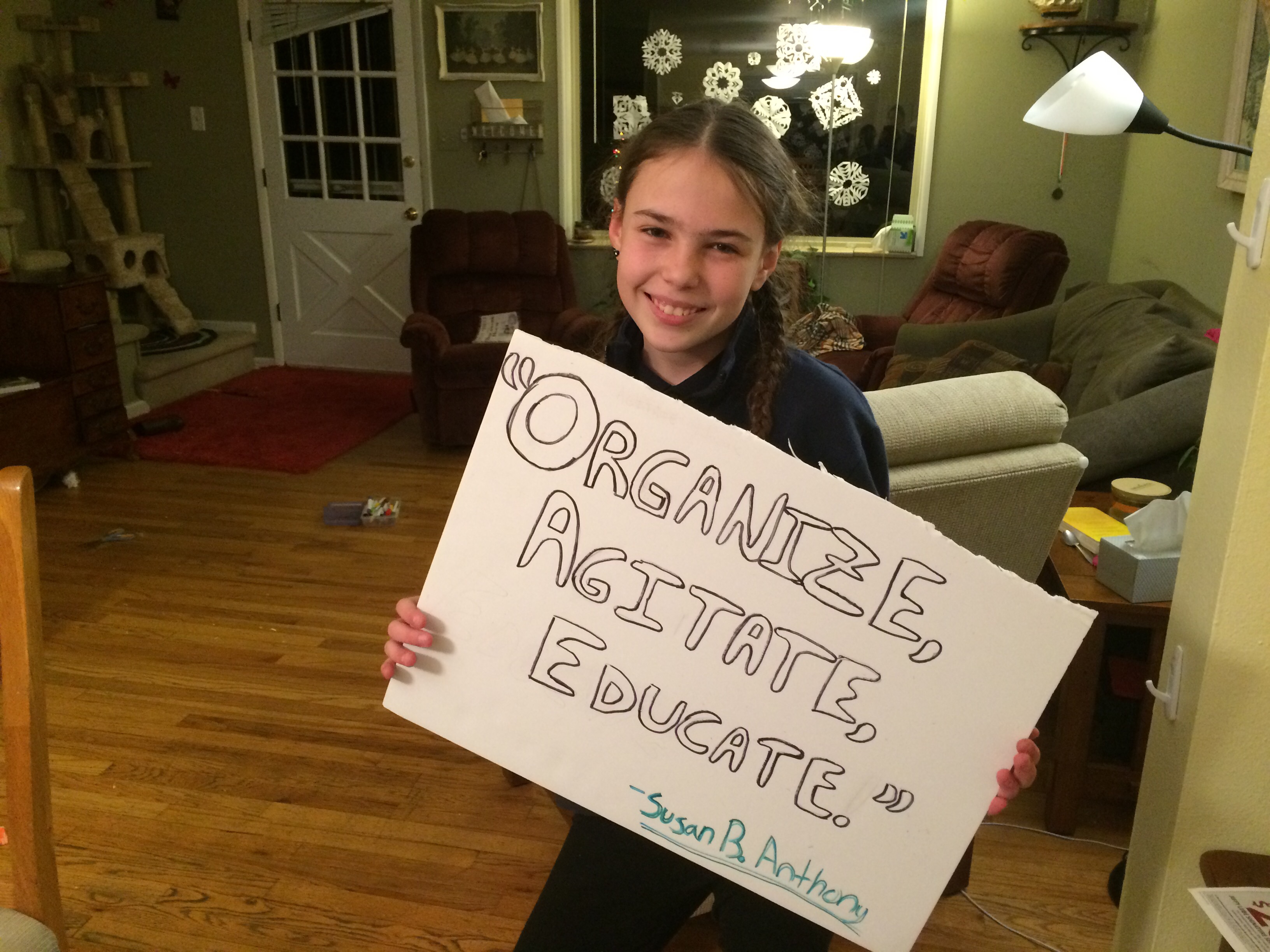
We march because we have daughters. Because no one has the right to grab them by their pussies. Because “women’s rights are human rights” (God bless you, HRC). Because the world needs a wakeup call.
We march because we have sons. Sons who will grow into men who can learn how to respect women.
We march because we can’t be bullied. We can’t have anyone–male, female, binary–telling us what to believe. What to do with our bodies. What level of education we deserve. What pay rate we should succumb to.
We march because of our mothers who fought their way into the workforce. Because of our grandmothers who balanced households and work during WWII. Because of our great-grandmothers who were forced into marriages with strange men. Because of every woman who was ever mistreated or controlled by a man.
We march because politics matter. Political policies affect our lives, from whether we have birth control choices to being able to play sports in school to having equal opportunities in higher education.
We march because we are women and men, Muslim and Christian and Hindu and Jewish and Buddhist and atheist, LGBTQ and straight, married and unmarried, parents and grandparents, employees and employers, activists and pacifists.
We march because we are human. Because the United Nations created the Universal Declaration of Human Rights, and we see it as a binding contract with our government. A binding contract with our world.
We march because we are free.
We march to protect that freedom.
once i wrote poems
without counting syllables–
rather, counting moments
that trickled through my mind
throughout the weariness of days,
with little money and lots of hope,
and now it’s little hope and lots of money,
and the twists and turns of reality click in
until i feel i can only control counting syllables,
and one haiku at a time record my days,
the in-between lines lost years later.
once i wrote poems
to put inside stories
that would spill from my pen with
lyrical language and little plot,
so similar to the mundane of everyday life,
when snow spins our tires and meetings suck our days and relationships wither with wear,
and i wasn’t afraid of the words
i so diligently drafted.
but i learned to count.
to be more cautious with words.
seventeen. now. then.
On my second daughter’s due date, I woke before dawn on that November Wednesday to check the state of affairs: had my labor begun? Had my water broken? Had Bush been reelected?
Only the third was true, and I waddled out of our mid-level bedroom (close to the bathroom) to trek down to the basement to tell Bruce. As soon as I stepped onto the thick, lush, high-quality carpet we’d spent thousands of dollars on that summer in our basement-finishing saga, I felt a soggy, foot-chilling squish.
And then I heard the water. No, not my water breaking. A pipe breaking. And my candidate losing. And my baby not coming. All on a dreary November morning twelve years back. And I spent the morning after election day carrying books from the basement to the second floor, shifting furniture, wishing for a different president and a drier basement. It was a disappointing day, but not a devastating one. Not a frightful one.
With Bush’s second term, we liberals held our breaths to see what might happen. The wars in Iraq and Afghanistan were in full force, and the ensuing investigations as well. We were three years past 9/11 and still reeling in its shadow. The economy was shaky at best, and its effects played out not long after Mythili (eleven days late) entered the world: Bruce was soon told his job as a contractor for AT&T could end at any moment; no other prospects were in sight; and my miniature in-home childcare “business” began to crumble before my eyes.
It was a tough time for us. For many Americans. Not long after, the housing market crashed around us thanks to limited regulations on banks and uneducated masses. Millions of people lost their homes, their jobs, their livelihood.
It was easy to blame Bush, though he couldn’t wholly be at fault.
Just like the other Americans I have lived amongst for my entire life, Bruce and I persevered. Since he couldn’t find work, I returned to teaching, leaving my two-and-a-half-year-old and nine-month-old daughters in his full-time care. I had just finished my master’s degree, and it was my third year of teaching, so we lived on $37,000 that first year. We had dial up internet, no cell phones, zero debt, used cloth diapers, breast-fed the baby, and never went out to eat.
It wasn’t the easiest of times, and Bush certainly wouldn’t go down in history as the worst president, nor the best. But with all the uncertainty that plagued his presidency, from September 11 to mideastern conflicts to crashing housing markets, I never, ever felt that our entire culture was at risk of losing itself. I brought my daughter into the world two weeks after he continued his presidency, and though I was disappointed at his leadership and frustrated with his international war-mongering, I was never truly afraid. I continued with my life, we continued our parenthood journey and brought our third daughter into the world in 2006, all before a candidate I admired had even mentioned his platform.
Now, here we are: 2016. My second child turns twelve next week, and another election cycle has reared its ugly head.
But this is not just another election cycle. It has been filled with conspiracies and vitriol on both sides. The Democratic party has been at near collapse, and the GOP has come up with a string of completely incompetent candidates, finally settling on the most frightening one of all: Donald Trump.
I am thirty-eight years old, and I have been following elections my entire life, thanks to highly informed and politicized parents (being born into a family of journalists led to this). I have seen negative campaign ads since I was young enough to wake on Saturday mornings to watch cartoons. I still remember campaign promises like, “Read my lips: I will not raise taxes” and my father’s fierce criticism when Bush Sr. was proven a liar once he became president. I participated in two mock elections in my elementary school in my small town in upstate New York: I was one of the five percent who voted first for Mondale and his female vice-president running mate, and one of the two percent who voted for Dukakis when he was up against Bush Sr.
I realized early on, listening to what my parents taught me, that it didn’t matter if no one around us really believed in the same things we did. What mattered was social justice. Equal rights for all people, LGBTQ, people from varying religions, and people of every race. What mattered was equal rights for women, especially in regards to education and career.
So, while I am not a career politician, I know politics. Liberal politics are in my blood, and as much a part of my core beliefs as anything else.
Yes, I am a bleeding heart liberal. That’s why I cried that day on my brand-new soggy carpet when my baby wouldn’t come and Bush was marking her entrance into the world. That’s why I proudly posted my Dukakis poster on the school bus window for the whole world to see, even when all the other kids laughed at me and told me Dukakis would never win.
I care about my candidates. But more importantly, I care about the issues that they represent.
And now we are in a new age of presidential candidacy. We have social media that blows everything out of proportion and turns father against son, sister against brother. We have minute-by-minute clips of every word every candidate ever spoke.
We hear it all. We hear a candidate suggest Muslims should be listed on a national registry. We watch him mock a disabled man. We hear him brag about assaulting women and grabbing them by the pussy. We hear degrading remarks about the way women look. We hear him ramble on in incomprehensible sentences. We hear him speak of deporting immigrants, of building walls against them, of claiming Mexicans are rapists and thieves. We hear him proclaim that the election system is rigged. That Obama is the worst president ever. That his opposing candidate should be imprisoned. We hear him say that climate change was created by the Chinese and is a scam.
Vitriol is the center of this campaign. It’s all over the media, all over social media, and all over the living, breathing world.
It is what my student hears while waiting at a public bus stop and two white girls first accuse her of being a Mexican who should go back to her country, and then, on further examination of her looks, determine she’s an Arab who is also a terrorist that President Trump will get rid of.
It is marked in neo-Nazi, pro-Trump graffiti within hours of his election.
It follows the next generation like a dark shadow, leaving them in shaking, fearful tears as they discuss the stripping of their LGBTQ rights at GSA club; as they wonder if their family will be one of the two million he plans to deport in the first 100 days of presidency; as they proclaim their gratitude for their parents still taking the risk to bring them to this nation that they thought was free; as they navigate the realization that at least half of the people they know now have a presidential voice to support and back their once-silent bigotry.
It follows the teachers, the public servants: We had a special faculty meeting today to help us help the students cope with their fear, their mourning, their plans for action–immigration lawyers, extra counselors, and mental health specialists are just a phone call away. Yeah, you heard me right–we had to bring in extra mental health specialists to help us cope with a man who was just elected president.
Twelve years into my daughter’s life, I am truly afraid for the first time of my decision to become a parent. I am afraid of what the world has become. I am afraid of what will happen to my students. I am afraid that all the steps we have made toward equal rights and protection of women will be destroyed. I am afraid for my friends of color, my Muslim friends, my LGBTQ friends.
I am afraid. I am not angry. I am not bitter.
I am afraid.
I am a bleeding heart liberal, born and bred. And my heart is beating too wildly this week. This month. These next four years.
There is no soggy carpet chilling my steps. There is no rebirth. I have the faces of three daughters whose lives I fear will be plagued with sexism or ended by policies against renewable energy. I have the faces of thousands of students shuffling through my mind who I fear will not have a future in my country.
I am afraid.
I am afraid.
We have just elected this man to be our president. The water has just broken on a new era in America: the era that openly accepts a bigoted leader. And I am drowning.
Please, someone, teach me how to swim.
scaling these cliff walls
feels easier than your words
of guilt and judgment
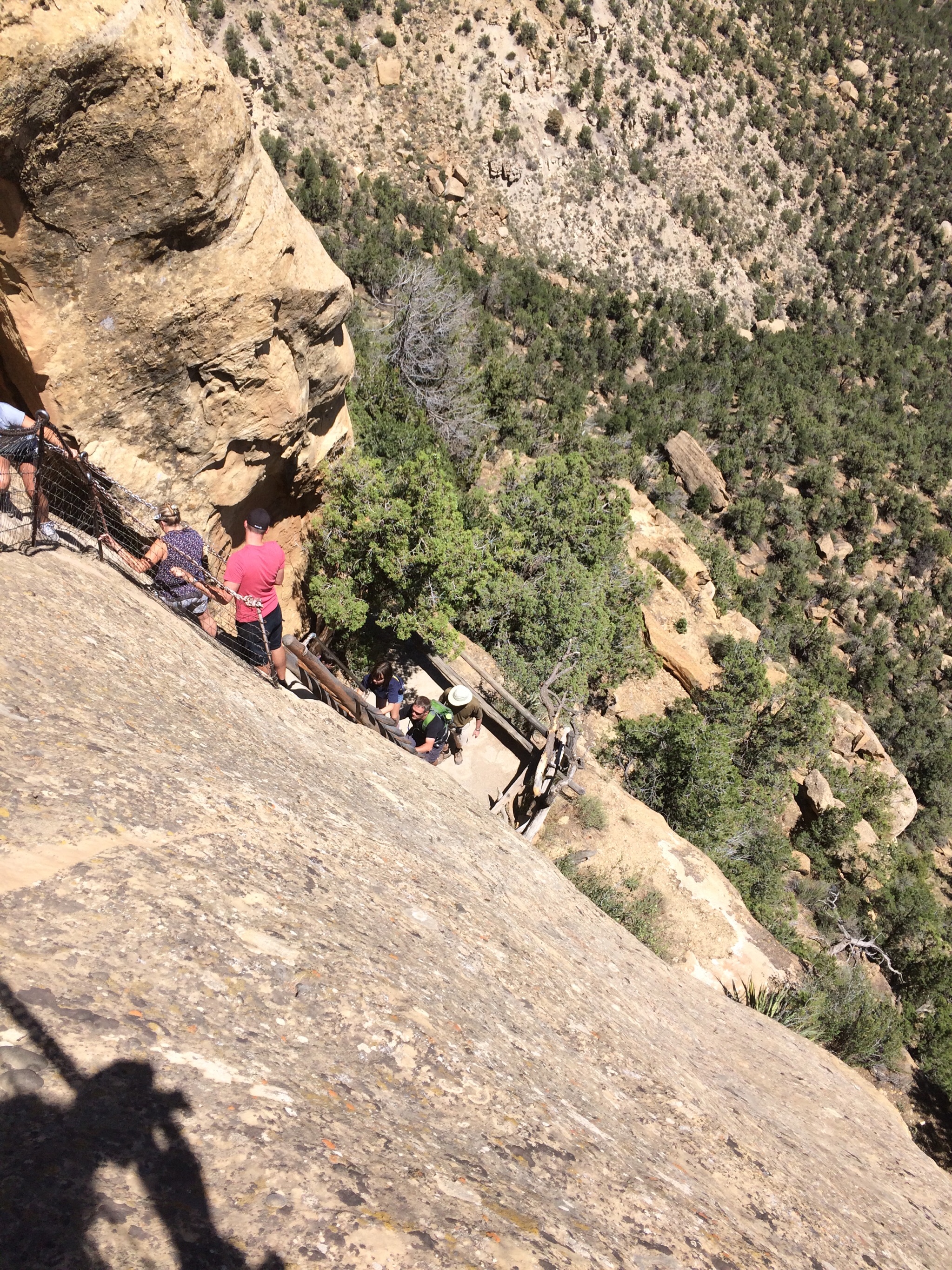

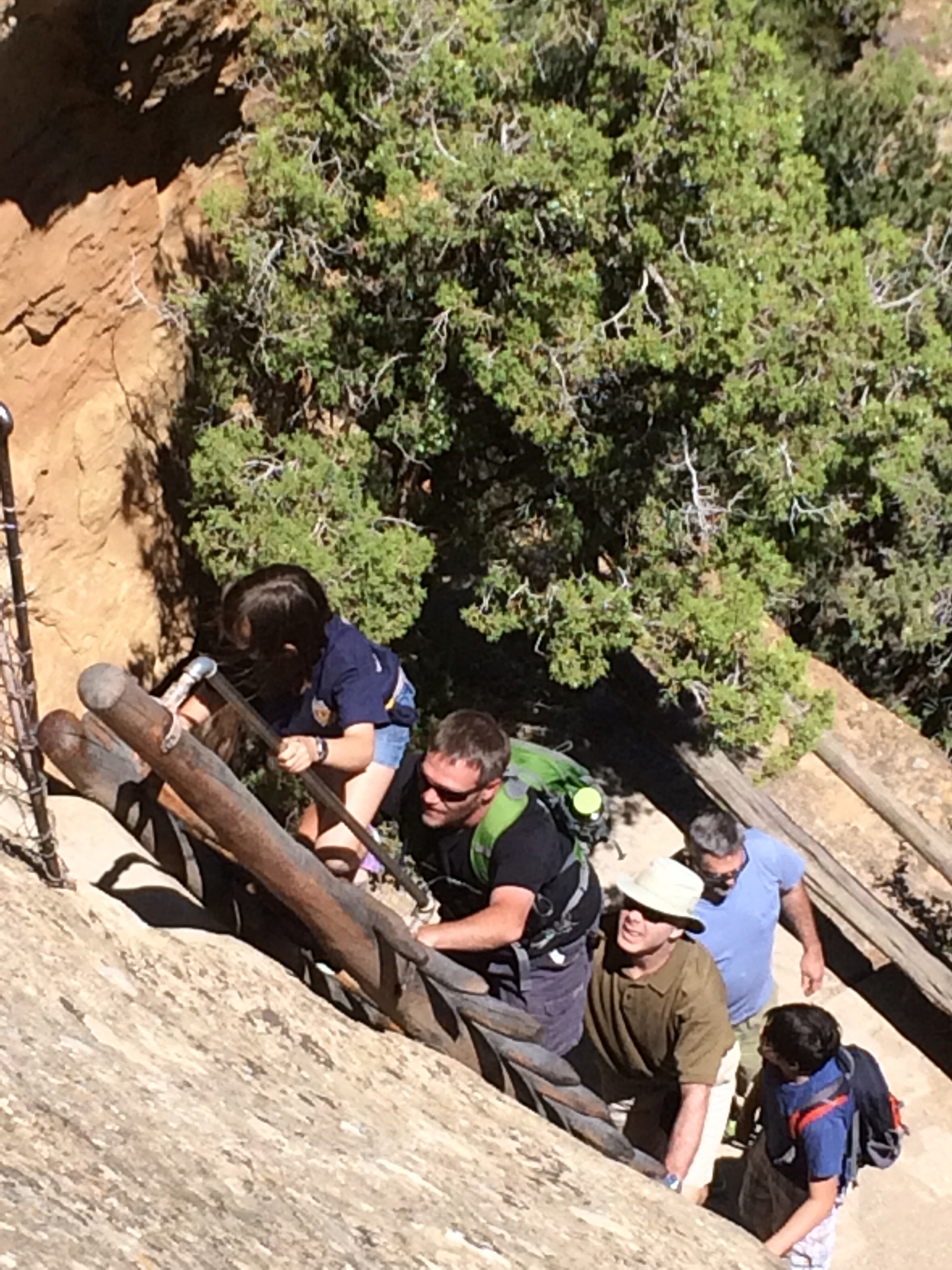
yet, rivers sparkle;
ancients thrived here, not survived
(just like you and me)
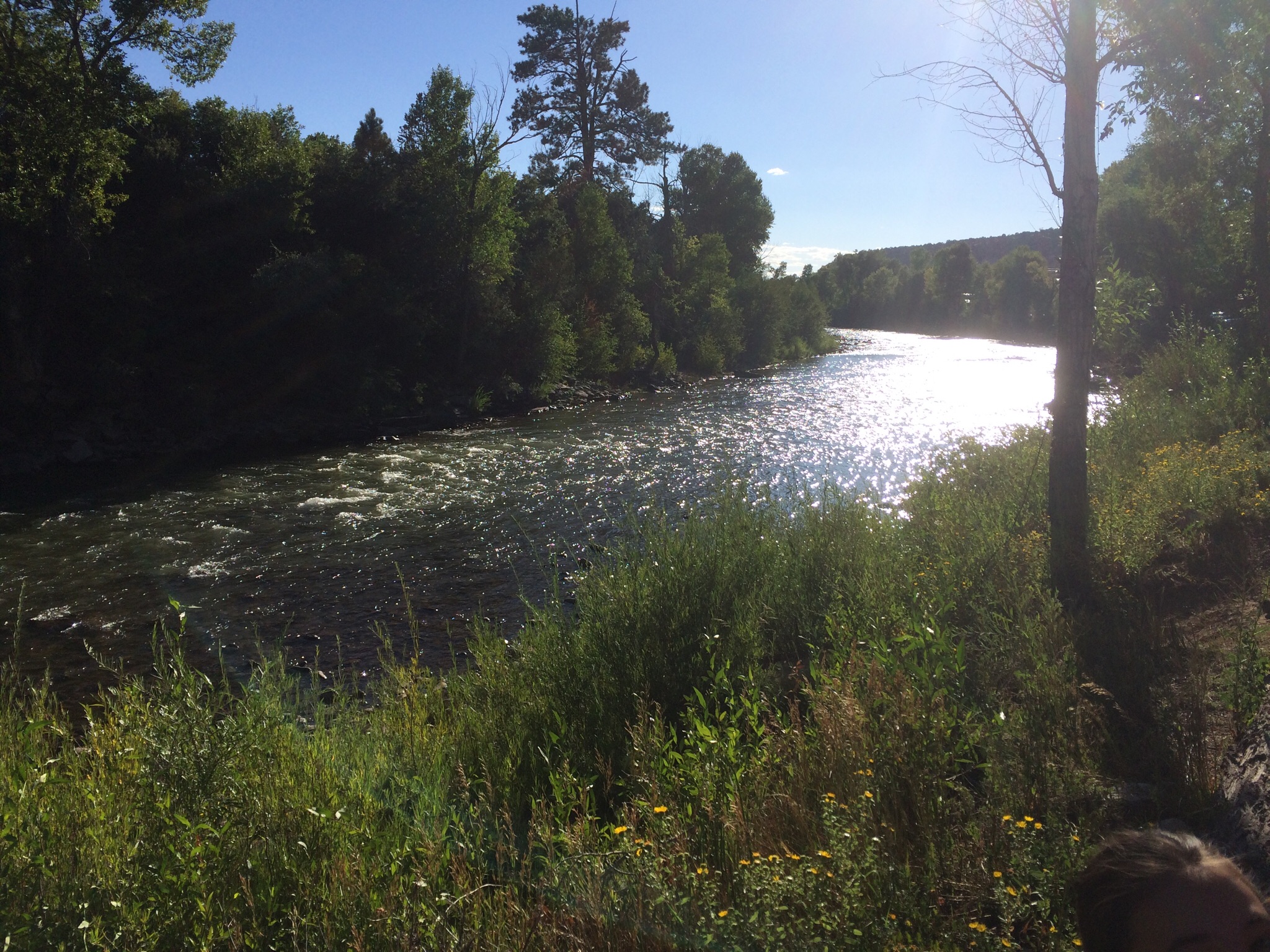
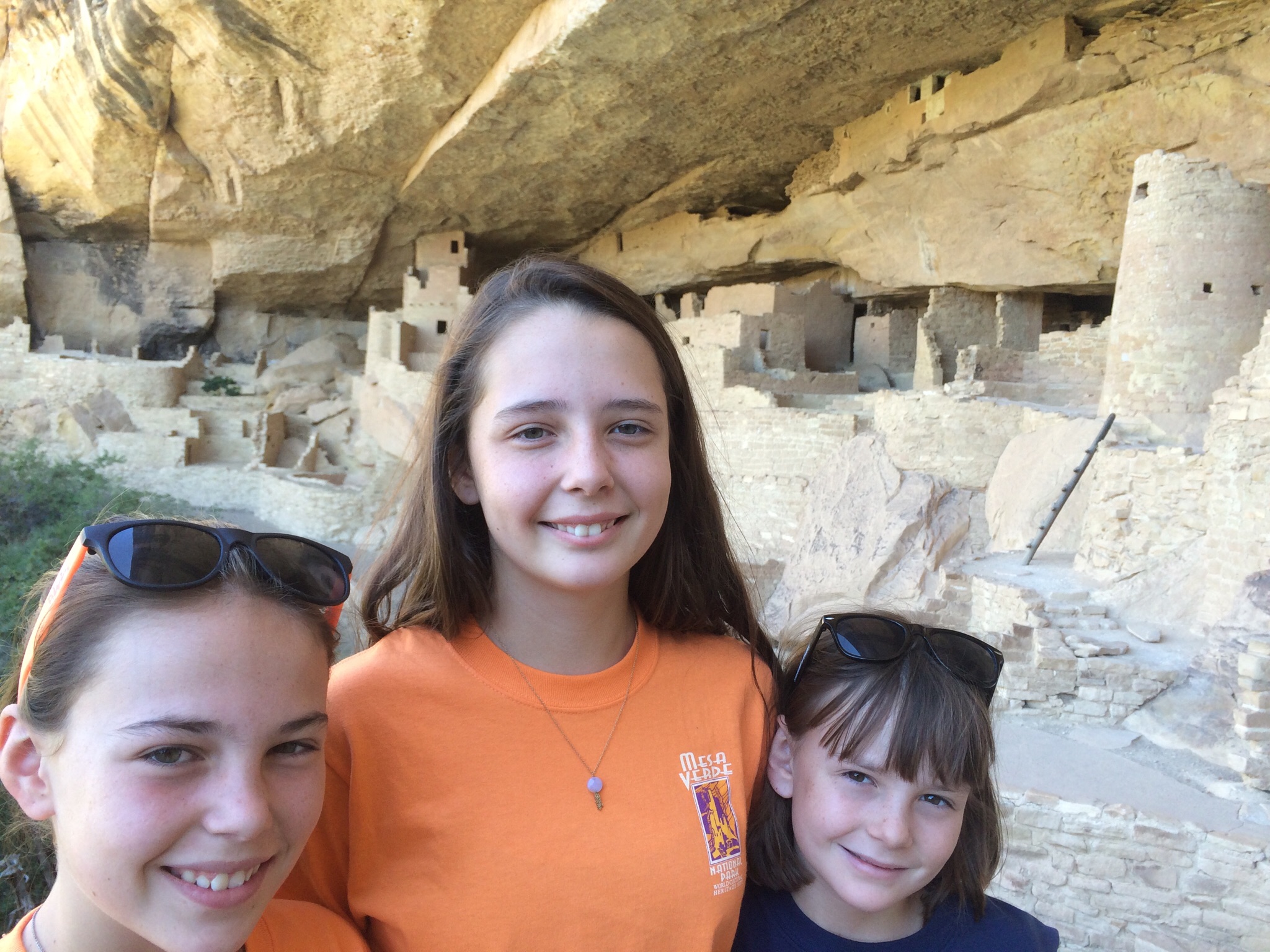
too much to take in–
the beauty of history,
of sights still unseen,

of children’s faces
as youth clings as fleetingly
as the setting sun


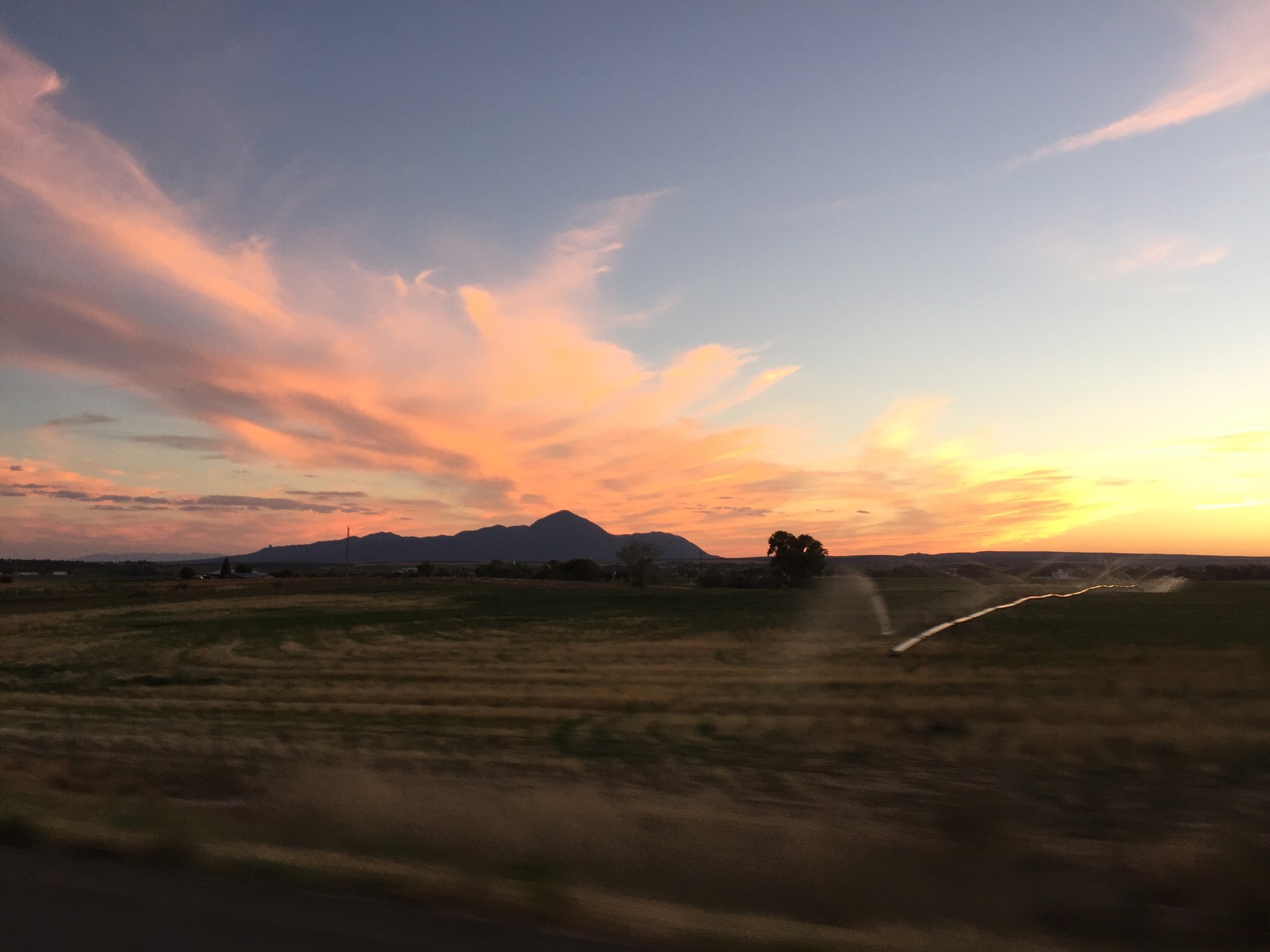
we are captive here
in these soft moments of light
(help me preserve them)

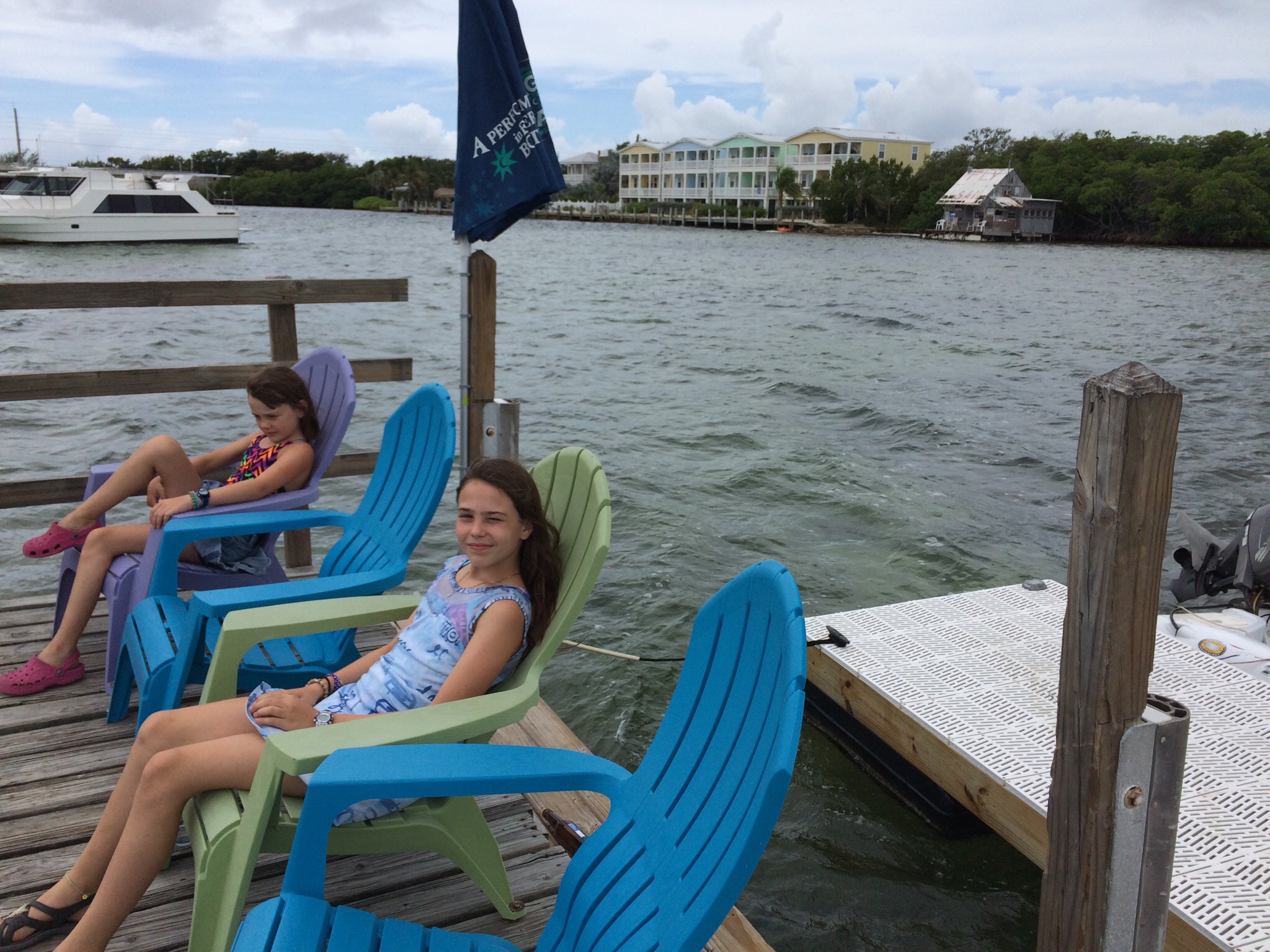
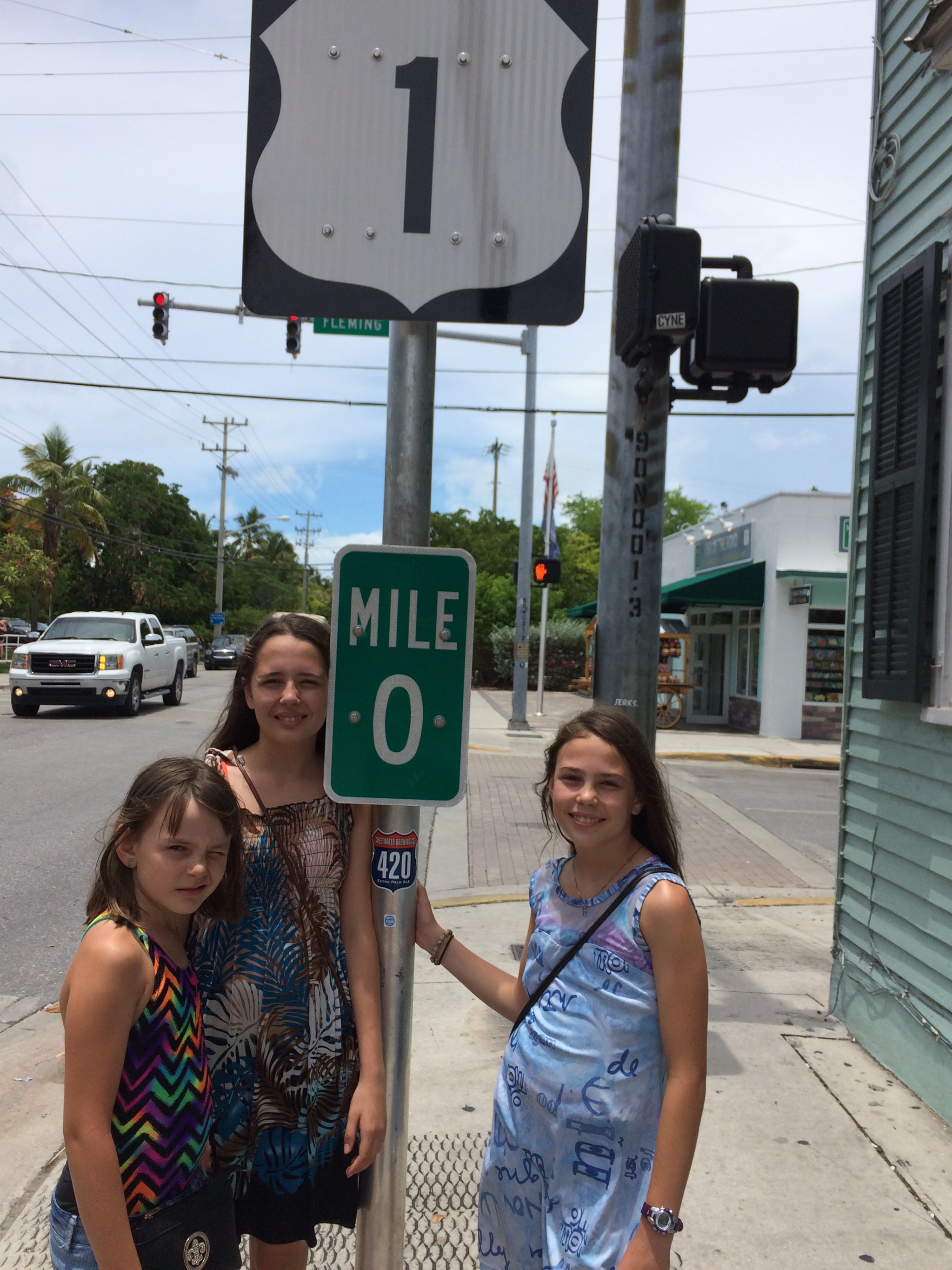
disappointment wins
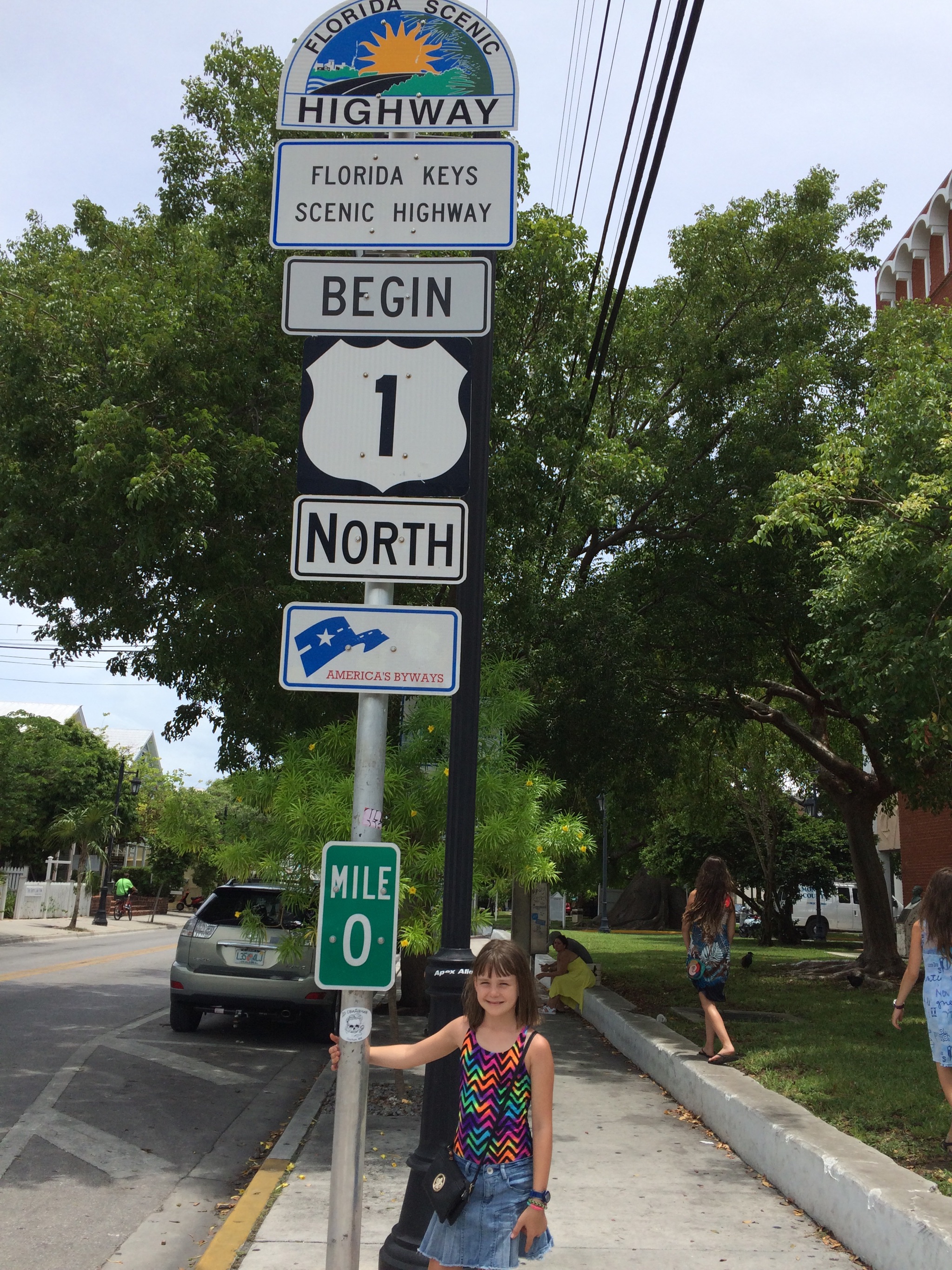
with a fixed tube, a long drive,
and mile zero
we win our day back
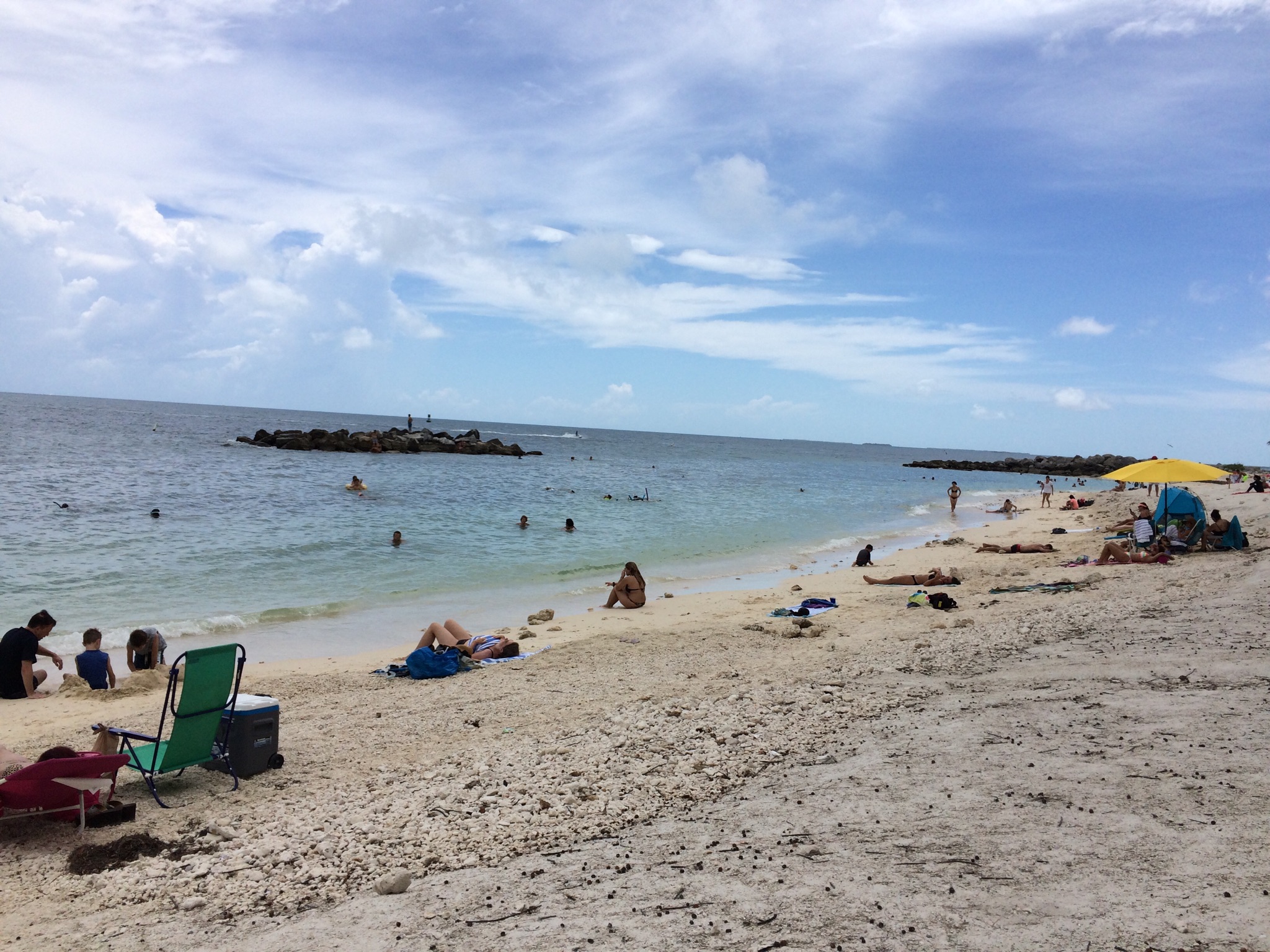
with ocean views, lobster lunch,
our own snorkel beach
Key West wins us back
from sorrowful rejection
given way to clouds


I haven’t had a drink in nearly four months. I’ve been filling my mug with a variety of teas creamed with coconut milk, as dairy is also something I’m trying to give up. I have survived the dark winter months without much of a craving at all, but now that patio and beach season are upon me, I think it might be a bit more challenging.
Once you get into the habit of drinking, there is always a reason to drink. I still remember when I first went to college and all the freshmen gathered in the auditorium to hear what we at first groaned about but what in turn was one of the most important speeches of my life: alcoholism warnings from a recovered alcoholic, twenty-two years sober and funny as fuck. He spoke for about an hour and told us many stories, many of which I still remember today. But two things he said to us really struck me.
First: “How many of you have ever had a drinking problem?” To which the audience of 400 eighteen-year-olds kept their hands happily in their laps. “OK. How many of you have ever prayed to a porcelain God, gotten into a fight, had a horrible hangover, or passed out after drinking?”
A handful of somewhat guilty hands shot into the air.
“And you don’t think those things are a problem?”
I will never forget that line. The term drinking problem becomes so synonymous with serious alcoholics, with homeless men and abusive fathers and people screaming in parks on the middle of a Saturday afternoon. But isn’t every problem one has related to the consumption of alcohol a drinking problem?
Second: He gave us a handout that listed virtually every reason you could think of to drink. Celebrations like holidays, birthdays, promotions, new jobs, children being born, marriages, etc. Sad moments like losing a job, a friend, a partner, a spouse. Bad days at work. Bad days at home. Sporting events. Parties for no reason.
“This is only a page, front and back,” he declared. “But it could be 365 pages. A reason for every damn day. There’s always a reason, an excuse, to drink. But do you really want to drink every day?”
Among my generation, drinking seems to be much more of a go-to coping choice than it was for my parents’ generation. I know virtually no one who doesn’t drink, other than a few due to religious beliefs. And most people I know drink with such regularity that they hardly go two days without it. Yet, the statistics are alarming, especially for women. I have read so many articles about the danger of drinking more than three to four drinks in a week, let alone three to four in one night (my usual amount). And just the other day I read an article on NPR saying that white women’s mortality rate has actually decreased, and one of the major factors is the increase of alcoholism among white women.
Reading about it, seeing myself surrounded by people who always have a reason to have a drink, and the way my life has become since I stopped is really what’s keeping me going right now. I have changed my daily habits. Instead of coming home after a stressful day at work and a long carpool and pouring myself a beer while I fix dinner, I now start up an exercise video. In four months, I have lost five pounds and three and a half inches off my waist. Instead of waking up before dawn with a grumbling stomach, GI issues, and sitting on the toilet for twenty minutes, I wake up fully rested, have clean bowel movements, and no stomach aches.
Instead of thinking of a reason to drink, I begin to think of reasons why I shouldn’t. Of the progress I have made thus far with my health. Of my girls who watch everything I do. Of my students who I hope don’t turn into statistics.
Of my writing, no longer spiteful and full of that angry inner voice that I only let escape with too many craft beers.
Most of all, I think of all the reasons why not drinking has made my life easier. I can go to happy hour and drive guilt-free to pick up my children after I’ve had my iced tea. I can go grocery shopping on a Saturday night. I can experience life with virtually no headaches.
I can have all the celebrations I want: holidays, birthdays, finding a tenant. I can be as sad or as angry as I was before about testing schedules or horrible days at work or Prince dying. And I can feel all of those emotions, the joy, the sorrow, with every capillary of every vein unpolluted by a mind-altering drug.
And sometimes it sucks. And I want to sit out in the sun and feel that numbness creep into my soul and watch my children grin and splash in delight.
And I want to forget what that teenager in my class said to me by drowning out his voice with a shot of tequila.
And I want to be brutally honest in all that I write and be fearless about it.
But.
The sun is so much brighter when I’m fully there to live their joy.
The harsh sounds of teenage angst will never disappear; will never make me a better or worse person; why drown them? Why not accept they are who they are, I am who I am, and we can move on from this moment?
And my writing. Perhaps it has suffered the most, or perhaps I have found a new voice. Only time will tell. And time will tell, because nothing, nothing will keep me from being the writer I have always been. Not a bottle, motherhood, teacherhood, or failure in all its forms.
And that is what this is all about. Rediscovering myself. Celebrating myself. The joys, the sorrows, the failures. All the reasons in the world to have a drink.
All the reasons in the world not to.

testing never ends
we March April into May
snow, sleet, hail… and hell
Friday, seventh period, fifteen minutes before the last bell:
“The reason we are reading all these picture books is because we’re going to walk over to an elementary school next week, interview kindergarteners, and create books for them. I did this in middle and high school and it was one of my most memorable classroom experiences. And a couple years ago I met a new DPS teacher who had gone to that elementary school. He not only still had his handmade book, but also said it was one of his most memorable school experiences and one of the reasons he became a teacher.”
“I’m going to ditch that day. Who’s with me?”
No one will ever tell you this when you’re in college. They’ll pump teaching up, make you think it’s your dream job, make you think you can change the world. That you can be there for one student or two or a thousand, and that you’re going to make a difference.
You’ll believe them. You’ll have small glimpses of hope and happiness every day. Kids who come in an hour early to clean out all your poor-urban-handout, made-for-elementary desks that have shelves underneath that high schoolers can barely fit their legs under and spend the entire school year filling with trash from vending machines that are open all day, and hiding and losing phones and tablets in, and leaving grant-requested precious books inside.
Or the kid who brings you spicy Eritrean food with his mom’s homemade injera bread to dip your tongue into another continent after all the hours you’ve spent helping him write essays for three years running, before dawn and after dark and every lunch in between. It all melts away with saffron and perfectly spongey texture soaking up the lost moments of planning, grading… Of other parts of your life.
Or the Nepali girls who play their fairy-like music after school, pushing all the desks to the side to practice their modern mashup dance of a culture you couldn’t begin to understand for the CultureFest that brings the quilt of your students together in an unforgettable annual celebration.
But.
It takes SO. MANY. Of those bright moments to erase the daily apathy, rudeness, and downright disregard that SO. MANY. Students have.
So I send him out. “You don’t want to develop a relationship with our community, participate with a kid, make a difference, and fulfill a promise to the kindergarten teachers who I told I would bring twenty-one students to interview? You want me to disappoint a five-year-old child?”
“You do whatever you want, Miss,” he says, packing up his backpack and walking out, fifteen minutes before the last bell on a Friday afternoon.
“Whatever I want” is to enjoy this weekend I have promised my just-turned-thirteen-year-old for six months. To get the hell out of this city, drive like a maniac into blue skies and snow, and participate in life with the children I hold closest to my heart.
But first there was a rock slide. I-70 closed ten miles before our destination. Then I arrive at the elementary school and my middle child is pouting like she’s two, refusing to tell me why. I leave her and her sister at piano to fulfill my carpool duties and get stuck at a string of red lights. Bruce comes coughing home after working in a knee-deep-in-mud manhole all day, takes a shower, and water leaks through the second-floor ceiling onto our beautiful wood floors, leaving a crack in the drywall and a repair-bill question yet to be answered. When he comes downstairs, he is shivering like a wet chihuahua, goes straight to bed, and informs me he has the flu. My middle child still pouts, has picked up the cold the other three of us have had all week, and has a canker sore the size of Idaho.
The two remaining children complete the two-hour ordeal of grocery shopping with me, picking out swimsuits for all. We return home to frantically make eight sandwiches, do two loads of laundry, pack up five people’s crap to fill the topper, and I lay my head down close to midnight only to be disturbed by the buzzing dryer, the curious kitten, and the Dowling need to clean the entire house before I leave.
But wait, since Bruce is sick, I now have to sacrifice two hours of this pressed-for-time morning to sit with Isabella in her Dumb Friends League volunteering orientation. I rush to Walgreens, the only close store, to get ice before our looming six-hour drive, and the goddamn store is out of ice.
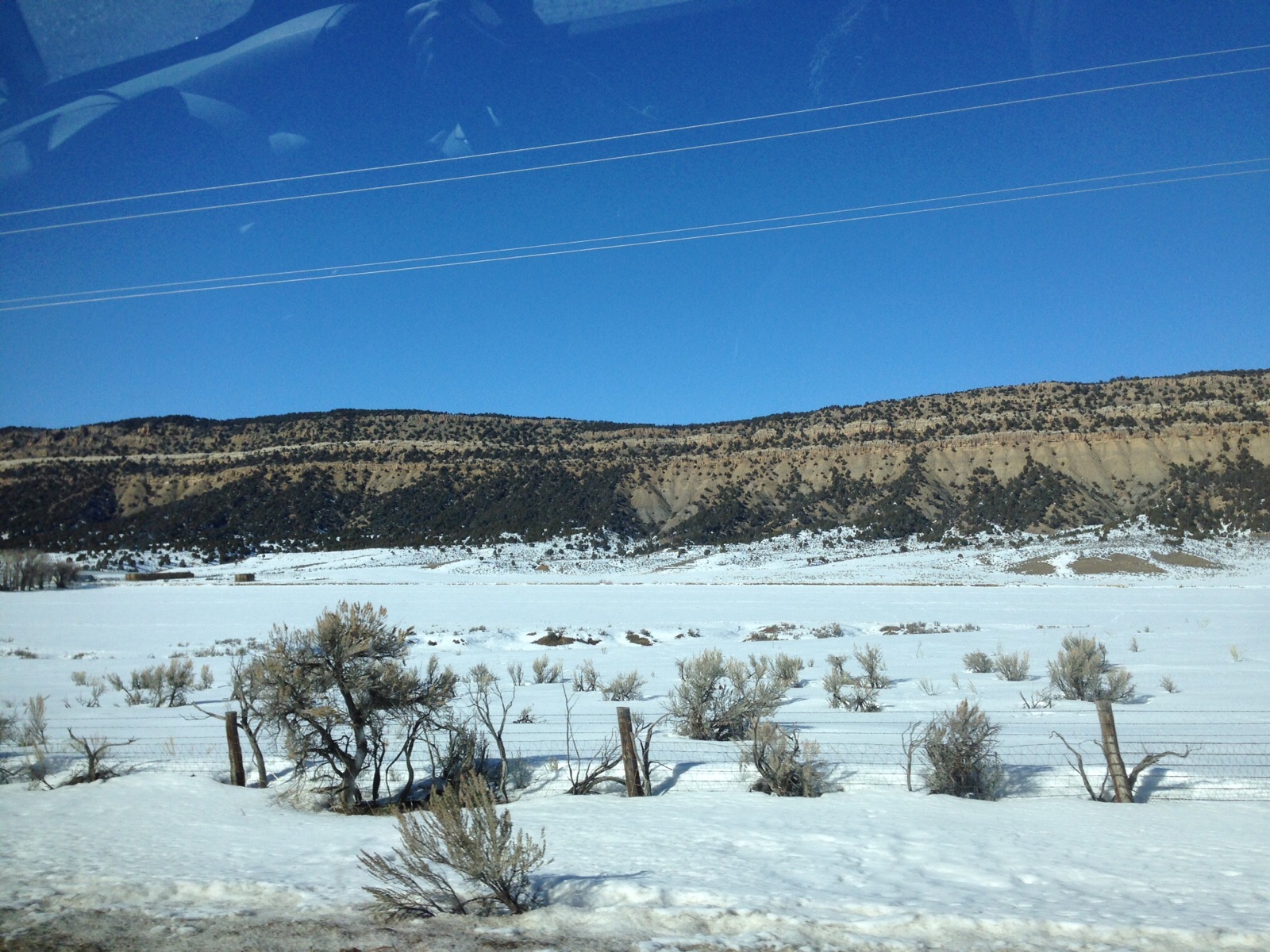
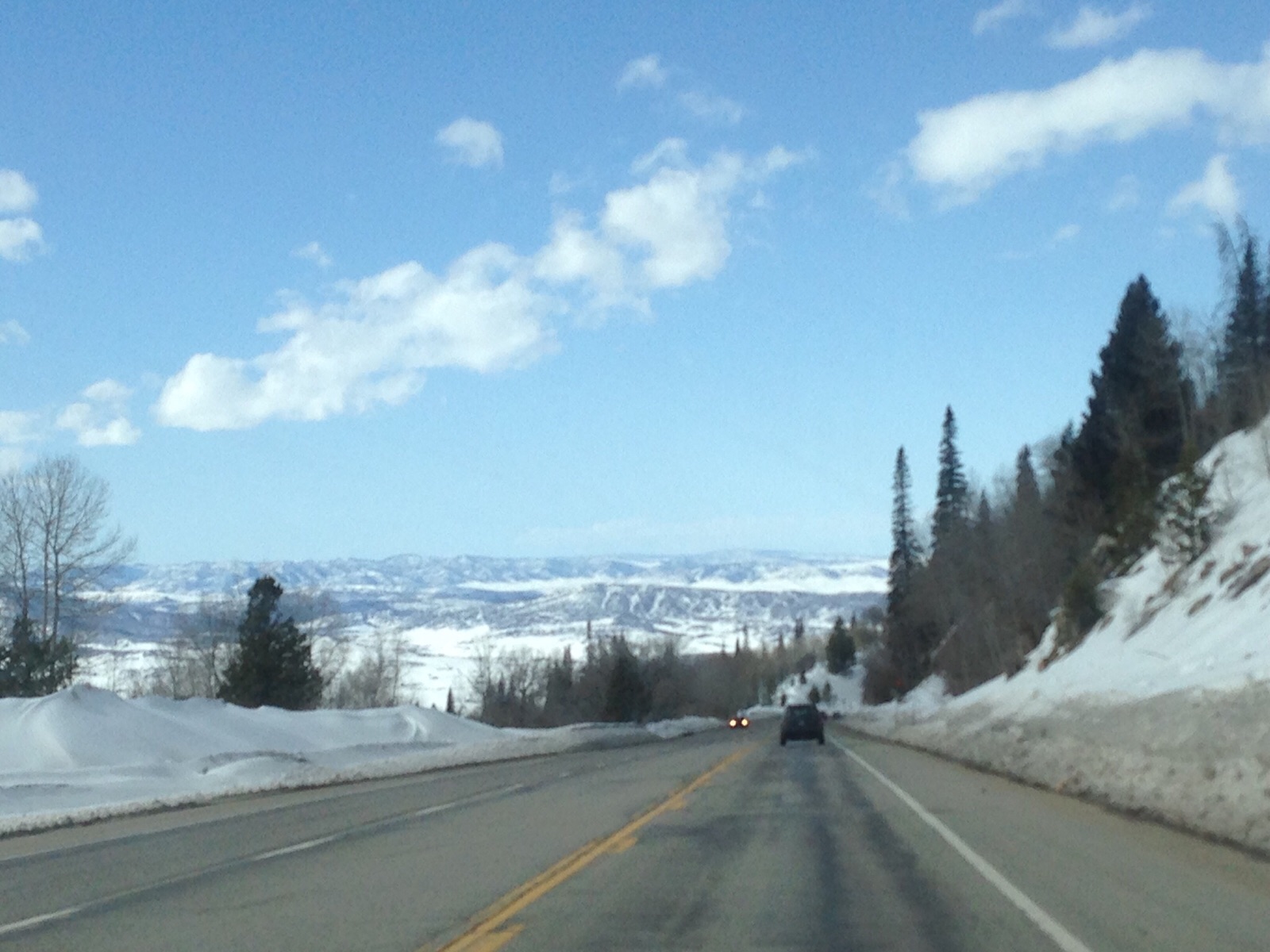
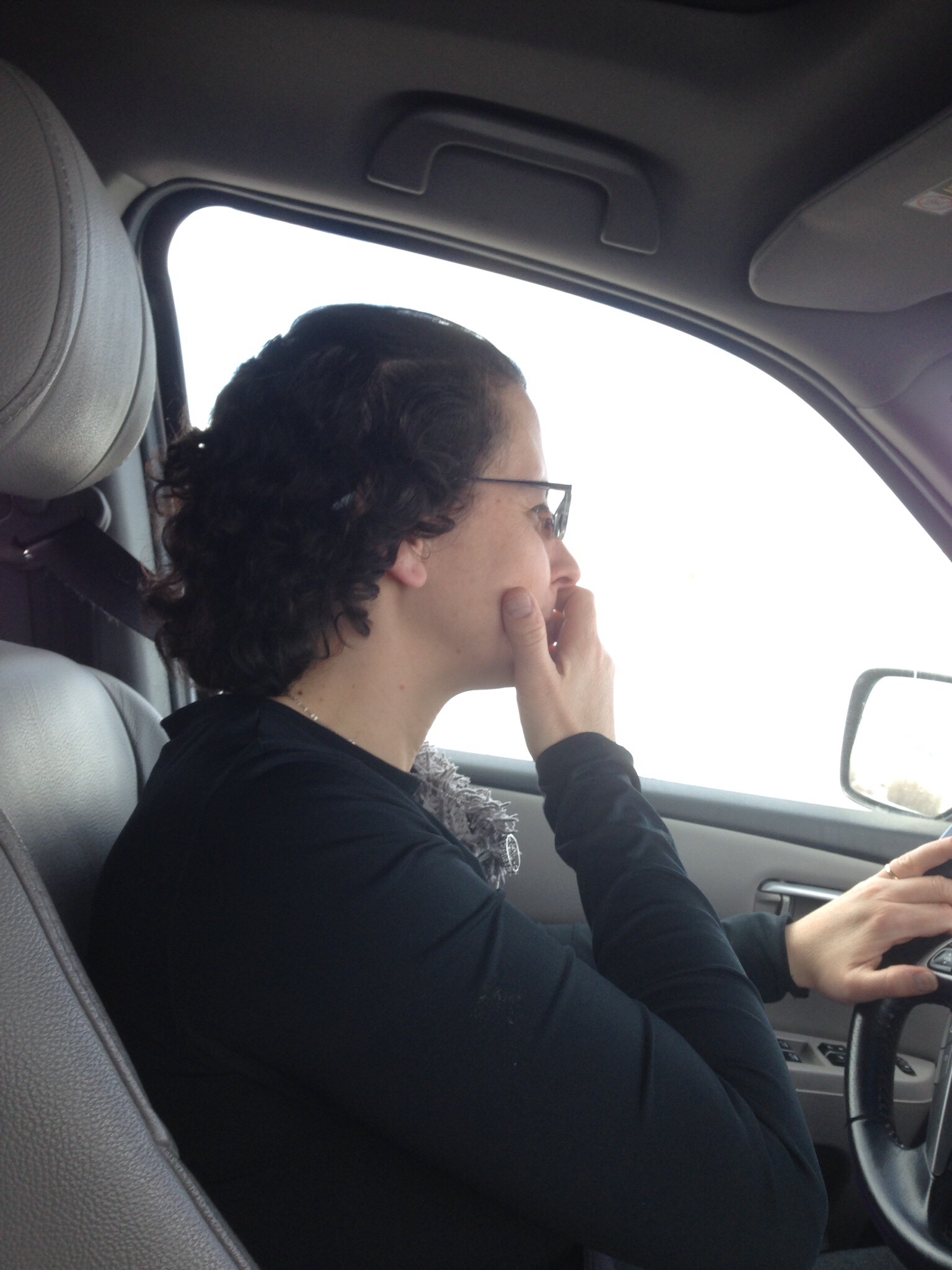
Izzy’s friend finally arrives after Bruce officially declares he isn’t up for it, and I don’t even take the time to call my mother to ask her to come in his place. I hit the road like a woman on fire and blast my way through half the state, circumventing the rock slide by 140 miles, blue sky and snow, blue sky and snow.
We stop only two times. To get gas and load up on caffeine. And to avoid a mule deer who jumps in front of our two-lane trek. The girls minimally whine about how much longer and are we halfway there yet, but not enough to even raise the hairs on my neck. I’ve got a great playlist blasting U2, Bruce Springsteen, Usher, Adele, and Lennon, views worth a million bucks, and an open road.
I’ve got a thirteen-year-old whose aunt calls later to wish her a happy birthday and ask her if she was miserable about the double-time drive: “No way. I got to come to Glenwood for my birthday.”
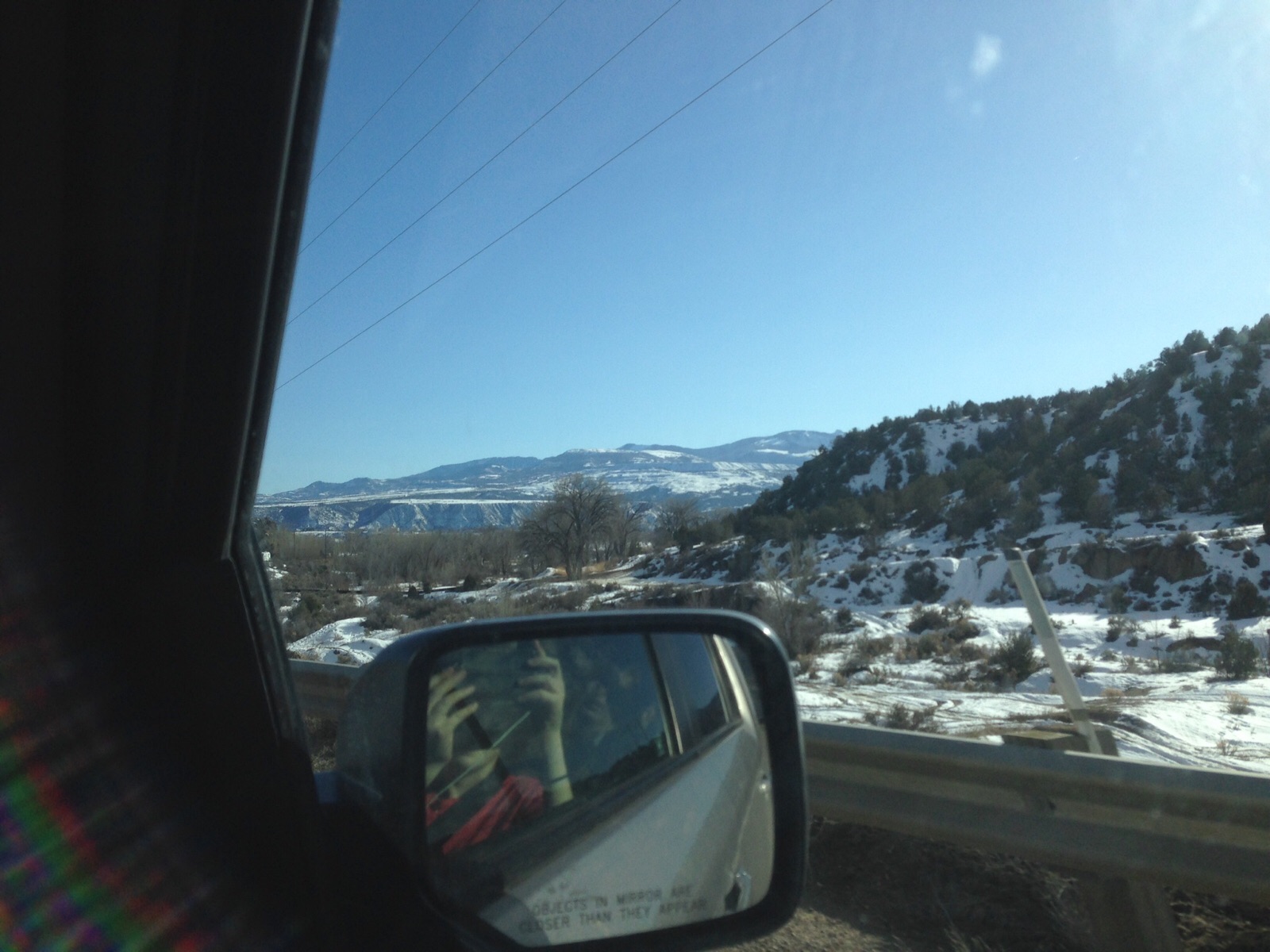
I’ve got a middle child who is chipper today and takes blurry pictures for me and learns how to program the GPS to five different destinations as we navigate the back way.
I’ve got a baby girl who spends the entire six-hour drive happily drawing on and erasing her whiteboard to start all over again.
I’ve got a glimpse of that hope again. When we finally reach the exit from the circled-back, eastbound side of I-70, after passing twenty signs, taking three side routes, and talking about the rockslide all week, a Colorado State Trooper parks in front of two rows of orange cones that guide every car off at this exit.
“Look, this is where the highway is shut down,” I announce, taking a glance around the bright young faces that surround me as we have made a “record” time of five hours forty minutes when Google said 6.5.
“I wonder why,” Mythili ponders.
“Oh, Mythili,” but I can’t finish because I am laughing so hard, I am so deliriously happy that tears are streaming down my cheeks as I try to hold in spurts of laughter and joy that have been bottled up inside me since fifteen minutes before the last bell on Friday afternoon.
But I don’t need a bell to set me free. I just need a glimpse. A glimpse of blue sky over snow, of students who love me for how hard I work for them, of children who are grateful and humorous and quirky in these small moments that make a life, whether they are the fifteen minutes before the last bell or the fifteen tears that just need to fall.
Just a glimpse, a glimpse.
One month in and my senses surround me. Not just sensibility, sensitivity. I am surrounded by the smells, the sounds, the sights present in the world that for so long I only experienced through rose-colored glasses:
Walking along a local business district block, looking for an ATM: At four o’clock, I pass three bars packed with people. Tall glasses of white wine, foaming beers, laughter spilling out onto the sidewalk from the too-warm January patio. And the loud-mouthed couple stumbling across the street.
“She su-ure got you good on that one, didn’t she?” he shouts to her, just two feet away, inside-voice distance.
“Just shut up and get in the car. It’s way too early for the cops to be making their rounds. I’ll take side streets till we get home.”
He struggles to open the door and she slams hers shut with a thunderous thud that breaks through the golden tinge of the setting sun.
Sitting beside my father’s fountain: endless free booze at my fingertips. My football-shaped empanadas being devoured with a nice cold glass of IPA. The smell of beer after beer wafts across the end table as I bear through the intolerable sounds of commercials and crowds that make up a football game. The team wins–another reason to throw back a cold one, to celebrate.
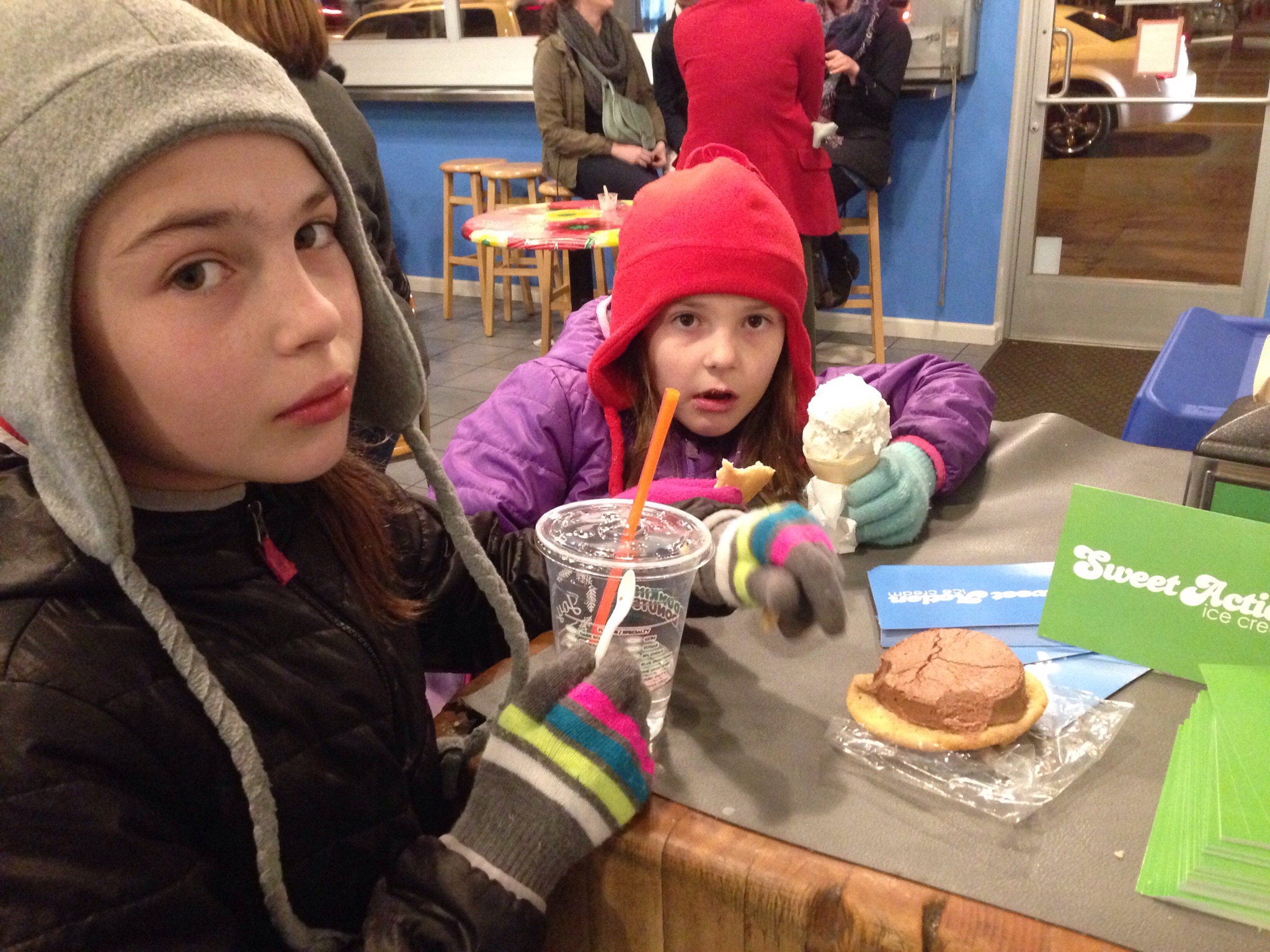
The Saturday night walk down Broadway with the two youngest girls. So much to look at, so much clarity. Pizza dough spun into the air, Uber cars double-parked while waiting for clients to crawl out from under their weekly pub crawl. A crowded ice cream shop where Denverites ignore the impending snowflakes and gorge themselves on wine-infused, beer-infused, whiskey-infused flavors that my girls reject as easily as Brussels sprouts. The chilly, bootless walk back to the car as the flakes increase, the rundown liquor store and, not five feet further, the ominous figure lying half-conscious on the sidewalk, unwilling or unable to move his legs to let us pass. The look in his half-slit shockingly blue eyes: rejection and fear and loathing. The look of someone without a choice.
The morning radio show cracking jokes about how their producer had a once-in-a-lifetime invite to the playoff football game and got so wasted at the tailgating party beforehand that he can’t recall one second of the glorious victory, the plays that make memories, the two-thousand-dollar view. Like it’s funny. Normal. Acceptable Sunday behavior.
The spousal budget discussion, the bill review, the savings goals, and the harsh admittance that easily $200 a month has filled our recycle bin for years. I can still hear the tinny clang of the bottles being dumped, wantonly echoing and overfilling the three-foot-tall bin. Biweekly collection could never quite gather up, or empty out fast enough, the waste found in those bottles.
The memories that flood my thoughts. That time when I said this, wrote that, did … That. The predictive nightmares that fill my nights with giving in, giving up, making the same stupid mistakes.
Did I see these things before? Taste them? Hear the sounds of sobriety, of drunkenness, with such clarity? In those early days of marriage when we scarcely drank, where a bottle of wine given to us as a gift would sit for so long on top of the fridge it would gather dust before we thought to open it? Did I notice the partying that surrounds everyday life for so many people? The weekly, sometimes three-times-weekly happy hours of my colleagues? The fountain of alcohol in my parents’ home? The casual remarks that begin so many stories–“I was lit/wasted/drunk when…”?
Did I have this sense and sensibility before we built up, day by day, a nearly-irreversible pattern? Did I hear, see, taste, smell, FEEL like I do now, one month in?
I can’t quite remember, or I don’t want to fully admit, that the time before and the time after won’t be similar. Like getting married or becoming a parent. There’s no going back. There’s no way I’ll ever be the same.
There’s only sense. Taste. Touch. Smell. Sight. Sound.
And sensibility. Sensitivity.
Sense. Sensibility. Sensitivity. Quite the elixir for a good Austen novel; or, better, the book that will carry me through parties and streets and football games and morning drives with a clarity I never want to lose again.

 Step Write Up