she stands at cross twelve
Sunday sun rays her halo
stairs before, after

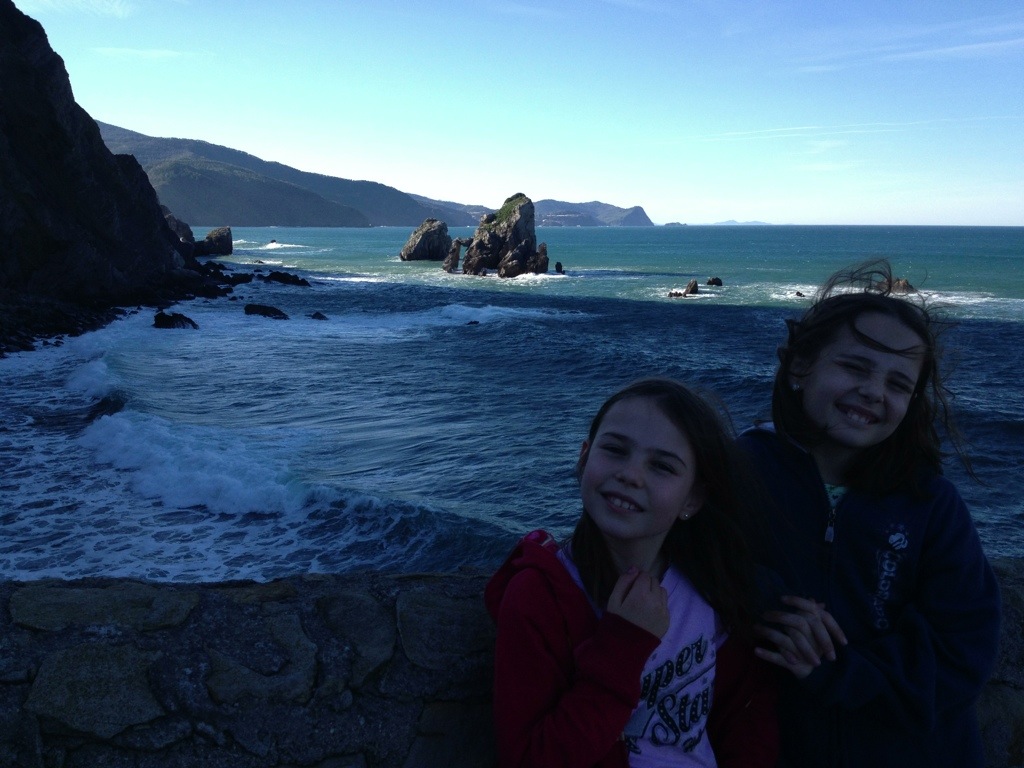

she stands at cross twelve
Sunday sun rays her halo
stairs before, after
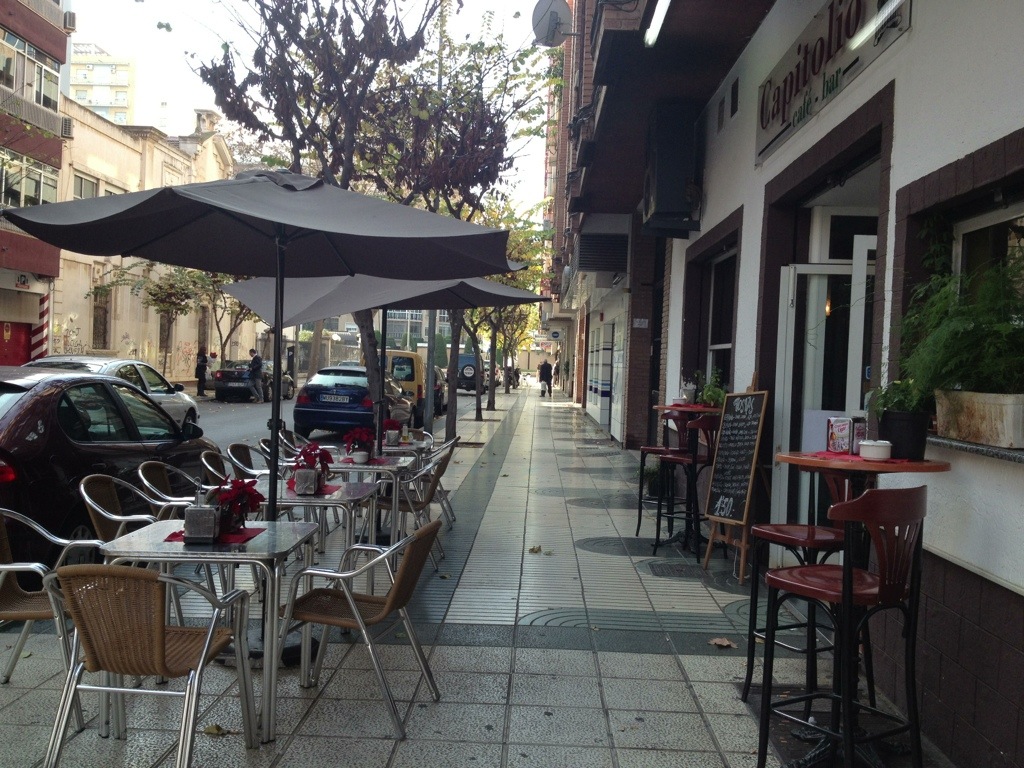
city limits lights
summer-like sun poinsettias
green Christmas this year
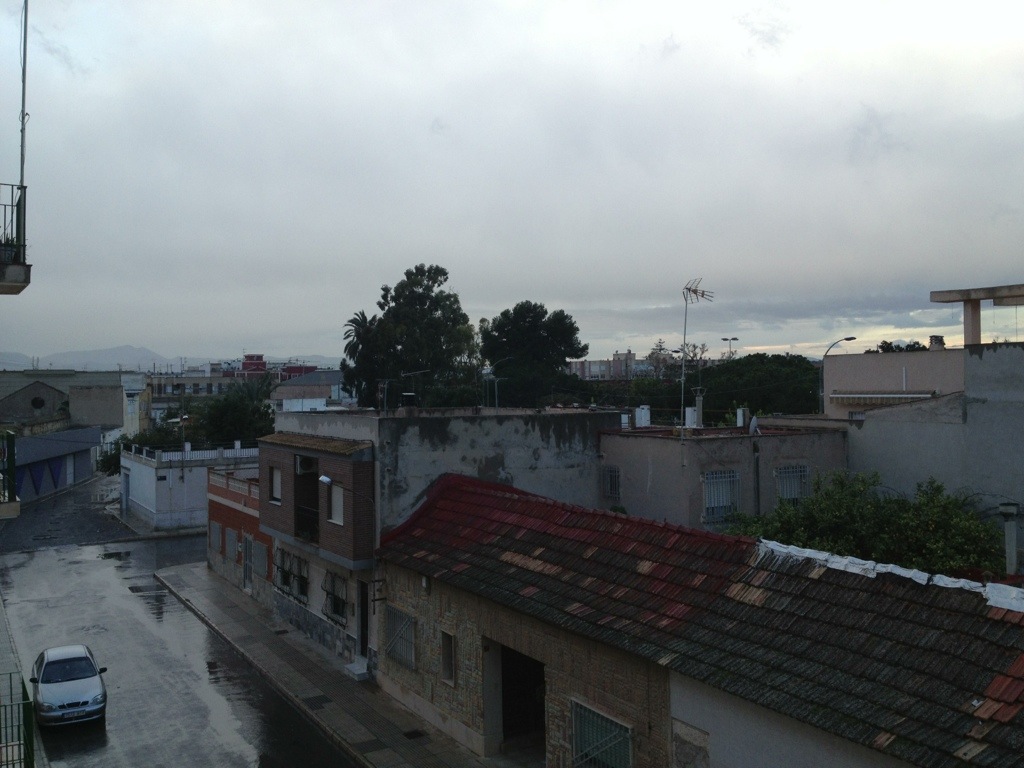
The view from my window is not quite the beauty I imagined, years ago. It didn’t come with a famous creative writing disclaimer: “This isn’t good enough!” It is streaked with bits of cloud and greasy rain that clings to the single panes in a mockery of winter.
Red tile roofs? Can I have me some Spanish red tile roofs? If I squint, and look several blocks down from my level three piso, I can see a few, scattered just as intermittently as the palm trees in this on-the-fringe, immigrant-ridden neighborhood.
Instead? Run-down row homes, cracked walls along a courtyard aching for maintenance, its sad sprouts of wishing-to-flower plants drooping like withered beans in the midst of a seasonal downpour that they were not prepared to encounter. The street bleeds with life from the early hours of the morning, first with traffic on this central artery leading to downtown, and then earlier in the morning with partyers who linger like plaque along the corner capillaries, trying to sober up after visiting the nightclub down the block. Painted-white aluminum Persian blinds block out most of the windows in my view, their attempt to trap in warmth and keep out the evils of a steady rain as pathetic as a surrender flag held up by a villain still holding a knife, ready to strike.
The inner courtyard speaks a slightly different story. Yes, the rain has reached here too, but with a different set of fingertips. It drips from the metal clothes racks, the nylon lines, and soaks through freshly-washed laundry, its pungent smell, aching of wet sidewalks and age, present on t-shirts and pants when, hours later, we will lay them out in front of the tiny space heater, homemade dryer number two, to force them wearable. But the courtyard itself? It sings with craving-for-rain plants from our neighbors below, with the chirping of caged birds who share stories with our whistles, with the clinking of plates from the sacred three-p.m. meal.
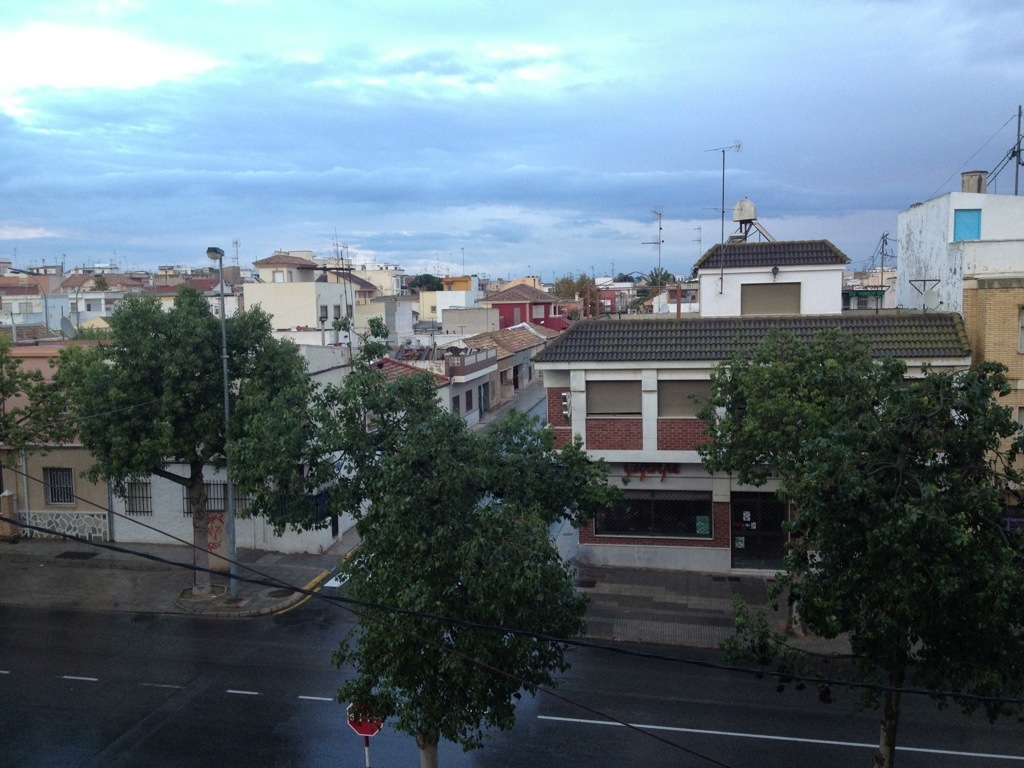
The view from my window in this small city in Spain is not what I thought it would be. There are no waves, no clear vistas of mountain peaks, no perfectly clipped palms to remind me that I live in paradise. So it is when we imagine our dreams, too perfect for their reality upon accomplishment. But as I rise this morning to rewash our rain-soaked sheets, to sit under layers of blankets with my hoodie on, my hot Macbook keeping my legs warm, my youngest popping out of her bedroom to share my covers, the clouds retreat, a quilt of gray tinged with the pink perfection of a late-morning sunrise, and I know, despite the tainted view, that this is still my home.

Medieval market
roasted chestnuts across sea
an old song in Spain
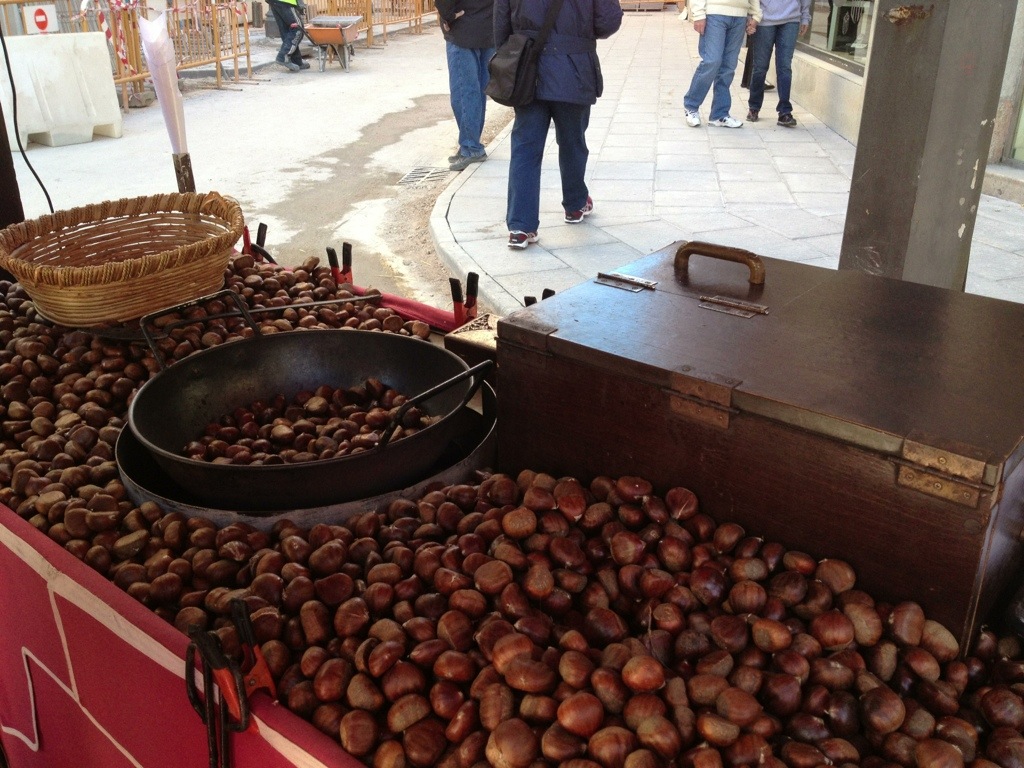
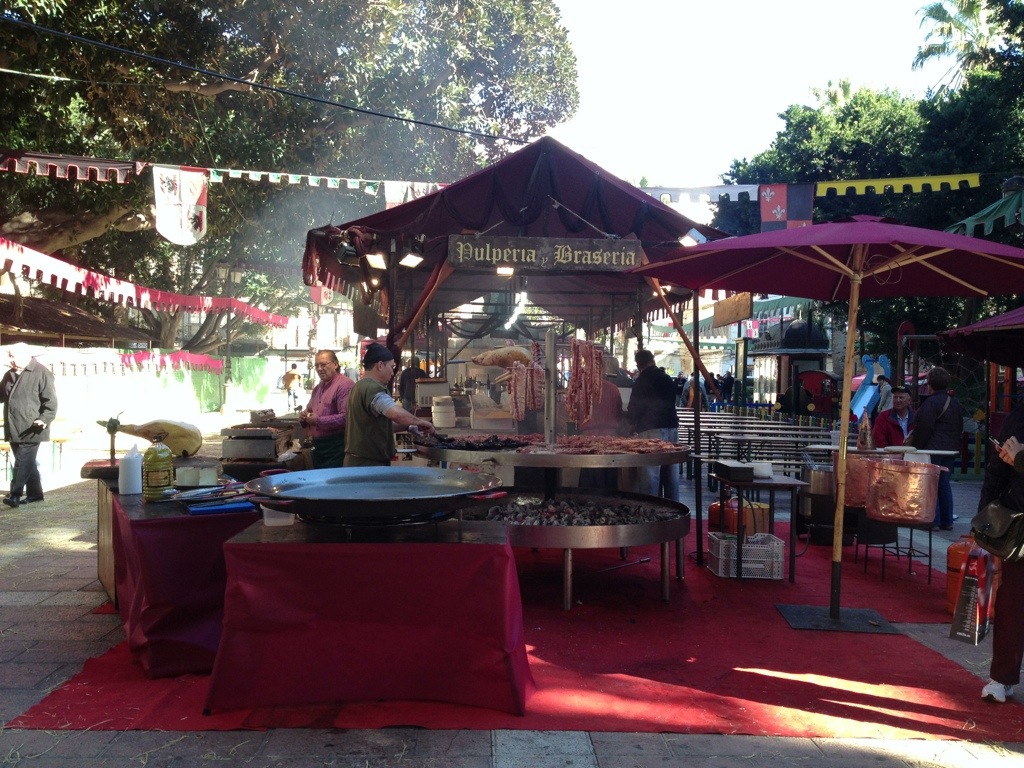
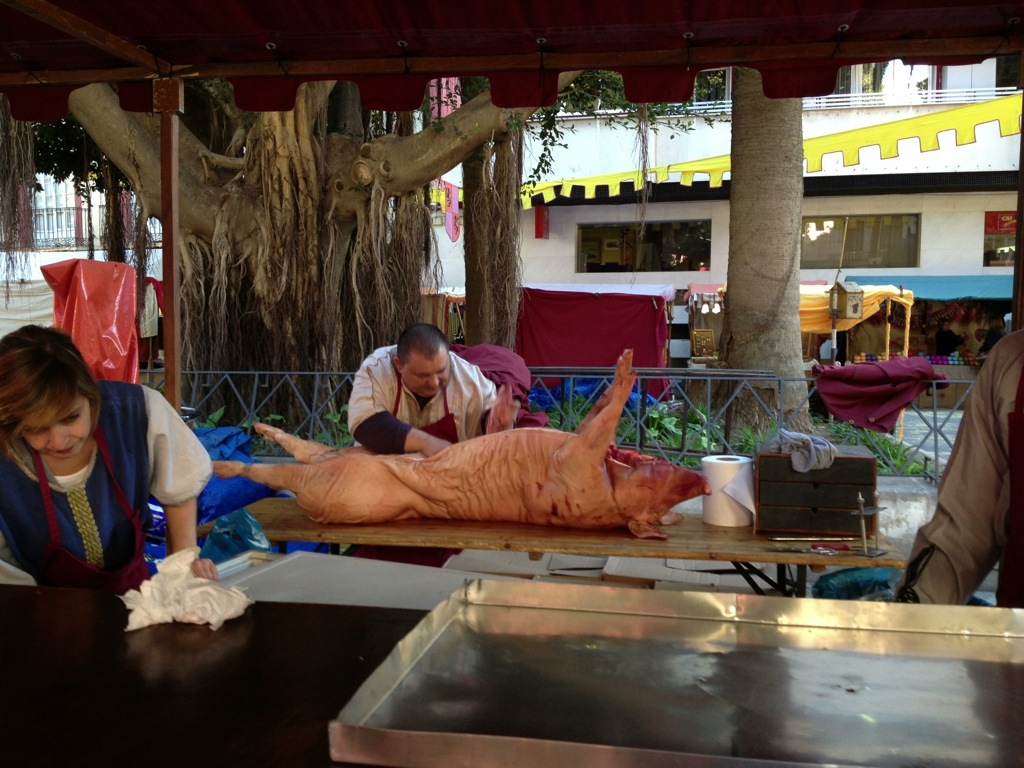

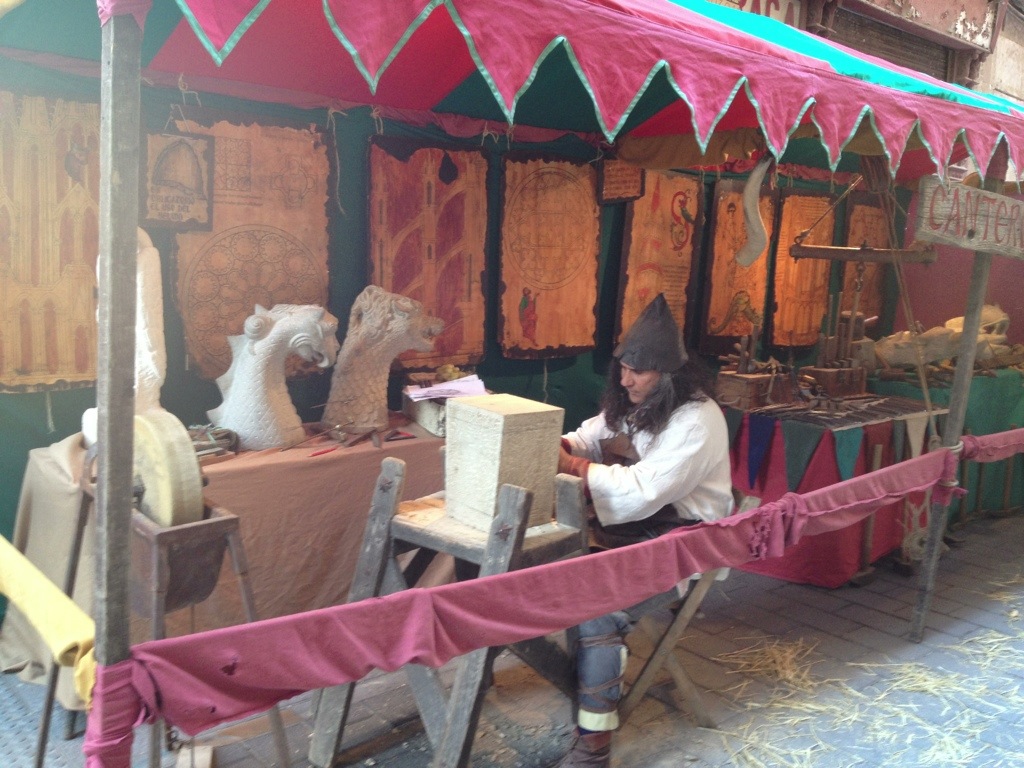
a cold in the cold
our apartment an icebox
relief in his arms
my mom sent me lights
Christmas beauty in Denver
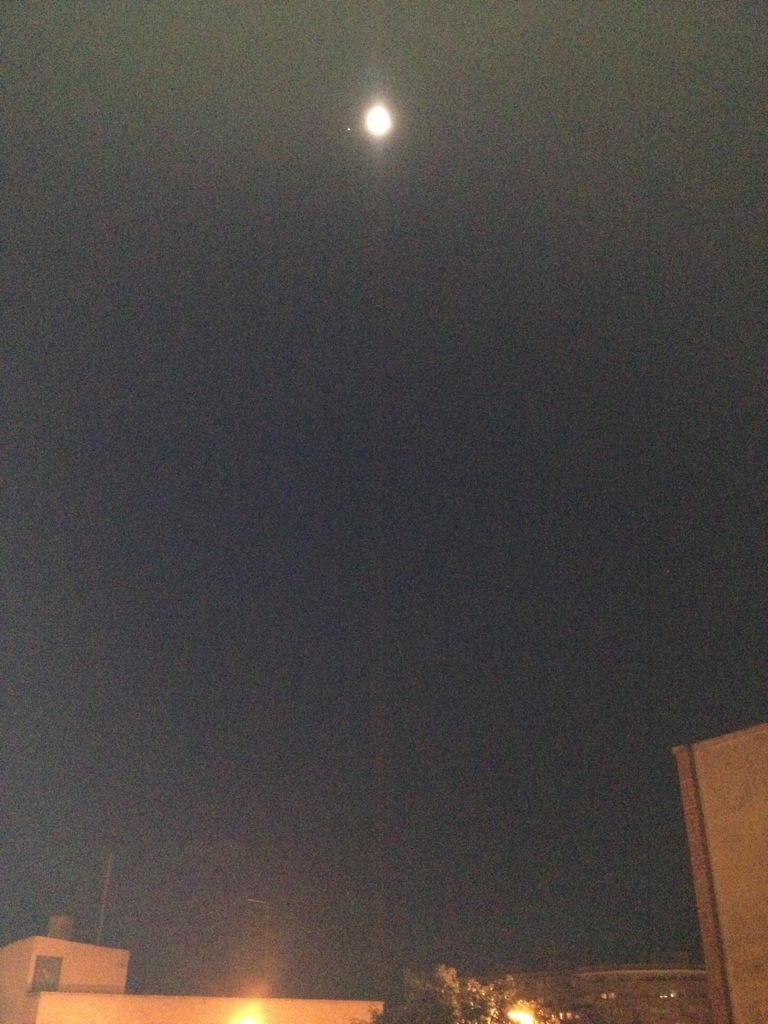
only a moon here

It is impossible to say in words, or to describe to students in Spain during my PowerPoint presentation about Colorado, the beauty of aspen trees. They share the same roots, can never grow alone, and plant their seeds in my heart, my home state.
There is a reason people travel hundreds of miles to take that picture in front of the Maroon Bells, the reflective lake picture with the aspens at the base of the two magnificent Fourteeners. It is because of the aspens, their paper-thin trunks, quaking leaves, green-to-gold beauty, their thin branches collecting snow in winter and blossoming in a whisper of shades for spring, summer, and fall.
But I didn’t want the traditional photo. Instead I chose this one, the lens pointed up, our Colorado sky so blue you feel it is a color you can cup into your palm, the leaves at their golden-age pique, ready to burst away from the grove with a gust of mountain air, and the intertwined trunks pointing to the heavens in a singular strength found only in trees.
We are the aspens. All of us, connected at the roots, holding each other up when times are tough, listening to each quake of every leaf, our soft sounds lost to everyone far down in the forest, whose postcard-perfect picture could never capture our connection.
What others see, cameras ready, is the beauty we plainly project: a set of trees along a mountainside, roots clinging to the slope, trying to survive the seasons with the grace that makes us who we are. What they don’t see are the winter nights, the beating-to-the-bone blizzards that shake our interconnected souls, that expose us to each other in a way that a lens could never reproduce.
We are the aspens. We cannot grow individually. We are with each other in this photo, clutching our view of a perfect autumn afternoon. And we are with each other on those dark winter nights when the frost bears down on everything that keeps us alive on this mountainside.
We are the aspens, unlike any other tree in any other forest. Our saplings sprout up around us in a flurry of activity, held tight by our roots that keep us together, that keep us alive, when everything surrounding us would work to tear us apart.
I have this apple pie recipe. It is almost as good as my brownie recipe, perhaps a bit better, because it is so time-consumingly tedious to make that its appearance on our table occurs twice, perhaps three times (for extra-special people or occasions), a year. The recipe begins with a crust that is both sweet, flaky, and crispy. The bottom of the pie is lined with a pastry cream so thick and delicious you’d wish you had a bowl to scoop it out and eat it with a spoon. Of course there are apples, the apples of my youth, Granny Smiths grown on the Western Slope of Colorado.
I think about this recipe today as I lay out the refrigerated pie crust on my small Spanish counter. The recipe sits in the room in the basement of my house back in Colorado, the room that hovers like a ghost in the attic of my mind. Ten by ten. Green carpet. One tiny window. All the junk, from sleeping bags, toys, a television that’s not even ours, to cups, magnets, and recipes, that we couldn’t bring to Spain.
Here we are, three months later, living our lives without these things. Without the books I’ve collected for my girls in my ten years of being a parent. Without the tent we would never use. Without my favorite coffee mug, fifteen years back bought at Christmas from Starbucks, Van Gogh’s Starry Night a blur of beauty on my early mornings. Without my recipes.
We have had a functioning oven for two days. I was planning, until now, to let slide my favorite holiday, to give in to the holidays of Spain–the next saint’s day, school break, or puente, and forget that I look forward to Thanksgiving for the whole year. After all, how could I bake a pie without an oven? Without my recipe?
As all things seem to work out in 2012, life of Karen Vittetoe, the oven arrived in our lives just in time. I could make my pie, we could make our Thanksgiving dinner, but at what cost? Moving here, our kitchen contained many items, but not a pie pan, a roasting dish, or a 9×13 baking dish for brownies or candied yams. They don’t sell pure vanilla extract in stores; rather, aroma of vanilla and pure vanilla bean; the combination of buying cocoa, the varieties of vanilla, and chocolate chips, of buying two baking dishes and a pie pan? Our spending money for the week is demolished. Not one penny left for a rolling pin that, perhaps, will never be used again.
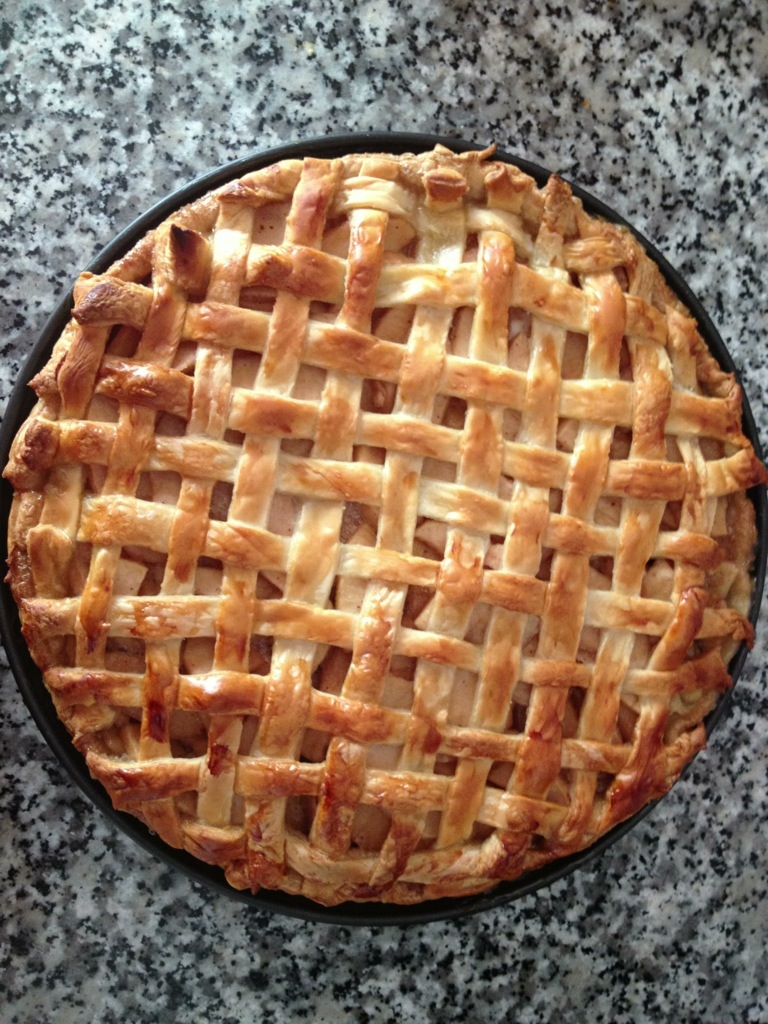
So this is why I’m crying now as I lay out the rectangular, store-bought pie crust, as I cut it into strips to make my lattice top, hopefully creating the appearance of beauty for my sub-par pie. The crust is malleable, easy to stretch, more perfect than I could ever have mixed together myself, and yet I despise it. It will not be mine, just as the holiday that has already past is not mine.
Yet, somehow, as my girls will in a moment burst in from their school day, see the piles of leftover crust and take them into their small hands, scrubbing the bottom of the apple-cinnamon-sugar bowl with delicious bits of crust, just as I did when I was a girl, I know that my pie will be fine. It may have an imperfect crust, but it will be just as beautiful, taste just as amazing with its lining of pastry cream, the Spanish apples brought down from the north, and the sweetness carried across the sea to Europe for a holiday that is the same in every language.
bizcocho in bed
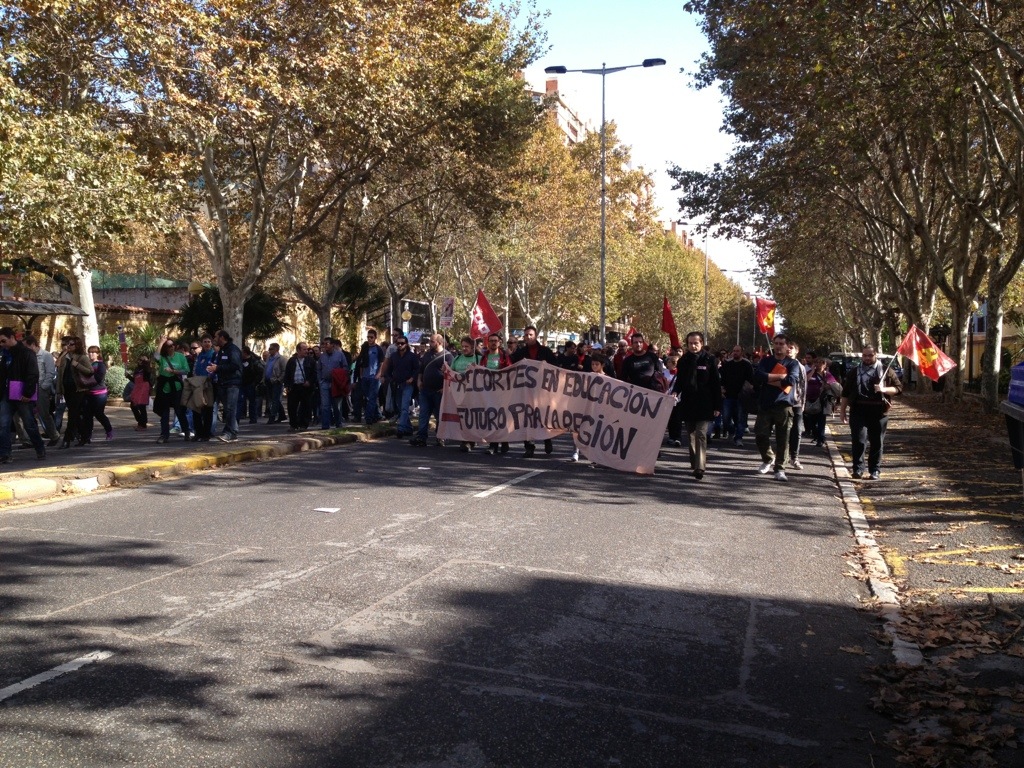
Spanish huelga on the streets
sunny ‘snow day’

a long rainy walk
my novel sadly concludes
why should evil win?
 Step Write Up