Interception

art intercepts life
 on a cloudy Denver day
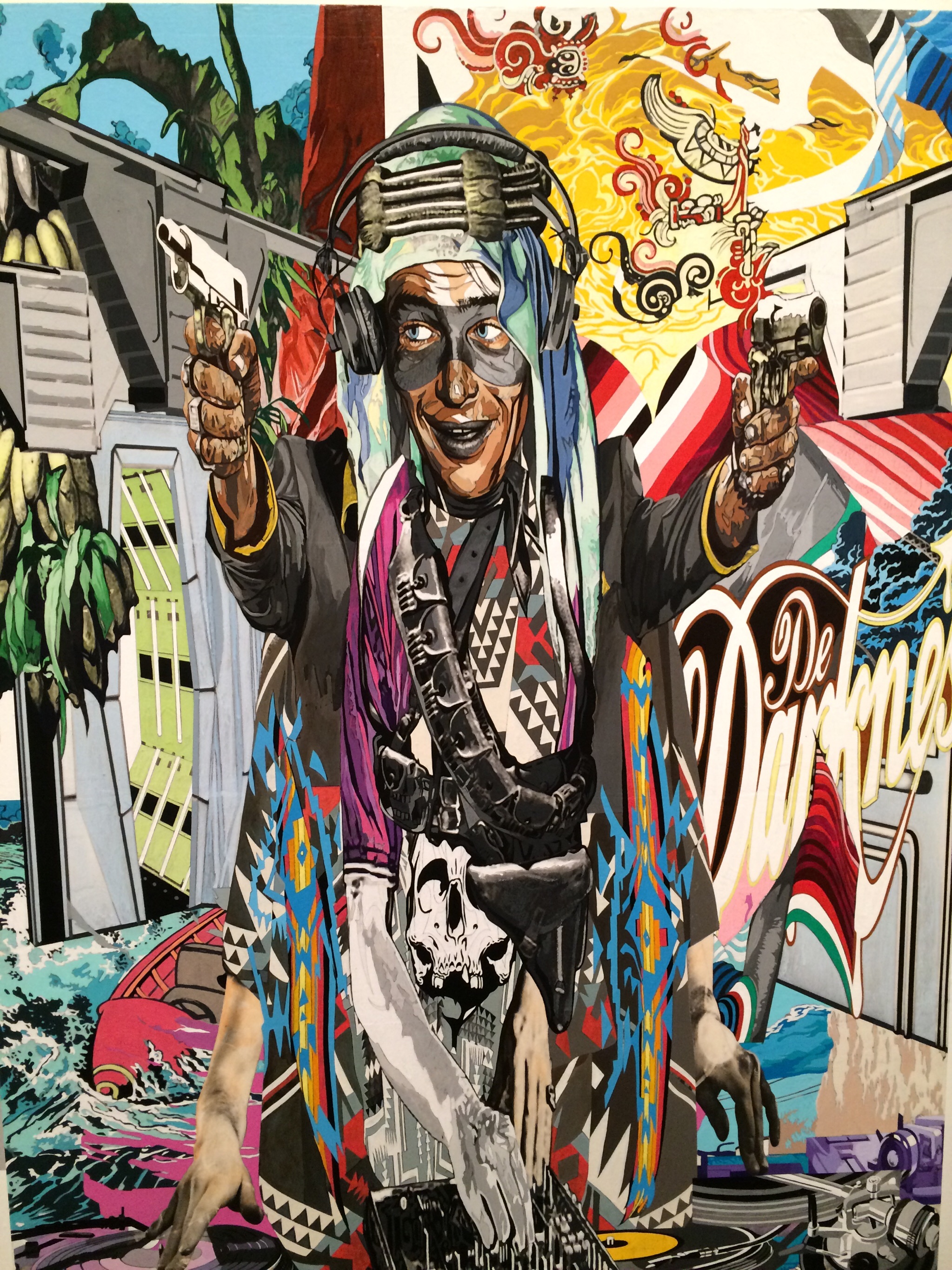
 at the museum
 
 social justice rules
 when we create from our souls–
 pen; paint on canvas
 
 after a long walk
 The Nightingale finally ends
 (leaving with sorrow)
 
 sorrow chases steps
 across the gray of our lives,
 of this cool spring day.
 
 but i still find hope:
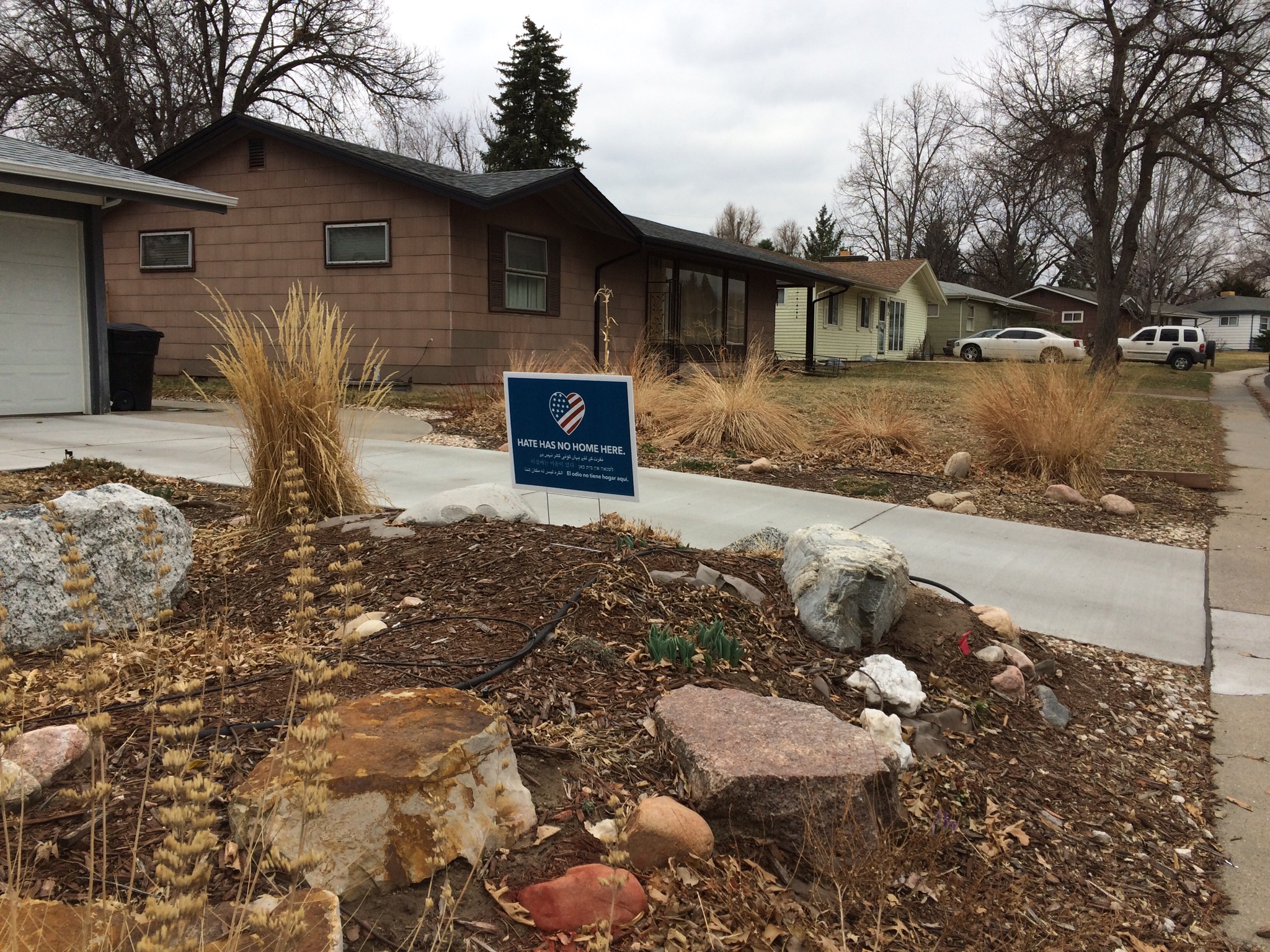
 in neighborhood yard signs,
 girls getting along,
 
 in the purring cats,
 the moist grass that begs to grow,
 the chances that wait,
 
 in my daughters’ eyes,
 and the fight we all must fight
 till tomorrow comes.
 

Freaky Friday

bitter sister fights
 after Friday conferences?
 it seems about right
 
 no weekend chilling
 what the fuck are they thinking?
 we just want to rest
 
 and my girls’ good grades
 and flawless school behavior?
 who are these people???
 
 let the teachers leave
 let us all be real here:
 let us all… breathe… deep
 
 (it’s all over now–
 the fights, the drama… Friday)
 so let us rejoice
 
 because she got in
 will be at school with me soon
 my little freshman
 
 and all that matters
 on a freaky Friday night
 is that they are mine
 

Essay This

writing for four weeks
 we’ve reached the final draft stage
 and i can sit down


The Swirling Reality of Everyday Life

img_5224
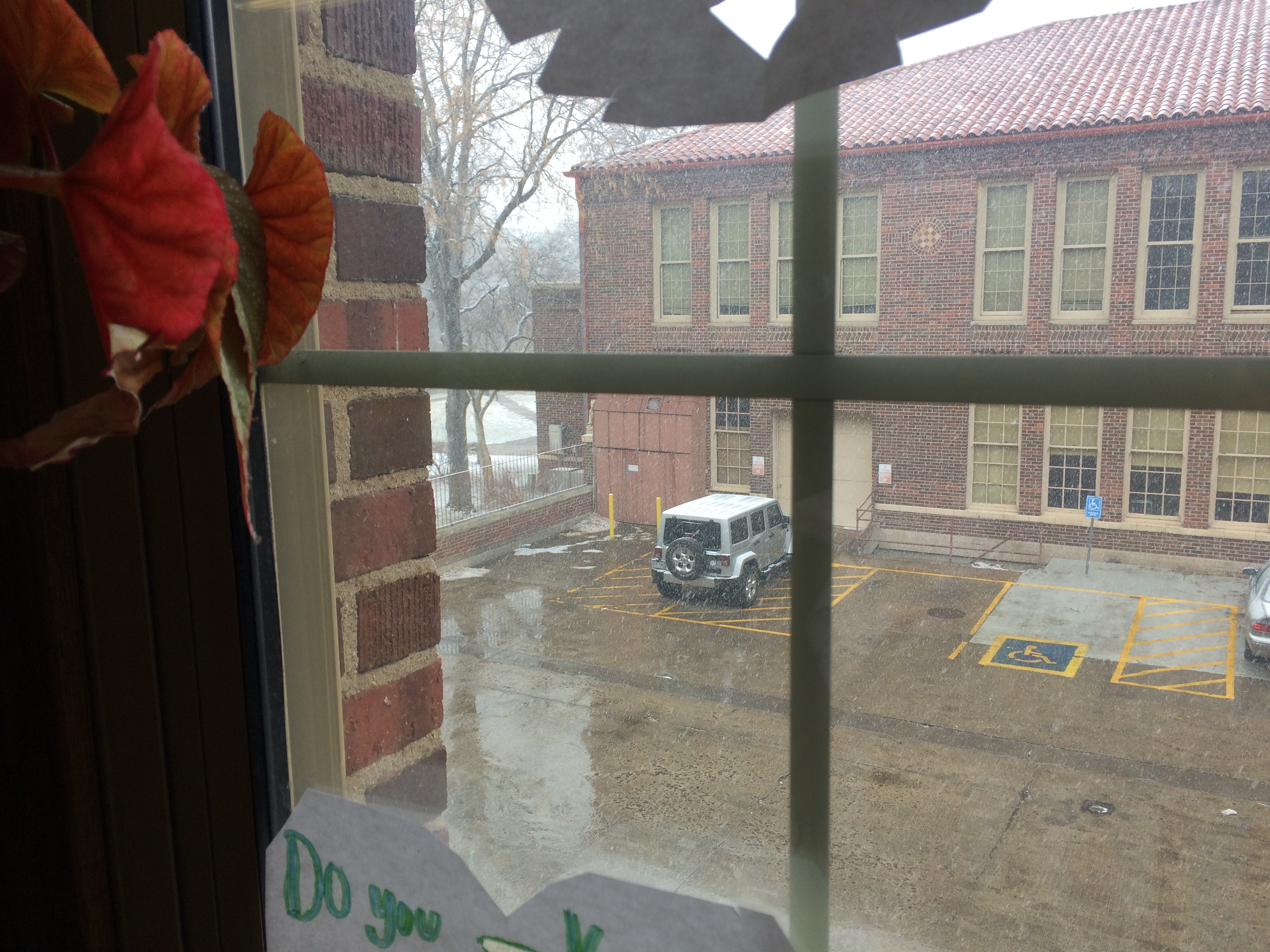
I watch the white world spin outside the third story window. Flakes, long absent, now twirl in a late winter dance, clinging to bare branches, reaching for a new hope.

I catch glimpses of the video–an analytical description of the autonomic nervous system. It is both too much and too little for me right now. The primitiveness of the hunt, the threat that is ever-present in our lives, has put me on this graph at full activation–State 1–always ready to react.

I want to be outside. To feel the flakes on my face. To bite the cold with shivering teeth. To pretend that winter will stay.

I want to be those bare branches, gathering snow in my arms, soaking up every last bit of moisture after too many days of drought.

The sky whitens as the swirls make their way across the city. The video provides a relatable example–how we react when we’re driving a car on a snowy evening and slide on a patch of ice. I giggle, minimally, and my co-worker turns her whole body towards me to be sure I see her how-dare-you? glare.

Does she not understand the irony? After a winter without snow, we’re watching a video with this particular example on a snowy afternoon?

Later, State 1 follows me as I rush out of the building, late to pick up my youngest. I find a parking spot half a block away and rush against the crowd of parents and children leaving the school. I stomp through the slushy parking lot and round the corner of the building as the first grade teachers close their doors. There she is, the final student standing in the cold, holding her hood around her eyes and huddling against the brick wall.

She asks for both of my gloves before we arrive at the car, blasts the heat, and turns on the heated seat, but she doesn’t complain. For once, she doesn’t complain, and I find myself breathing in, breathing out, like the wild animal described in the video, ready to let go.

But I can’t let go. It’s the drive on ice in swirling snow, the counting of thousands of cookie dollars when I get home, the friend over, the constant mess, the story told of the one day the older girls caught–and almost missed–two city buses, the trek across town to the bank, the grocery stop, the endlessness of the swirling snow and the swirling reality of everyday life.

Before I jolt across the parking lot that separates the bank from the grocery store, I hear the sirens. The sound of panic, the crashing of metal. The slipping on ice.

I grab the few frozen items I need off the shelves and make my way back into the snake of traffic. It twitches and slithers in the shadow of blinking red and blue lights. The accident, less than five minutes behind me, four cars splattered in pieces across the intersection, firefighters fighting the good fight.

That could have been me.

I think about the graph in the video, the curving line, the constant dip that we find ourselves trapped inside, unable to get over the hump that could save our lives.

The panic that sets in when our kids won’t listen, when we’re running late, when we fuck up an interview, when we slip. On ice.

I make my way into the snake. In slow motion, we weave through the mess of the accident. I breathe in. Breathe out. Think of the words I will write. Of the children I will hug.

Of the irony of this swirling reality of everyday life.

And I laugh.

(No one glares at me).
This is All I Have For Now

Hope for today: a new student came to my advisory. A Syrian refugee who has been here for 20 days. He could not communicate very well in English, but another newcomer from El Salvador who’s been here for a few months was able to help him with signs and support. He also took pictures on his tablet of everything I handed out and was able to run the words through an app that translated the words to Arabic. And, through the tablet translation, proudly told me at the end of class that he speaks three languages: Arabic, Turkish, and Kurdish.

I wonder what else he has stored behind those questioning eyes? I can’t wait to find out. And I’m so glad he made it through the Trumpocracy.

#standwithrefugees #standwithimmigrants

Heart In Time

day’s small victories:
 video discovery,
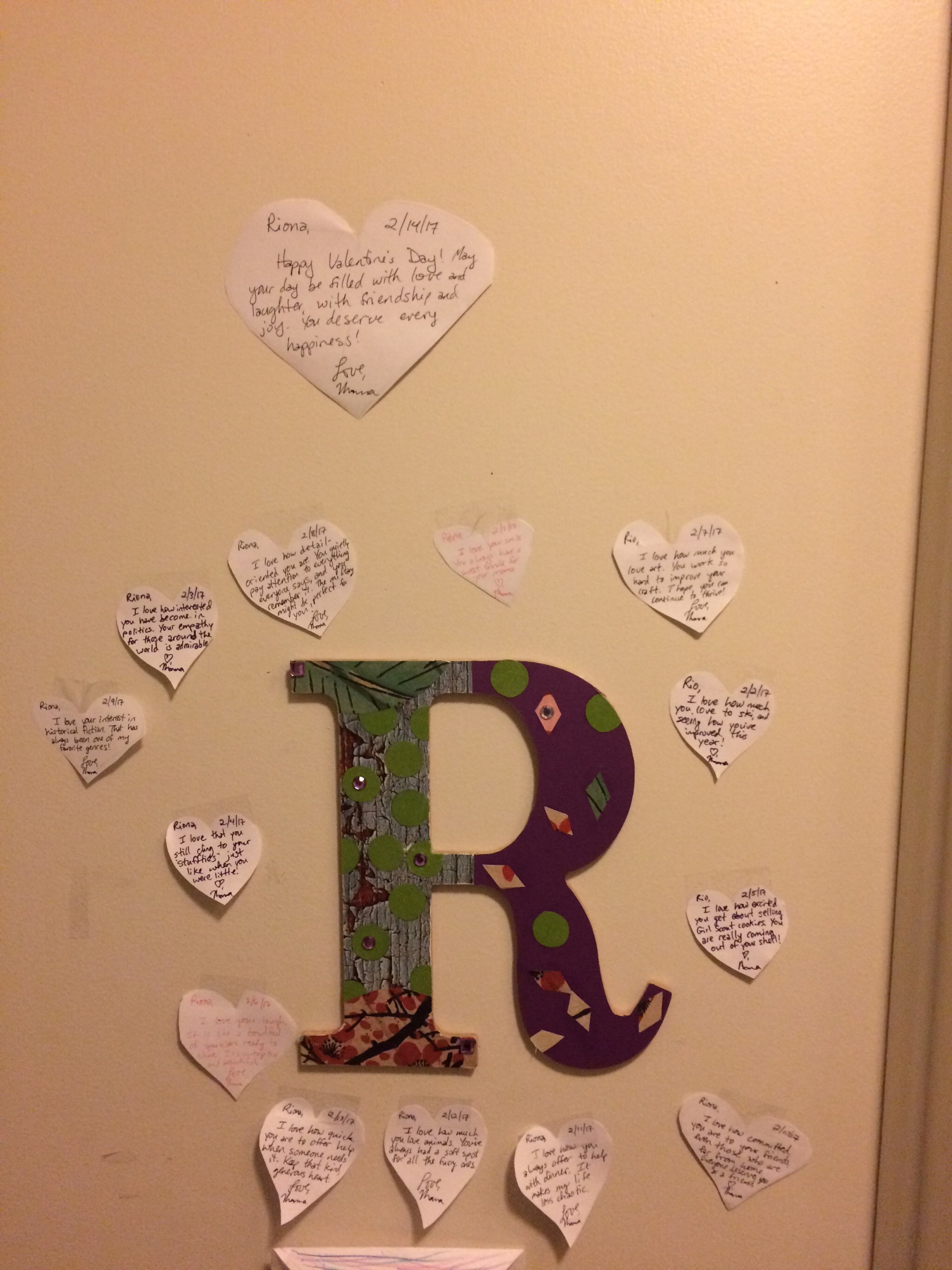
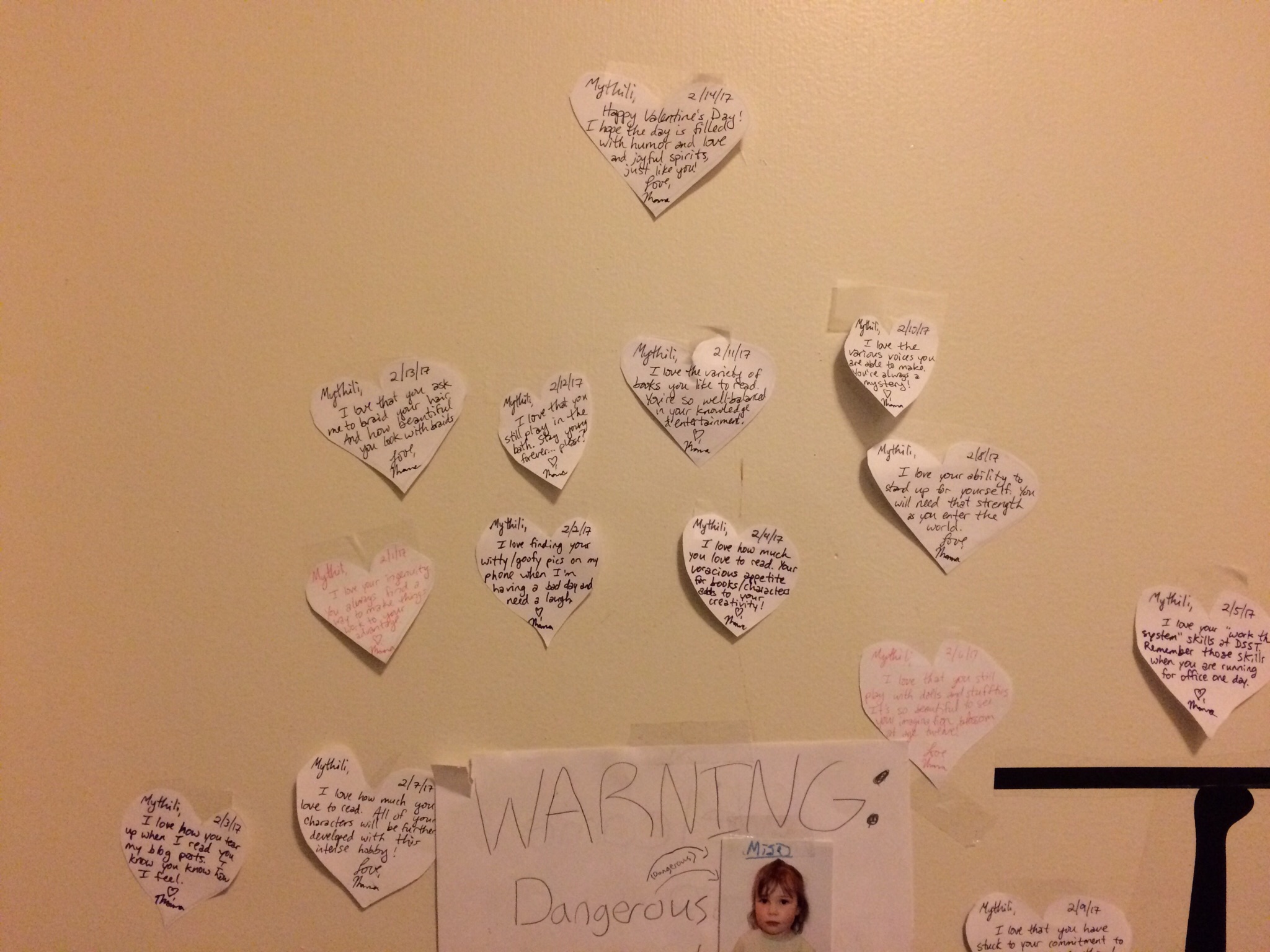
 love hearts updated
 
 (these little remnants
 of jam-packed, drama-filled day
 make my heart smile)
 

What Will Save Us

let’s not forget art
 whether painted by god’s hands
 or written by us
 
 whether found in words
 from teens’ broken-hearted hugs
 on our Challenge Day
 
 or in the small space
 when the night meets the morning —
 let’s not forget art
 

The Last Plane

Red hair, green eyes, tall and sure of himself, he peeks into my room, searching for a familiar face after lunch. I have seen this look before, as my students often seek their native-language counterparts.
 
 “Who are you looking for?” I ask, the after-lunch crowds raucously meandering around our conversation.
 
 “I am looking for you. I am a new student.” His accent is smooth and meticulous, genteel and articulate.
 
 “Oh, OK. What’s your name?”
 
 “Arvin.”
 
 “Where are you from?”
 
 “Iran.”
 
 “Iran? … And… how did you get here??” But I have to look away because the tears are already in my eyes.
 
 “I boarded the plane on Friday morning. I was in the last group of Iranians to come.”
 
 I want to continue the conversation, but I can’t. I can’t because the tears will fall. I can’t because I have to teach for the next ninety minutes. I can’t because every waking moment of my life since this election, since this inauguration, have become a cycle of servitude. Of serving this need or the next, of wishing for this and receiving that, of hoping for the best and seeing the worst.
 
 Instead I tell him where to sit and hand him a hard copy of I Am Malala. We will listen to the lilting Pakistani accent from Audible today as we continue to highlight human rights violations from the Universal Declaration of Human Rights (we will highlight thirteen incidents in three chapters; we will connect media suppression and fascism and women’s rights to an education too closely to our lives; we will hear Fazlullah’s rants with an American accent).
 
 My weekly volunteer returns from the library after a time with a group of students. She meets with my Iranian student to explain to him his role in the group as they create posters connecting Malala’s experiences to the UDHR. He fits in well and tells the group he cannot draw very efficiently, so can he please have the role of interpreting the quotation from the chapter and connecting it to the UDHR document?
 
 He has been here for five days. He got in on the LAST PLANE.
 
 After class, my retired-white-woman volunteer asks, “If he just got here from Iran, how come he can speak English?”
 
 And that is when I decide.
 
 I have to start here. Right in this moment. With this woman who drives one mile from her upscale mansion in Cherry Creek North to “make a difference.”
 
 “Pretty much all of the students who come here learned English before they came. Usually only the refugees have interrupted schooling. But most countries start teaching English when the kids are in kindergarten.”
 
 I swear her jaw drops ten inches. She wants to say something, but she doesn’t have the words to describe her ignorance.
 
 “Oh…”
 
 And now you know, I want to say. But I don’t. I don’t cry when I want to, because I have to be strong for them. I don’t tell her that Trump’s America is not my America, not Arvin’s America. I don’t tell her that the combination of students in this room represents the values of our country better than most Americans I know. That a red-headed Iranian entering my classroom five days past an executive order banning Muslims is as beautiful to me as Ziauddin’s tears in the New York Times documentary as he sees Swat for the first time in three months (which we watch at the end of class).
 
 Instead, I say, “Thank you for your help. I’ll see you next Wednesday.”
 
 And that is all I can do to resist.
 
 All for today.

Dedicated to 1/27/17, A Day that Will Live in Infamy

For today, I met with 27 students from Somalia, Sudan, Iraq, and Iran to tell them that they probably shouldn’t leave the country or they might not be readmitted.

“Thank you, Ms., thank you for telling me.” Relief as transparent as grief in their eyes.

For today, first Trump said this about the Holocaust: “In the name of the perished, I pledge to do everything in my power throughout my Presidency, and my life, to ensure that the forces of evil never again defeat the powers of good. Together, we will make love and tolerance prevalent throughout the world.”

THEN he said this as he signed the executive order banning refugees from Muslim countries: “We don’t want them here.”

For today, I told my colleagues in our district-mandated common planning, after twenty-seven minutes of discussing Socratic seminars, student placements, and teaching methodology, “Please let your students know about the recommendation from many aids groups and human rights lawyers: students and their families should not leave the country.”

For today, the ONE DAY that a district minion came to “observe,” his title Data Culture Specialist, not a day older than twenty-five and only experience in a Teach for America charter school network, writes: “Strength: The team was considering how current events impact student lives in a meaningful way (Executive Actions). They are team most impacted by these events as they have the most ELA/Refugee students.

Next Step: Continue to push the conversation to be about instruction or student learning/outcomes.” (n.a. Source unknown)

For today, I want to push the conversation: “Do you think my INSTRUCTION is more IMPORTANT than my STUDENTS’ LIVES?

For today: Student learning outcomes? Do you think they will LEARN ANYTHING if they are deported?

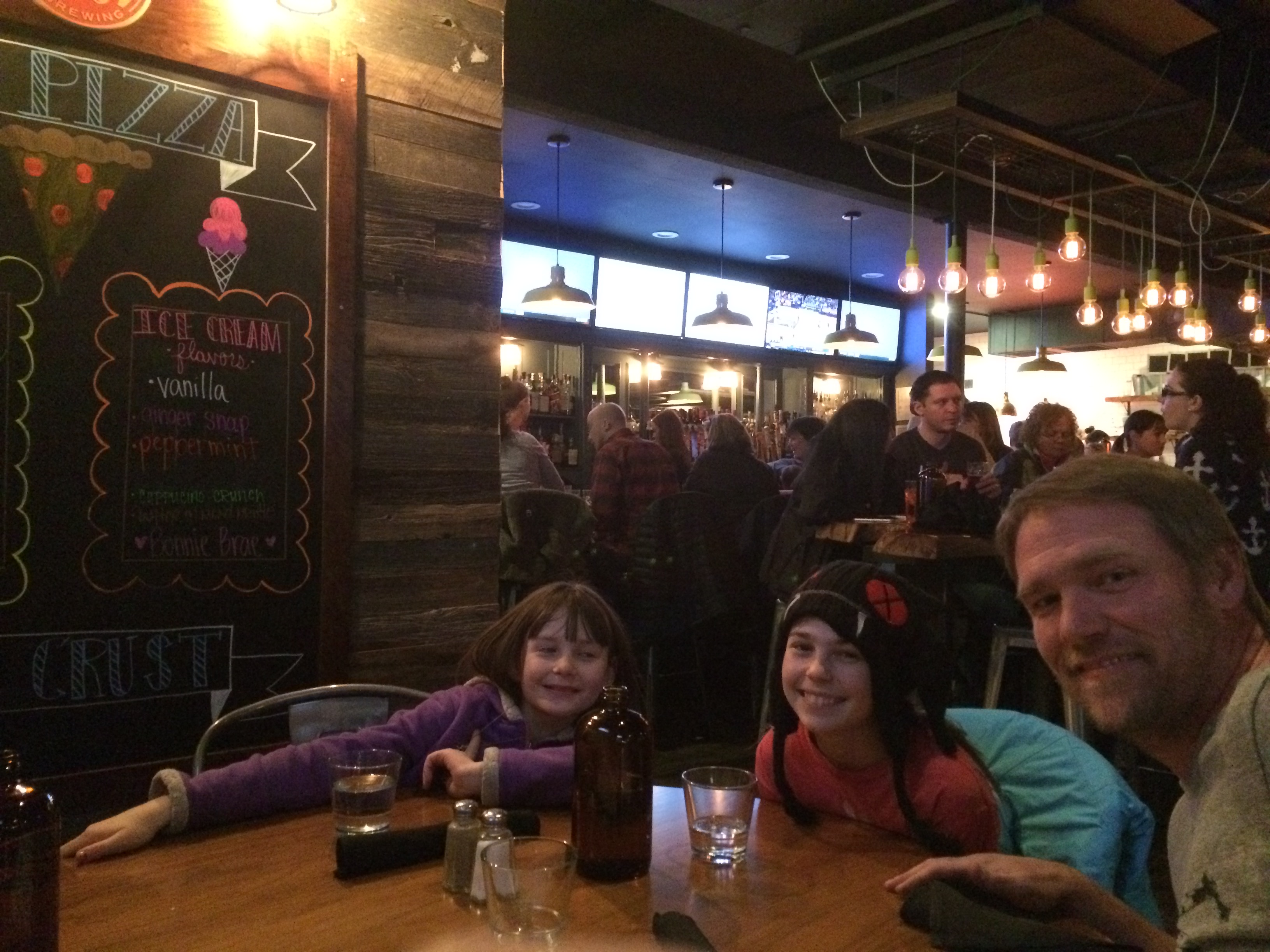
For today: I share all of this at dinner in the too-crowded local pub. My husband, my daughters, ages twelve and ten.

For today: My ten-year-old replies, “Mama… he must have been a Republican.”

For today: One. Small. Win.
img_5102