Beyond

our preparations

for this moment of our lives

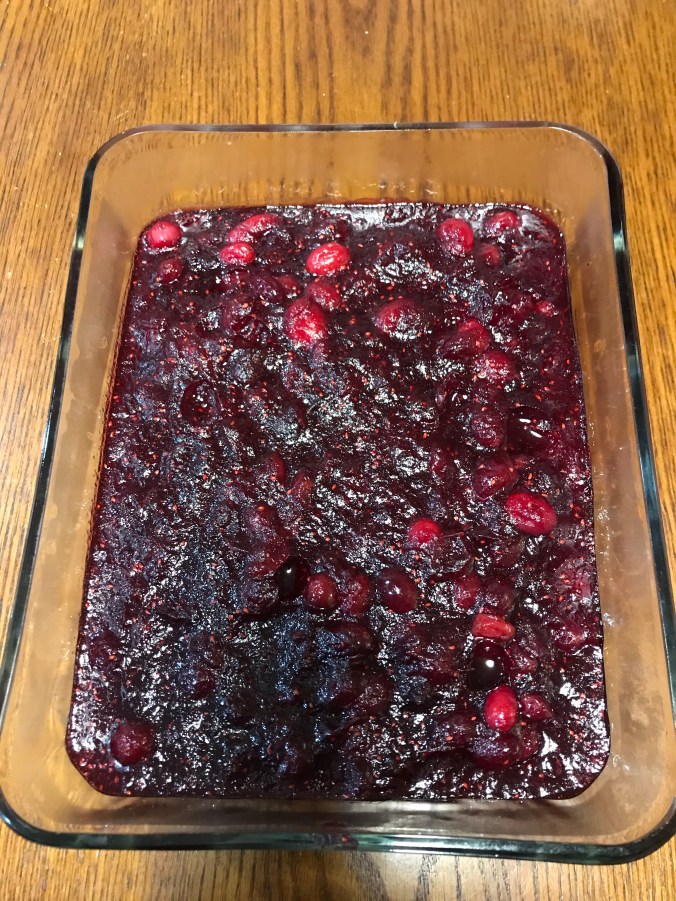
go beyond torrejas

beyond this sweet sauce,

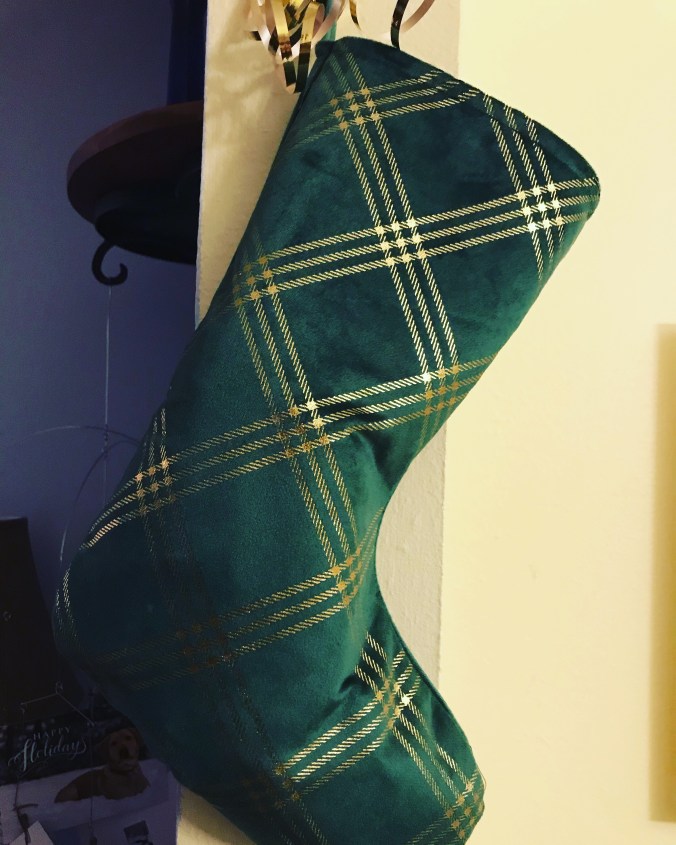
this Christmas stocking for you,

beyond this moment

our preparations

go beyond twenty-two years

when we were babies

when we were in love

as only the young can be

and he promised me

what promise, you ask?

to open our home with love

when it is needed

Migration

I tried to be an immigrant once. I failed miserably because I’m too damn American. A privileged white woman. And because it was so fucking easy just to come home after a year.

In the attempt, I cried for months. I wrote constantly about the struggle of it all. The relinquishment of our family home. The endless paperwork. The cancellation of a dream job for something that was meant to barely sustain a recent graduate, not a family of five.  Saying goodbye to the colleagues and collegiality I had shared for seven years. Saying goodbye to my family, my friends.

But it was just a farce, really. I didn’t fully fulfill my lifelong dream of Spanish fluency because I spent the majority of my days teaching English and the remainder speaking to my English-speaking family. And the money? The dream? The travels across Europe?

Nothing, I learned in those magical ten months, compares to human relationships. The relationships we’d just begun to develop with my clients, my colleagues, my friends in Spain before we had to board a plane and return to our “life.”

I tried to be an immigrant once, to step into the shoes of someone who has to drive across the country for a visa. To find an apartment. A phone plan. A rental car. A school for their children. In their second language.

I failed.

I bought five plane tickets and flew us back to America before we could blink.

Wouldn’t that be nice? To determine, after a time, that it’s just not right? That you could more or less return to your life and be the better for it? That you could pick up right where you left off, master’s degree in hand, Skype-interview-secured position waiting, to the life that you thought you wanted to leave behind?

Well, my students don’t have that choice. They have witnessed everything you can imagine and everything you couldn’t begin to imagine. They have come here with a singular thought: I cannot, I will not, return. I have stepped on that plane, that train, that three thousand miles of pain, to make this dream a reality. 

They come here to relinquish everything about what has shaped them as human beings. Their language, lisping and loving. Their food, aromatic and elegant. Their weather, pungent and tropical, arid and hot. Their religion, every day and every way. Their families. Their communities. Broken or torn, perfect or imperfect, but never enough.

And they know that they cannot look back. That, no matter the circumstance (murdered parents, no literacy, shadows of abuse, a $10,000 bail set on a cousin who came to rescue them from a detention center only to be placed in one himself), they are here. To stay.

They are the brown faces you see on every block building your garages. Hammering  your roofs. Serving your dinner. Teaching your children Spanish. Driving your Uber. Replacing your sewer line. Packing your meat. Running your school district.

Their children are your children. Impatient. Anxious. Determined.

They have come here, across the border, across the sea, across their history, to be reborn. They are no longer Hondureños, Salvadorans, Congolese, Burmese, Asian, Mexican, Iraqis.

They are intertwined into the fabric of our country, building the bridges, picking the food, bringing us hope.

And they’re not in the market to give up. To buy a plane ticket home.

To be me.

How humbling that is, to think of staying, of giving up everything for a different life. Of never being able to return.

Of never wanting to return.

Can you imagine?

And this is why my daughter has made this card. Why I have spent my evening in Walmart searching for gifts that will never replace a loving family. And why I am so heartbroken and so grateful that my students will never be me.

Have you ever tried to be an immigrant? It is impossible to imagine. To describe. To understand.

All we can really do, as her smile suggests, is build a bigger table. Open our hearts. And welcome those who may never have the privilege to look back.


Bio Poems

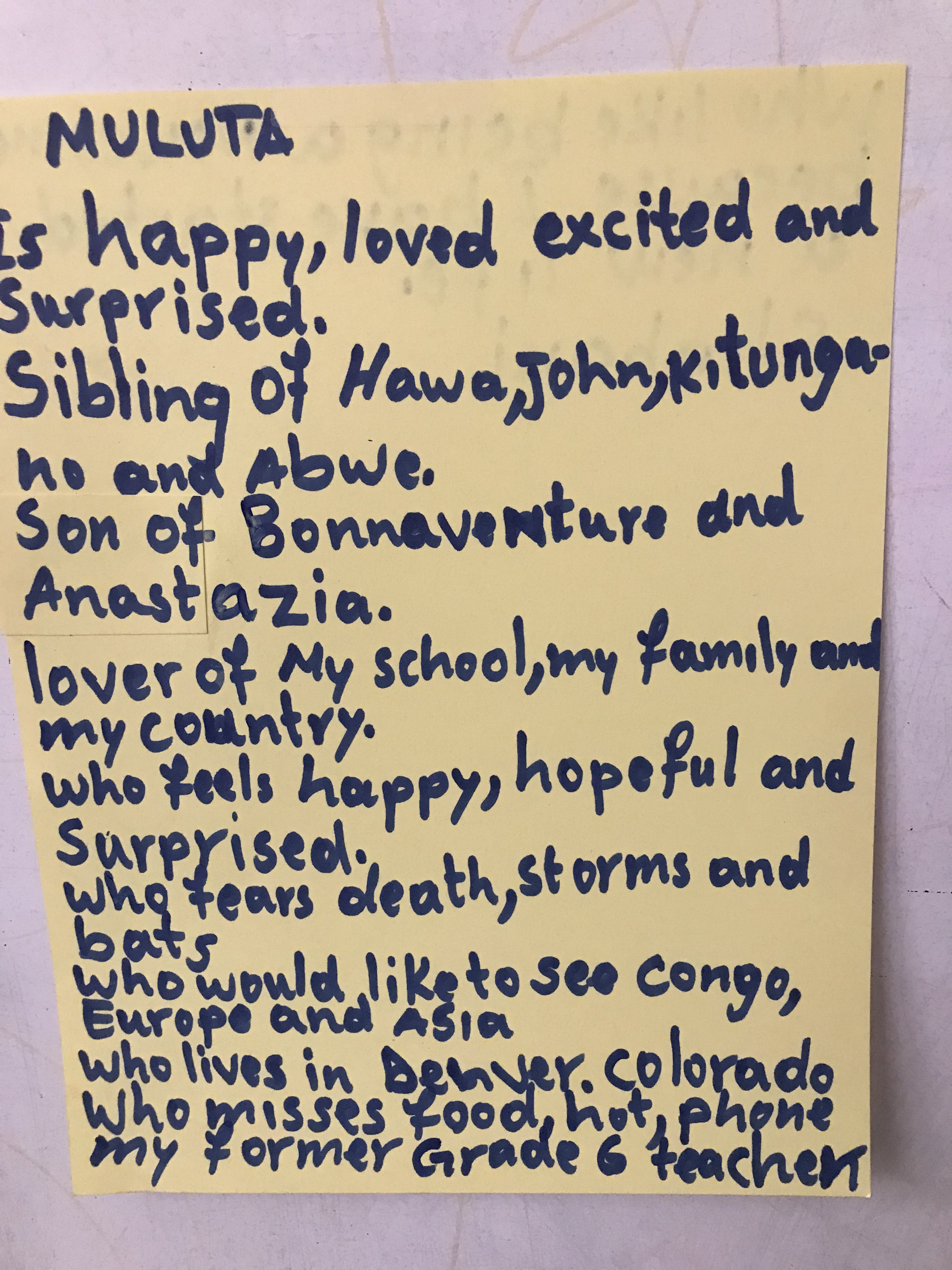
The suits came by this afternoon. We were in the midst of discussing our fears, which in a Newcomer classroom involves many pictures, much acting out, my modeling of three circled fears, and quite a bit of screaming along the decibel lines so that they could understand the subtle differences between a little scared, a lot, and TERRIFIED.

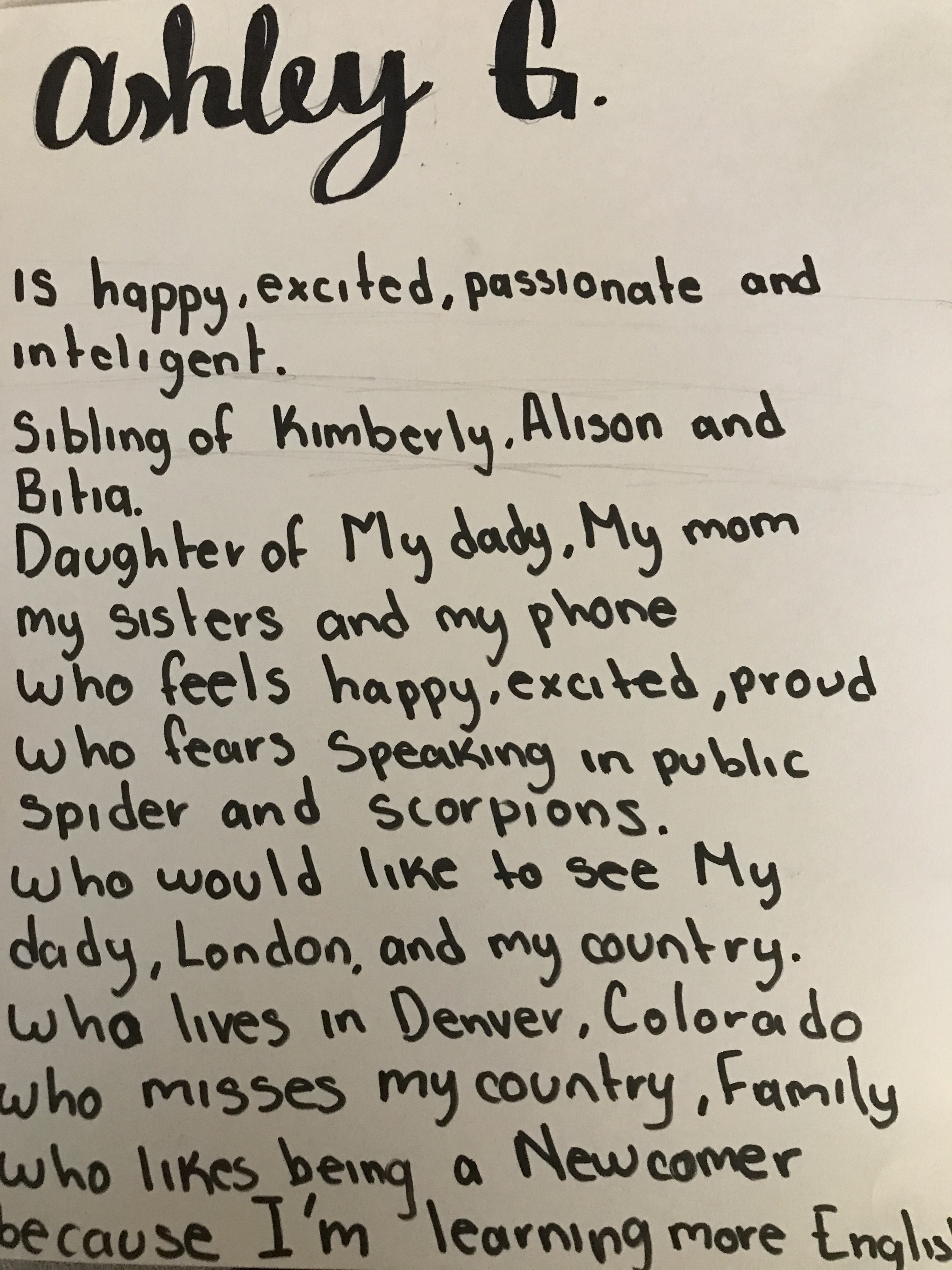
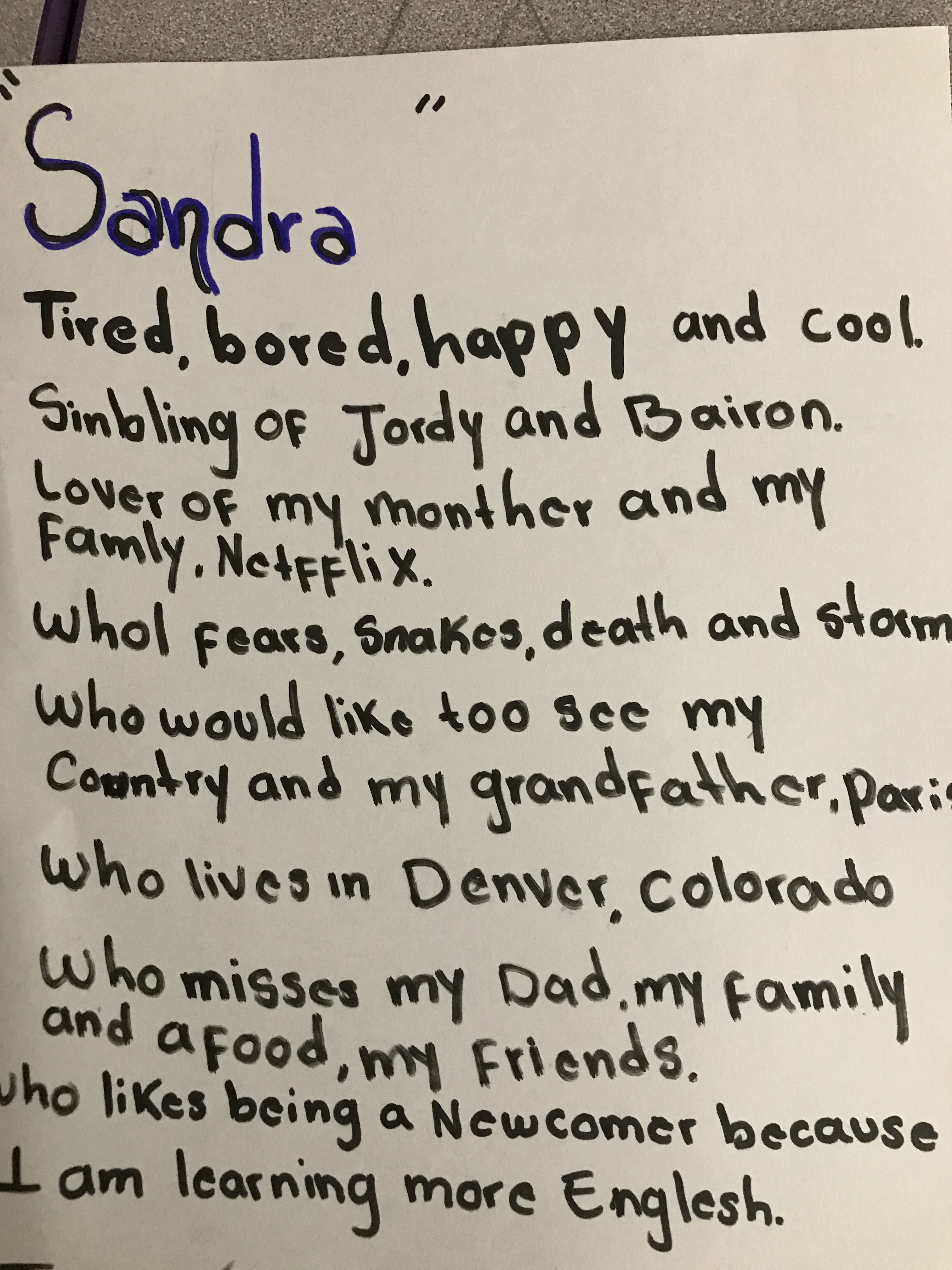
These fears would go into their Bio Poems, every English teacher’s favorite go-to poem, which seemed so much easier during my last fifteen years of teaching and seems ever-so-complicated now that I have to find emojis and facial expressions to visually demonstrate a range of emotions from happy to angry to guilty for line six, “Who feels…(list three emotions) today”.

The suits heard me scream. They peeked over the students’ shoulders for the entirety of their five-minute, who-knows-why visit. They thanked me in their usual ever-polite way and walked towards their next classroom visitation.

We get a lot of visitors. A white woman just like me and nothing like me wrote a book about our Newcomer Center, and everyone now wants to partake, to drink in her words, their struggles, and culturally tour what it’s like to learn English when your background is anywhere from illiterate in your native language to I-understand-everything-Ms.-says-but-refuse-to-verbally-communicate.

To simplify fears, I asked my students to circle their top three from a photo-supported list of superstitions, animals, insects, arachnids, the open sea, death, crowds, public speaking.

“Are you afraid of dogs?” I asked one, trying not to laugh.

“No…”

“Say the whole sentence now.”

“No, I’m not at ull ufryeed of dogs” came the reluctantly-read reply.

“Are you afraid of spiders?” I asked another.

“Yes, I’m terrif-eed of spee-ders.”

With every sentence comes a retracing of steps, a pronunciation clarification, a pointing to the word, the picture.

And with every sentence, their silent fears hung in the room waiting for the words they don’t yet know to formulate in their minds. More than death, more than the open sea, more than flying or walking under a ladder.

They fear those adults walking into our room. What are they looking for? They fear they will never see their homelands, their aunts, uncles, grandparents, ever again. Some fear they’ll never see one or the other or both parents, the ones they had to leave behind. They fear the next school year when they’ll have a full-on regular schedule and “grade-level work, as all students deserve rigor” and won’t be with me or each other for the majority of the school day. They fear their citizenship status, their asylum status, their social status in a country too complex to summarize in a few Thanksgiving lessons.

Am I imagining these fears? Am I putting words into their mouths, thoughts into their heads?

And this was just one line of our poem.

It took us two hours to write a ten-line, sentence-framed bio poem. The suits didn’t see the real struggle, the re-explanation of vocabulary such as siblings, daughter, What I miss most… They didn’t see how easily some students filled in the blanks, how carefully others penned their cardstock, how reluctantly they read aloud their poems to their partners.

They didn’t read the lines that could break their hearts. So simple, language. So complex.

In five minutes, in ten lines, in two hours, could one write a life story? Could they insert their biographies into the blank spaces so that we could all understand where they’re coming from? Could they explain to me, to the world, the fears that they carry?

No. Bio poems aren’t enough. Suits visiting for five minutes is not enough. This post is not enough.

Only their words, their many, many words in so many languages hidden behind these lines, and their faces, their multi-colored, multi-emotional faces, could begin to capture what is missing from their words.

But the suits didn’t stay to see any of that. I hope that you will stay. I hope that you will see them for who they are and not just peek over their shoulders, unaware. I hope that you will listen and take their fears right off of this page and into a better future.

I hope that you will take their fears, your fears, all of our fears, and turn them into something more than words. Something powerful. Something that we can shape into a better bio poem for all of us.

Something Given (Datum)

I have a data tracking problem. It starts with the word itself which is used to put a number, instead of a face, on my students. Data. A Star Trek android.  A mathematician’s daily routine. A financier’s dream.

Here is my data problem. It starts with the word itself. From Latin dare, “to give” to Latin datum, “something given.”

We ask them to give us everything. Their trauma (trainings throughout the year on the various levels of trauma which range from a singular event to chronic abuse to historical-impossible-to-erase-racial bias), their educational history, or lack thereof, their familial and cultural belief systems, their languages, their motivation (impacted by anything that ranges from zero to a thousand), their futuristic ambitions.

We ask them for everything. We ask them for themselves.

And they bring themselves, each little datum, into my room each day. They bring themselves to my meetings with colleagues when, upon realization during our DDI analyses, my co-teacher informs me that the majority of an entire section of her course can’t even read the sentence, “The cat sat upon the mat and spat,” let alone correctly analyze an SAT passage for grammatical inconsistencies.

“And how am I supposed to teach them how to read?” she ponders, a high school teacher for twenty-five years.

And how am I supposed to categorize my students’ data by skin color, as my school asks me to, to close the gap between my three-years-here Iraqi refugee whose favorite English words are cusses, who has adeptly adapted to U.S. culture so fluently that he can identify how absurd it is when people come up to him on the street, assume he’s Latino, and start rambling in Spanish, with the Rohingya Muslim who just entered my room from a refugee camp where the militia taught him a great deal of verbal English, but who has never spent a day in school, saw his parents murdered by this same militia, and can’t even read or write in Burmese, let alone English?

Or should I include the datum of A who spent five months trying to cross the border and another five months in three American detention centers with limited food, clothing, blankets, toothbrushes, or hope, only to be “adopted” by a white American suburban family, more or less ex-communicating his entire Honduran upbringing and culture because “it must be better here”?

Should I include each individual datum of the paraprofessionals who translate information for these students? Who have mostly arrived here as refugees themselves, but lost everything in war-torn, conflict-bound transport, including degrees in education, civil engineering, law, and decency, to get paid $15 an hour to translate to my kids the silly little things their crazy teacher says?

Should my, could my, data include my school district, that spends millions of dollars a year purchasing curricula that neither reflects my students’ faces or experiences nor is adequate enough to meet the various cultural and linguistic needs of every kid who walks into my classroom anxious to learn? My school district that employs and perpetuates incompetent leaders who have never taught an ELD course in their lives, let alone learned a second language, but choose inadequate resources for my students because THEY LINED THEIR POCKETS WITH GREED?

Should my data include what my Newcomers scored on their practice PSAT 9 test? Do you think that after two months of learning how to pronounce “th” and practicing “There is/there are” verbal phrases, they can accurately and beautifully read 500-word passages and correctly choose the best College-Board-meant-to-cherry-pick-college-bound-geniuses analyses?

Should my data include my professional development leadership meetings, where they show me every week, rather than asking me how it’s going, rather than ever once visiting my data meeting and giving me feedback, rather than taking a moment to understand what it’s like to be an English Language Learner, how to run a data meeting?

One that includes disgruntled teachers. One that includes major gaps. One that includes colonial white language and not the language of my students, and WHAT ARE YOU GOING TO DO TO FIX THAT, ESPECIALLY WITH THIS WHITE COLONIAL LANGUAGE WE THROW AT YOU WITH OUR “CURRICULUM”?

No.

My data is I. B. A. J. E. A. H. All their names. All their stories. All the letters of the alphabet (some of them just learned this alphabet from me, thank you very much).

My data is me talking to those two boys about how their counselor should have told them they didn’t have to take physics with the hardest teacher in the school, that they could have taken zoology and had a passing grade and the science credits they needed to graduate.

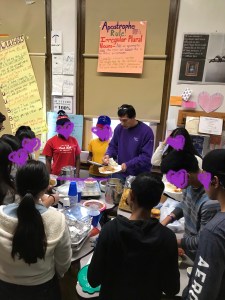
My data is every one of the dishes my Newcomers brought to the table after learning how to give directions, walking through the neighborhood and telling each other to turn left, stop at the light, learning how to bake brownies from scratch, learning that English verbs are actually quite simple, and they can explain to the entire class and the entire world how easy it is to make chapati, pupusas, patacones, flan.

My school, my school district, my world: they ask me for something given.

But what have they given to them?

Have they given them a better life? Have they given them words as powerful as redwoods, indestructible after a thousand years? Have they given them the hope they crossed the ocean, the river, the bitterness, to attain?

Have they given them the data that they will need to make their dreams a reality?

I have a data problem. It starts with the word itself. And it stops when I see their beautiful faces.

It stops here. Because they are all that matters. Not numbers. Not something given.

Something to give. Me to them. More than anything: them to me.
 

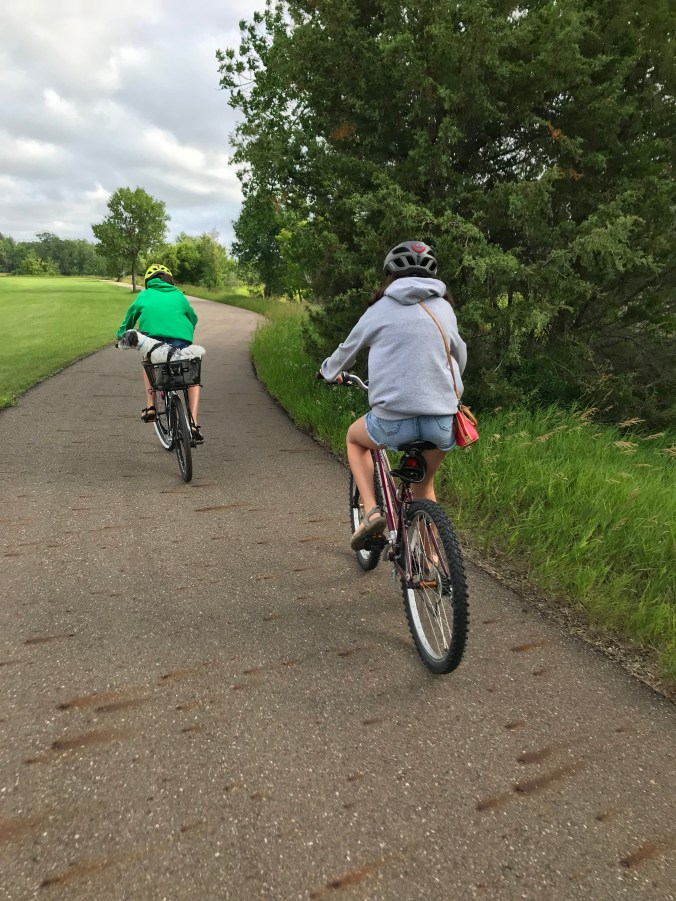
Road Trip 2019: North Dakota, Day Four

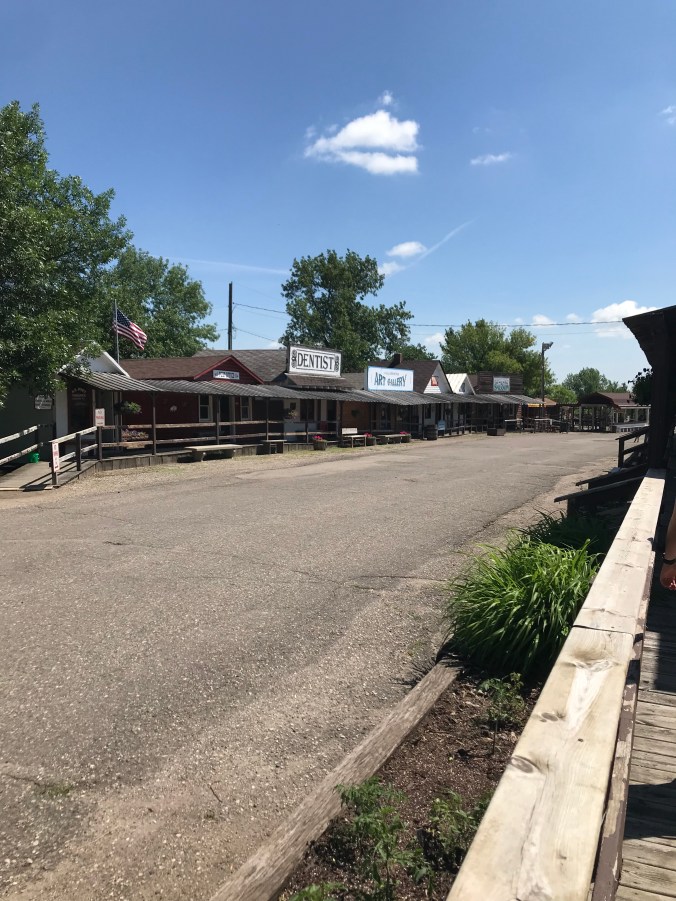
a frontier village

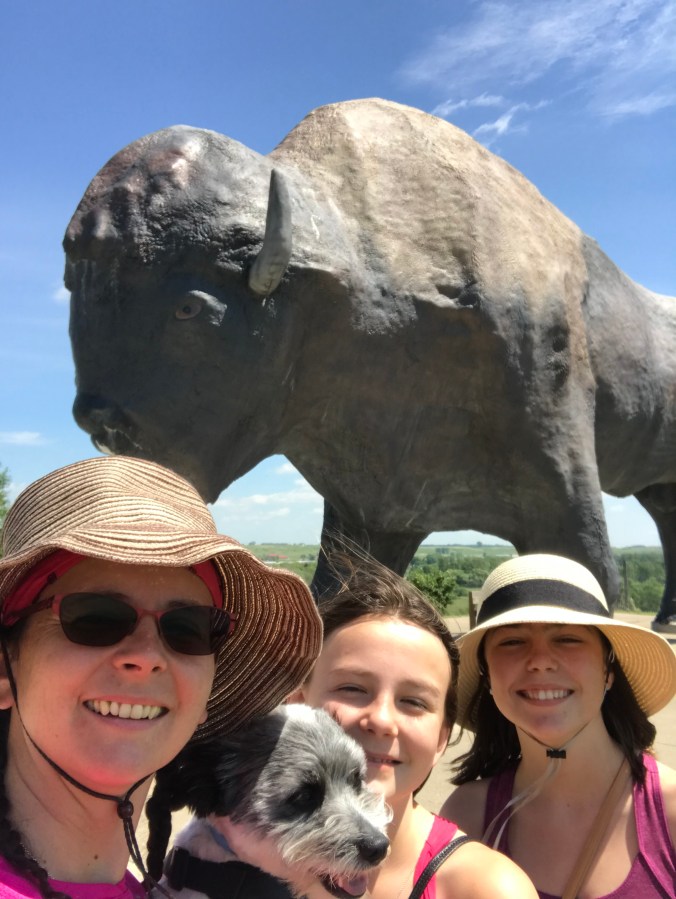
with world-record bison

thank you, Dakota

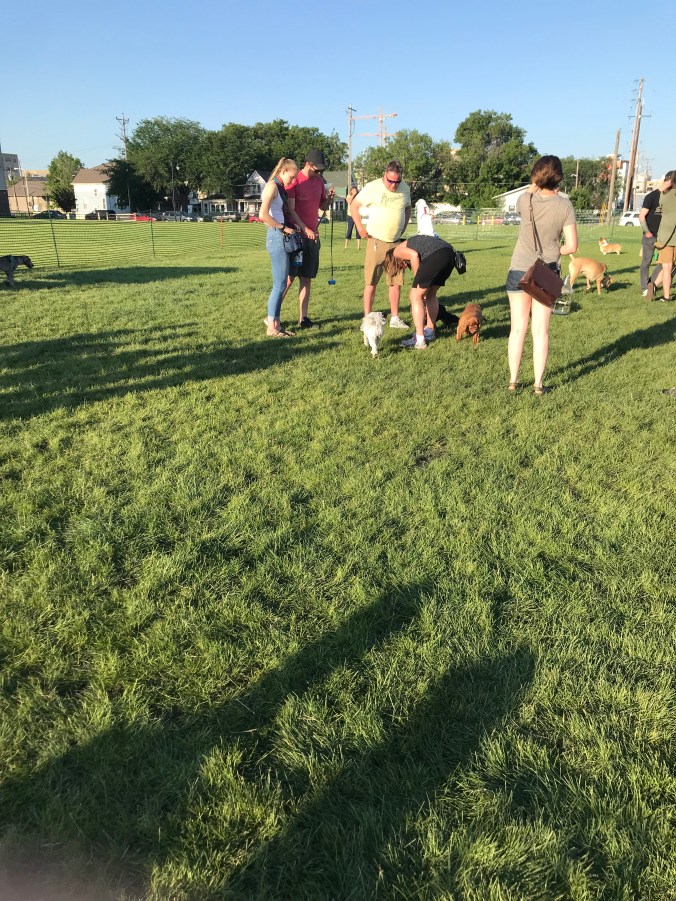
a cider dog fest

on a random Fargo night?

(mead is delicious)

the northern midwest

is a reality show

of kindness at play

Road Trip 2019: North Dakota

i never listen

when someone says it’s boring

i always find fun

North Dakota wins

kindness, camping, paddling

and late-night sunsets

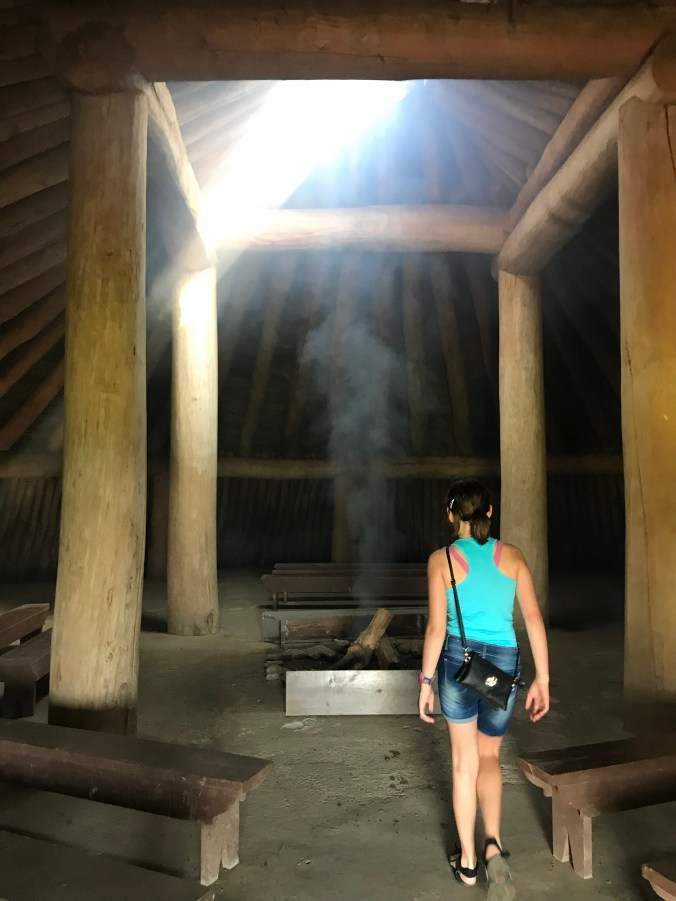
Earth lodge history

and indigenous genius

round out this cycle

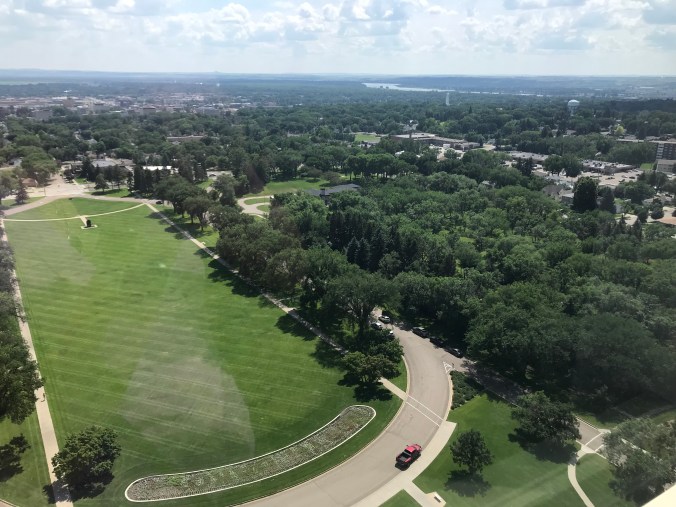
with Art Deco touch

to capitalize the north

and give us this view

all in a day’s work:

this “boring” state makes dreams bright

campfires and all

A Day at a Time

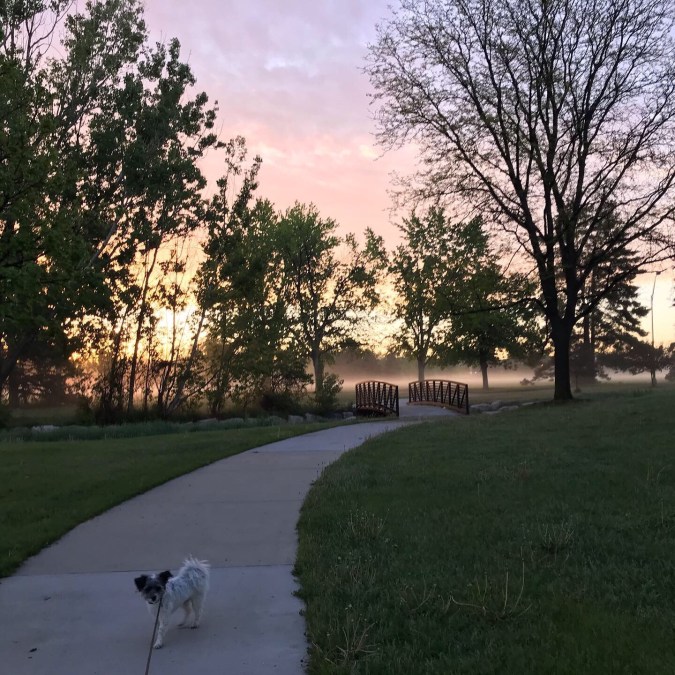
between this sunrise

painted so perfectly pink

and this steak dinner

lay a fasting day

of walking, planting, napping

fifteen days, hours

A Credible Threat

At 12:39 a.m., my husband’s phone rang. A text message beeped. He rolled over and turned it off, not revealing to me the message, though I tossed and turned for the next fewer-than-five hours of “sleep” until my alarm startled me into a flood of my own messages. Realities of life in America in 2019.

One person, an 18-year-old child, lost and confused, dead before the day was over, shut down every major school district in a massive metropolitan area today.

This child, infatuated with the Columbine massacre that has been the backbone of her school upbringing, made “a credible threat” to “a school” and kept all the parents, teachers, officials, and students in a state of shock for the remainder of the day.

A girl, a lost girl brought up by school lockdowns, a mass shooting every day of her young life (of all of our lives), school shootings that have taken the lives of teens and six-year-olds, schools surrounded by armed police officers and security guards, and social media filled with conspiracy theorists and bullying…

Was she a credible threat, or was it us?

Is it us?

When will guns ever be considered a credible threat? When will gun stores who sell shotguns to 18-year-old out-of-state children be considered a credible threat? When will assault rifles be considered a credible threat? When will her online banterings (cries for help), the banterings of every filled-with-angst teen, be considered a credible threat?

One “shoe bomber” entered a plane. We remove our shoes in security.
Thousands of children died in car accidents. We put them in car seats.

Thirty babies died in baby swings. We recall the swing.

Are these credible threats?

Just as Sol Pais grew up with the Columbine tragedy as a backstory to her school experience, I have grown into my teaching career, my parenting life, with its everyday reality. I was a junior in college when the front pages of both newspapers in Denver were filled for weeks with the news of,  Why? Who? How? All the major networks sent reporters that day for an emergency special. All of America, seeing the horrific scene played out on television, sat in numb disbelief.

Twenty years later, hundreds of school shootings later, there might be a few headlines for a day or two. A growing number of protests. A teary-eyed president’s remarks. An ignorant president’s remarks.

Yet, we have done everything but what we need to do to prevent the credible threat of another mass shooting.

We have lockdowns and lockouts at least four times per school year just for practice. Our kids huddle like rats in cages under desks in a dark corner of the classroom, always acutely unaware if this will or will not be the day they die.

We have more security guards and armed police officers walking the hallways. Some schools even arm teachers.

We watch videos to start the school year showing active shooter training for our district staff.

We have metal detectors, clear backpacks, and every exterior door locked to outsiders.

We have to talk to our kids, all of our kids–our students and our own–on a regular basis about reporting threats to Safe2Tell, about keeping an eye on suspicious students, adults, about what guns can and will do.

But…

The most credible threat in the world, the simplest solution, has never even been considered.

What if we just stopped selling guns? Assault weapons?

What if this 18-year-old child barely knew about Columbine because, after all the horrifying media attention after it occurred, our senators and representatives went back to Congress and represented the victims, rather than the NRA, and passed a bill that could save every credible threat like this from ever happening?

What if, at 12:39 a.m., I could dream a peaceful dream, and not have to think about what I’ll say to my daughters today and my students tomorrow?

There is only one credible threat here, and it is not an 18-year-old child.

It is ourselves. Our government. Our inability to bring the life, liberty, and security that we so proudly proclaim we offer in this “dreamland” of the United States.

An Educational Cocktail

You can enter any cafe in Spain and you will probably find the same two drinks: cheap Pilsner beer and local wine (OK, you can at least choose between red and white!). The Spanish palette for mixed drinks is limited to adding liqueur to coffee, it seems, and their availability of decent beer choices is abominable. But when it comes to education, Spaniards love a good cocktail.

Here are some instructions for making an educational cocktail, shaken, not stirred.

Ingredients:

1. Homogeneous groups of students segregated by ability who remain together all day long for years at a time, and are allowed to choose their own seats.
2. Heterogeneous teachers who range in age, management, and educational methodology.
3. A school building that does not provide resources such as technology, textbooks, government-funded lunch, or air conditioning.

Instructions:

1. Place all students in one classroom. Wait for intermittently ringing bells that will shake them up out of their seats while teachers dance through hallways crowded with other teachers and random students who have PE that period, to arrive and wrap the students up in a somewhat-chilled glass with a pinch of salt along the rim.
2. Spend three hours each week trying to settle the above shaking, using the cold stirrer of the teacher’s little authority to embed knowledge enough of one subject area to make a decent mixed drink, full of flavor and memorable enough to spill out onto the streets with jubilation.
3. Subdue them on four occasions per trimester with exams that make up the stark majority of their grades, consisting of arduous essay questions, but only about ten per exam. Their flavors will bleed through classes so that they will begin to taste more like eraser remnants than a decently mixed drink.
4. Shake up the cocktail a little just when the school year is getting cold by surprising only select groups of students in one grade of primary and one of secondary with the annual government test, whose topics, flavors, and question amounts you will never know or begin to be able to prepare for, similar to visiting the cafes in every city in Spain who may or may not have a menu, use local vocabulary non-translatable in any software to identify food items, and whose waiters never return after bringing you your order. (Surprise, surprise, we all like to guess what it is we’re bringing to our lips!)
5. If the cocktail spills, you may clean it up and refill it once, for free, but only once. After that, you will be run dry and stuck in the same situation as the rest of the third world: working shit jobs for little pay.

Alas, you can always look back at your educational experiences and say that you had the best mixed drink of all time: moving through the school system in Spain!

Views from the Road

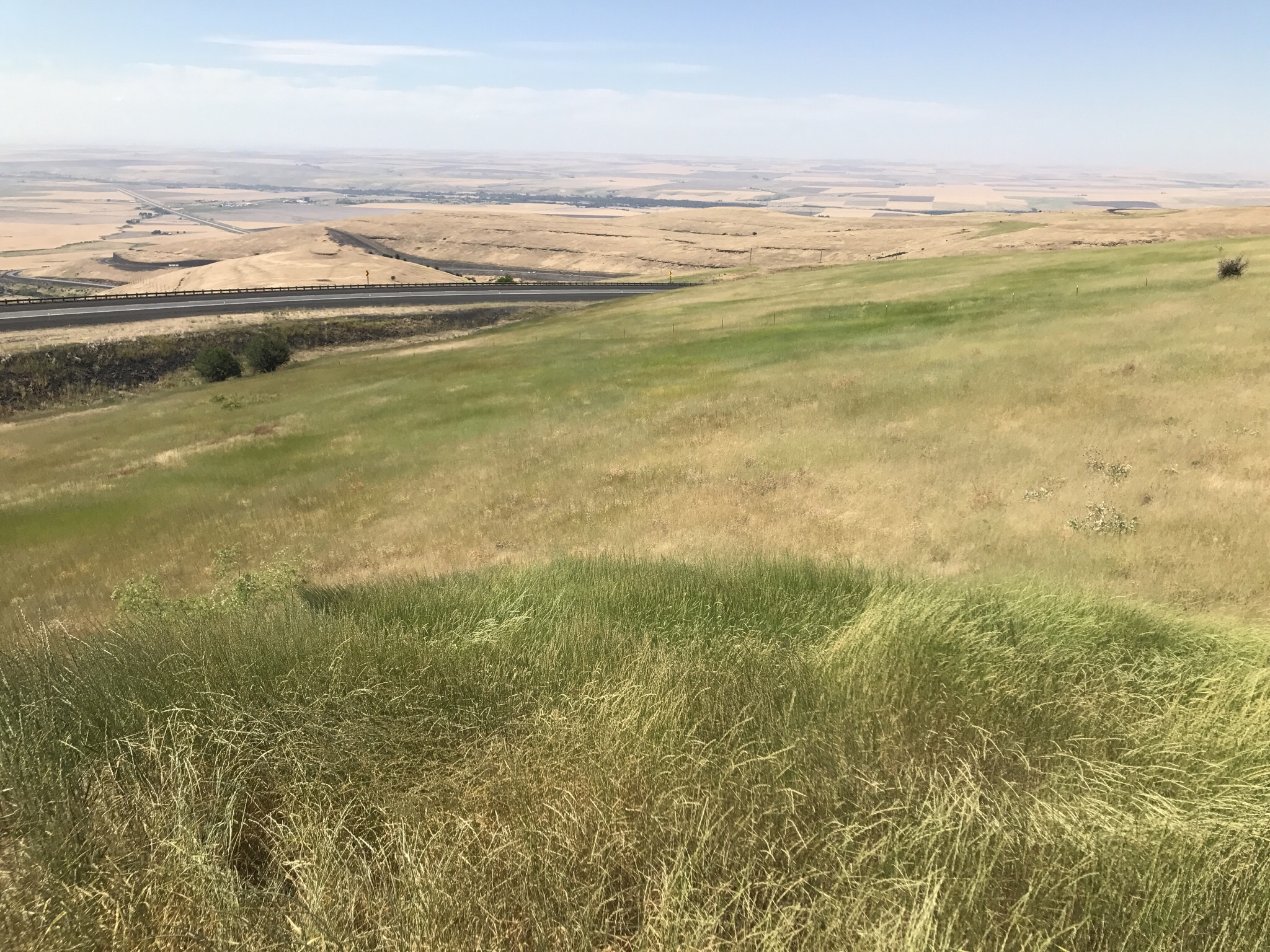
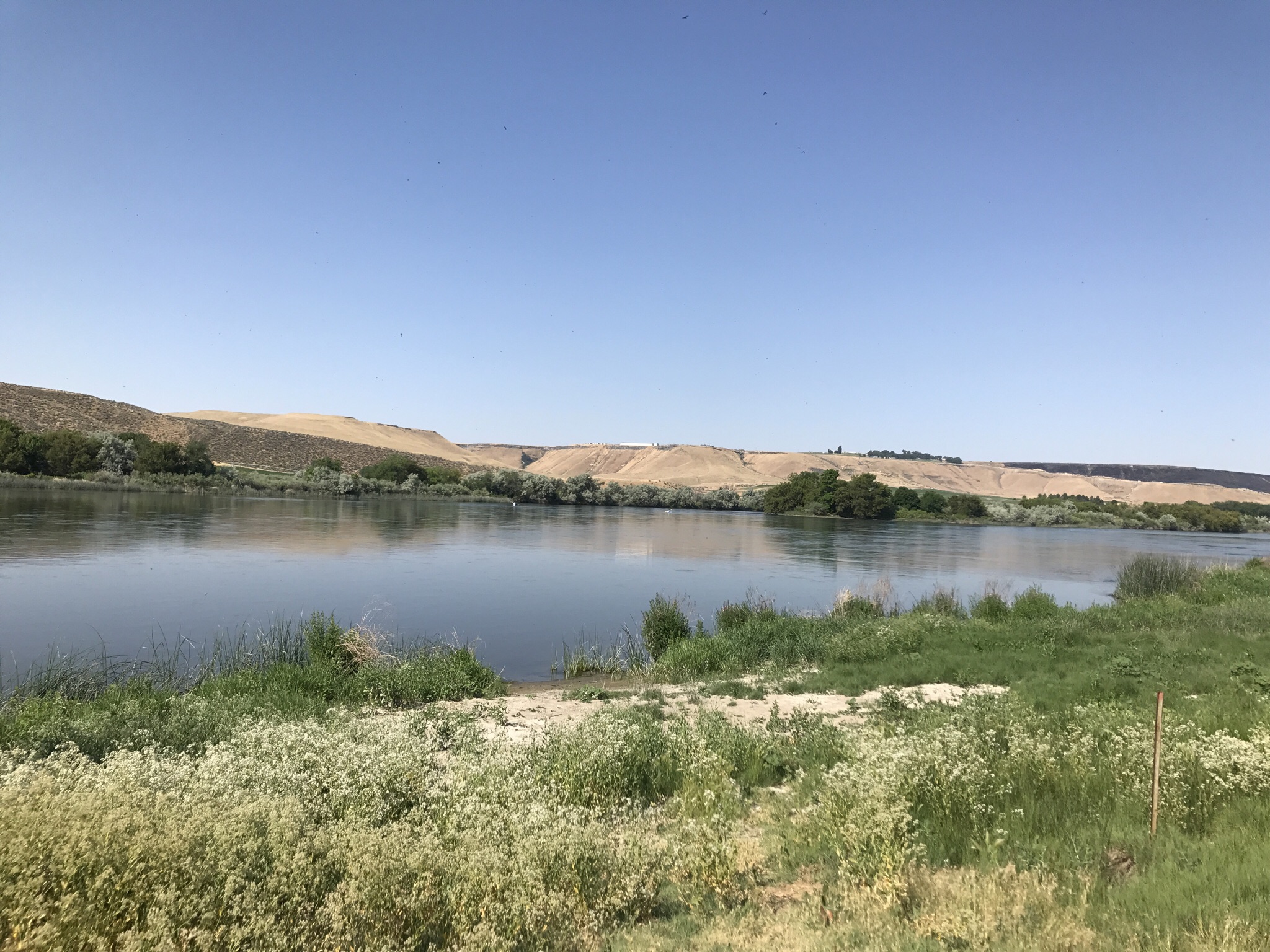
The beauty of the road is so much more than views. It is the elevation loss and gain that sneaks up on you as quickly as the road snakes its way along the Snake River.

It is the surprise of the desert that has made its rural-America mark in southeastern Oregon.

It is the spontaneity of stopping at state parks for a peek at history and scenery so breathtaking you feel you’ve stepped into a mini Grand Canyon.

It is the trail our ancestors walked upon that you place your weary soles on now, however twisted and stolen it may be. It is still a silent beauty resting behind a sleepy Americana town, waiting for rediscovery and firsthand learning for three young women.

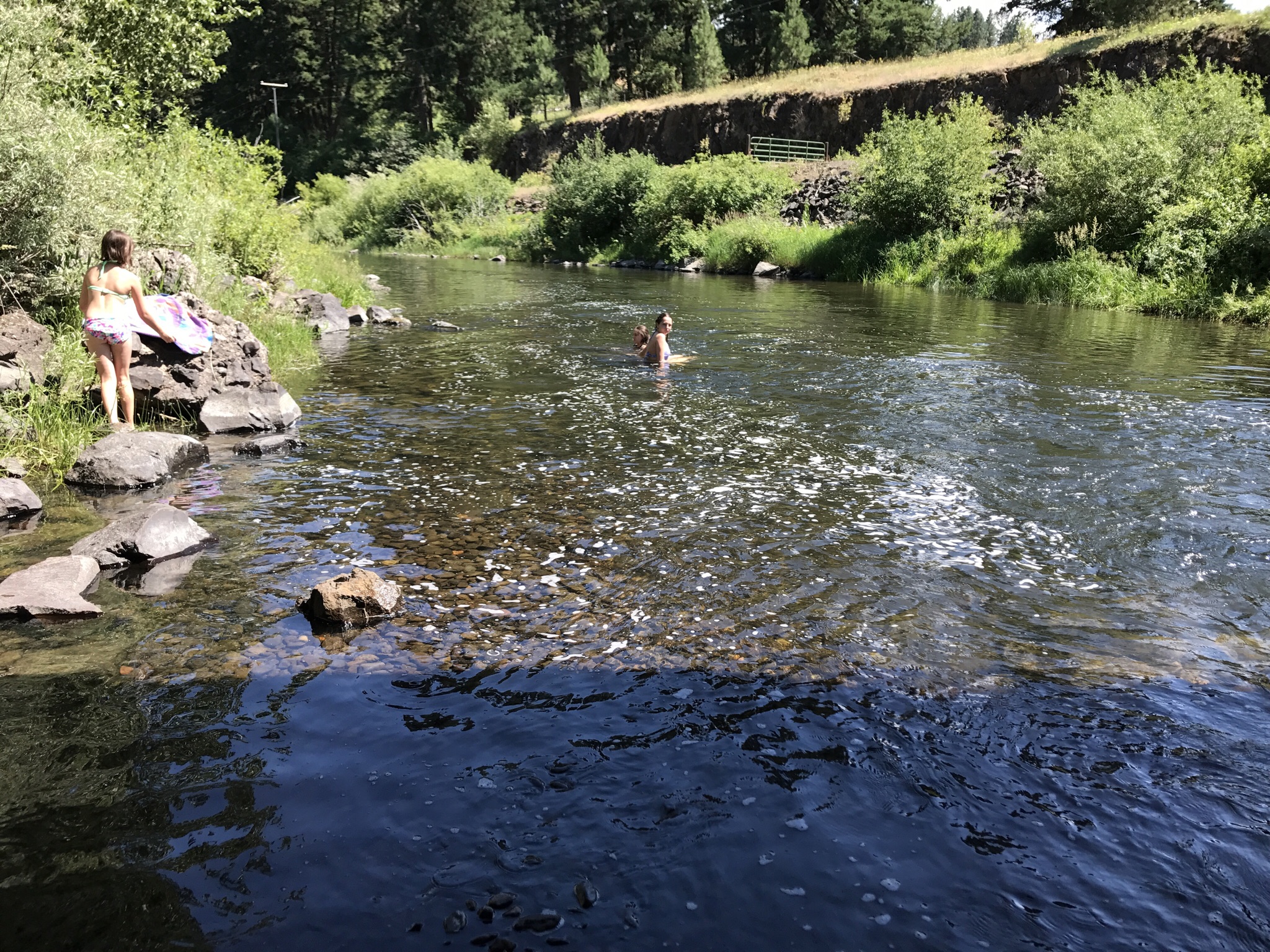
It is the creek sparkling in the hotter-than-expected northwestern sun, and the quick dip that makes an afternoon sparkle just as brightly.

It is the curve that moves from summit to limitless landscapes, to the expansive end of the Oregon Trail, played out in a quilt of farm fields, and the hope they held for a better life.

The road brings beauty, and within this beauty lies everything you’d expect and wouldn’t expect: children bickering, bits and pieces of trash and clothing piled up in the backseats, state lines that bear no stoppable signs, audiobooks and downloaded movies, snapshots taken from a moving vehicle, trucks that hog both lanes, treeless mountains and endless vineyards, poverty and wealth found behind fences and up on winery hilltops.

The road brings more than views of tall pines, sagebrush-only molehills, and sleepy rivers. It brings us all a new world view where we search for ourselves and find ourselves in each other. Where children find joy in only their siblings’ company, where the road promises a pool at the end of the day and a reality check about small city poverty to remind us of what we have.

Can you see it from an airplane, from a train ride, from a walk down the block?

Never quite like the views you’ll find when you hit the open road. The views of nature, of civilization… of yourself.

You just need one set of keys, a whole lot of gumption, and a pair of soul-searching eyes, and you can find yourself a whole new world view.