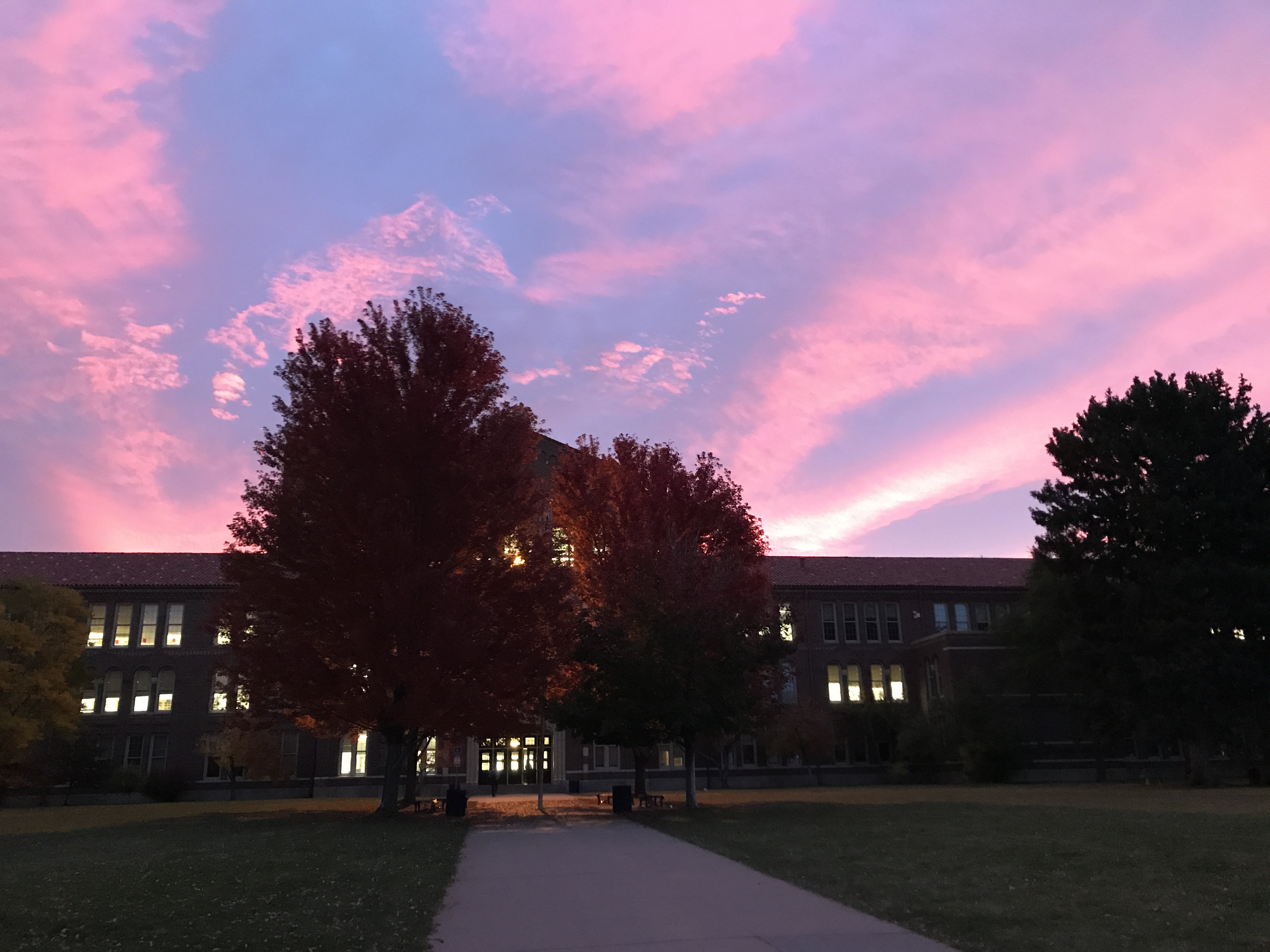
Kindness Calls

never thought i’d say:
how proud i am in her choice
(this boyfriend beats all)

polite’s not enough
to define how kind he is
how siblings love him

how he brings her joy
without asking anything
and saying thank you

how simple, those words
how genuine, her smile
how relieved, her mom

Small Moments

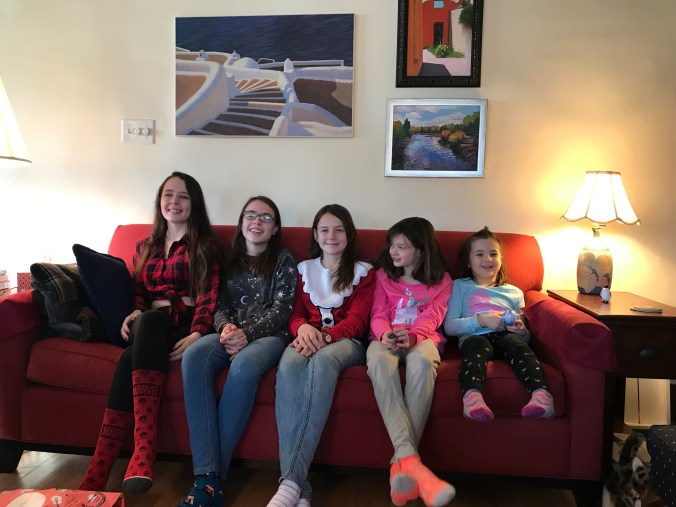
a cousin Christmas
lined up for birth order laughs
growing up too fast

7DC98437-CC11-4F36-B35C-077735E46229

Still Holds Them

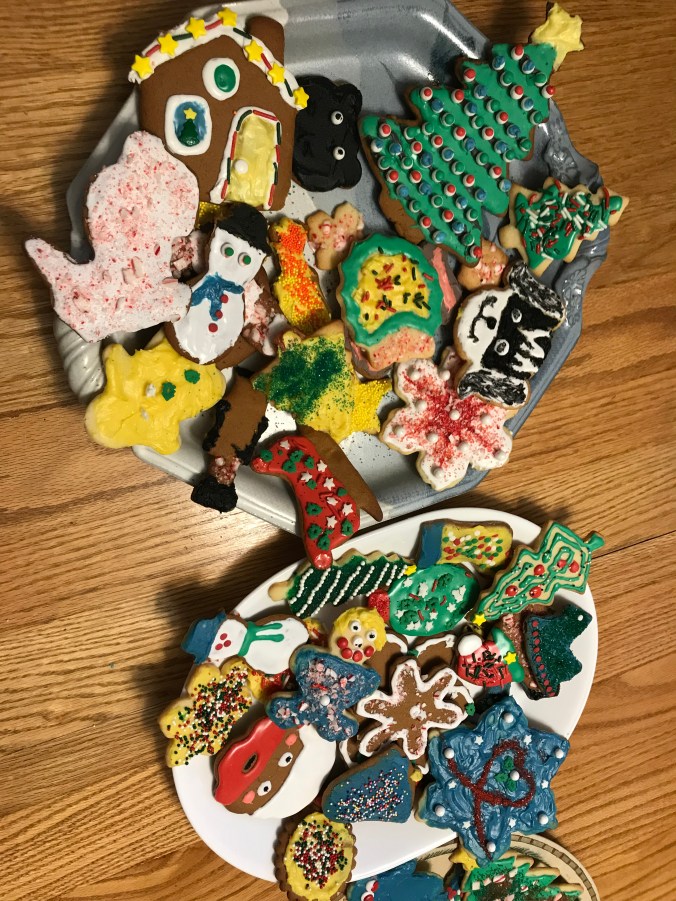
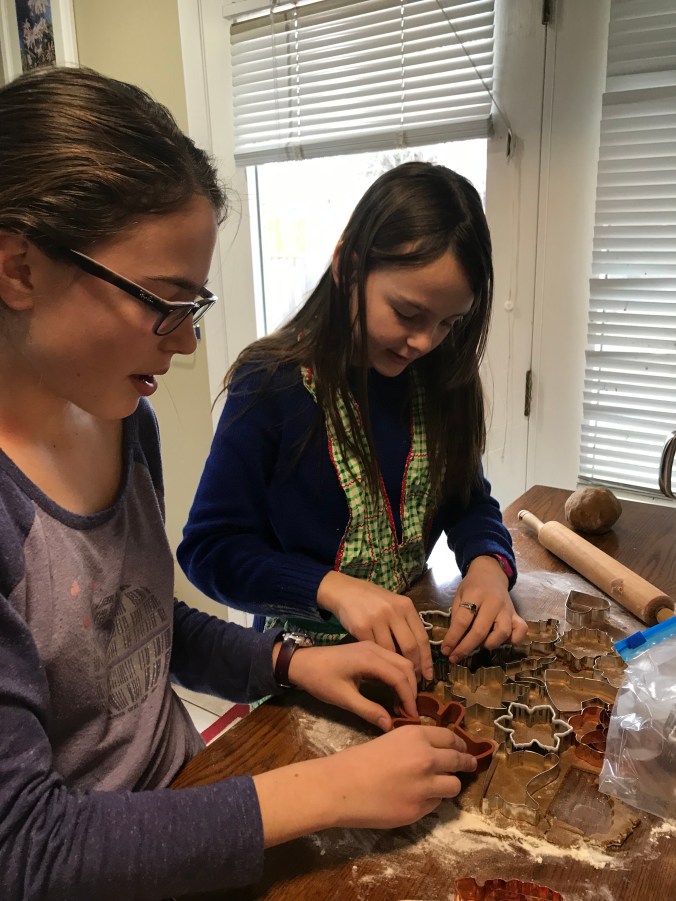
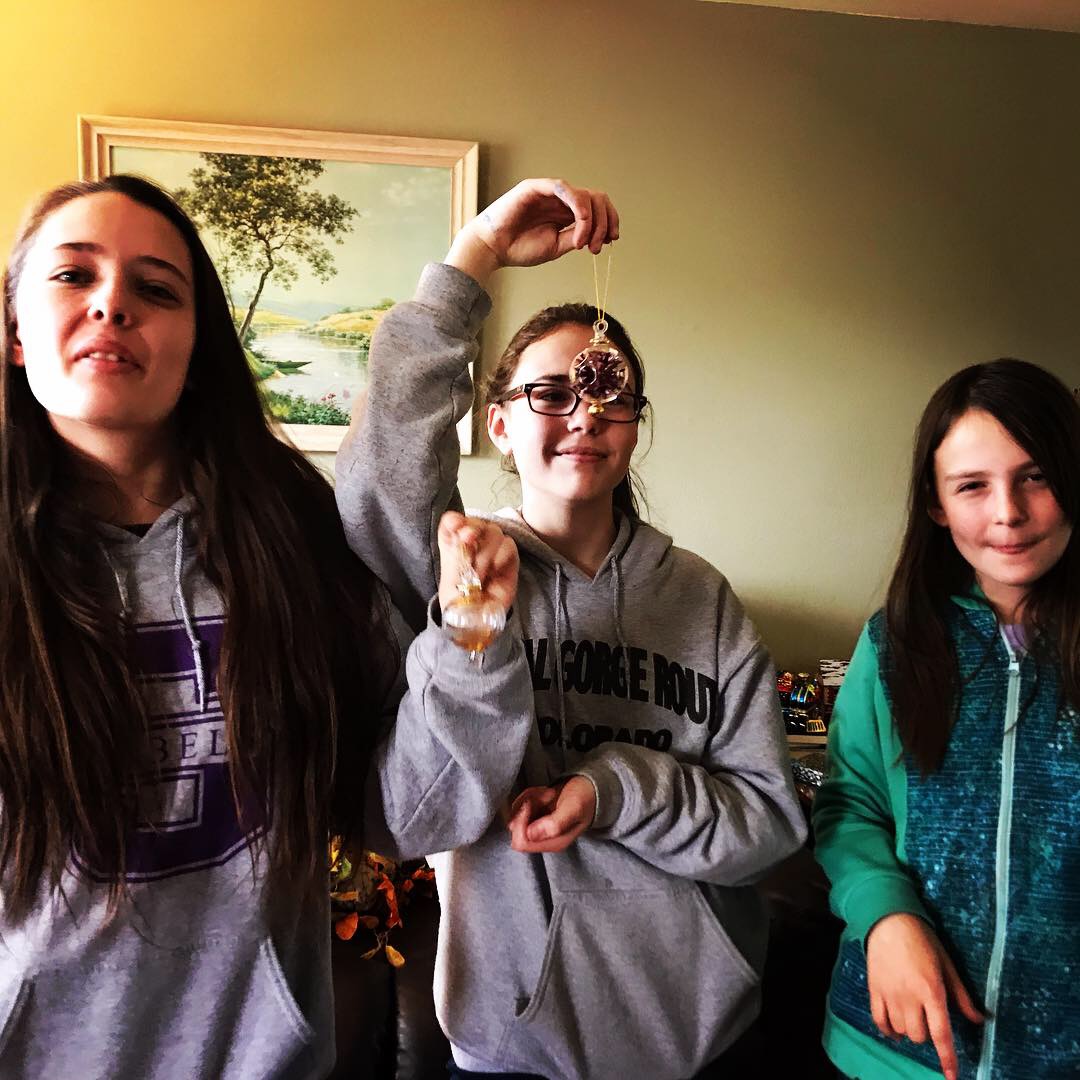
my teen girls cherish
our holiday traditions
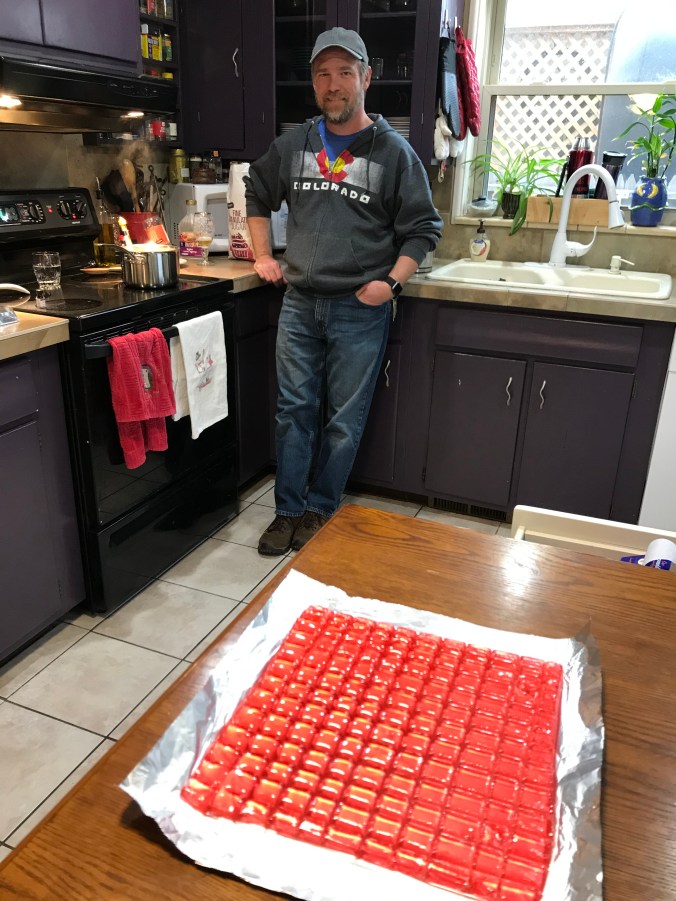
cookies. candies. love.

never a year missed
as friends and family take turns
giving all colors.

F8036B0E-2749-42C3-9DF0-A64528F2CFC5D3379ECB-7598-4256-B6D5-9900172DA1478ECD6D66-B61B-4351-B15E-D38A74CBBD0FB2826407-4356-4A16-AC3C-CB5E8DCDCE0344D0A102-E0D1-4315-BBB5-20375A839E35

Proud Mama

my actor, artist

my sculptor, my filmmaker

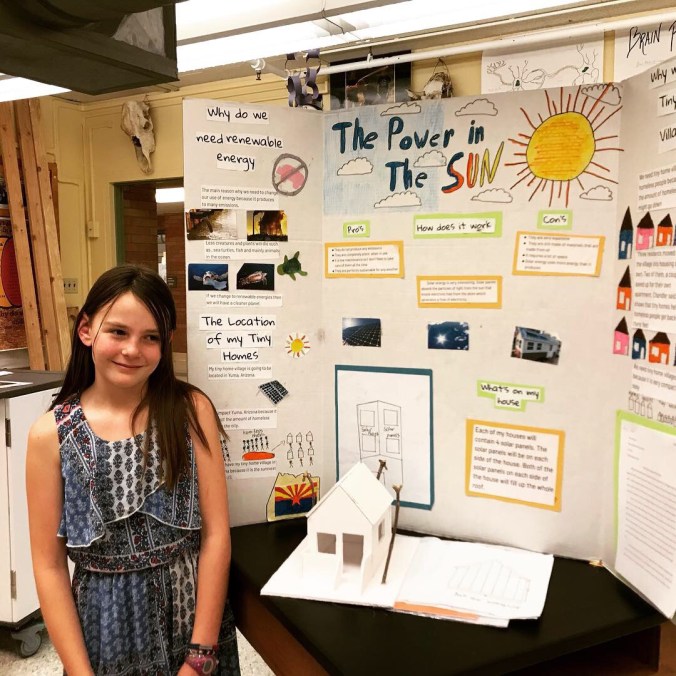
my youngest daughter

Just After the Storm

on a bluebird day
my oldest learned to snowboard
by a lesson’s luck

(we three skied all day
basking in twenty degrees
of fresh powdered sun)

Boxes

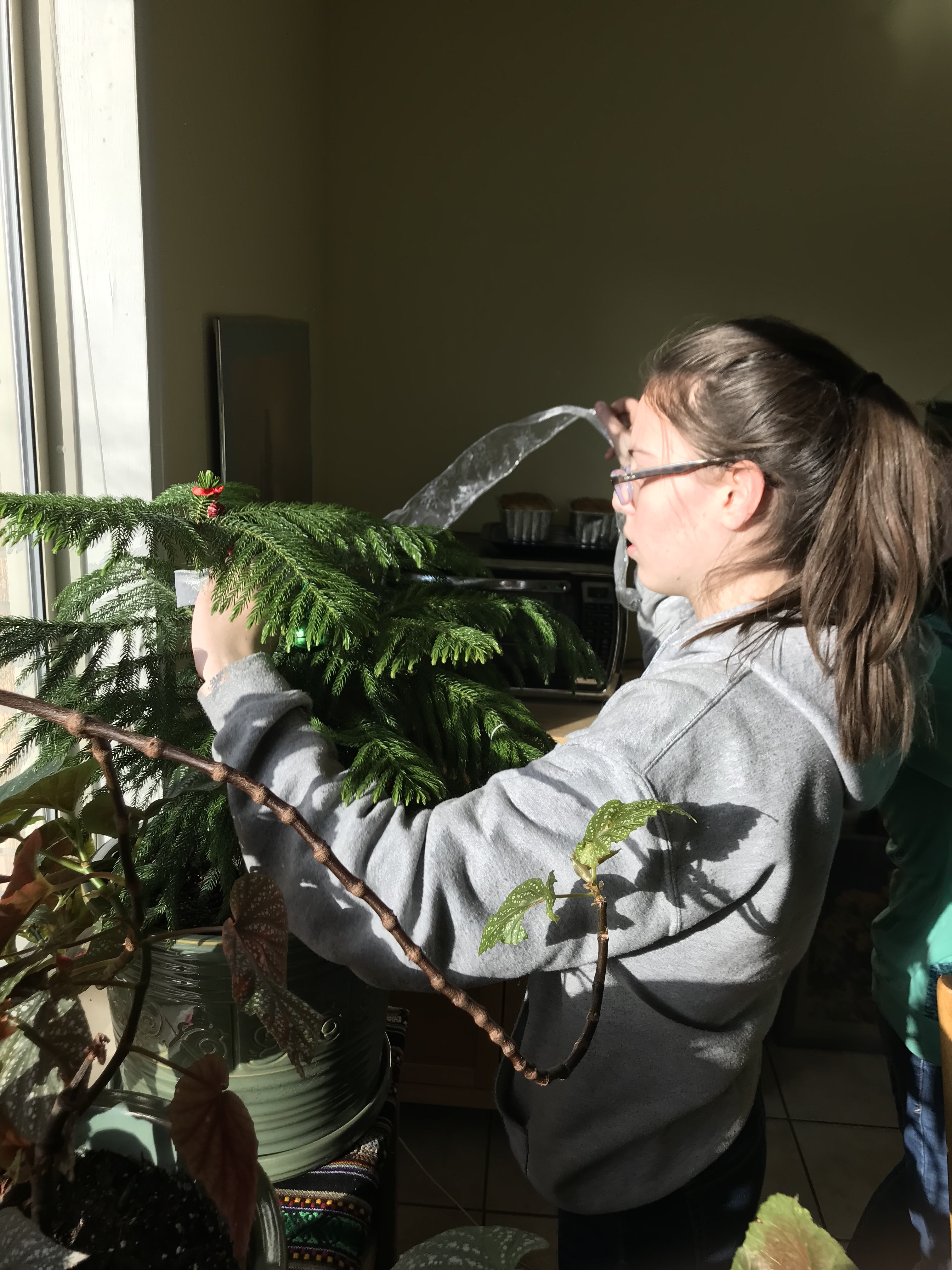
It’s not like when they were little. When getting the Christmas tree brought all the joy and excitement of the season. When they would clamor over each other, fighting for their chance to be the one to put the angel on the advent calendar on Christmas day. When nothing mattered more than preparing for the joys of the season.

Now, lethargically, with little effort and a few forced smiles, they give up on decorating the tree halfway through the ornaments.

“It looks good enough,” they whine. “Can we be done?”

I see that all the large paper and playdough ornaments still sit in the box, their imperfect candy-can cut-outs laying on top of the crumbling Christmas-tree dough.

“But what about these? Your preschool ornaments that you made?”

“They’re too big. They’re not as nice as the other ornaments. They don’t matter.”

“They don’t matter? But you made them for us when you were…”

But I can’t finish. Mythili cuts me off. “We’re not getting rid of them, Mama. Don’t freak out. We’re just keeping them in the box.”

We’re just keeping them in the box. We’re just pretending to smile. We’re just going through the motions of the “magic.”

I don’t even like this holiday. How could I? I wasn’t exactly raised a Christian. I’ve just gone through the motions myself all these years. The lights, the tree, the advent calendar (homemade), the decorating of cookies, the baking of zucchini bread, the holiday cards, the portraits with matching outfits, the pies, the hours waiting in line to waste money on Santa pics, the presents.

Trying to build traditions. Memories. A family.

But now, not even grown, not even gone, they are boxing up their childhoods, their simple joys, their everything I’ve tried to build for them.

No one will ever tell you how hard parenting is because it is impossible to describe. From the midnight collicky cries to the ambivalent teen and everything in between, it is a constant struggle to raise a well-balanced, sentimental, sweet, and loving set of small human beings.

Yet, we keep trying. We keep putting up trees and stringing lights and playing Christmas music and baking cookies and trying to take every ornament out of the box.

We keep hoping that they’ll remember this. These small moments, these annual events, these attempts to win their love.

We keep hoping that they won’t leave us in a box as they grow.

But it is only a small hope.

My Heart Is Off Beat

once just a baby
now serves us lunch from her job
how did it slip by?

My Polo Ralph Lauren Purse

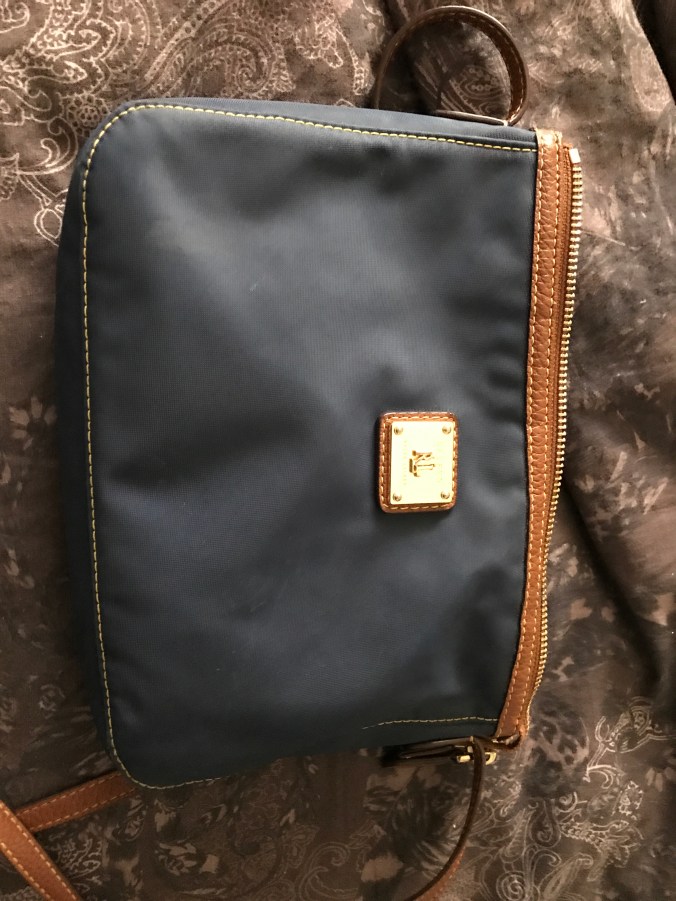
A few years ago, in search of something smaller to carry on road trips, I went to my typical “fashion” store, the Goodwill, and came across a perfectly small, just-big-enough-for-a-phone-and-some-gum, Polo Ralph Lauren purse. For $2. I popped it into my cart with my typical Goodwill assortment of work blouses and pants, and have been using it ever since. It fits perfectly into the console of my Pilot, can easily be crammed inside a carryon bag to bring onboard for a weekend getaway, and is light on my shoulder. It is the first, and last, “designer” purse I will ever own, and it is nothing special. It’s made from variations of polyester inside and out, though it has a reliable zipper. Compared to other, cheaper purses I’ve had over the years, I wouldn’t put my money on designer brands.
851779DF-AF95-4D92-97E3-1BC8F90E4520

I suppose this purse, in retrospect, has now cost me 105 euros and two nights with very little sleep.

Because it was the purse, my Polo Ralph Lauren purse, that caught the eye of a petty thief as it sat blatantly (blatantly empty, I might add), on the passenger seat of our rental car while we carried seventy pounds of luggage into our latest Spanish apartment in Huelva.

Everyone has told me this. Passersby watching my two younger daughters scramble to lay on layers of packaging tape over the small triangle of broken glass at 20:30 on a Saturday night when we were supposed to go to dinner (it turns out dinner in Spain is an hour later anyway, so by the time we arrived in the restaurant at 21:00, we actually beat the long line of hungry customers that would soon make its way down the parkway). “¿Que pasó? ¿Ocurrió aquí? ¿Que tuviste adentro?¨ I heard the same questions when I texted Andrea, the Airbnb caretaker who assured me that this area is ¨muy tranquilo¨and nothing like this has ever happened before, and what did I have inside the car to grab a thief´s attention?

B84E00C3-88D0-42B1-A46F-FA09E13A71E6.jpeg

Where did we get the packaging tape at 20:15 on a Saturday night? A small detail of my travels in Spain: having lived here for a year has helped me tremendously with tiny bits of knowledge that are crucially important for moments like this—bazars, or more commonly called chinos—are Chinese-run everything stores that are even open on Sundays when the entirety of Huelva is camped out on the five-mile beach.

13C01316-A57E-479E-8B5A-E9813766EF81.jpeg

I speak enough Spanish to ask for tape, for scissors, to explain to the passersby that it was my Polo Ralph Lauren purse that the thief could see. I speak enough Spanish to explain the whole situation to Andrea, but I am lacking one word as to why I don’t have insurance that will cover this: what’s the difference between a lease and a rental?

I speak enough Spanish to text the owner of the apartment later and tell him the pilot light is out on the natural gas water heater, but even after he texts me photo-supported directions, I can’t seem to light the flame. He calls and coaches me through in such rapid-fire Castellano that I become flustered and am unable to explain what I have done wrong, so, alas, Andrea saves the day for me once again, walks over and lights the flame within seconds.

I speak enough Spanish to understand that on Sunday, everything is closed, and the only thing we can put our money towards are some tapas y postres, not window glass. Mythili and I make our way back to the bazar to find their version of Drano after I have spent half the morning trying to unclog the kitchen sink with a tiny and handy plunger kept under the sink because I can’t bear to make another report about something else gone wrong.

I speak enough Spanish to hear the word cerveza from the man walking up and down the beach with an ice cream cart, and I buy three because the sun is kind in the late afternoon, the beach is full of shells, and Mythili, the only child who would step out of the apartment with me today, is having great conversations with me about how much weddings cost and what types of jellyfish exist in the world and how many shells she thinks she can collect by the end of the week.

I speak just enough Spanish to explain to Jose, Andrea’s friend and owner of the ironically-named CarGlass shop (Andrea tripped over this title many times when she was explaining the location of the shop), that I have an arrendamiento (thank you Google translate), not a rental, that they wanted to charge me 3000 euros for insurance, and can I just pay for it myself?

I speak enough Spanish, with a few stops and bouts of “más despacio”, to sign the paperwork Jose lays out for me, to shell out another 105 euros, to praise the good lord that, once the thief broke the window and saw only a selfie stick inside my Polo Ralph Lauren purse, he decided not to take anything at all. Not even the purse. (He probably realized it was just crap polyester like everything else on this godforsaken planet).

But I don’t have the words, in any language, to describe how challenging traveling with my three girls has been this year. They have reached the tipping point of childhood exuberance melted into adolescent angst, and nothing, it seems, is quite what they want to do.

I have no other adult in the house to help me light that llama, no one to plunge the sink, no one to commiserate with me at 4:00 a.m. when my oldest wakes me by talking to her boyfriend back home, no one to wash up Riona’s puke from eating mussels before the sun rises on a Sunday morning. No one to stand by my side and say, “We didn’t fly across the world for you to sit in an apartment all day and night.”

That little triangle of broken glass has brought fear and doubt to a trip that is already plagued by fear and doubt. While at the beach, I tell Mythili I am afraid to go in the water with her and leave our stuff, because what if someone steals it? “Don’t turn into that, Mama. No one ever steals anything from you, as you always say, case in point with the purse.”

But I speak enough Spanish to understand Jose, when he arrives at his shop at 8:52 on a Monday morning and I am already waiting, come right up to me and say, “Ud.  Es Karen, la amiga de Andrea?” Because yes. We are already friends.

I speak enough Spanish to read the bar-coded descriptions of historical points in Huelva as I pull them up on my phone, learning about Cristobal Colon, ship building, and industry while treating myself to pretty views of modern architecture, shady parks, and perfectly placed fountains.

I speak enough Spanish to navigate another day here, to order goat cheese with honey AND jam, to laugh with Mythili at the botched menu translation of squid meatballs as “squid balls.”

The words I need to find, words that could never fit in my car, my Huelvan apartment, my Polo Ralph Lauren purse, are the words of a lonely traveler, a neglected mother, one who just wanted one last glorious summer with her girls before they got too big, only to realize and accept, nearly home by now, that they are already too big.

I still have my Polo Ralph Lauren purse. My selfie stick. My gum. Jose is fixing my CarGlass, so by 18:00, the girls and I can pile in the Peugeot and arrive at the beach well before sunset and late enough to “not have to swim or get sandy.”

I still have the Spanish words I will need to navigate the next two weeks.

I still have the three girls with me, moody or not, and I know in my heart that they will one day look back at this crazy Spanish adventure and be grateful for it.

And no matter what fears and doubts have traveled with me across the world, I still have these views, and they are worth more than the price of broken glass, a Polo Ralph Lauren purse, a scam of an arrendamiento.

No thief or child could take them from me.


Beyond the Bars

To avoid pouring water down the drain, I spend ninety minutes washing dishes in two pans, running water out to my new mulch to dump, and putting everything away while Bruce researches home equity loans and Trump tax cuts that hurt, rather than help, our current situation.

Behind the bars of my security door, I take this picture of the sewer company’s progress replacing a portion of our main drain.

Behind the bars of this security door, I hide from the American Dream. The one that we are all promised and few of us ever attain. The one where we could afford to buy a house, afford to deal with that house’s expenses, afford to send our children to college or even pay off the loans we might still have from our own degrees.

I hide from the dream of all of my grandparents, a combination of immigrants and endlessly American, one grandfather with an eighth grade education, one with a high school diploma, who were able to raise large families and pay off mortgages well before retirement. On ONE income.

I hide from the audacity of insurance that we carry on our homes, our health, our lives. From the premiums we pay that won’t cover pre-existing conditions (like pregnancy!) or pre-existing problems on our properties (like drains), or pre-existing hope–from all the thousands and thousands of dollars we pour into these plans that leave us empty, behind bars, unable to operate a backhoe.

I hide from the for-sale houses in my neighborhood that are now so outrageously priced that my family, and none of the other families on my block, would ever be able to afford to buy the homes we stand in.

Behind the bars of my security door, I am as insecure as everyone in my generation. The generation that faces housing costs that are equivalent to more than fifty percent of what we earn in a month. The generation of debt that is impossible to avoid even with the best budget. The generation that has made the choice to bring children into this world only to constantly think: why would I bring children into this world? Children I feel inadequate to provide for, children who will face even higher college costs, children who will be straddled with debt for their entire adult lives?

Behind the bars, I cannot see the buyers of the $769,000 remodel on the next block. Where they come from. What jobs they have. What magical formula they applied for that allowed them to take a mortgage that costs more than what our two incomes bring home in a month.

Behind the bars, I hear the Spanish language spilling from the mouths of the workers who have to dig a hole in a yard on a holiday. With perfect efficiency, they have repaired a ten-foot section of pipe within two hours, and they will move on to the next family’s crisis, and the next, and the next, before going home to houses on the other side of town that they also likely can barely afford, because we all know that the $6000 we just paid for that pipe is lining the pockets of a white, male, English-only CEO.

Behind the bars, I live in my dream house, my four-bedroom, two-bathroom, beautiful-garden dream house that we waited seventeen years to purchase. I raise a family of three daughters whose pay may never match their male counterparts but, despite this, whose intelligence and candor will allow them to live the life of their dreams. I share my meals, my home, and my love with my husband who has managed our finances to such perfection that we have flawless credit, making an application for an equity loan for both our properties (because nothing can just happen to this house–both need new main drains), virtually seamless. We both work hard at our dream jobs–teaching and telecom–in order to make this picture perfect.

With the door open, before they rebury the dirt, I snap a picture of our pretty kitty hiding behind my glass of stress wine.

I sit on our paid-for leather recliner and feel the cool breeze of early summer and think about my students who have crossed the world to be a part of this American Dream, and how hard they work to make that dream possible, to learn English and learn how to navigate the complexities of our society that sometimes make us feel like we’re all going down the drain. I think of how hard my husband and I have worked to make this day possible–to give my girls a summer trip to Spain, a year in Spain, to see nearly all fifty states–because of how careful we have been with our money. I think of the health insurance that paid for most of my husband’s surgery and how my grandmother’s baby sister died of a simple infection in her mouth after tripping up on a wooden popsicle stick, all because they couldn’t afford a doctor.

With the door open, we host family friends who make us laugh until we cry, whose daughter will join us in Spain, whose presence makes us appreciate what we have surrounding us in life–a life filled with laughter, love, support.

With the door open and the Spanish-speaking workers gone, the Siberian iris frames my kitty, my pet, my perfect yard. I know that I have given so much to get to this picture, and I know I still have more to give. I have daughters who are lucky enough to have access to all the technology, diversity, and coursework that comes from an urban education, and who will enter their adult lives with an open-minded understanding of the world. I have a house that we can afford and enjoy without feeling like our money is going down the drain. I have a job that brings the global perspective to every choice I make in one of the most beautiful buildings our city has to offer. I have a marriage that has lasted from childhood to adulthood, with all the post-adolescent turmoil and trauma, all the sorrow and joy, that comes with making it work for twenty years.

With my door open, I wait for the American Dream. Somehow, some day, some way, I will see how it is both easy and difficult to achieve. If I would learn to always open the door and move beyond the bars, I would see that not everything is going down the drain. I would see the beauty in every choice, the brutality in every loss, and find a way to make a set of silver linings sweeter than a sip of stress wine.

I would be the wife, the teacher, the mother of that perfect picture. That perfect picture would be me.


Cussing Colloquialisms

At the elevator, brace still on, crutch still under his arm, he tells me he thinks that a good return-to-work date would be June 4, five days before we leave for Spain. He seems optimistic as he hobbles down the tiled hallway, as we enter the carpeted office, as we check in and he holds the door open for a woman with a walker, pointing out, “It’s kind of strange they don’t have an automatic door in the orthopedic’s office,” to which she adamantly agrees.

On the plastic, paper-coated bed, he hands me the folder while the PA takes him for x-rays. After just a few minutes, the doctor enters with the films. He has photographs of the entire procedure. He intricately describes the meniscus (intact), the bones (drilled into), the ACL (torn and then repaired). Bruce and I lift our eyebrows at each other, barely able to distinguish the tiny details he points out in each picture.

In his cozy spinning chair, the doctor is also optimistic. “I think you can ditch the brace right now and ditch the crutches by Friday. Use the stationary bike on Sunday. By Monday, you should be walking around the block. Maybe driving.”

From the green paper folder, I begin to pull out the forms. First: short-term disability approval. A list of lines with dates, surgery and medication verification. Affably, he takes them in stride: “I’ll be sure to get these to the right people to fill them out.” Because he has people. Because he charged the insurance company $36,000, more than half of what I earn in a year, for an outpatient surgery that took less than 90 minutes. Because we live in the land of the free.

From the green paper folder, I continue to pull out forms. Bruce begins to tell him–without ever being able to finish because of the doctor’s rambling explanations, the doctor’s defense of his procedures, the doctor’s justification for not filling out anything–about wanting to return to work before Spain. I pull out The Form, the one that CenturyLink requires for him to be able to work: a release of liability for driving a company vehicle, an “if-something-happens-it’s-not-on-us, your-injury-better-not-affect-your-work” form.

From his throne, he glances at the wording. He throws in more anecdotes peppered with cussing colloquialisms. “In twenty-six years of doing this, I have never seen a company require a form like this. What if you’re a shitty driver? How can I, as your medical doctor, determine if you’re OK to drive? I won’t sign a form like that. If you get in an accident and hurt someone and I’ve signed this form, then it’s all on me.”

From my plastic chair, I listen to the tone of my twenty-years-spouse change from respectful to grainy. I can almost feel the lump at the back of his throat as he tries to go on. “Well, my supervisor is willing to let me come back on light duty…”

From his throne, the doctor interrupts: “What you’re going to be dealing with is HR, not your supervisor, and if HR says you can’t work, that’s where things get muddy when I start putting my name on these forms.”

From my plastic chair, I am counting down the hours in my mind until the moment I can let these tears actually fall. First I have to continue listening to this white-haired, privileged surgeon continue rambling on about lawsuits. Then, we have to make Bruce’s appointments for physical therapy. Next, we have to drive home and track Mythili’s progress on her bicycle, as I had no way to pick her up today. After that, I have to take her to her doctor’s appointment, where they will make commentary about how my thirteen-year-old hasn’t had her period yet.

From my plastic chair, I am frozen and without words. The doctor turns to me. “You look frustrated.”

Is that the word you would use? Do you think frustration sums up the past six weeks of my life?

“The thing is…” Bruce begins, “… I’m probably going to get laid off on July 30.”

The doctor has finished listening. “That’s why we have to be so careful when filling out these forms. This happens all the time, when companies decide you can’t work.”

“No, it’s unrelated…” he begins again, that painful lump sitting on top of his beautiful, sexy voice.

“Are you really not going to fill out the form?” is the only thing I can muster. The doctor hands it back to Bruce, asks if there’s anyone he can call, anyone he can talk to, any way he can go back to work without it.

From the tiny patient meeting room, he stands. He shuffles us out the door. He guides us to his people who will make the next appointment. I place The Form neatly back inside the green paper folder.

I think of a few cussing colloquialisms I could shout. I think of hindsight, all of it. Of next year’s ski passes we wasted $2300 on. Of the thousands we’ve already spent in this office. Of the four weeks at seventy-percent-pay he’ll get for short-term disability. Of the thousands we’ve spent on Spain that is gone and tarnished before boarding the plane.

But I have no words in these moments when I have bowed down to our litigate society, our corporations’ fear of liability, our doctors’ refusal to help the little man other than spurting cussing colloquialisms while trying to relate to us.

At the elevator, his brace in my hand, crutch still under his arm, I don’t speak. Picking up Mythili, exhausted from her bike ride, I don’t speak. At the following doctor’s appointment, where, as usual, we only get to see the PA, I cross my arms and don’t speak, forcing Mythili to respond to questions about who she lives with, how she likes her sisters, what kinds of food she eats.

From my recliner at home, I do have a few cussing colloquialisms for the orthopedic surgeon. I could spout them all day, all night, every waking moment of the past twenty years of marriage, every waking moment of my life as a not-quite-middle-class American who just needs A GODDAMN FORM SIGNED SO WE HAVE A FEW PENNIES TO OUR NAME…

From my recliner at home, the words are useless. All the words, all the work, all the life we have put into living, everything feels useless.

And there is no cussing colloquialism that will bring me that doctor’s signature, bring my husband his job, bring me some peace. So why bother spouting them at all?