Seventeen on the Seventeenth

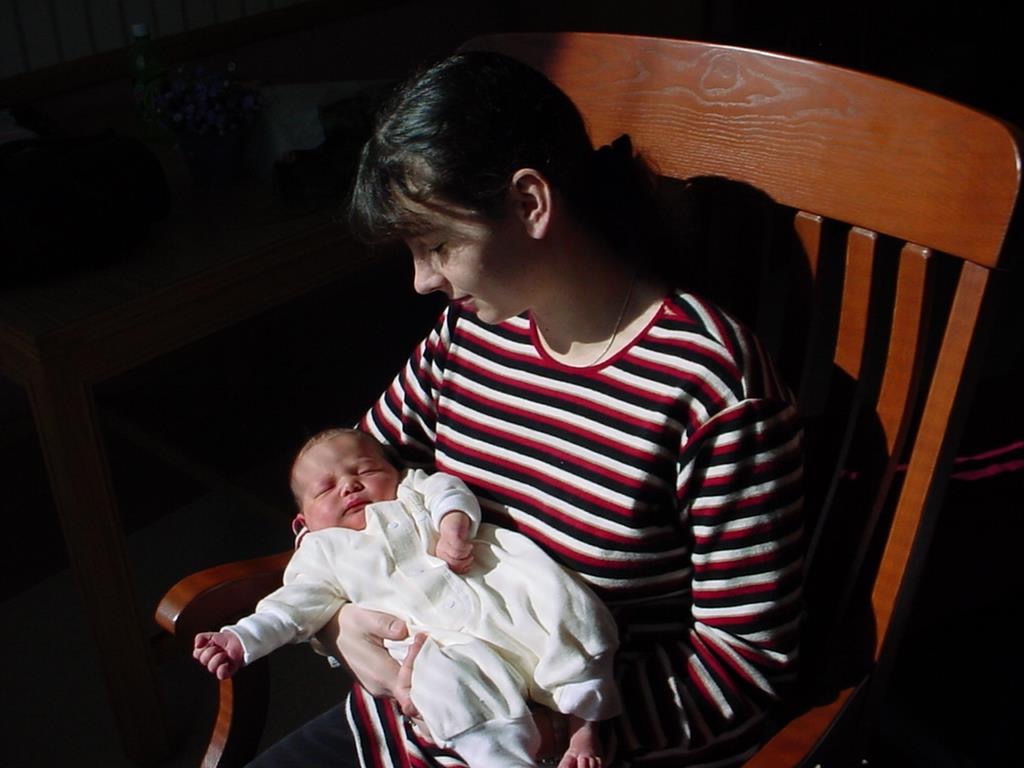
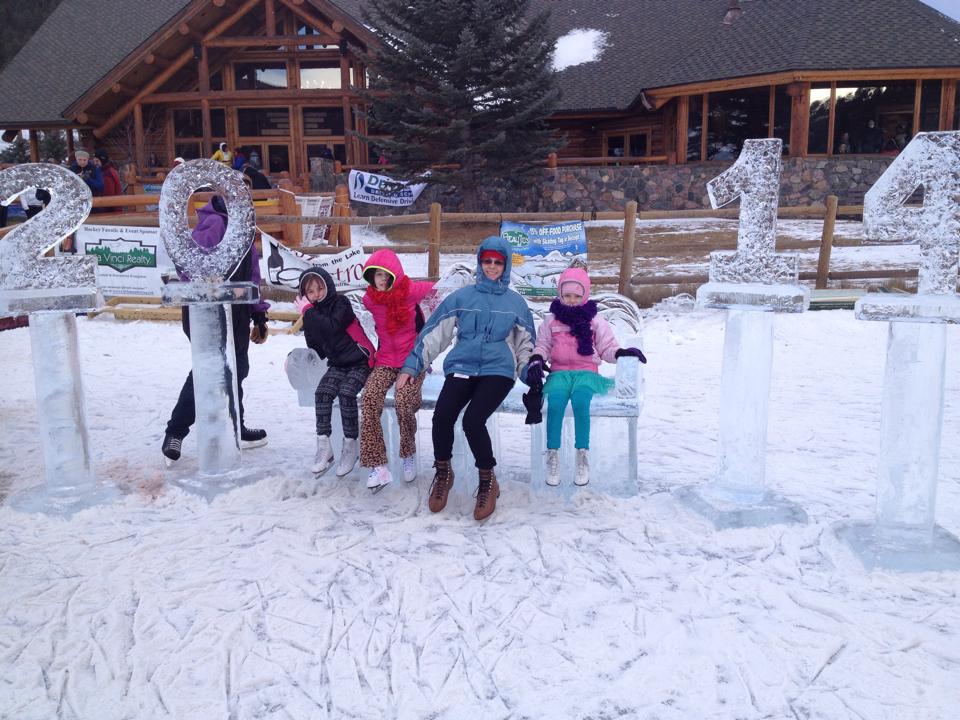
You were born on Presidents’ Day, making me a mother. And now we celebrate seventeen years on the seventeenth, another February Monday that teases us with sun in the city, snow in the mountains, and just one year left of childhood.

Just one year left to relish your youth, be irresponsibly wild while simultaneously mastering physics and calculus.

Just one year left to argue with your mama about screen time limits, driving rules, homework completion.

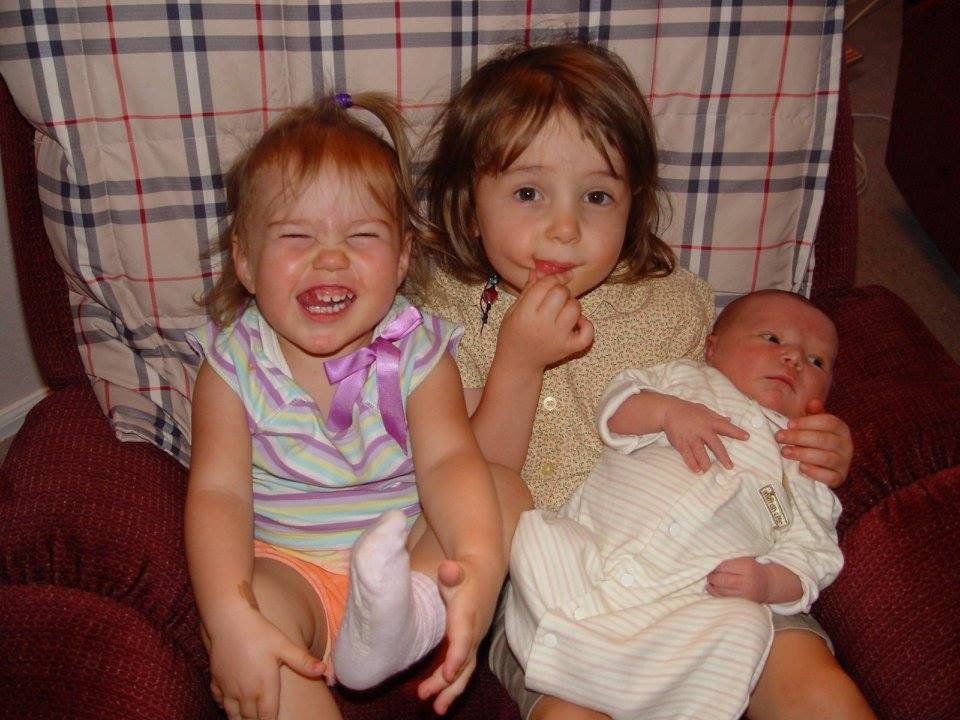
Just one year left to be the stern at the front of your sisters’ ship, leading the way towards a future none of us can predict.

How can it be seventeen years after this moment in the sun, rocking you in your jaundiced stupor, my baby who would never wake?

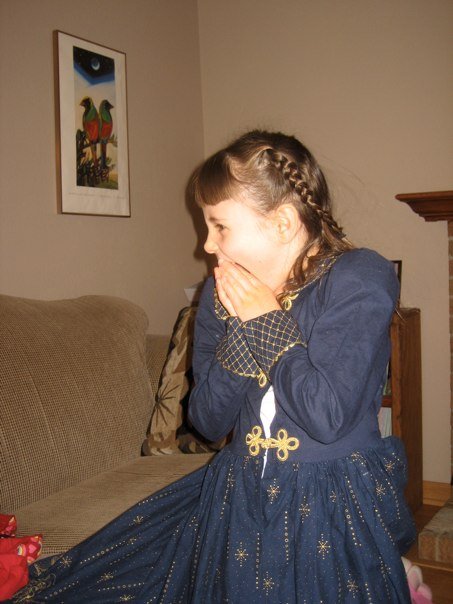
Just one year left of your childhood, a childhood filled with formal dresses (of your choosing) every day until age seven; of trips across continents and oceans; of making, keeping, and losing friends; of an ever-tumultuous relationship with school; of dancing and skating and skiing and snowboarding, but never hiking; of a first love, gained and lost; of always wanting more and finding a way to get it.

Just one year left for your mama to be able to call you her girl… Because you are so fast becoming a woman.

A woman who wants her hair braided while completing calculus so that it’s curly for the dance team.

A woman who wants to be an aerospace engineer or an Air Force pilot, a mother, a wife, a keeper of all of beauty’s secrets.

A woman who woke from her jaundiced infancy to fight for everything she wants, whether it be a better part-time job, a new dance partner, a different class set for senior year, or a friendship that has lasted since kindergarten.

As you turn seventeen on the seventeenth, I just wanted you to know that I love you. That you have made me more than a mother. You have taught me how to listen. How to have a stronger voice. How to raise a girl in the twenty-first century (with patience, love, and technology all mixed up into a tumble of confusion and hope).

You have just one year left of childhood, Isabella. Lucky for you, you already know how to fly.

Fly high, my girl. Fly high.

Happy seventeenth.

Perfectly Cracked, Perfectly Hopeful

i walk my puppy,

fight weekend grocery store crowds,

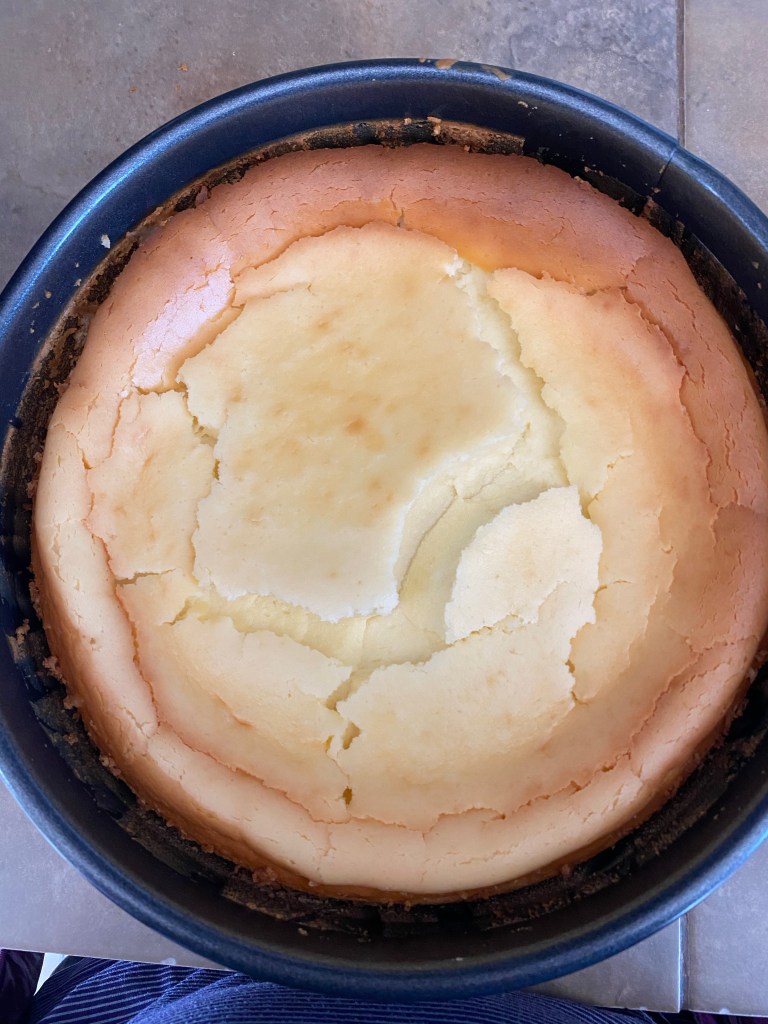
and bake a cheesecake

before 10 a.m.,

i cook raspberry compote

and finish laundry

by noon, i’m ready

to begin this Sunday cleanse

and climb out of here

the city beckons

(no, no—the world beckons

for another chance)

our democracy

and the fate of our future

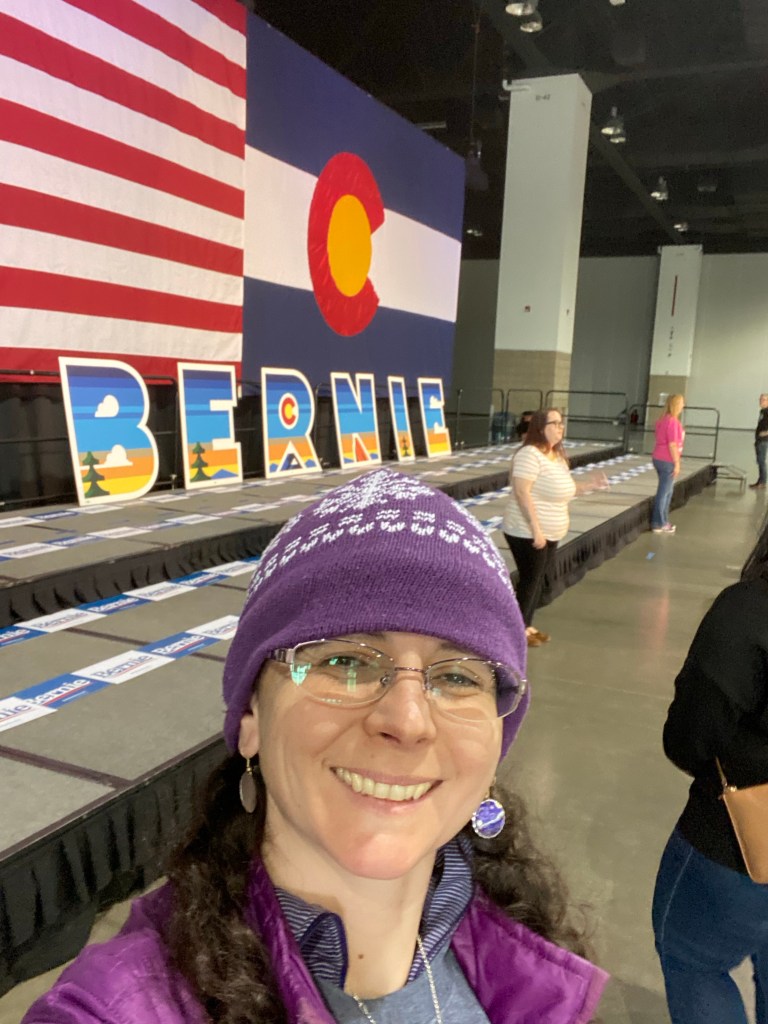
rest with how we vote

(even though it’s cracked,

my daughter’s birthday cheesecake

is one of many)

let this election

be one of many chances

to give us all hope

Will You Make Me a Valentine?

a Valentine game

with two of the four children

this magic cabin

(no romance tonight.

just a son he let me have.

love is beautiful.)

La Bestia Beckons

we will never know

how sketchy the ride will be

until we arrive

Balancing My Burdens

As a high school English teacher, I have heard hundreds of stories, and I’m not just talking about the melodramatic novels, plays, and memoirs we are sometimes forced to share with our students.

The burden of our students’ stories is something that all teachers must carry when we enter this profession. We must balance this burden in the midst of administering tests during most of our planning days for a month, attending staff meetings where we are told that we don’t deal with student trauma well enough right after attending staff meetings where we are told we’re not pushing them towards the test fast enough, right after being in class with students who are off-the-walls doing handstands (literally) or thinking about suicide (literally), right before being in class with students who don’t speak a word of English and all my paras are–you guessed it–testing, and these new Arabic-only students have come here with hearing impairments, broken hearing aids, and no money.

I have tried to balance this constant bombardment of burdens with my other role, my most important role in this life: being a mother to three daughters who will soon fully enter the male-dominated maelstrom we call a society.

And?

Most days I feel I fail at both. Some days I drown the sorrow with wine. Other days all I can feel is the freezing fresh air of a ski slope and a million tears of joy. Every day I feel the comfort and strength of the man I love, one who doesn’t contribute to the maelstrom.

Today is definitely one of the darker days. One of the days when I know that I have brought more of a burden than the average teacher onto myself by taking in this beautiful, kind, brokenhearted boy, who, amidst a series of relatively good news in recent weeks, had to share his whole sordid life story with the immigration lawyer today, had to explain the scars on his wrist, his thumb, his forehead, and the weight of his mother’s words behind those scars, had to hear that seeking asylum is an unwinnable case (never mind that just before the meeting he showed me a video exposing his hometown as the most dangerous city in the world to live, overrun by gangs) and that it will be two years if he’s lucky, three if it all goes well, and a 20% chance of never, that he will get. A. Work. Permit.

Not a Green Card. Not a driver’s license. Not an invitation to take a citizenship test.

A work permit.

Then to drive this teary-eyed, always-singing boy home for him to play his Spanish love songs all night long, to pluck along with his new guitar (a gift from my father, another man who doesn’t contribute to the maelstrom), for him to happily heat up some of the sandwiches he collected from the food bank to fill his unfillable teenage-boy stomach.

Then to have my middle child walk into the kitchen after her babysitting job and burst into tears.

Not because the triplets were whiny, not because the three-year-old threw toys at her again, not because babysitting isn’t her favorite thing.

Because they told her, after three weeks and mostly taking over the job from her baby sister (who solicited it to begin with) while Rio has play rehearsal, that they no longer wanted Rio to do it because she’s better.

Because she and I, this middle Mythili, haven’t been getting along lately because she’s fifteen and hates her mother, because she’s been calling me out for being too loud, too embarrassing, too forward, too judgmental, too ME, and because in this moment of inconsolable tears over thinking about what to say to Rio, Mythili and I are on the same painful page.

Because Riona has been hearing her whole life that she’s… too quiet. Too afraid to try new things. Too low to be in the regular group but too high to qualify for services. Too old to learn how to walk. Too immature to fit in with her sisters. Too messy.

Because Riona, after two hours of play rehearsal after eight hours of school after walking to and from school after doing her chores, made this iconic picture of her favorite things: the TV show Friends, an artist’s brush, a sunset background, and six–not five–cats, each with a symbol inside representing the members of our family: a pot for our papa chef, a heart for her mama, a music note for our five-weeks-in singing son, a star for our oldest dancer/actor/gymnast Izzy, a pencil for her artistic Mythili, and a paint palette for herself, the aspiring art teacher.

This is just one day, one story. One of the hundreds of stories that will make their way in and out of this heart within this cat, this heart between Bruce and me.

And I wonder which one will break me. Crying over my kids. Or crying over my kids.

I Just Have One Question

On the phone with the immigration lawyer four weeks ago: “I just have one question. What can we do at the school to get this boy out of a homeless shelter?”

“He needs someone to offer him a home and then we can begin the process of going through family court and applying for an SIJS visa.”

Five minutes later, calling my husband (which I NEVER do) in the middle of a school day:

Bruce: “What’s up?”

Me: “I just have one question.” Loooong pause.

Bruce: “Yeah…?”

Me: “Would you be willing to take this boy into our home?”

Bruce: “This boy who’s been in your class for three weeks and we know nothing about?”

Me: “… Yep.”

On the phone with the social worker, one day later:

Social worker: “Our ultimate goal is to place him with a Spanish-speaking family, although it doesn’t always work out that way. He told me that you might be willing to take him, and just so you know, I already Googled your house and everything I could find out about you. And I just have one question.”

Me: “Yes…?”

Social worker: “How do you feel about taking in a teenage boy when you have three teenage daughters living at home?”

(This was the easiest of these questions to answer).

In an email to the school psychologist, counselor, registrar, and social worker: “I just have one question. How does one take in a student in a situation like this?”

Response: “We don’t know.”

In my living room, three weeks later, meeting with the Uaccompanied Refugee Minor team of five adults–an interpreter, a bilingual social worker, a coordinator from Lutheran Family Services, a Guardian ad Litem lawyer, and a caseworker from the Department of Human Services. My puppy jumps from couch to couch, hovers on the floor with toys he begs them to throw, sniffs in their on-the-floor bags. Fabian holds the laser pointer and fiddles with the dog’s rampant scavenges for its source in the depths of the hardwood floor.

Social worker: “The primary goal of this program is to reunite you with your family. Let’s talk about all the family members you have in the U.S.”

So begins a lengthy discussion about every reason why his four family members cannot take him. One with a crime, one with a house too full, one in prison, and an uncle in Connecticut he doesn’t know.

Social worker: “Let’s talk about the uncle you don’t know. What if you went to visit?”

Fabian: “It’s too far.”

Social worker: “We could buy you a plane ticket. Pay for a hotel.”

Fabian: “…”

Social worker: “We don’t have to decide today. You can think about it. It’s always an option for your future. OK?”

Fabian: “OK.”

Fifteen minutes later, the meeting is coming to an end.

Social worker: “Now you both have the chance to ask any questions that you have.”

My quiet son, with red eyes and pulling his hands away from his downturned face, looks up and says, “Solo tengo una pregunta.”

We wait for the interpreter to repeat his words.

Fabian: “I just want to know how many times you are going to keep asking me to reunite with my family. Because I was in a homeless shelter for four months and no one in my family did anything for me, and I don’t want to reunite with them.”

Every mouth in the room: Silence.

I just have one question: What would you do?

Knowing that his journey across four borders and a lifetime of woes has ever-gratefully placed him in your living room. Knowing that you will lose sleep over this, waking in the middle of the night to police sirens thinking that ICE is coming, worrying that he will hate you, that he’ll turn back and re-cross those borders, that he won’t fit into your family. Knowing that when he sits in your classroom with all the others, they might make somewhat-joking, somewhat-bitter commentary about “your son.” Knowing that your daughters will get jealous over him being allowed to watch a movie on a weeknight or having a specially-made dinner and a piñata for his birthday. Knowing that people in your life are going to question every aspect of this choice (“College is coming up… can you afford this?” “Are you sure he’s not a criminal?” “Are you worried about having him in a house with three teenage daughters?”).

Knowing that for every day of your life, from the moment when he raised his face and asked his singular question, you will never forget its weight on your soul, on your humanity.

I just have one answer: love. It is the only response that is worth listening to out of every possibility. It is the only way to get through each of the borders that we must cross, each of the dark memories that plague us all, each of the questions we have always asked about what we could do.

We could love each other just a bit more.

2020 Vision

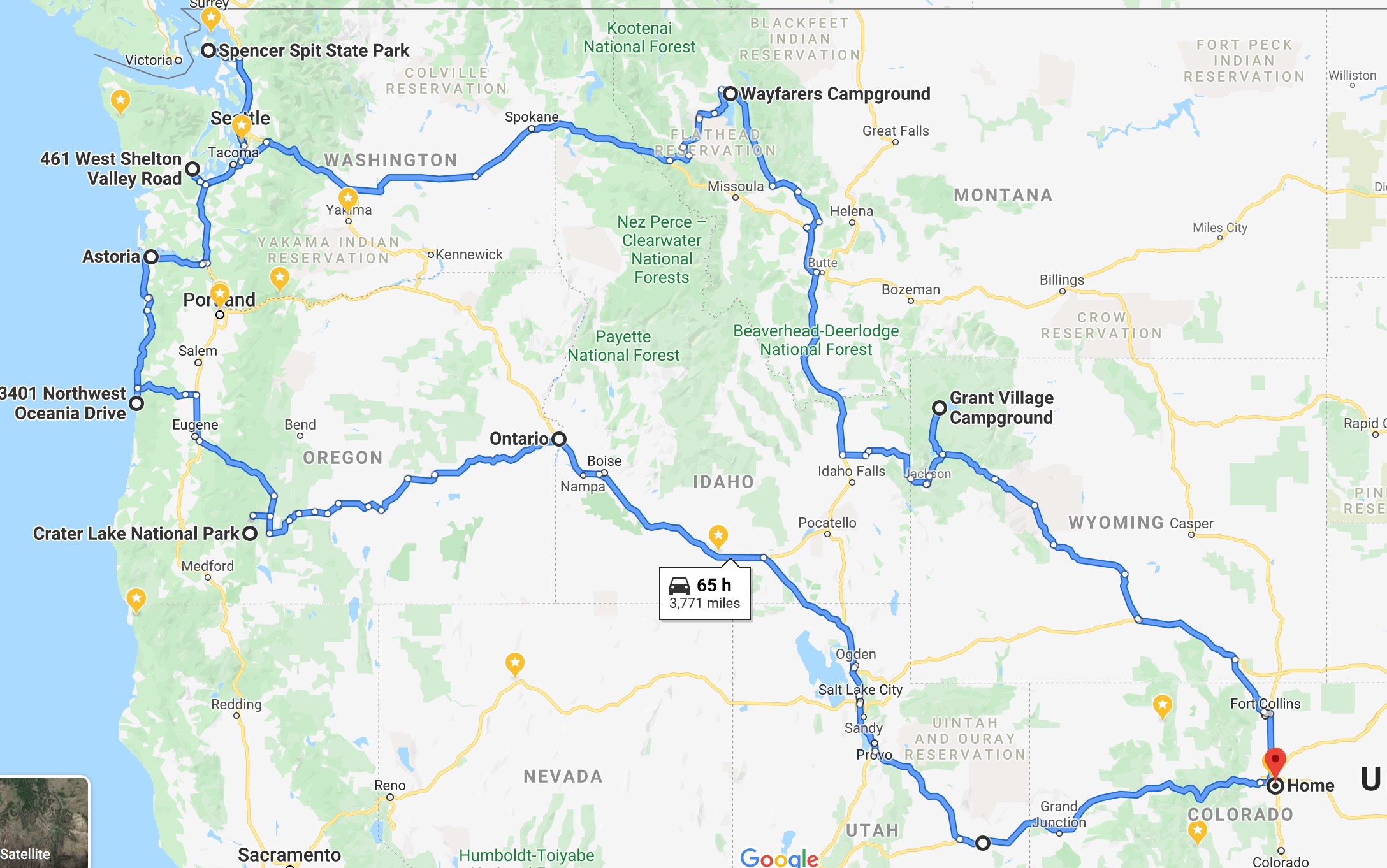
road trip, adjusted:

no Canadian journey

([s]miles with our son)

Lockdowns

This evening, though it took him three times to ask me the question in his perfect Spanish due to my completely butchered understanding, I think I was able to answer him with a too-easy level of coherence.

“Why in that one class did we have to climb under the desks and turn off the lights?”

“Welcome to America, the land of the free, the land where gunmen enter classrooms and kill students and we have to spend our lives practicing for the possibility of that moment.”

“But couldn’t a gunman just blow open the door?”

The irony of everything is in his words.

Couldn’t we just pass gun control laws or have background checks instead of practicing lockdowns?

Couldn’t we have immigration policies that wouldn’t leave 17-year-old refugees in homeless shelters?

Couldn’t we raise our sons to be like this one, so grateful that in the course of seventeen days, he has completely changed our lives and filled our home with laughter and love, instead of raising sons who think the only solution to life’s problems is to shoot someone?

He is here now, in my house, safe after his first American lockdown. What else will he see in a year, in a lifetime, as he adjusts to this new world? As he tries his best to catch up with a semester of learning English that he missed, where we started with the alphabet and now are writing sentences that he struggles to understand, relying on the other Hondurans in the class to translate? As he sits in my ninth-grade advisement class listening to me ramble on about graduation requirements that all of us know are inaccessible to him?

What else might he write, between now and when he leaves our house, that could be more beautiful than these crumpled-up words that we threw into the basket, a silly icebreaker activity that was designed to help the students get to know each other and that completely failed in my ever-introverted advisement class?

The task was to read the messages aloud and try to guess who the author was.

But I couldn’t read his words aloud. Not after the lockdown. Not in my broken translation. Not for this emotionless class to hear.

Because I wanted to feel those words deep in my soul, how beautifully imperfect and ever-so-perfect.

  • A fun thing you did over break: I went to the hot springs, celebrated my birthday with my great family. I have three more sisters and a new mom and dad who make my life perfect. 
  • What is an unusual or interesting fact about you?  I was adopted by a great family. 

Just five minutes after crumpling the paper back to him, the dean came to the door asking for him and his backpack. My blood turned to ice in an instant. I have been teaching for far too long to know what the combination of those words means.

What could have happened between when I saw him getting his coffee from our kitchen this morning and that moment? What could they be looking for? How could they be so wrong?

Every question in the world popped into my brain, and I held back his three friends to ask what had happened in period 2. I told them how scared I was about the backpack request in particular, and they all responded, “No te preocupes, Miss, nada pasó.

The next seven minutes became my own terrifying lockdown. Because he is not just one of the hundreds of kids they have pulled out of my class in the past sixteen years.

He is my kid.

When he returned during passing period, I couldn’t even let him go to math class without giving him a hug of one hundred percent relief after he told me that his social worker had picked up all his documents from the homeless shelter, and he needed to bring his backpack to keep them safe.

Tonight, I could have told him, if I were less opinionated, that we have lockdowns to keep us safe.

But when you’re in a lockdown, you’re not thinking about safety. You’re thinking about your life. All you’ve been through, all you might never see. You’re thinking about all the kids’ faces, all the struggles of the world, everything bundled up into the silent, dark corner of a classroom, the silent, dark corner of our society.

You’re thinking about the people you love. The people who write kind words on soon-to-be-crumpled paper. The social worker who texted her gratitude one last time right after meeting with him. The family surrounding you who took him into their lives without a second thought.

“Look, Miss,” his friend grinned at lunch, gesturing towards him in the hallway. “No necesitaba preocuparte… Su hijo está bien.”

Yes. Both of our lockdowns have been lifted.

And my son is just fine.


Pup and All

back to school and work

my mind’s still in these mountains

burning for a view

C & H

It was cruelty that put him here. The cruelties of poverty, of corruption, of one governmental thievery after another. Our government to theirs. Their government to their people.

It was cruelty that put him in a cage, that gave him no choice but to keep on keeping on, train after train, burnt house back home, left-behind baby sisters, parents unable or unwilling to give him what he really needed, really wanted in life.

It was cruelty that led him to my classroom and into the basement “bedroom” of our home.

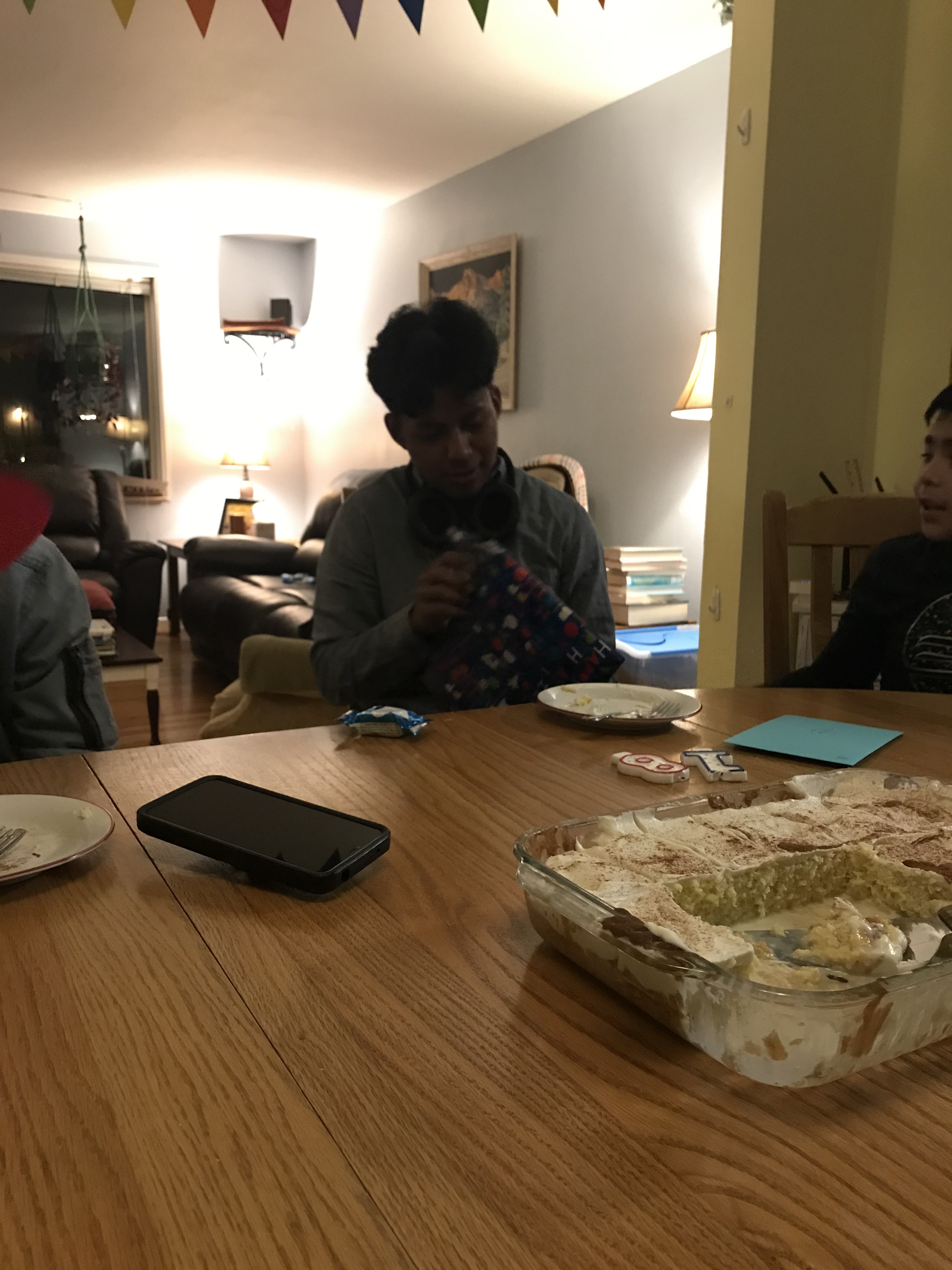
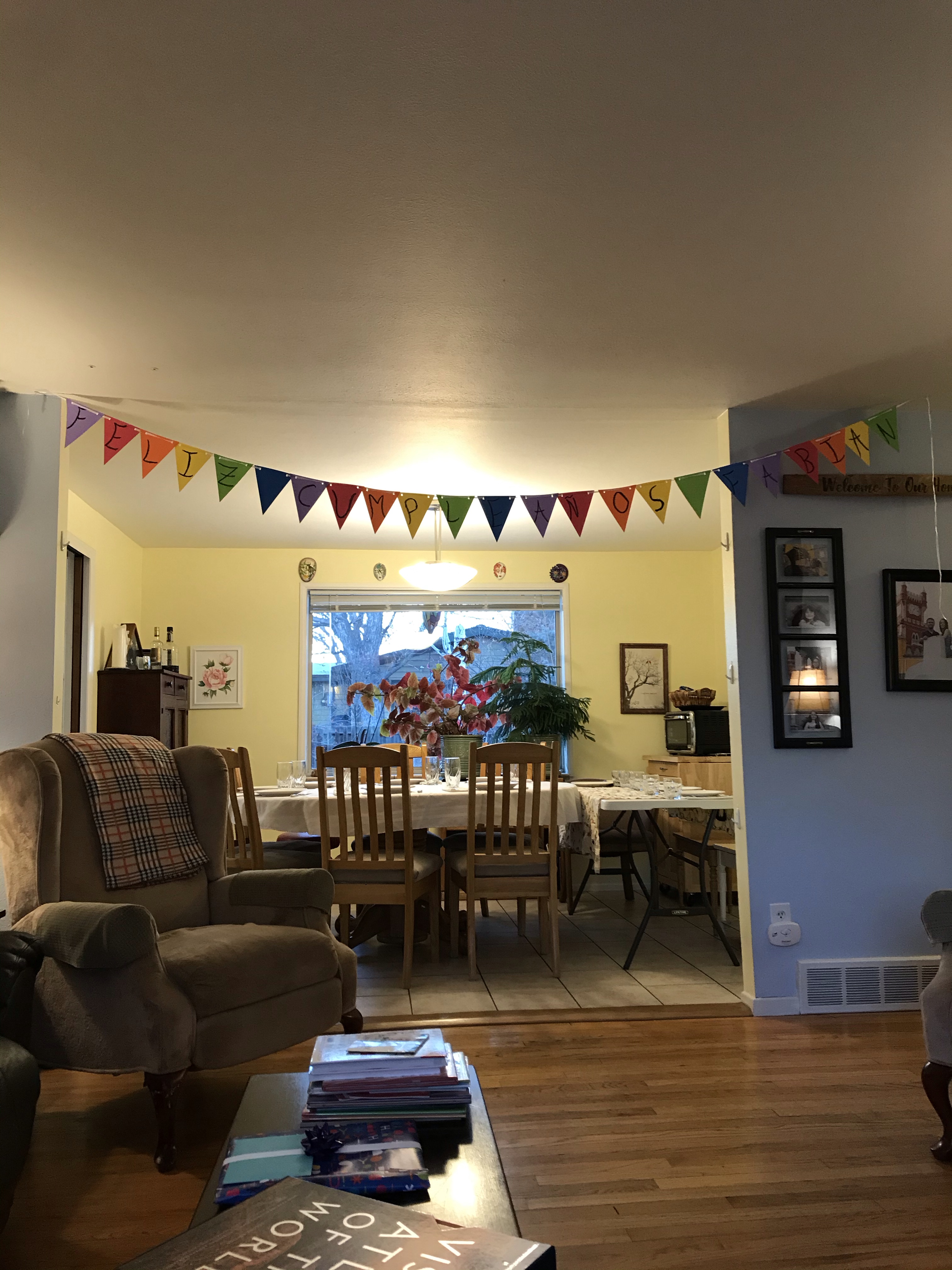
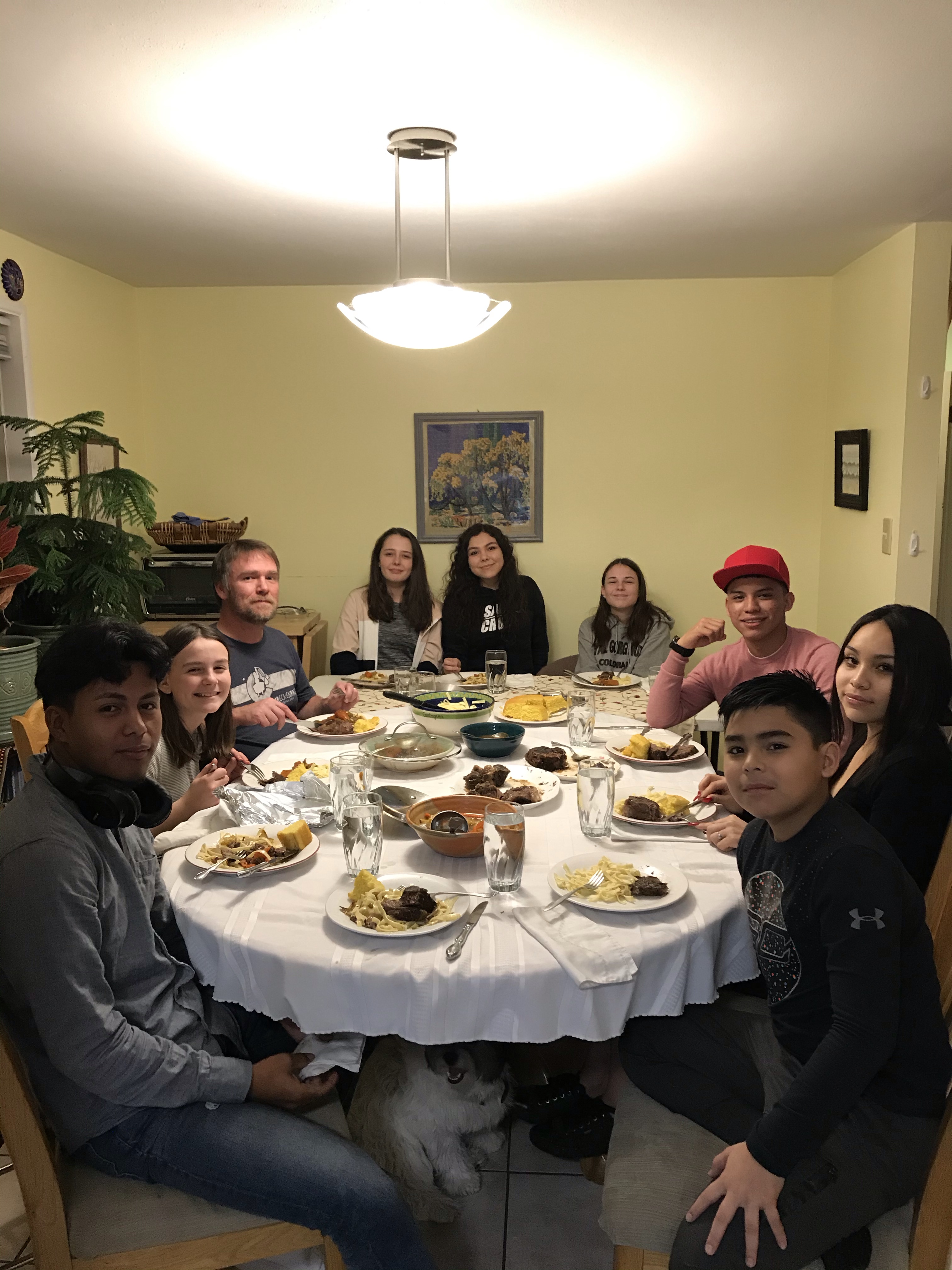
But today, there was no cruelty. Only the miracle of another turn around the sun. And this eighteen-year milestone is so much more than the tres leches cake my youngest prepared, so much more savory than the two pot roasts we spent half the day cooking, more than the intricately-decorated banner, the piñata he never could hit as a kid.

Today, there was only humanity.

The humanity that bleeds through the cruelty even when you think it isn’t there. In programs established by past presidents that a team of social workers, caseworkers, and even a famous poet worked tirelessly to get him into before his eighteenth birthday, when suddenly, and for completely arbitrary reasons, our government labels young boys adults.

The humanity in lawyers working day and night, in the middle of Christmas and New Year’s while visiting family, who are willing to send emails and make phone calls and answer every stupefied gringo-I-don’t-know-the-law question.

PRO BONO.

The humanity in my friends who sent gift cards, cash, and prayers, to thank me for bringing this boy home.

Cruelty brought him here. But humanity has won.

If you combine C & H, you’ll have nothing but sugar. Pure sweetness.

And that is what I want you to taste as you read this post, as you click on these links. The sweetness of humanity. It may seem to be hiding behind the C, but without it, what would we have?

Certainly not a game of spoons. A party of smiling teenagers. An artist’s pencil.

Or a speck of hope.

Blow out these candles with us. Sing this song in broken Spanish. And relish these sweet dreams. They are yours. They are his. They are all of ours.

And they are sweeter than any cruelty you could imagine. Just taste them. Take a moment to taste how sweet our world could be.