Views from the Road

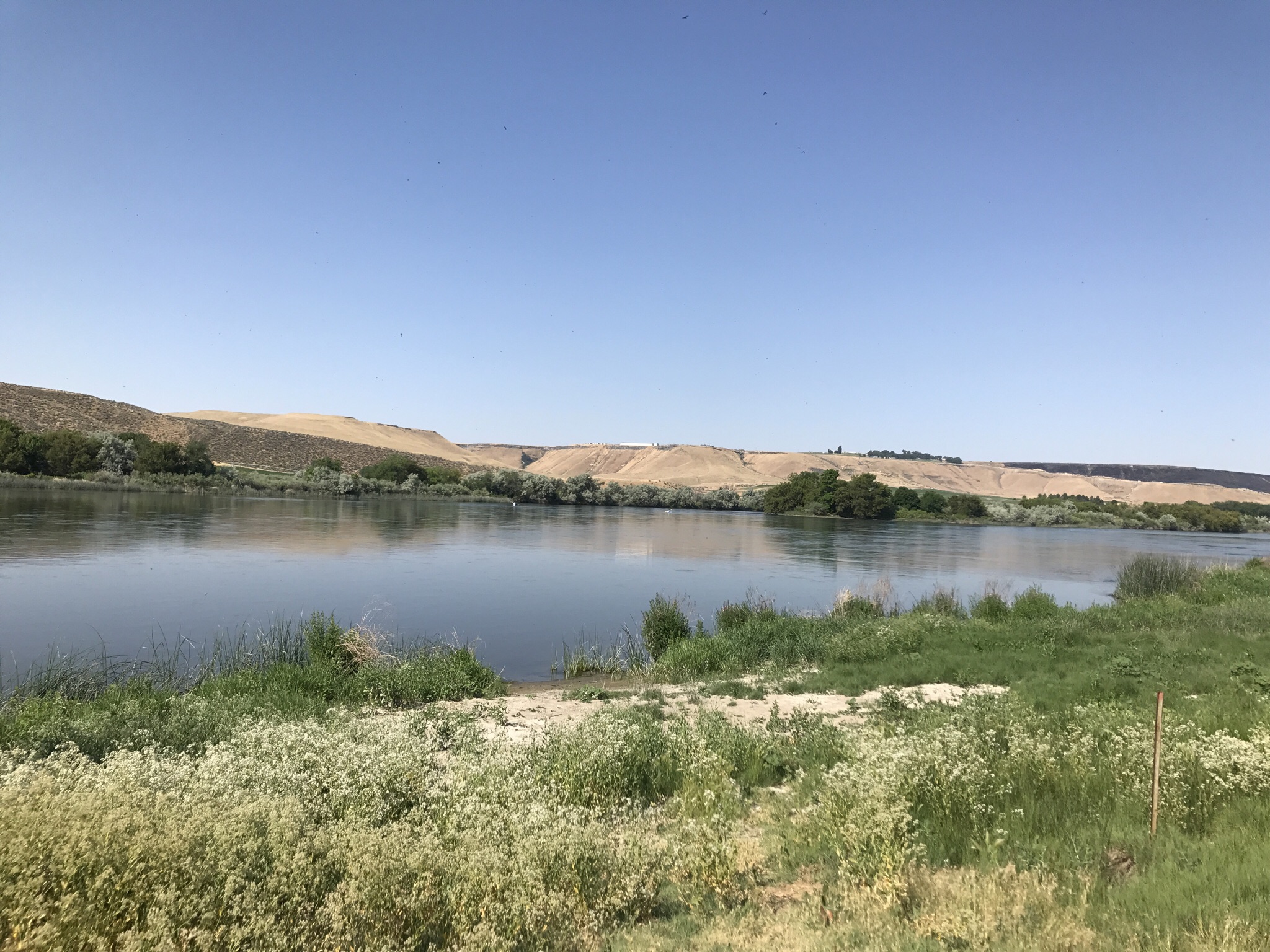
The beauty of the road is so much more than views. It is the elevation loss and gain that sneaks up on you as quickly as the road snakes its way along the Snake River.

It is the surprise of the desert that has made its rural-America mark in southeastern Oregon.

It is the spontaneity of stopping at state parks for a peek at history and scenery so breathtaking you feel you’ve stepped into a mini Grand Canyon.

It is the trail our ancestors walked upon that you place your weary soles on now, however twisted and stolen it may be. It is still a silent beauty resting behind a sleepy Americana town, waiting for rediscovery and firsthand learning for three young women.

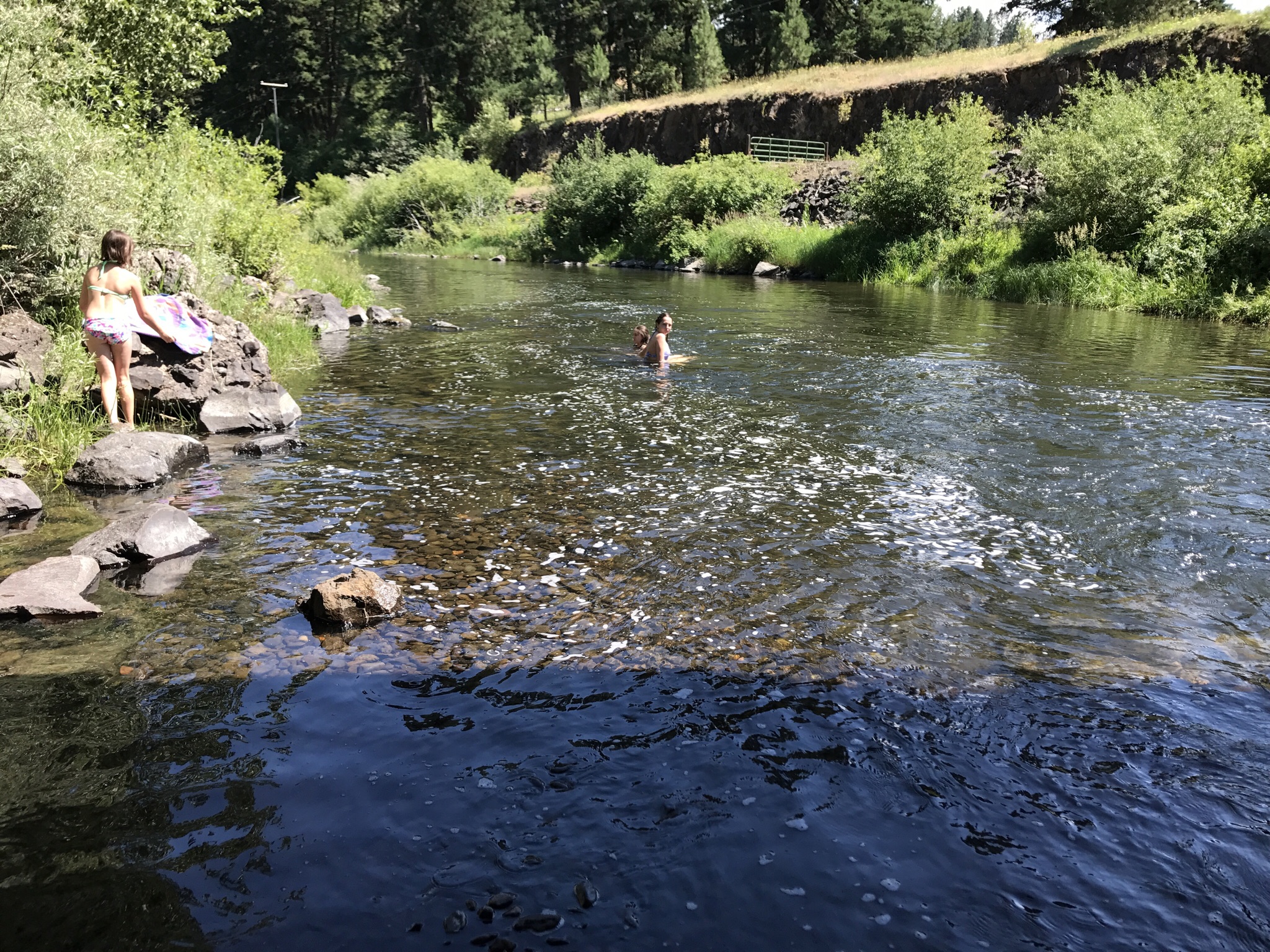
It is the creek sparkling in the hotter-than-expected northwestern sun, and the quick dip that makes an afternoon sparkle just as brightly.

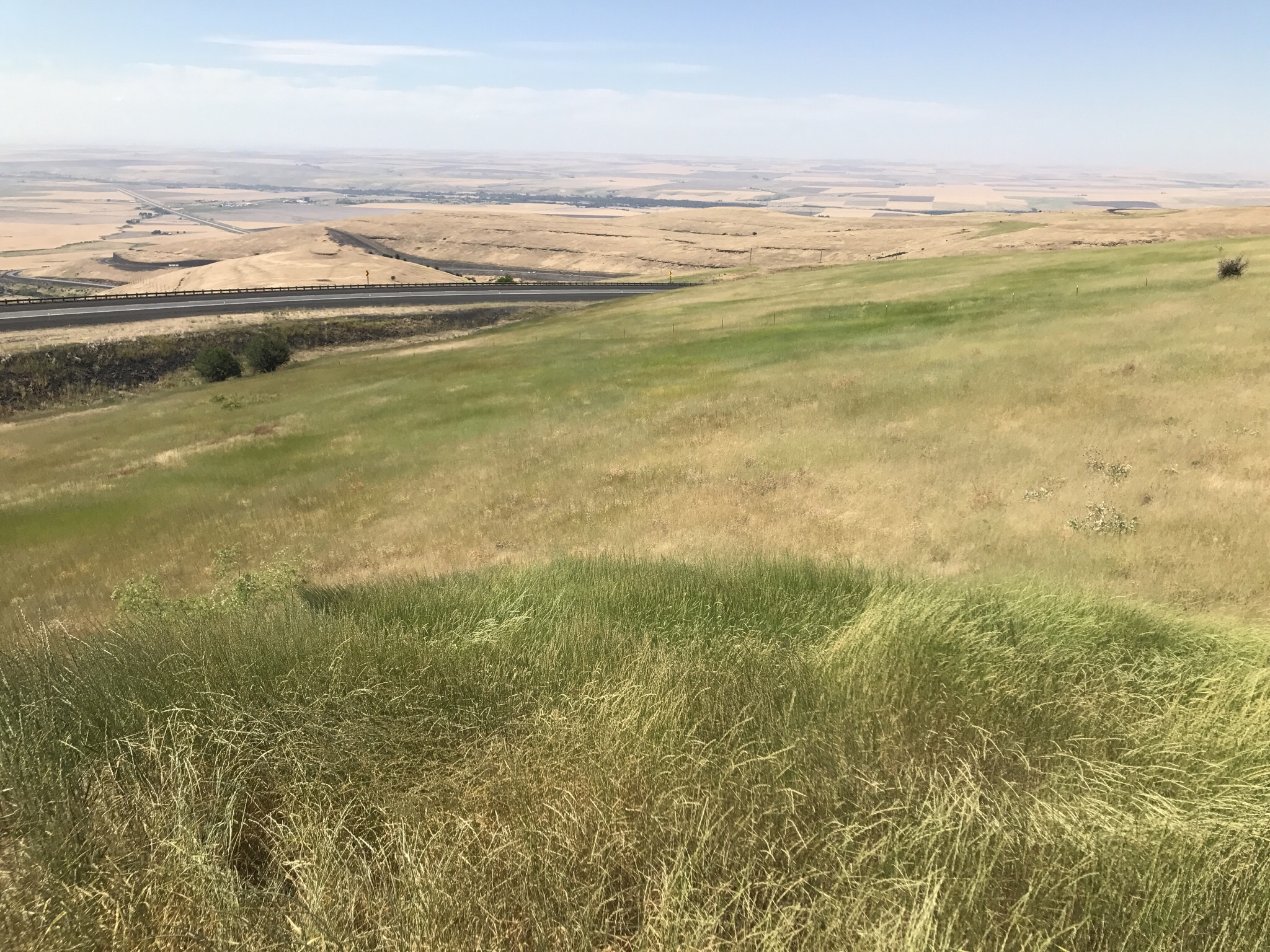
It is the curve that moves from summit to limitless landscapes, to the expansive end of the Oregon Trail, played out in a quilt of farm fields, and the hope they held for a better life.

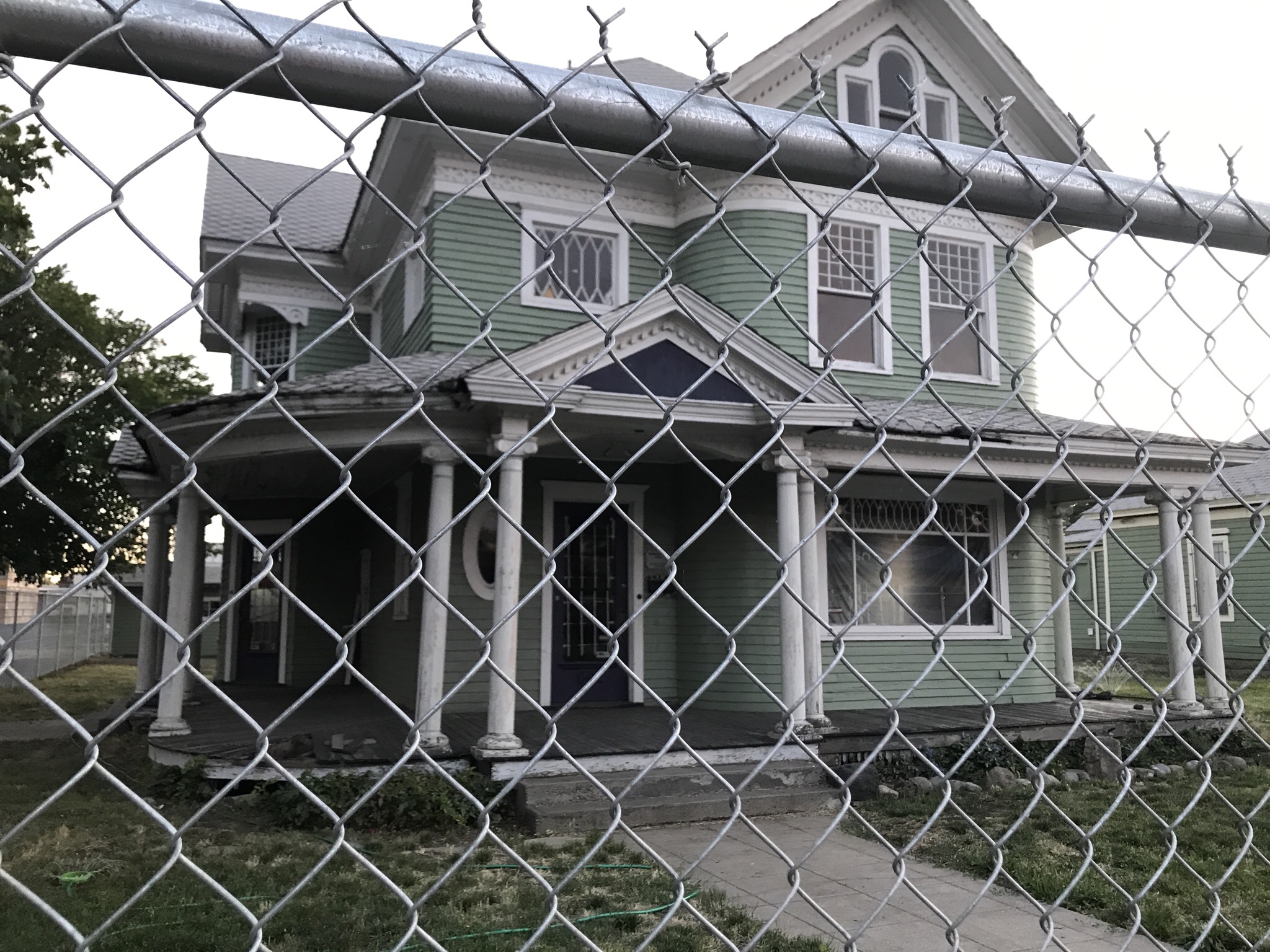
The road brings beauty, and within this beauty lies everything you’d expect and wouldn’t expect: children bickering, bits and pieces of trash and clothing piled up in the backseats, state lines that bear no stoppable signs, audiobooks and downloaded movies, snapshots taken from a moving vehicle, trucks that hog both lanes, treeless mountains and endless vineyards, poverty and wealth found behind fences and up on winery hilltops.

The road brings more than views of tall pines, sagebrush-only molehills, and sleepy rivers. It brings us all a new world view where we search for ourselves and find ourselves in each other. Where children find joy in only their siblings’ company, where the road promises a pool at the end of the day and a reality check about small city poverty to remind us of what we have.

Can you see it from an airplane, from a train ride, from a walk down the block?

Never quite like the views you’ll find when you hit the open road. The views of nature, of civilization… of yourself.

You just need one set of keys, a whole lot of gumption, and a pair of soul-searching eyes, and you can find yourself a whole new world view.

I Cry for his Loss

i cry for the card, for his loss,
 for his Iraqi-Syrian past,
 for all the burning hours of summer school
 where he committed himself
 to finishing high school in three years.
 
 i cry for his words, for his loss,
 his inescapable self that has hidden
 a kind face in a chaotic classroom,
 his sly smile catching my every
 snuck-in witty remark
 (even when no one else could).
 
 i cry for the system, for his loss,
 shuffled by our government’s wars
 between homelands that stole his home,
 for his pride in Iraqi architecture
 that he may never see again.
 
 i cry for his future, for his loss,
 for how unequivocally kind his soul remains
 after all he has witnessed in twenty-one years,
 for his brothers who wait under his watchful shadow,
 for our country to give him a chance.
 
 i cry for his words, for my loss,
 to not have his presence in my classroom,
 to have the nicest thing anyone’s
 ever written to me
 disappear with a graduation ceremony.
 
 i cry for the world, for their loss,
 for robbing refugees of their rights,
 for keeping the beauty that is him,
 that is within all of them,
 from sharing their strength
 with all of us, inshallah,
 for a brighter tomorrow.
 

The New American Dream

I have a new dream for America
Fifty years past your due date America
Fly your flag high in the sky America
Be proud of who you are America

Your country put a man on the moon
But you take away our rights too soon
With a dictator in fast action
You need to have a reaction

We need healthcare, not a tax break
Cause millions of lives are at stake
The rich get richer and ditch us
We need a plan that can fix us

We need a plan to help the poor
This is not what we bargained for
On slaves’ backs we have come this far
Reaching for equality’s star

Bring me my dream, America
Make this the land of the free, America
Let democracy win, America
Buy us some hope, America

I know you have it within you
To fight the fight for what is true
Show me your stripes, America
And shut down this hysteria!

Listen Here: Let Me Be Clear

midnight healthcare scare
 makes my family more aware
 of options made fair
 
 don’t take this away
 or the Democrats will sway
 each bill you will play
 
 cause love deserves life
 not this plagued financial strife
 that cuts like a knife
 
 Kimmel speaks of teams
 cause we’re ripping at the seams
 for your twisted dreams
 
 for you, one last word
 you selfish billionaire turd:
 our needs will be heard
 

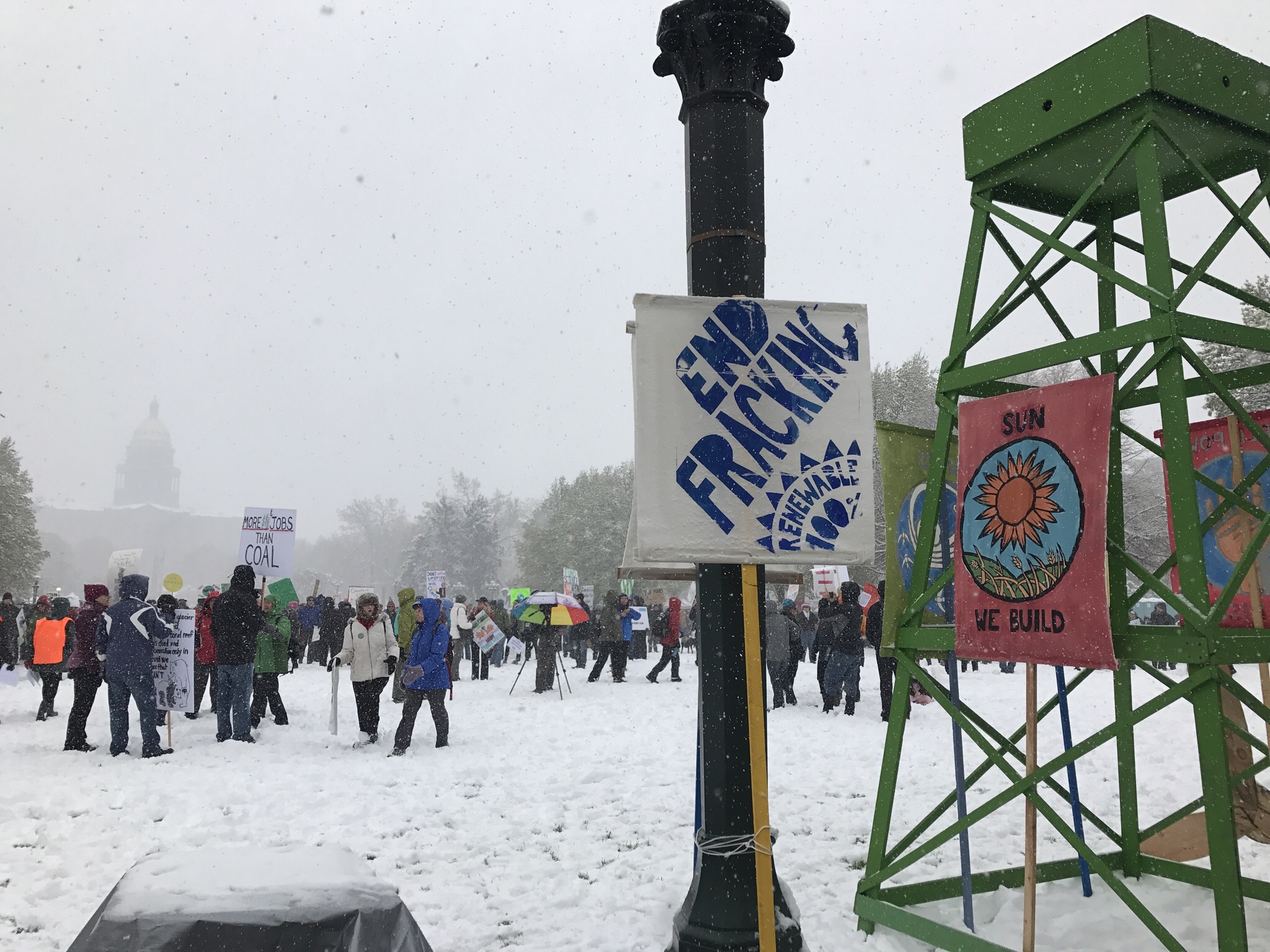
Snow March

because we need this:
 desertification looms
 just beyond the bend
 
 (Trump looms there as well,
 where the ninety-degree March
 made some record highs)
 
 and so? a snow march
 to keep precipitation
 where it belongs: Earth
 

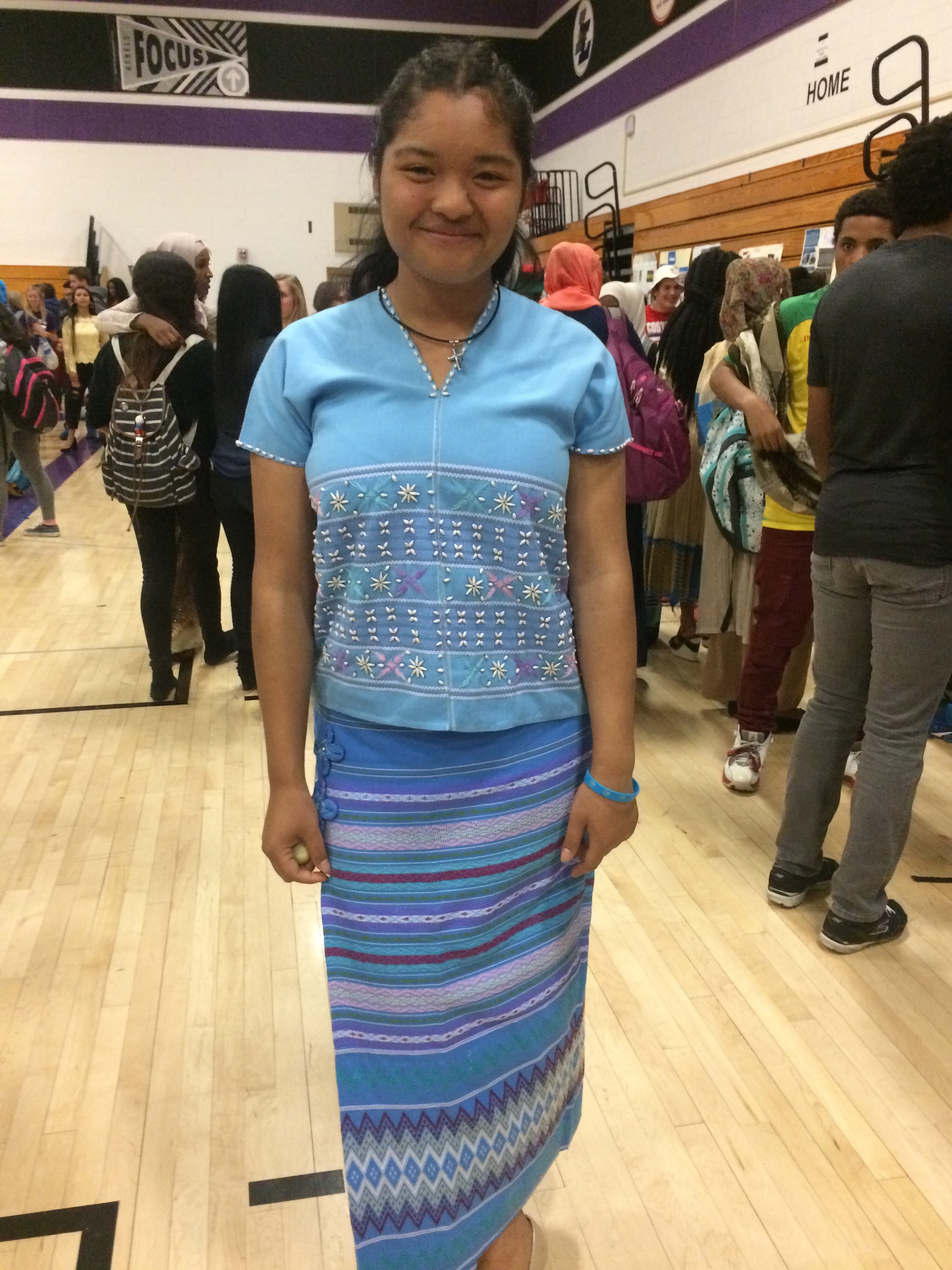
Behold this, Eyes:

diversity wins–
 the key to unlock hatred–
 where beauty beats all.
 

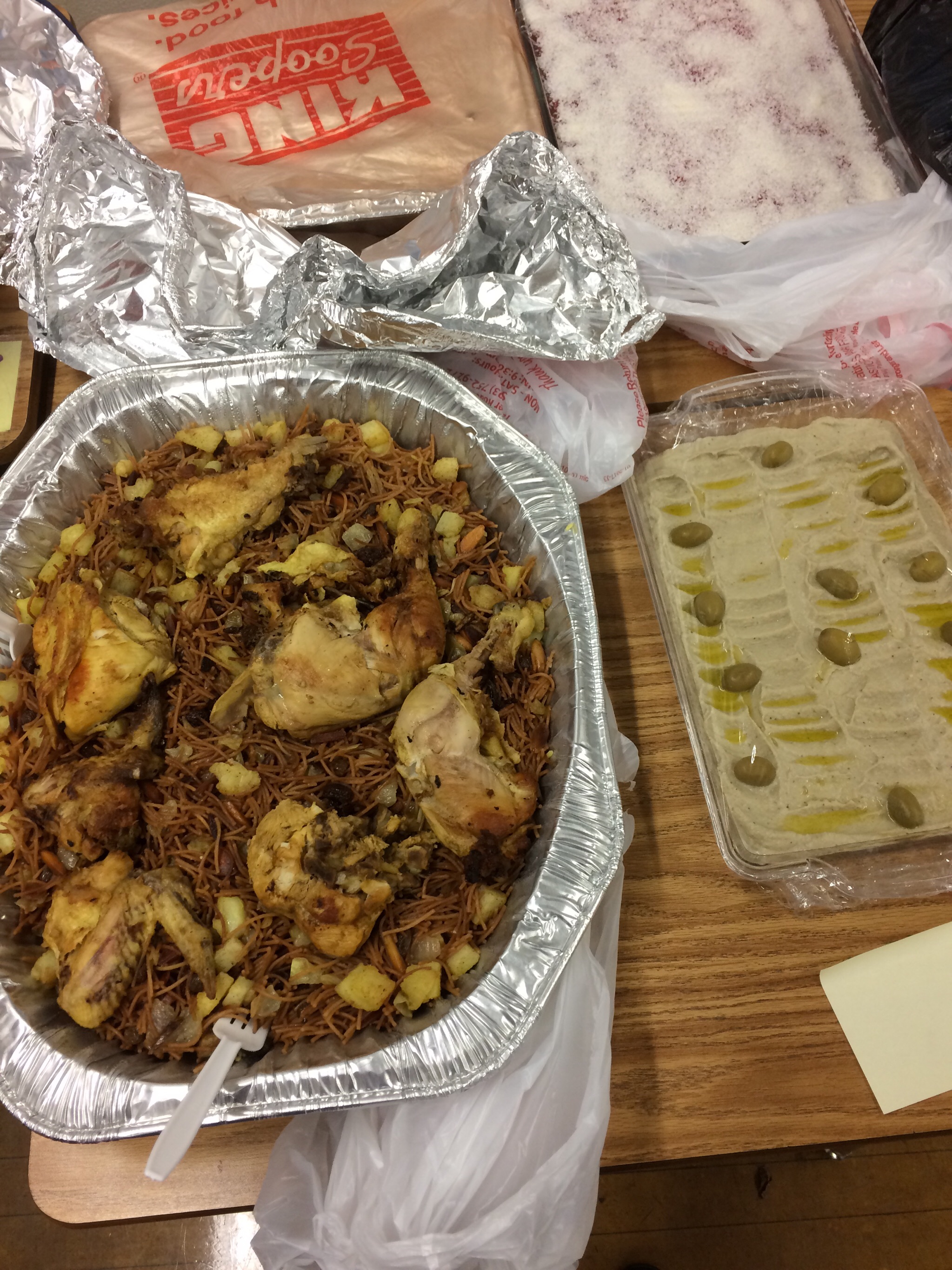
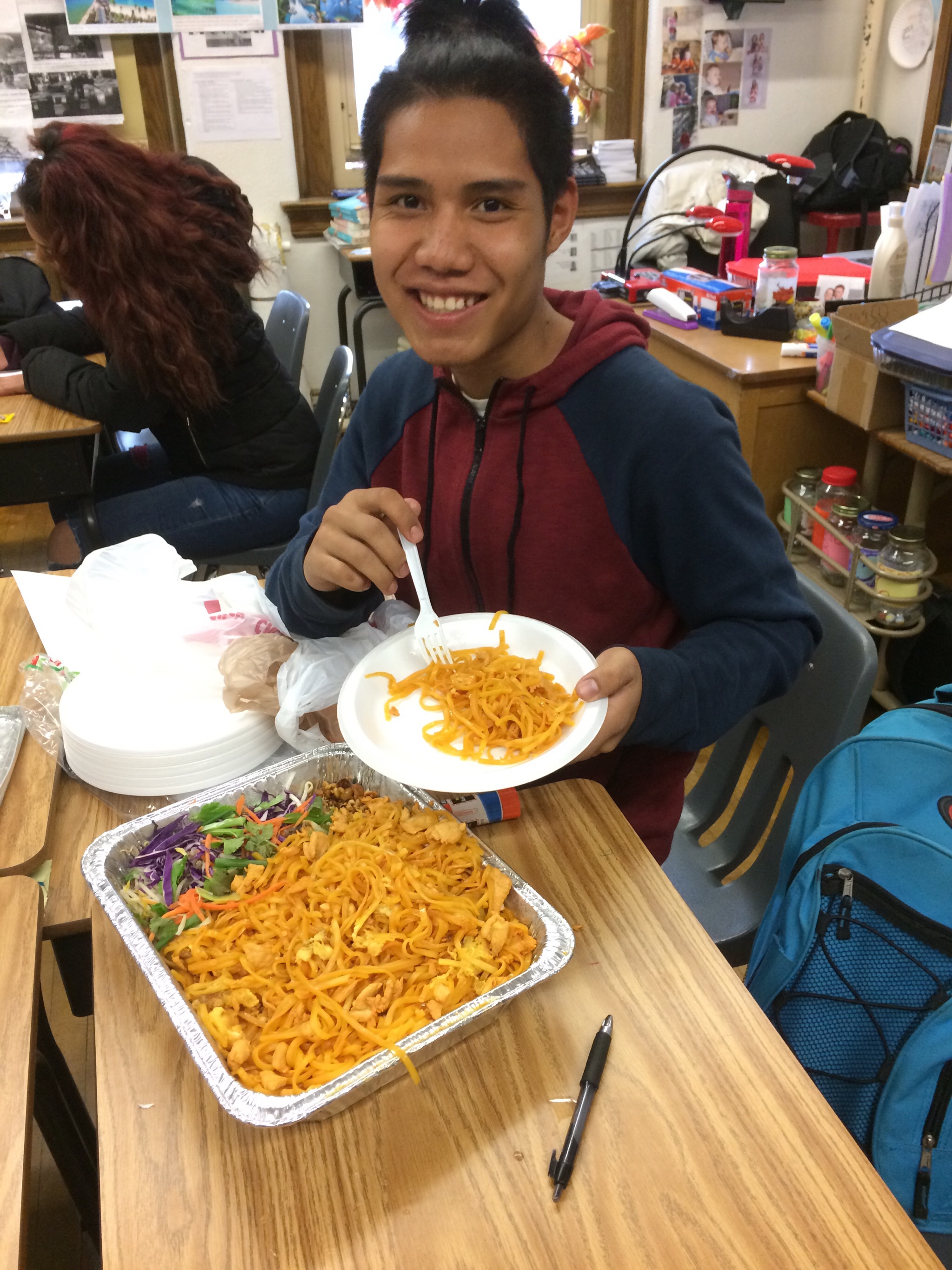
Take a Bite

faith is found in food
 connecting cultures, caring:
 life’s love remedy
 

Interception

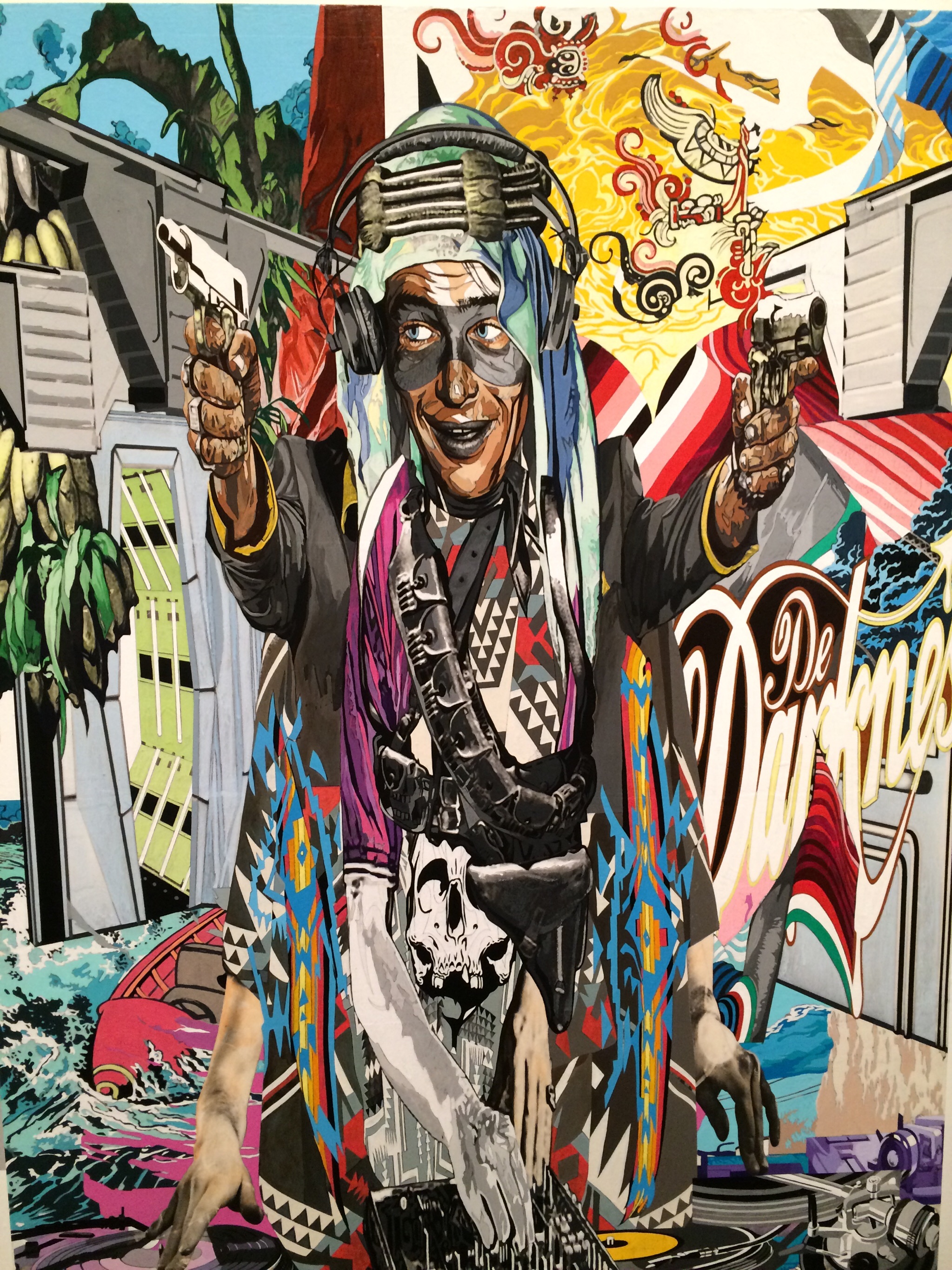
art intercepts life
 on a cloudy Denver day
 at the museum
 
 social justice rules
 when we create from our souls–
 pen; paint on canvas
 
 after a long walk
 The Nightingale finally ends
 (leaving with sorrow)
 
 sorrow chases steps
 across the gray of our lives,
 of this cool spring day.
 
 but i still find hope:
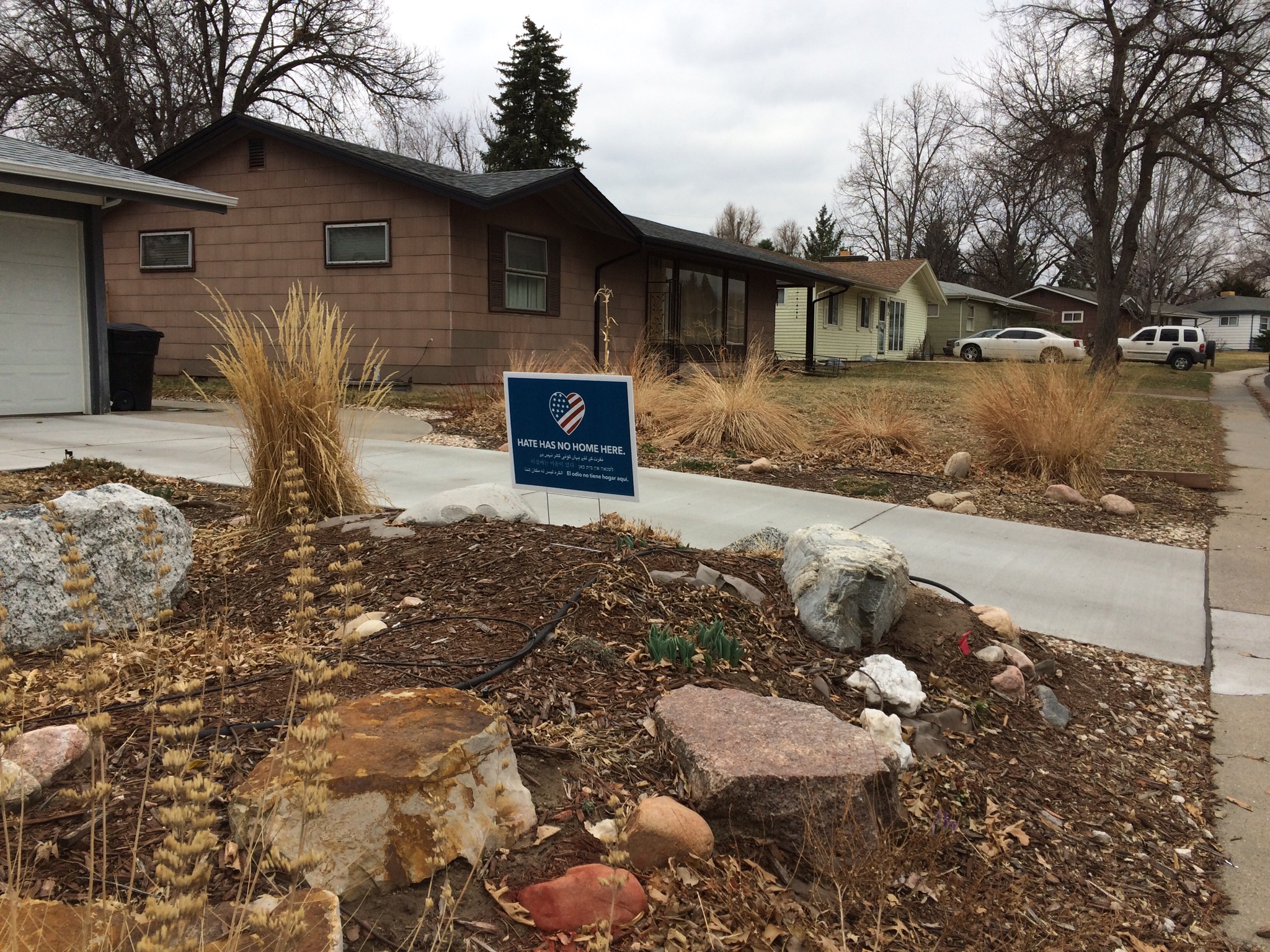
 in neighborhood yard signs,
 girls getting along,
 
 in the purring cats,
 the moist grass that begs to grow,
 the chances that wait,
 
 in my daughters’ eyes,
 and the fight we all must fight
 till tomorrow comes.
 

Coming Home to Hope

On a rainy October day when I was a child, my parents stopped in a small Massachusetts town on our way home from my uncle’s ski lodge in Vermont so that we could visit a Norman Rockwell exhibit. My mother had always loved growing up and looking at his realistic paintings on the covers of The Saturday Evening Post, and he had spent some time in the town where they were hosting the exhibit.

That weekend was one of the few where we were invited to pretend, via a fancy ski lodge in Vermont that boasted a sauna and private pond, that we were rich. We’d met our extended family there: aunts and uncles, cousins and grandparents. The kids all slept on mattresses in the loft, the adults took one of the four bedrooms, and my uncle took the owner’s apartment with a separate entrance at the bottom of the house. We’d play in the woods, race around the pond, braid our hair on the deck, and enjoy an array of delicious food that each family contributed to.

And then we’d drive home to our house in upstate New York, away from it all–the pond, the food, the family… the wealth.

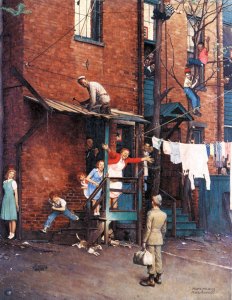
But on that particular Columbus Day, after meandering through the Rockwell exhibit and google-eyeing all the paintings, my mother and father hemmed and hawed over one of their favorite prints: Homecoming. It sat in the gift shop at the end of the exhibit, covered in glass, matted, and lined with a simple silver frame. I don’t remember how much it cost; it may have been $20 or $100, but no matter the amount, it was too much. We didn’t have extra money for luxuries like this–art for the wall??–when we were driving a 10-year-old rusted out Datsun across three states for a weekend getaway provided by my rich uncle.

“What do you think?” my mother asked.

“It’s up to you,” my father responded.

And so the print was rung up, wrapped in brown paper, and carried across the shiny black parking lot through streaks of rain. My mother carefully stacked it atop our possessions at the back of the Datsun and we weaved our way through northeastern storms back home.

As soon as the painting appeared on the wall in our living room, I became obsessed with it. The details. So many faces!! How could he fit so many faces into such a small painting? The redheaded family with open arms, welcoming their WWII soldier home. The old brick tenement and naked trees filled with dirty children. The multi-sized shirts and shorts hanging from the line. The girl pressed against the corner wall, ready to surprise him. The gratitude in everyone’s eyes after the weary war years.

I used to try to count the people. 19? 22? 20? There were silhouettes hidden in the shadows of the apartment’s windows, and it was difficult to determine exactly how many there could be. Homecoming became an ongoing mystery: How did he paint this? How many people did he mean for there to be? How long was the boy at war?

My grandfather, a mostly silent and grumpy man, had survived that war. Was his reception like this one–so filled with emphatic joy that all would be forgotten?

I doubted it.

I saw everything in that painting. The desire. The poverty. The hope.

It hangs in my house now because my mother tired of it, earned more money, moved on to different art, and because she knew how much I loved it as a child.

I pass by it on my way out the door in the morning. Sometimes I play the game with my girls–how many people are in the painting? It witnesses all our guests, all our arguments, all the laughter and joy and chaos that are our lives.

And in these ominous days since the election, it bears witness to my hopelessness. I fold laundry and cook dinner while listening to The Nightingale by Kristin Hannah, one of the many books I have read about WWII. This one has yet another perspective–that of the takeover of France and the secret groups that defied the Nazis to try to stop the war. It focuses on women–women who had to host German soldiers in their family homes while their husbands were prisoners of war. Women who took risks to save the lives of fallen RAF British pilots. Women who had to wait in line for hours for food rations. Women who had to turn in their radios–their only communication with the outside world–and be prisoners in their own homes.

I think about, walk by, and examine Rockwell’s painting as I listen to Hannah’s words. As I remember that dreary day when we bought the print, knowing my parents’ meager salaries couldn’t really afford it. I imagine what it must have been like for my grandparents, living through the daily sacrifices that encompass a war.

I imagine what it might be like for us. As news floods in daily with human rights stripped away piece by piece, with constant comparisons to Nazi Germany, how can I avoid it?

How can I not put myself in that painting, arms open, ready to welcome home my long lost soldier?

Will there be a day in my lifetime that I am there, really there? Maybe one of the silhouettes in the back corner of the window, ready to finally come out?

Will there be an end to this madness that is only just beginning?

Will our country, our people, our democracy, ever have a homecoming?

I cannot answer these questions, just as I cannot accurately count the number of heads Rockwell painted. I can only guess. I can only imagine.

I can only hope that our homecoming is just around the corner, just like that redheaded girl, waiting for her savior to wrap his arms around her.
mj13_rockwellredheads_9450526_600dpi_nomast-copy

Wish He Were Un-Presidented

one student now gone
another with court papers
(deportation threats)

country’s dark shadow
creeps into every moment
of this “president”