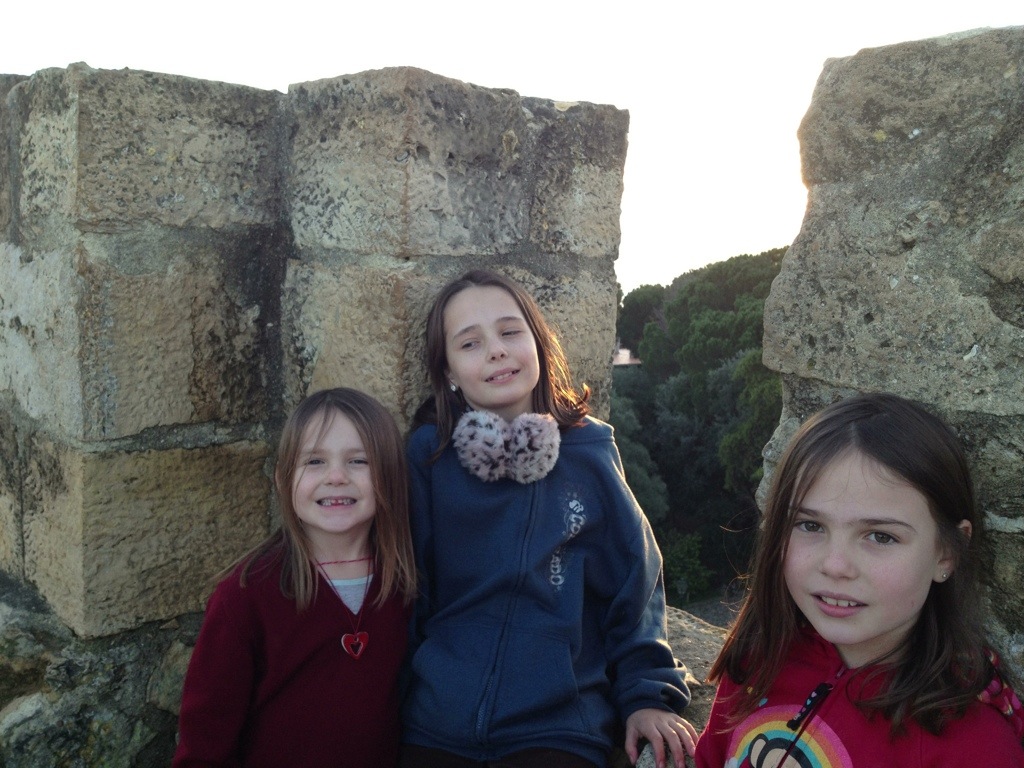
everyday castle
their intrigue piqued on Lisbon
view held in Christ’s hands




everyday castle
their intrigue piqued on Lisbon
view held in Christ’s hands
what i wanted to write
in my semi narrative verse
aspens like shooting stars
on my ears and neck
connection to world
momentarily cut
as we walk along citahdel
stone covered path
as we carry three girls
on our backs up the hill
before stopping for iPhone
photo without full moon
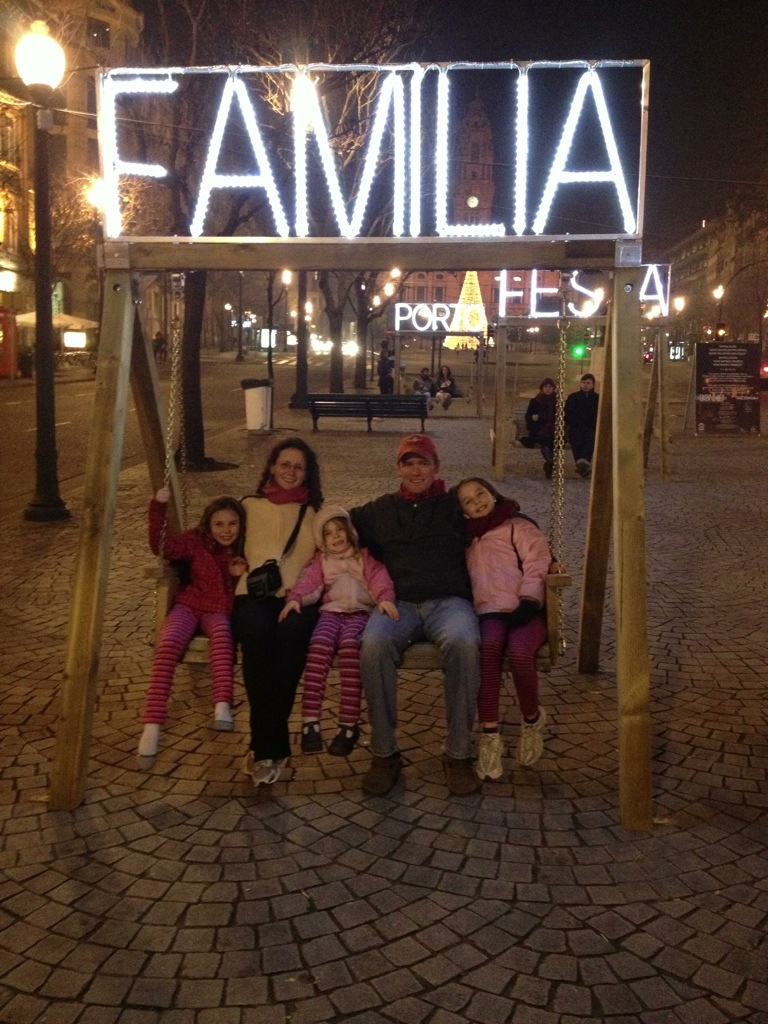
perfect Porto tree and cathedral
what i wanted to say
in my spanglishportuguese
is that love comes forth
in more colors
than the rubio golden lights
of a stolen Christmas
that i could never
with merry words
whisper across the table


To clip your shoes into these pedals, you’d better take that fear you’ve carried around all your life and bury it at the bottom of your heart. It will pound against your chest in a rush of adrenaline stronger than the blinking red light that lines your helmet and warns every car in town that you are on your way, that you will circle into that roundabout with death at your wheels, and that they’d better yield or someone’s getting fucked.
To clip your shoes into these pedals, you’d better keep your mouth closed and your mind open. You will have to stop every few hundred feet for a pedestrian who jolts out between cars, for a light that intermittently changes to red but only for one direction of traffic, and for a society that prefers feet on the ground over feet inside cycling shoes. You may think that the road rage of your previous life has a presence here, but your language is too foreign for their ears to comprehend, and your Americanized version of right-of-way will never fly with this set of Spaniards.
To clip your shoes into these pedals, you’d better learn how to ride the wrong way on a one-way street. Forget smooth sidewalks or bike paths–they are filled with sneakers and strollers. You will need the road at your wheels, your heels, spinning beneath those pedals in its smooth, cracked, gutter-ridden, bus-polluted, fountain-lined surrealistic view of life.
To clip your shoes into these pedals, you must recall your numbers. They will blend together like the apartment buildings, pisos, escaleras, and disappearing miles on a bike computer that has been jolted out of place from so many lockings and unlockings, so that its measurements are lost along with the trail of tears that has carried you across the sea.
To clip your shoes into these pedals, you must forget all the reasons that brought you onto this route and remember all the reasons you will ride your bicycle back home. You are not commuting. You are not joy riding. You are, with every wintry breath you pull into your lungs, the same person you were when the seedling of this cycle first sprouted in your heart.
To clip your shoes into these pedals, you must be yourself. The cyclist. The fanatic. The mother, the teacher, the lover, the poet. All of these rest along that metal incision at the bottom of your shoes, tightened with expert tools, holding you to that magical piece of machinery that is everything you are, have been, and ever will be.
early morning dark
we part with unanswered moon
new day hope awaits
history beckons
brighter than a ship’s home flag
Españalution
the wallet declines
what Señor Pérez offered
why some tell us no
words cannot define
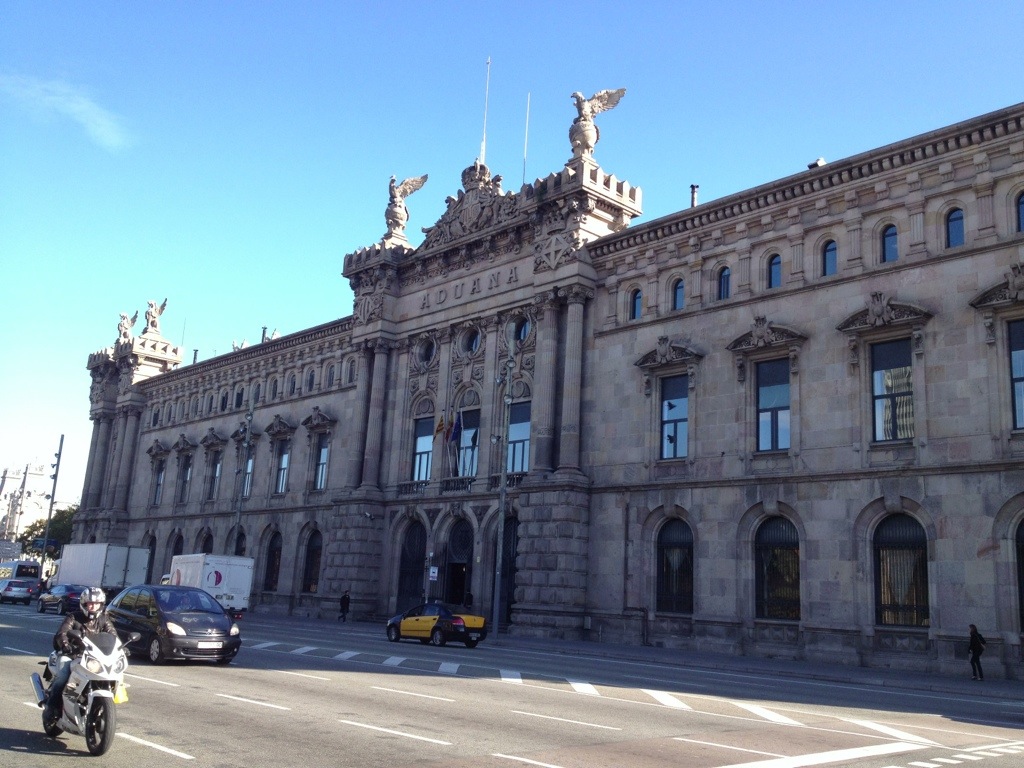
Barcelona’s blue sky view
man made God-loved art


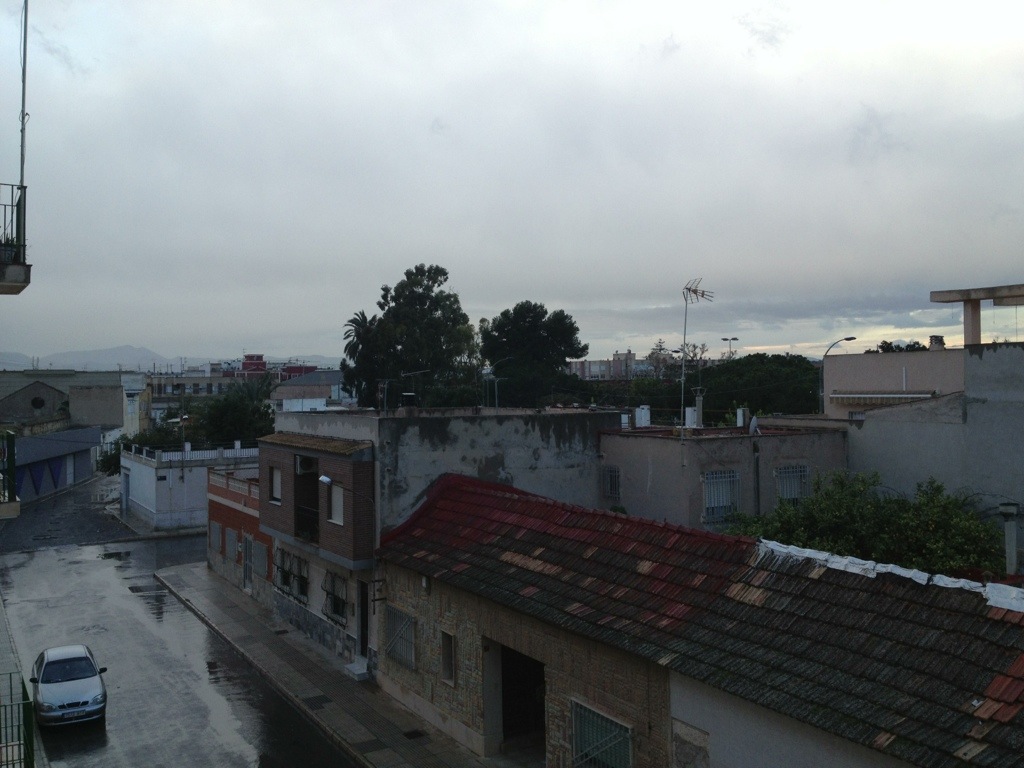
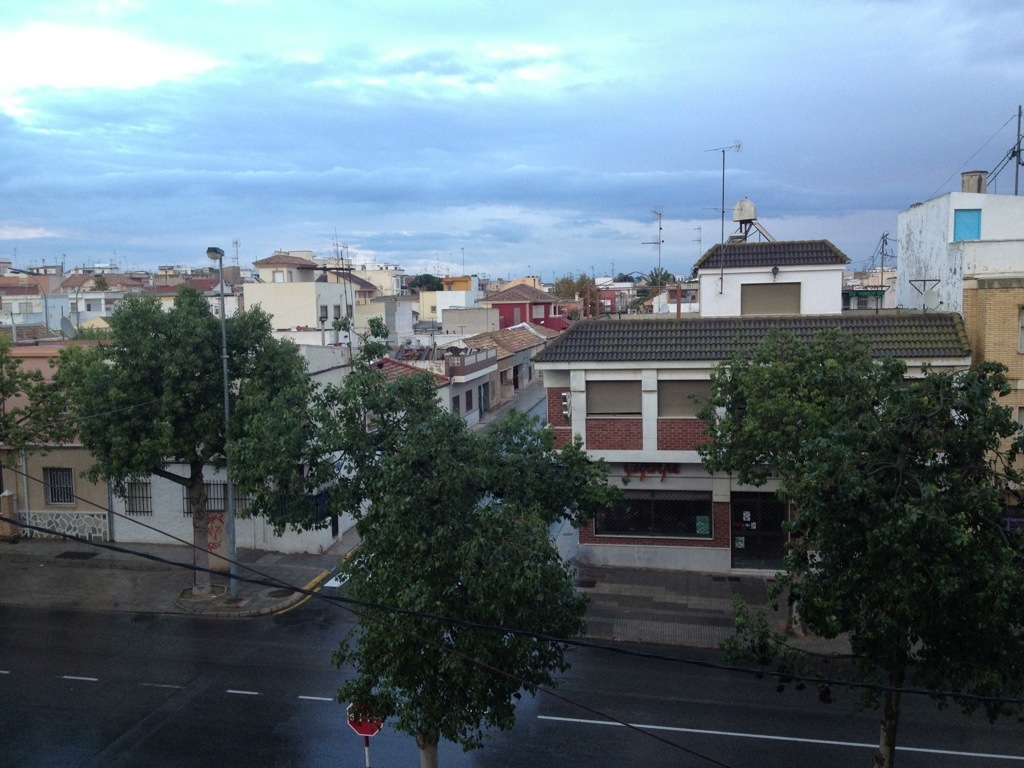
The view from my window is not quite the beauty I imagined, years ago. It didn’t come with a famous creative writing disclaimer: “This isn’t good enough!” It is streaked with bits of cloud and greasy rain that clings to the single panes in a mockery of winter.
Red tile roofs? Can I have me some Spanish red tile roofs? If I squint, and look several blocks down from my level three piso, I can see a few, scattered just as intermittently as the palm trees in this on-the-fringe, immigrant-ridden neighborhood.
Instead? Run-down row homes, cracked walls along a courtyard aching for maintenance, its sad sprouts of wishing-to-flower plants drooping like withered beans in the midst of a seasonal downpour that they were not prepared to encounter. The street bleeds with life from the early hours of the morning, first with traffic on this central artery leading to downtown, and then earlier in the morning with partyers who linger like plaque along the corner capillaries, trying to sober up after visiting the nightclub down the block. Painted-white aluminum Persian blinds block out most of the windows in my view, their attempt to trap in warmth and keep out the evils of a steady rain as pathetic as a surrender flag held up by a villain still holding a knife, ready to strike.
The inner courtyard speaks a slightly different story. Yes, the rain has reached here too, but with a different set of fingertips. It drips from the metal clothes racks, the nylon lines, and soaks through freshly-washed laundry, its pungent smell, aching of wet sidewalks and age, present on t-shirts and pants when, hours later, we will lay them out in front of the tiny space heater, homemade dryer number two, to force them wearable. But the courtyard itself? It sings with craving-for-rain plants from our neighbors below, with the chirping of caged birds who share stories with our whistles, with the clinking of plates from the sacred three-p.m. meal.
The view from my window in this small city in Spain is not what I thought it would be. There are no waves, no clear vistas of mountain peaks, no perfectly clipped palms to remind me that I live in paradise. So it is when we imagine our dreams, too perfect for their reality upon accomplishment. But as I rise this morning to rewash our rain-soaked sheets, to sit under layers of blankets with my hoodie on, my hot Macbook keeping my legs warm, my youngest popping out of her bedroom to share my covers, the clouds retreat, a quilt of gray tinged with the pink perfection of a late-morning sunrise, and I know, despite the tainted view, that this is still my home.

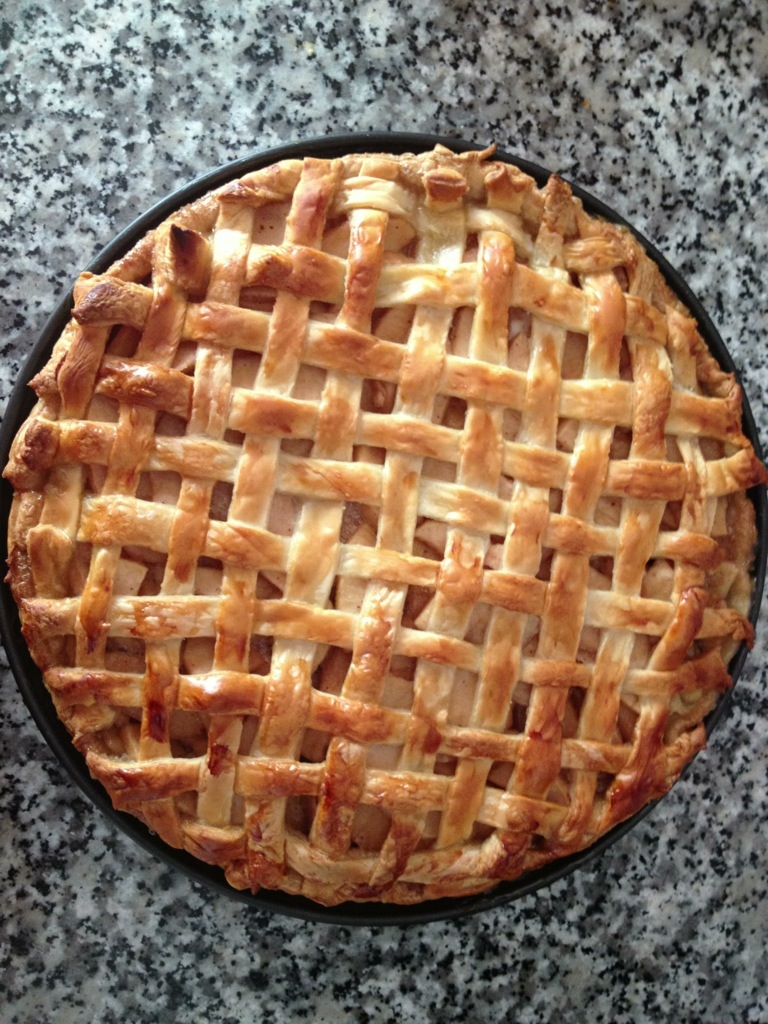
I have this apple pie recipe. It is almost as good as my brownie recipe, perhaps a bit better, because it is so time-consumingly tedious to make that its appearance on our table occurs twice, perhaps three times (for extra-special people or occasions), a year. The recipe begins with a crust that is both sweet, flaky, and crispy. The bottom of the pie is lined with a pastry cream so thick and delicious you’d wish you had a bowl to scoop it out and eat it with a spoon. Of course there are apples, the apples of my youth, Granny Smiths grown on the Western Slope of Colorado.
I think about this recipe today as I lay out the refrigerated pie crust on my small Spanish counter. The recipe sits in the room in the basement of my house back in Colorado, the room that hovers like a ghost in the attic of my mind. Ten by ten. Green carpet. One tiny window. All the junk, from sleeping bags, toys, a television that’s not even ours, to cups, magnets, and recipes, that we couldn’t bring to Spain.
Here we are, three months later, living our lives without these things. Without the books I’ve collected for my girls in my ten years of being a parent. Without the tent we would never use. Without my favorite coffee mug, fifteen years back bought at Christmas from Starbucks, Van Gogh’s Starry Night a blur of beauty on my early mornings. Without my recipes.
We have had a functioning oven for two days. I was planning, until now, to let slide my favorite holiday, to give in to the holidays of Spain–the next saint’s day, school break, or puente, and forget that I look forward to Thanksgiving for the whole year. After all, how could I bake a pie without an oven? Without my recipe?
As all things seem to work out in 2012, life of Karen Vittetoe, the oven arrived in our lives just in time. I could make my pie, we could make our Thanksgiving dinner, but at what cost? Moving here, our kitchen contained many items, but not a pie pan, a roasting dish, or a 9×13 baking dish for brownies or candied yams. They don’t sell pure vanilla extract in stores; rather, aroma of vanilla and pure vanilla bean; the combination of buying cocoa, the varieties of vanilla, and chocolate chips, of buying two baking dishes and a pie pan? Our spending money for the week is demolished. Not one penny left for a rolling pin that, perhaps, will never be used again.
So this is why I’m crying now as I lay out the rectangular, store-bought pie crust, as I cut it into strips to make my lattice top, hopefully creating the appearance of beauty for my sub-par pie. The crust is malleable, easy to stretch, more perfect than I could ever have mixed together myself, and yet I despise it. It will not be mine, just as the holiday that has already past is not mine.
Yet, somehow, as my girls will in a moment burst in from their school day, see the piles of leftover crust and take them into their small hands, scrubbing the bottom of the apple-cinnamon-sugar bowl with delicious bits of crust, just as I did when I was a girl, I know that my pie will be fine. It may have an imperfect crust, but it will be just as beautiful, taste just as amazing with its lining of pastry cream, the Spanish apples brought down from the north, and the sweetness carried across the sea to Europe for a holiday that is the same in every language.
For the month of November, I have been watching as many of my Facebook friends have posted daily things in their life that they are grateful for (their family, their memories, their ability to communicate with people from all over the world), all leading up to my favorite holiday, Thanksgiving. Why is this my favorite holiday? The most obvious reasons, of course: I love homemade meals, baked goods, and the idea of a celebration being based on gratitude. But most importantly, despite the dark ghost of Black Friday that hovers over this holiday like an evil villain of consumerism, I love the fact that Thanksgiving, in my opinion, is the only holiday in America that is NOT influenced by capitalism. Unlike Halloween (I learned this year, upon making a Halloween PowerPoint for my students in Spain, that the average American spends $72.50 on Halloween items, totaling $5 billion!), Fourth of July, or just about any other holiday where special decorations, clothing, or fireworks flood the stores, Thanksgiving is happily neglected by consumerism due to the impending need for stores to stock up on Christmas hopes (yes, if you thought Halloween was bad, we spend $704, or $50 billion, on Christmas!!!).
But I digress. I, like most of my friends, do see the true importance of Thanksgiving, the root of the word. Regardless of the shady, inaccurate history of this first American holiday, the ability to express the gratitude that we often forget in our day-to-day lives is not lost on me as Thanksgiving approaches.
This year, living abroad, I am more grateful than ever for what I have in my life. Coming to Spain meant sacrificing more than I ever imagined when, one year ago at about this time, I made the decision for us to take this journey. Giving up our home, the most perfect job I’d ever (and probably will ever) have, having to say goodbye to friends who we may not see much of ever again (as our return to the US will depend on where I find work), and being away from our family has been much more difficult than I could have fathomed as I dreamed of learning Spanish, traveling through Europe, and finally fulfilling a lifelong dream.
I woke early this morning, well before my alarm, before the busy street that runs along our apartment filled with the sounds of weekday traffic. I came into the hallway and started to work on the computer while I ate my breakfast, and soon I heard my two youngest daughters rise and quietly begin playing an imaginary game with the 6€ set of cars they bought with their Ratoncito Pérez (the Spanish version of the Tooth Fairy) money at the Chinese store. The sound of their voices creating characters, witnessing love and abandonment, Riona’s small chirps of laughter and Mythili’s authoritative recommendations about car placement and car-jargon dialogue, filled me with warmth.
Coming to Spain, for my girls, meant giving up nearly every toy they owned, nearly all of their books, and making do with what we could fit into their suitcases or afford to purchase upon arrival, which hasn’t been much. Just like I have learned a new perspective about everything related to culture, education, and language, they have learned a new perspective about how to play.
So this Thanksgiving, which is just a regular working day for me where I present my Thanksgiving PowerPoint to Spanish students who know little about the holiday, where I will spend my evening pedaling across town from house to house earning every euro I will need to buy food to put on our table, I am grateful for perspective. The perspective that would be the same had I stayed home, and which has changed exponentially with this experience. The perspective that allows me to be ever so grateful for what my country provides to its citizens while at the same time taking pleasure in the simplicity and family orientation of the Spanish culture. The perspective that gratitude, whether read in faraway posts or spread through heartstrings on a quiet Cartagenian morning, can follow me wherever I go, can be a part of who I am, and can make giving thanks on this day that much more meaningful.
It is no small irony who appears at our door for Mythili’s birthday party. We had warned her beforehand of the possibility of no-shows, and I want to gulp back my inadequacy as a mother. I am not there, I hear myself saying, to chat with the mothers on the sidewalk as they smoke cigarettes and hover near their cars after leaving you at school, to ask, “Can your daughter come to my daughter’s birthday celebration?”
I wonder though, in all honesty, if my schedule didn’t bear down on me, if I had all the time in the world, if I’d even dare for a moment to participate in conversations whose language I barely understand.
So let me put it frankly. The only child who rang our bell appeared with her mother and younger sister, head wrapped in a scarf. No, not the mother, the this-must-be-a-Moor mother. The baby sister.
It wasn’t until hours later, when she stood in the quickly-darkening hallway, the same small girl in tow, that I remembered: this is the girl and the mother I saw disembarking the ambulance in the rain the other day, my frenzied walk home interrupted by the sudden heartbreak of a scarf-wrapped head on a child too young to know this kind of pain.
“Fatima’s sister doesn’t go to school, we don’t know why,” the girls tell me when I inquire about the girl’s age, whether the girl is in Riona’s class, selfishly thinking of my youngest who has the greatest difficulty making friends.
Of course she doesn’t go to school. Her mother, from Morocco, the one who doesn’t speak Spanish? The one who, upon a singular invitation by Isabella has sent her daughter daily to our door for my barely-speaks-Spanish daughter to help this poor girl with her Spanish science, religion, and art homework?
It is no small irony that she is the singular invitee who appears at our door for Mythili’s birthday party. An outcast, a Moor, a Muslim. The epitome of the pitiful look I encounter when I mention the name of the school my daughters attend. Never mind that the Moors settled this land hundreds of years before the Christians, that the glamorous palace people travel thousands of miles to see in Granada is actually of Muslim architecture, that the very name of this city I live in is a blend of Moroccan “Carto” and Latin “Nova.”
When her mother buzzes our bell to collect her child more than an hour after I suggested the ‘party’ would end, I want to speak to her. I want to pull the small child standing next to her into our apartment, to spew out a slur of welcoming words, to let her know that her daughters could appear here any day of the week, that we would welcome them faster than the public healthcare system they traveled across the sea to access, that we are not Christians, but have the heart of Christians.
But, as usual, as the hallway light, on its perfect timer of impatience, flashes from brighter-than-we-can-handle to complete darkness, all I can say is, “Pasa, pasa,” gesturing to our small hallway crammed with our grocery cart, a table, and my American, Chinese-made bicycle, as her daughter gathers her coat, puts on her shoes, and takes in hand the three balloons on Chinese-store sticks that my girls have portioned out for her.
They leave without a proper exchange of words. Without me thanking them to the fullest extent, without their ability to tell me what they wanted to say. A perfect summary of the past three months of my life.
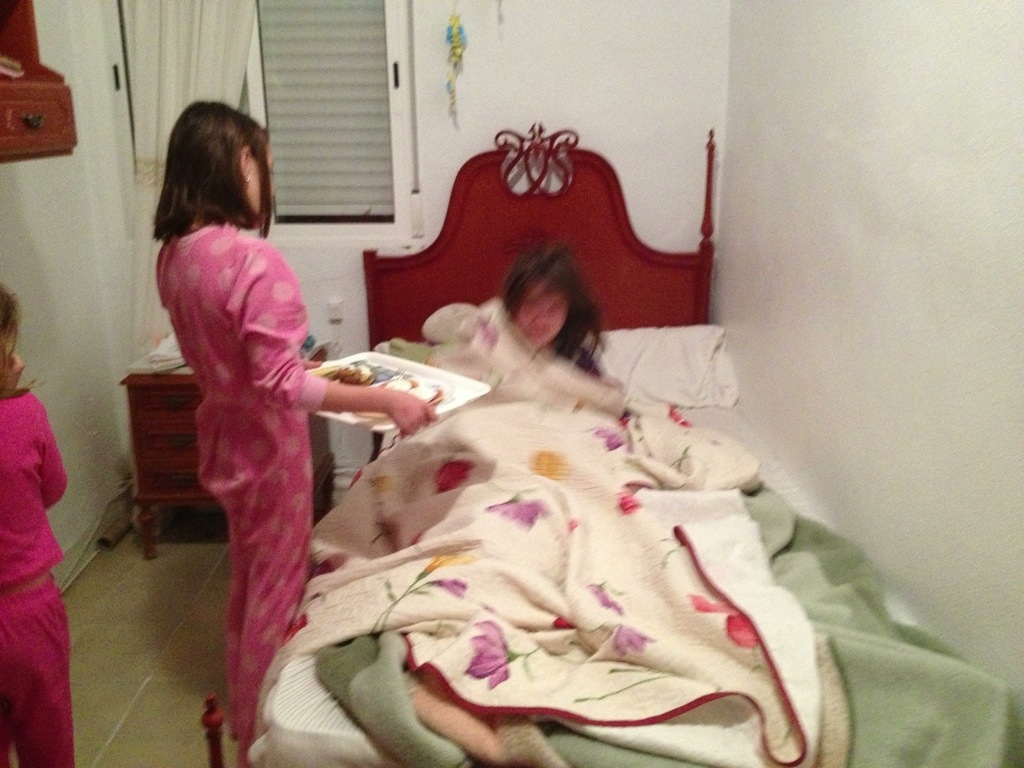
breakfast tray in bed
craves the words more than the dolls
can’t believe she’s eight
wash, treat, cut, and style
nine euros, Spanish freedom
tangle-free curls bounce
café con leche
warm enough to sit outside
a gift of a date
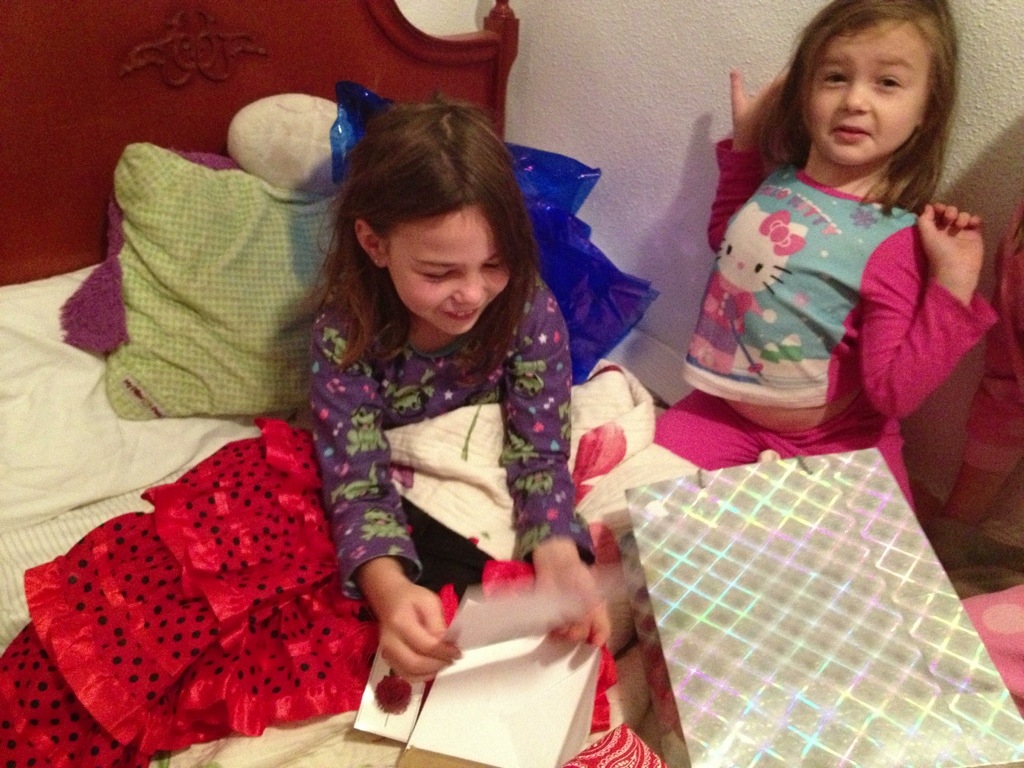
Hello Kitty wrap
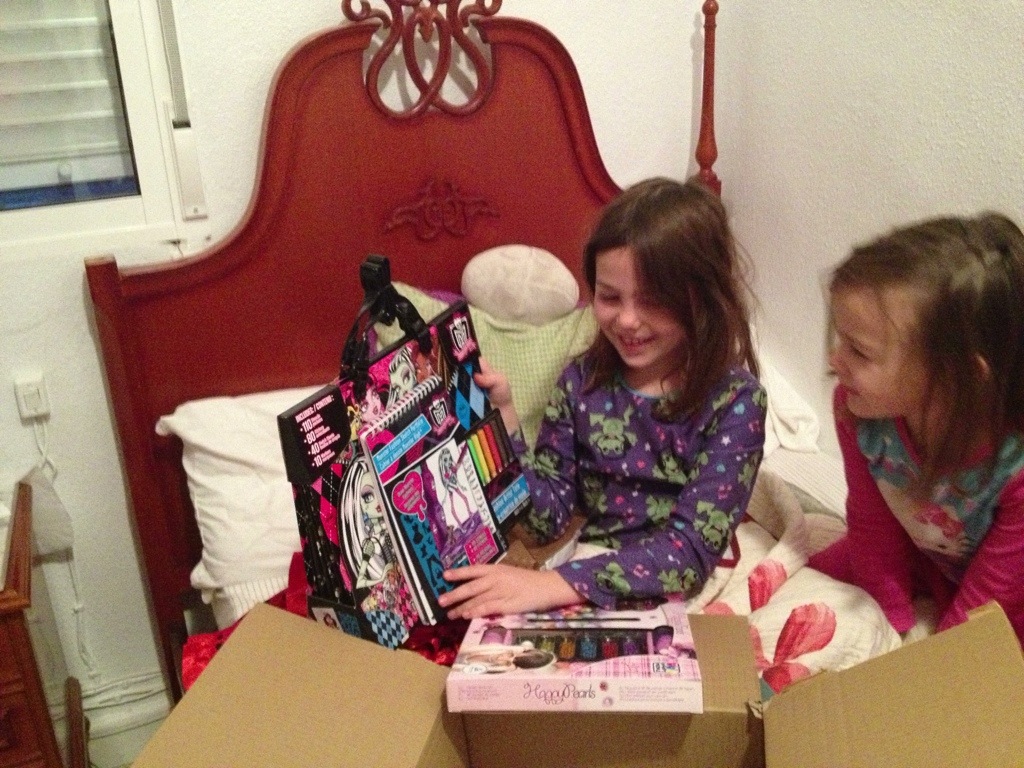
princess receives surprise gift
art set opens warmth
one hour together
my time with them so precious
color in our dreams
pedal click in, out
first forget purse, then helmet
next will lose my mind
home to hot shower
never mind the broken door
day is wrapped in love






i share your words,
i listen to happiness,
to discontent that carries
across the ocean.
but you, but i,
am interrupted
four days of clouds,
towels and pants
making hallway maneuvering unmanageable,
the sky breaks free
and we have ourselves a sunny day
we walk along our crowded street,
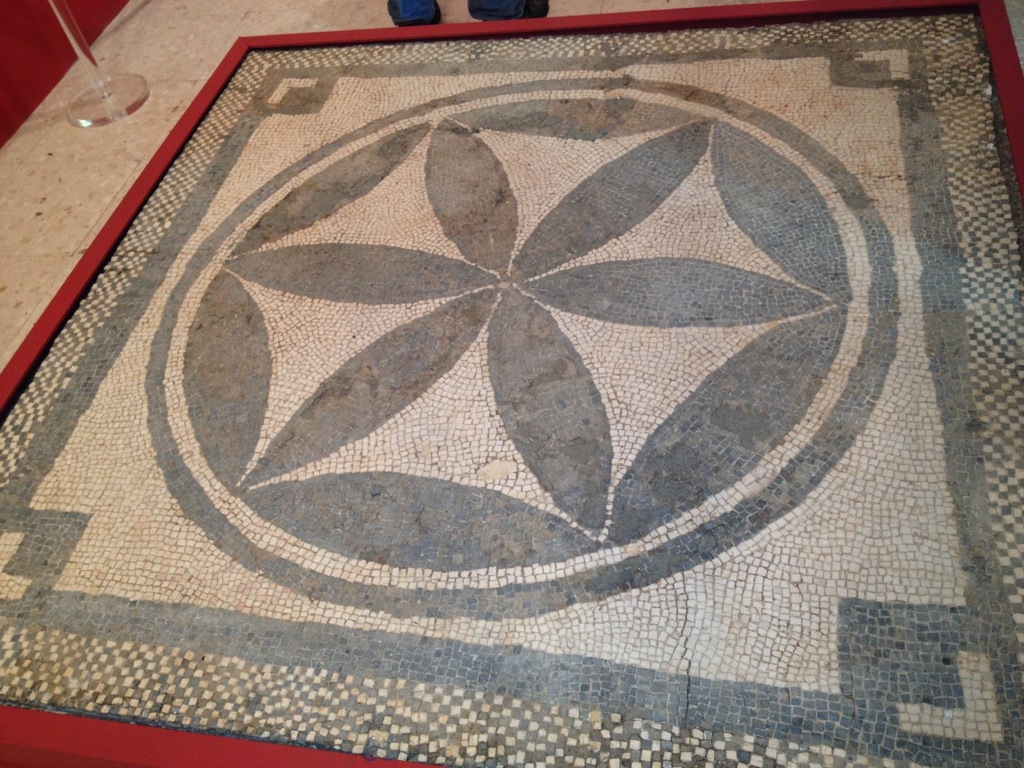
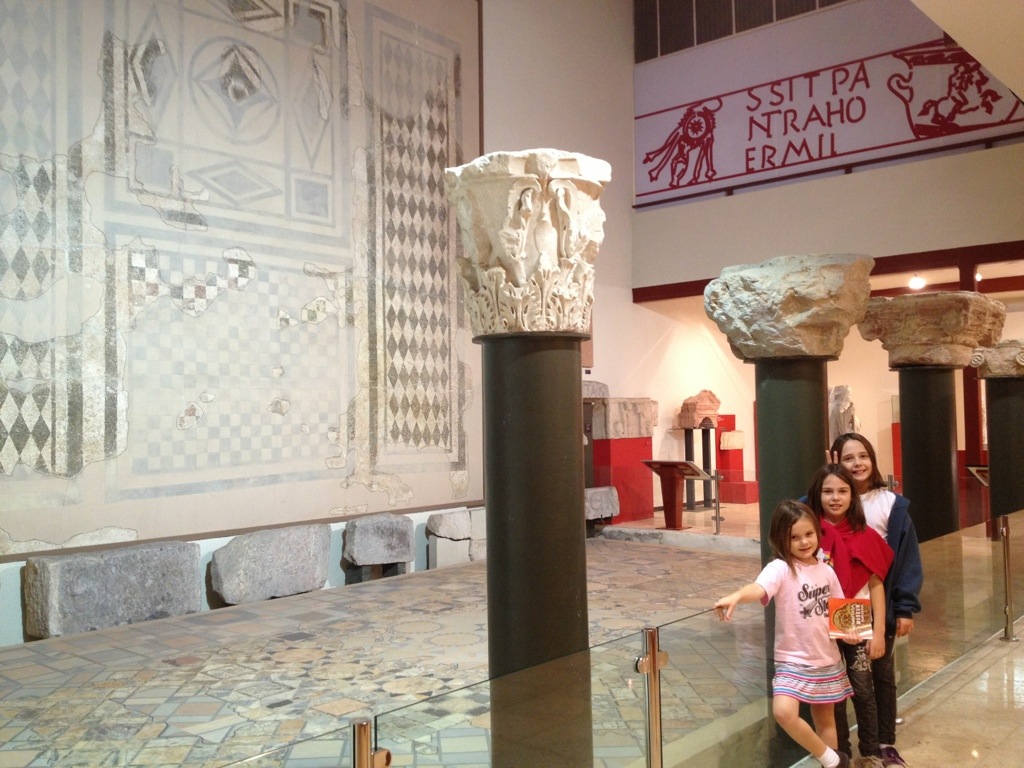
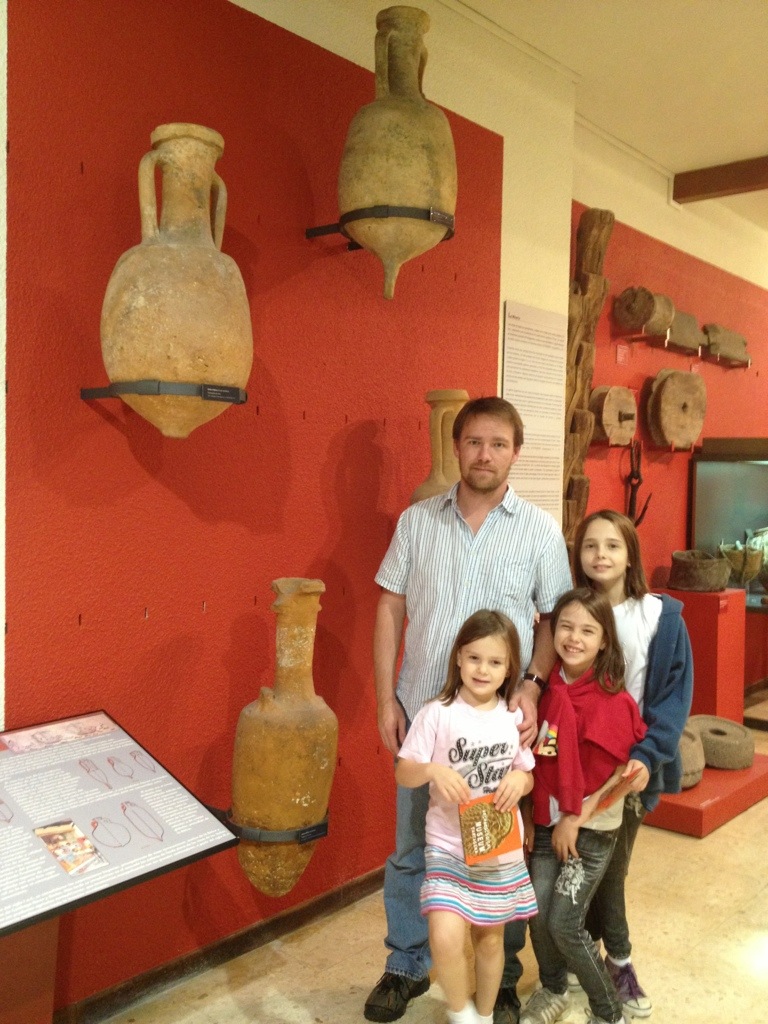
stop at the museum
that creeps Isabella out,
that brings out
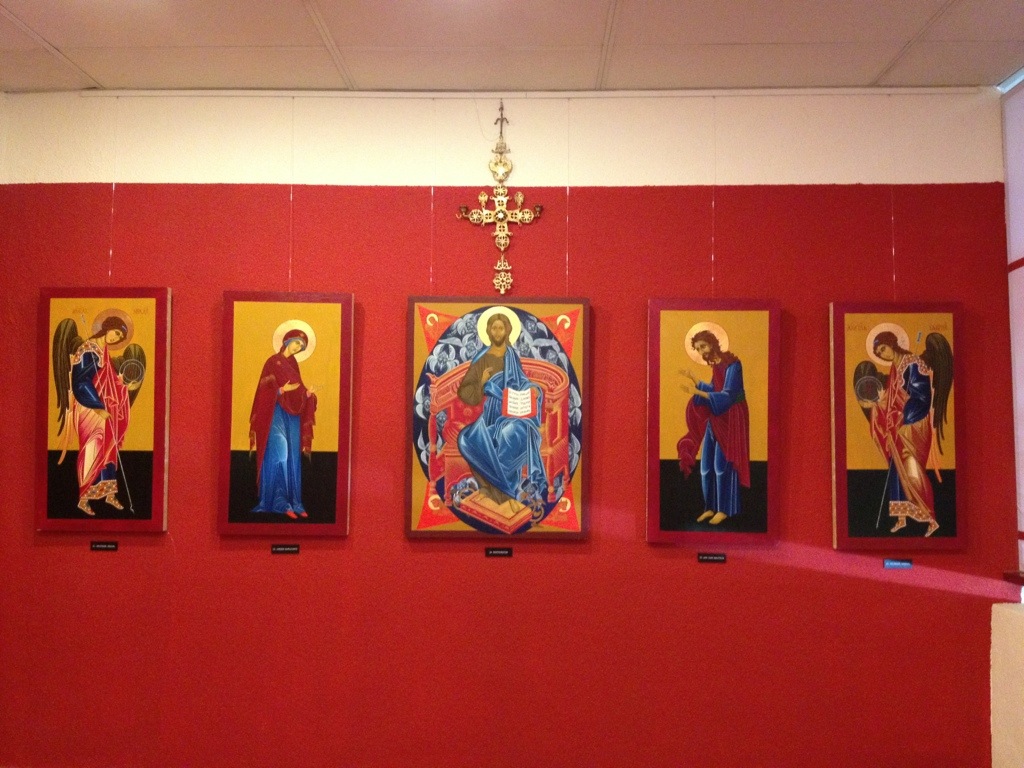
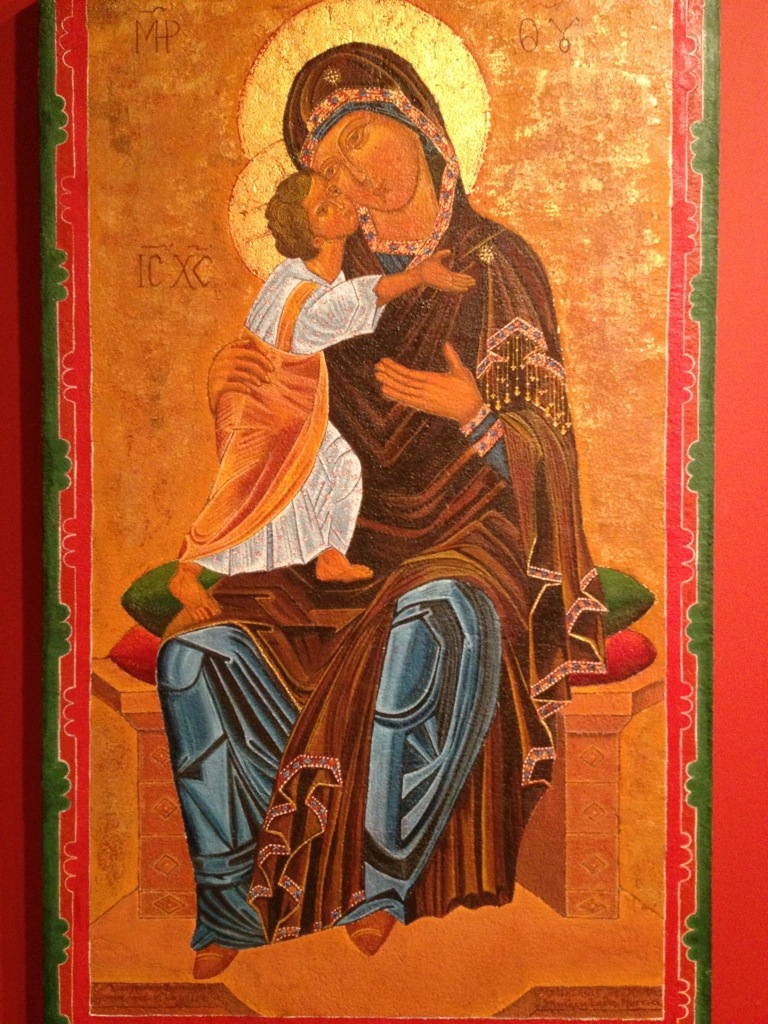
your Byzantine God
(i take pictures of all but the mummy)
the store beckons
our grumbling stomachs
where we find cheap pastries
and German beer,
making everyone happy enough
for a quick bar stop
my girls play in trees,
scattering flowers along the
“aisle” of their wedding,
become petulant when
boys from their class arrive
and beg to play futbol
on their perfectly decorated locale
your words follow me through the day,
so long lost over weeks, months,
the venting disgruntlement,
the loving goodbye,
just as if i stood in that
hotel hallway holding your hand,
as if i weren’t here
hearing only the Spanish version
of everything i needed to say


 Step Write Up