yesterday we learned about sod
and homesteaders’ dreams being trampled by wind and hail and no water
and how they were tricked into
settling on free land.
nothing is free.
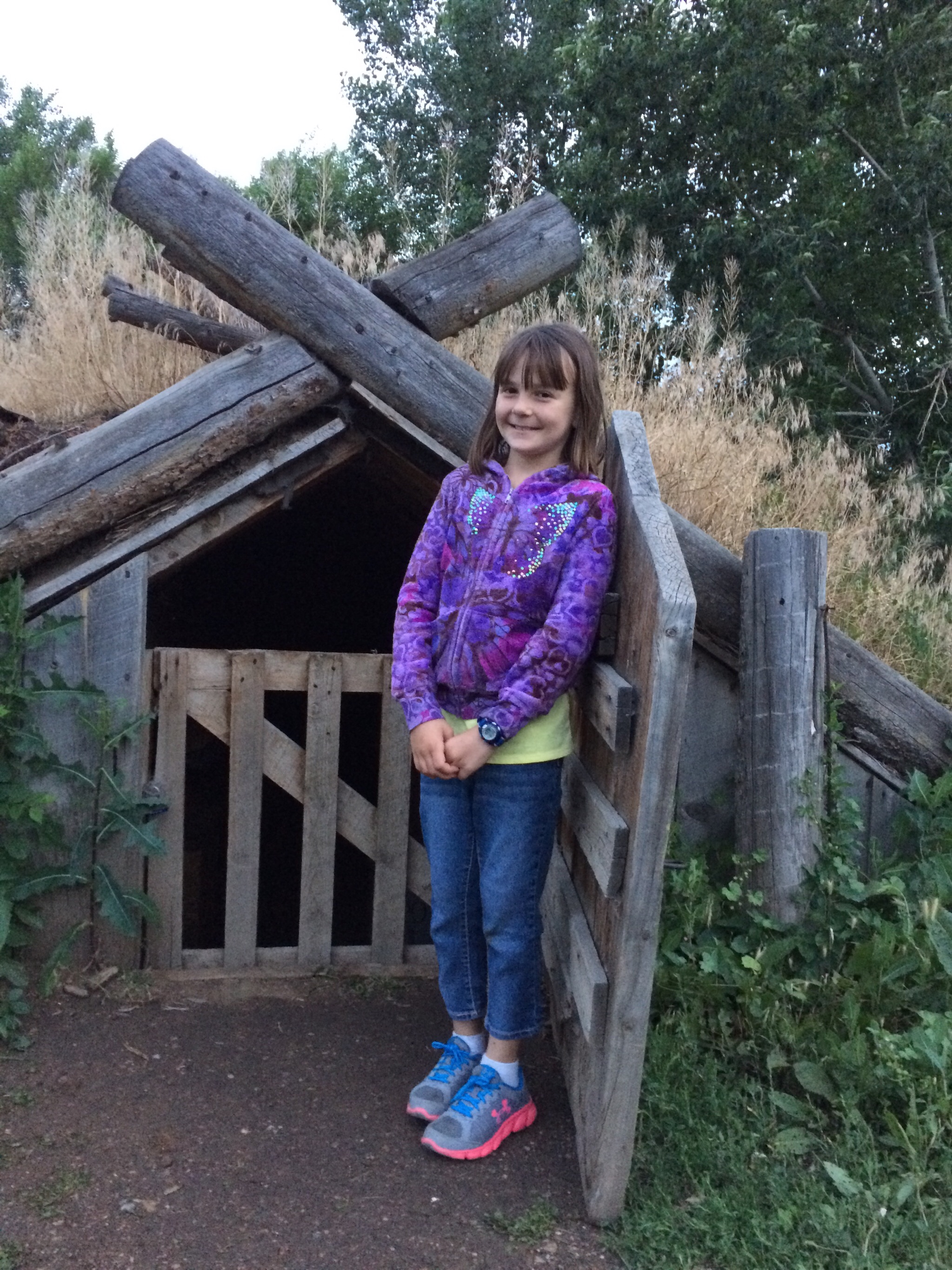
how they built brick by sod brick–
tiny houses not much taller than themselves,
and posed in front with shovels on the roof,
no time to take them down for the picture–
for what if it rained, or a snake crept in?
yesterday i thought i was a teacher,
and they were learning from me,
my immigrant students building up their vocabulary
brick by decoded brick.
nothing is ever what it seems.
today they entered and i asked them to write:
describe challenges when you moved to a new place.
and with the new words fresh on her tongue, she told me:
just like the homesteaders,
my family had to move to a new camp
and my father had to build a sod house,
no taller than that one in the picture.
and so my student taught today’s lesson:
one hundred fifty years later,
we are still making bricks
instead of trying to break them.
teaching
Map My Classroom
if you made the choice
to love and welcome, not hate
the world would change


Why I Teach
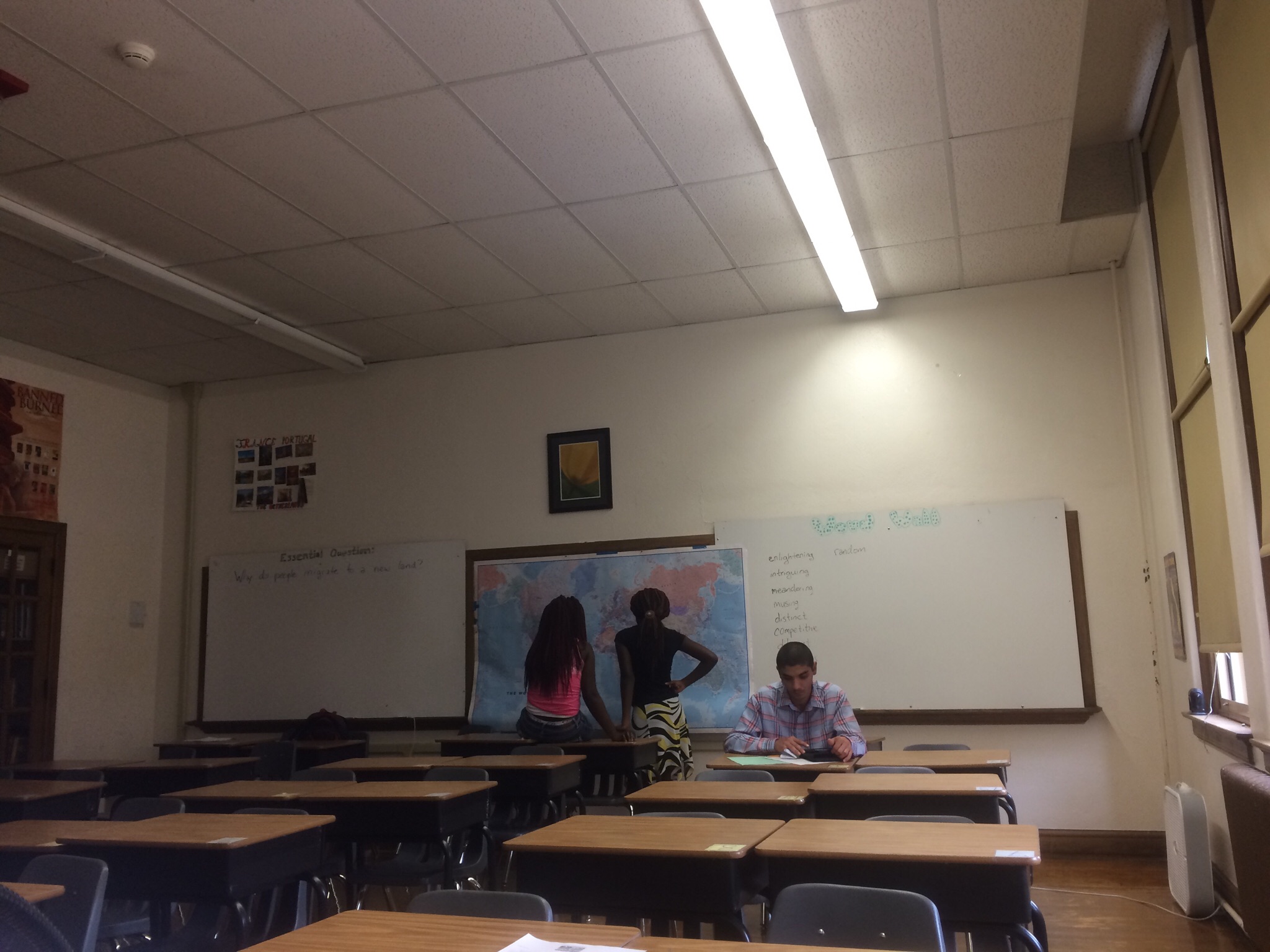
sometimes all it takes
are some quiet lunch moments
to feel it’s worth it
Day Twenty, Road Trip 2016
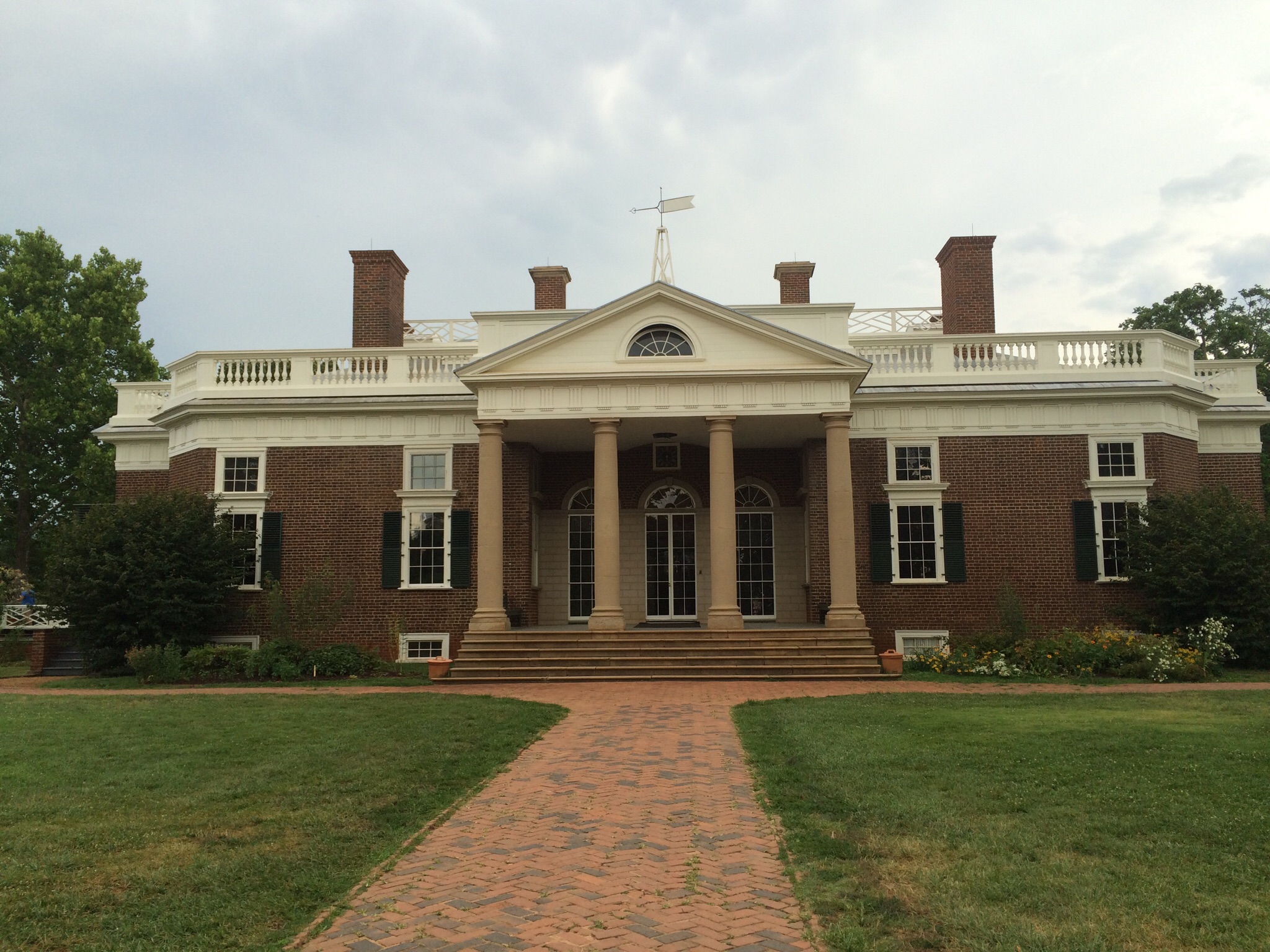
in the man’s big house
they built him a three-room suite;
his children lived here:

remnants of slave life:
hard-hitting and far-reaching
(Black Lives Matter. Now?)
they dug up red clay
to lay every brick … by brick,
by breaking their backs

his famous status:
founder of freedom, writer
(declared our country)
brick by brick by brick
he laid his lies and kept his slaves
and wrote our future

and we swallow it
and throw coins at his gravestone
and try to forgive

they all shared this view–
from the big house; the slave house;
the land formed by God

and so we move on,
brick by brick by road by road
to see its beauty
Roots
history’s learned best
when you can see it firsthand
in a child’s eyes
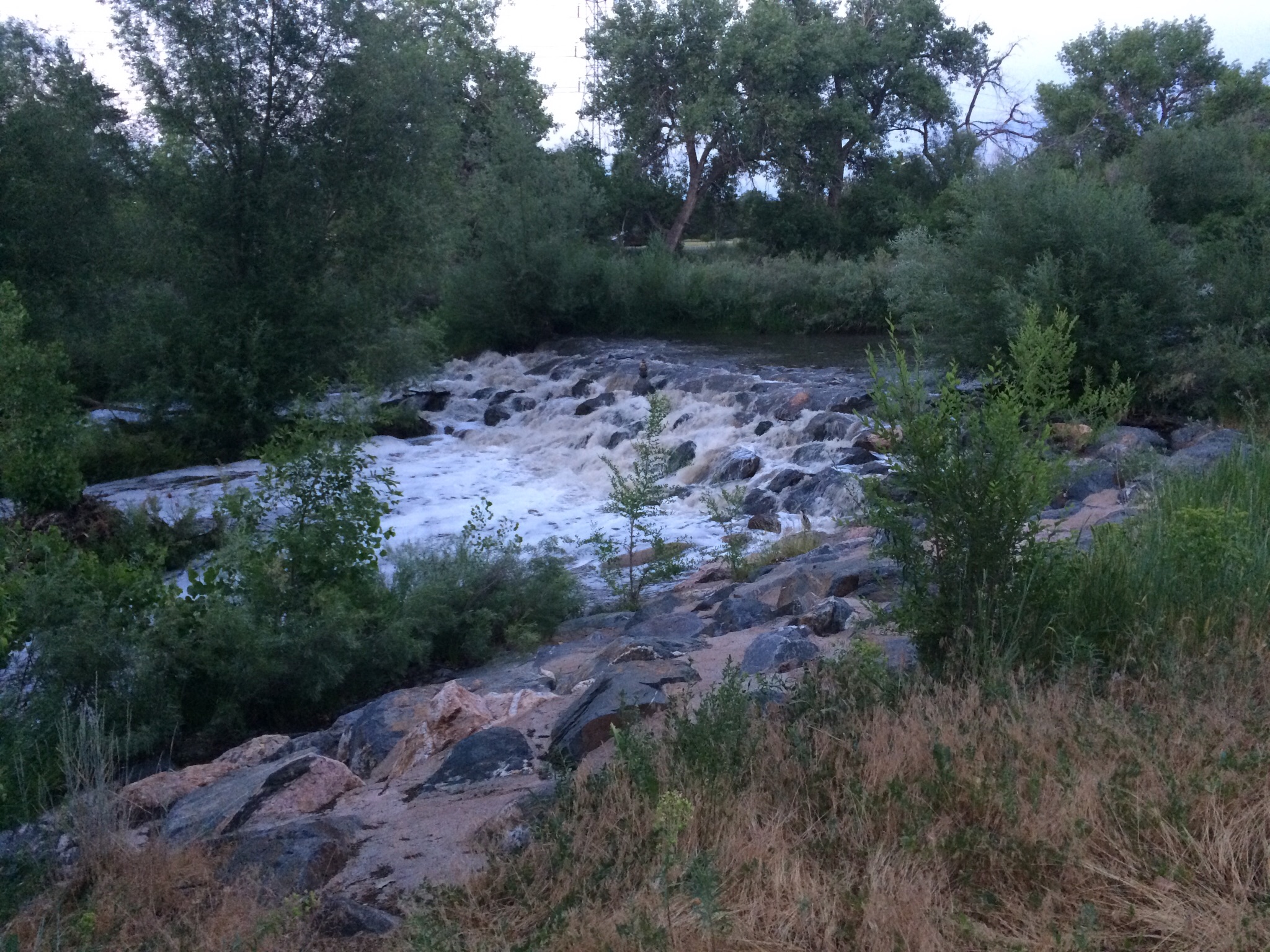
Summer Wash
just in time for me:
home visits and meetings done–
rain, clean out this heat!
let summer begin
with a fresh layer of green,
a rushing river
an evening walk
through gardens and mysteries,
a dream awakened


Working Class Motherhood
a guilty mother:
the only kind i can be
as a working one.
Behind the Curtain
We drive across the city and knock on doors, purple head to toe, hands full of purple pens and folders, t-shirts, and backpacks. Salespeople for the newcomers.
But we are not sales associates. We are teachers spending time on these hot June days sitting in traffic, making phone calls, driving from witnessing a midday drug bust (line of cops, tow truck, handcuffs and all), to a mansion in Cherry Hills that overlooks a forested bike path.
You can see in one day, in one drive, in one singular city, the rainbow of humanity. Rundown yards and barking dogs. Old Victorians in disrepair with living rooms that function as bedrooms, only a thin curtain separating them from the parlor. Perfect little ranches in questionably safe neighborhoods, slicked down and swept up for our visit. Fathers chain smoking and playing violent video games in a government-run housing project, shouting at us out the window before coming to the door, “What do you want?” and then letting us in anyway, telling us the struggles of how to afford a bus pass, a camera for the photography class for his daughter, of being an autistic para who was just attacked by his student last week (proud to show the bruise below his eye) as we sit in the dark room with shabby furniture and not a single painting on the wall.
“Can we get a livable wage for people who are taking care of the hardest kids?” my colleague says to me as we drive away.
And Muslims. Our last visit on this Friday afternoon. Another housing project steps from the violence that hovers outside. We walk three floors up and timidly knock on the door.
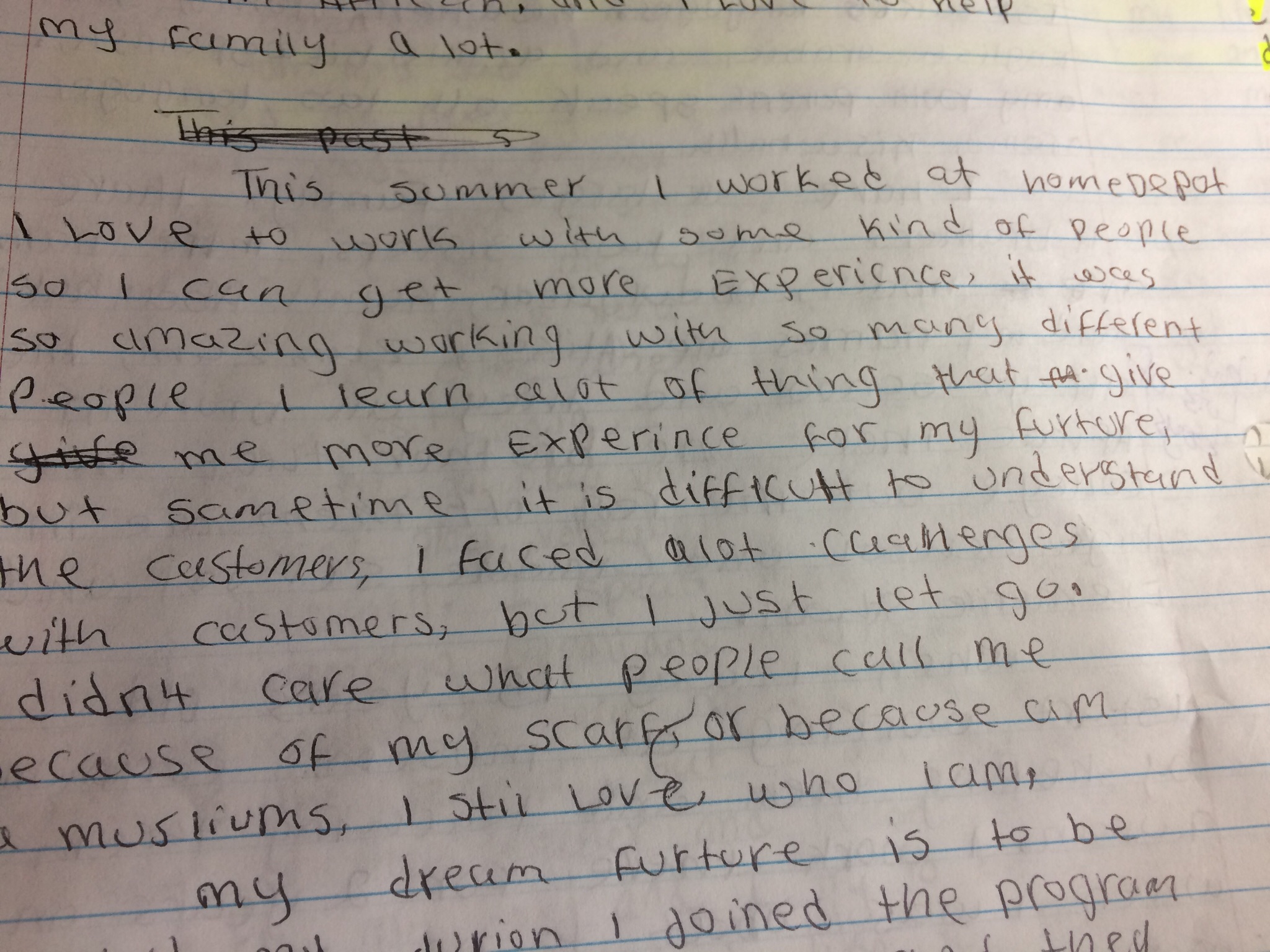
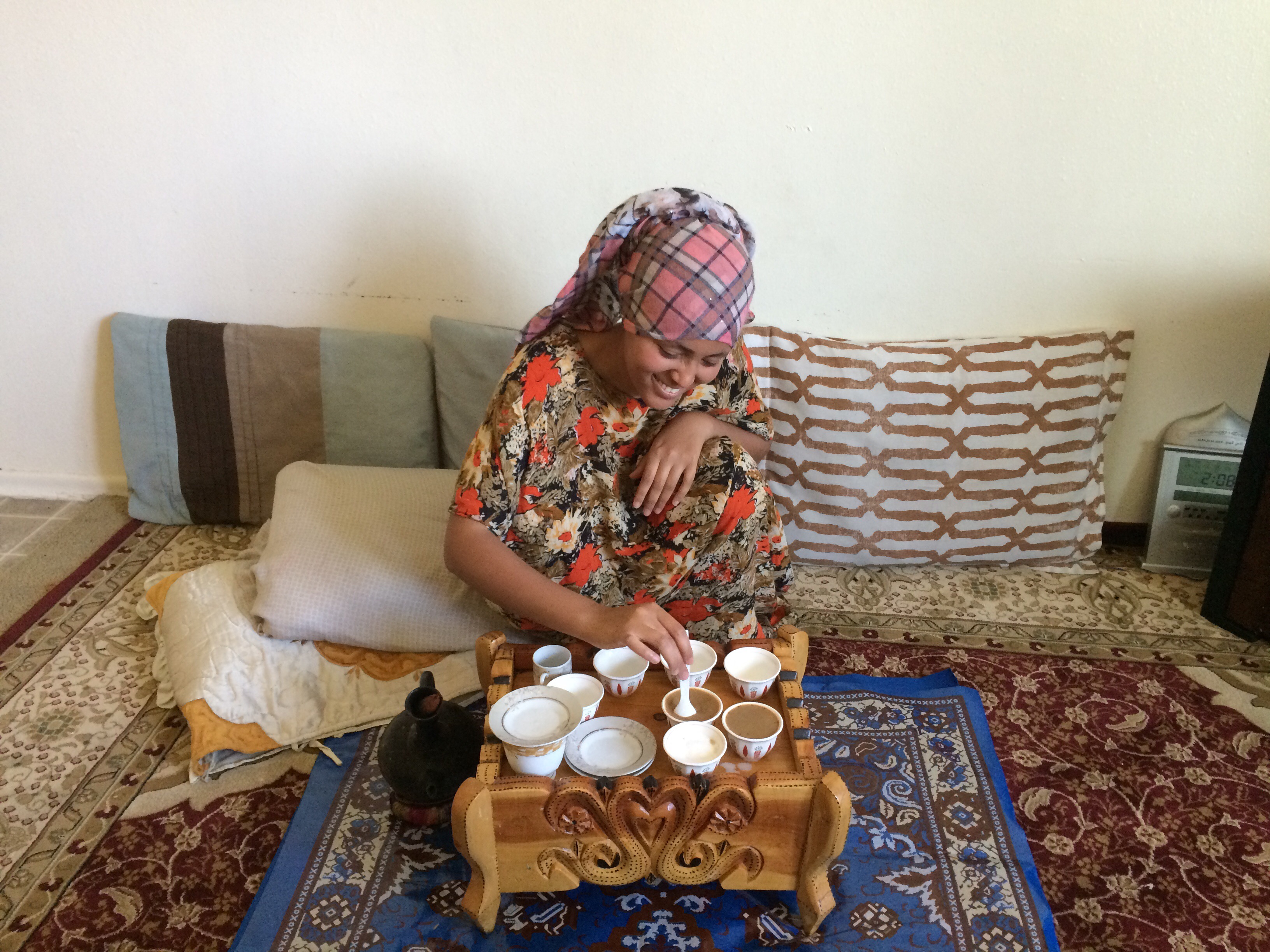
One of my students answers (her brother will be attending the school this fall–the reason for our visit), and I barely recognize her without her headscarf. We enter the tiny apartment where an Asian romance is playing on TV with Spanish subtitles, where her mother sits on the floor of the kitchen with bits of meat and spices and vegetables surrounding her in various arrays of order as she prepares the evening meal, the kitchen with no counter to speak of and no table.
We settle into the two sofas and ask about the brother while the youngest boy sneaks his grin around the corner. My student rushes into the other room and emerges with her scarf on, then asks us if we’d like a drink.
“Oh no, of course not, we’ll just be here a minute.”
“No. You will have a drink.” She disappears into the kitchen for fifteen minutes and we hear water boiling, popcorn popping. In bewilderment we look at the cheesy program on the TV and wonder where the remote is, worried that they will spend the entire summer watching Spanish-only TV and not learn any English.
The baby brother dives behind the sofa for the remote when we express our concern. We flip through and realize only one channel is in Spanish. Relieved, my girl comes in with an ornate wooden tray and perfectly polished porcelain coffee set. She pulls a pillow from the line of pillows along the wall and settles in to prepare the Ethiopian coffee. First she lays down a plastic mat, then pours in way too much sugar, adds milk and uses the brown clay pitcher to pour the espresso into the tiny cups which she places before us on the circular coffee table.
Finally her brother comes home and we pepper him with questions about high school, many of which he doesn’t quite understand. We use our break-down-the-language skills to get our point across, and my girl insists we have another cup of the glorious, smooth, sweet liquid. The heat rises up out of the air and blows in the window and the coffee is as hot as all of Africa, and better than any cup I’ve ever tasted (and I don’t drink coffee).
And this is the only house we’ve been to with a Muslim family. And this is the only house we’ve been to with this kind of reception.
They don’t even have a table. They came to this country with nothing but the shirts on their backs and probably this coffee set. They barely know us. And they treat us as honored guests.
And you can’t see this or be a part of this, in this post or in the heat of that thirty minutes, without opening your mind a little. Just pull back the curtain of your hatred, of your bigotry. Tip the tiny cup into your open lips. Swirl the creamy mixture of milk and sugar and bottomed-out coffee grains and look at that grin on her face.
You will find yourself here. You will find yourself there. In the sweet taste on your tongue, the bright hope in her eyes, the kindness that only comes from love.
Just pull back the curtain. You will see a whole new world, one without hate.
A Few of My 57 Curriculum Training Haikus
8:15
summer holidays:
curriculum training hell
for texts i won’t teach
8:25
at least we get paid
for wasted time this Monday
(planning my vacay)
9:00
psycho white girl texts
with teen serial killers:
way to start the year.
9:13
unit one: three essays?
complex texts, presentations…
for kids who don’t read
10:02
college and career:
key words to pressure teachers
to make miracles.
10:48
standards-based rulers
measure how inadequate
their understanding is
11:21
what the fuck is this?
we’re making popcorn today?
kernels are for birds
11:35
connect to their lives
teen rebellion feeds us all
and sucks life from us
11:42
i’ll catch you some notes:
a real, low-level class–
let’s try a scaffold
11:49
these questions lack hope
for virtually all our kids
we’re adding rigor?
11:53
curriculum rocks
when i write it for my kids
so why am i here?
12:47
can we read the texts,
plan together with our teams,
stop mindless bullshit?
1:42
anchor my thoughts, please:
texts are not relatable
to kids in my class
2:24 (Heinz 57)
i’m making ketchup
though it sure as fuck needs spice
just like this training
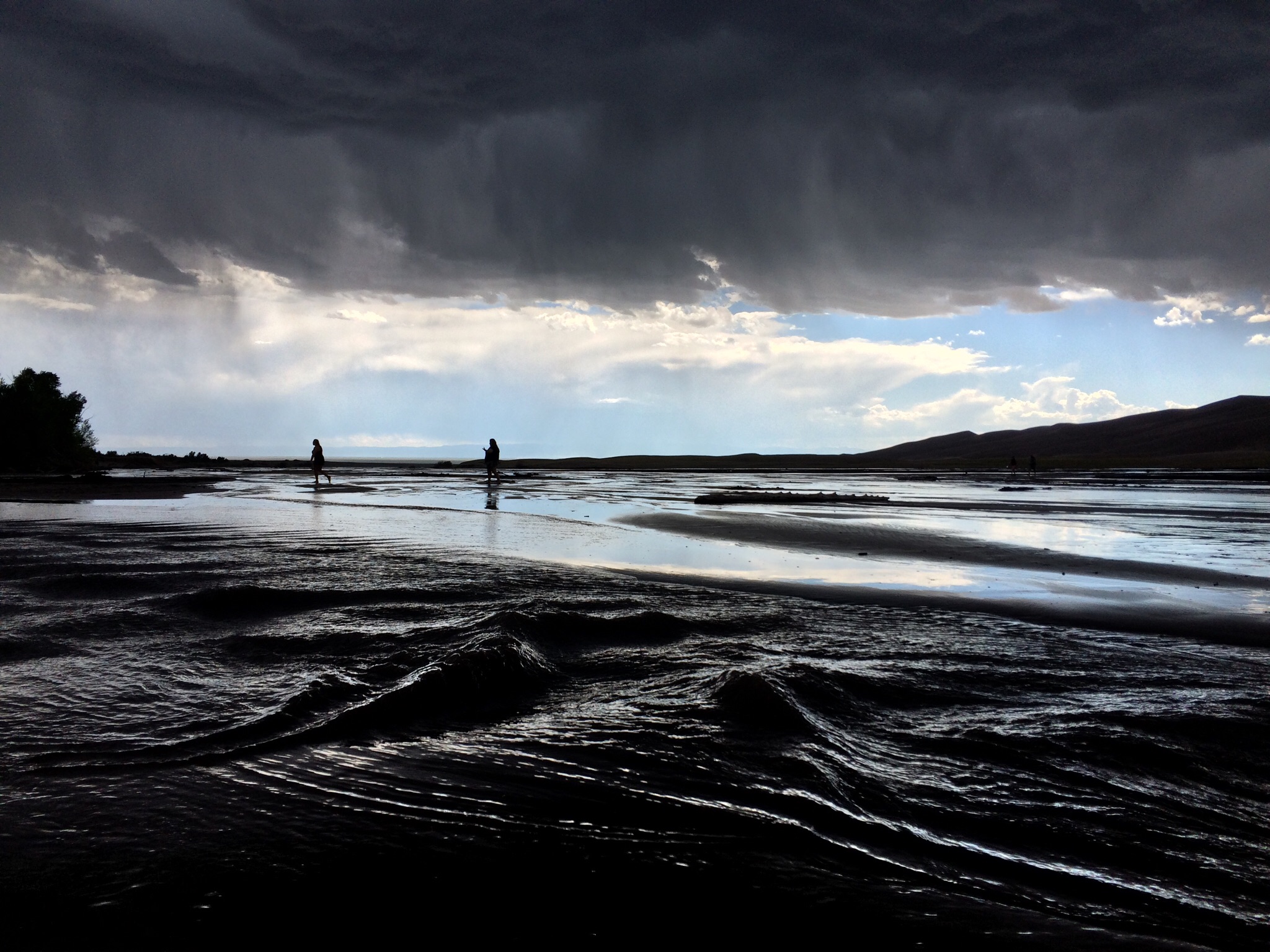
Stress Wash
all is washed away
with silhouettes over sand
in a summer storm
 Step Write Up