Migration

I tried to be an immigrant once. I failed miserably because I’m too damn American. A privileged white woman. And because it was so fucking easy just to come home after a year.

In the attempt, I cried for months. I wrote constantly about the struggle of it all. The relinquishment of our family home. The endless paperwork. The cancellation of a dream job for something that was meant to barely sustain a recent graduate, not a family of five.  Saying goodbye to the colleagues and collegiality I had shared for seven years. Saying goodbye to my family, my friends.

But it was just a farce, really. I didn’t fully fulfill my lifelong dream of Spanish fluency because I spent the majority of my days teaching English and the remainder speaking to my English-speaking family. And the money? The dream? The travels across Europe?

Nothing, I learned in those magical ten months, compares to human relationships. The relationships we’d just begun to develop with my clients, my colleagues, my friends in Spain before we had to board a plane and return to our “life.”

I tried to be an immigrant once, to step into the shoes of someone who has to drive across the country for a visa. To find an apartment. A phone plan. A rental car. A school for their children. In their second language.

I failed.

I bought five plane tickets and flew us back to America before we could blink.

Wouldn’t that be nice? To determine, after a time, that it’s just not right? That you could more or less return to your life and be the better for it? That you could pick up right where you left off, master’s degree in hand, Skype-interview-secured position waiting, to the life that you thought you wanted to leave behind?

Well, my students don’t have that choice. They have witnessed everything you can imagine and everything you couldn’t begin to imagine. They have come here with a singular thought: I cannot, I will not, return. I have stepped on that plane, that train, that three thousand miles of pain, to make this dream a reality. 

They come here to relinquish everything about what has shaped them as human beings. Their language, lisping and loving. Their food, aromatic and elegant. Their weather, pungent and tropical, arid and hot. Their religion, every day and every way. Their families. Their communities. Broken or torn, perfect or imperfect, but never enough.

And they know that they cannot look back. That, no matter the circumstance (murdered parents, no literacy, shadows of abuse, a $10,000 bail set on a cousin who came to rescue them from a detention center only to be placed in one himself), they are here. To stay.

They are the brown faces you see on every block building your garages. Hammering  your roofs. Serving your dinner. Teaching your children Spanish. Driving your Uber. Replacing your sewer line. Packing your meat. Running your school district.

Their children are your children. Impatient. Anxious. Determined.

They have come here, across the border, across the sea, across their history, to be reborn. They are no longer Hondureños, Salvadorans, Congolese, Burmese, Asian, Mexican, Iraqis.

They are intertwined into the fabric of our country, building the bridges, picking the food, bringing us hope.

And they’re not in the market to give up. To buy a plane ticket home.

To be me.

How humbling that is, to think of staying, of giving up everything for a different life. Of never being able to return.

Of never wanting to return.

Can you imagine?

And this is why my daughter has made this card. Why I have spent my evening in Walmart searching for gifts that will never replace a loving family. And why I am so heartbroken and so grateful that my students will never be me.

Have you ever tried to be an immigrant? It is impossible to imagine. To describe. To understand.

All we can really do, as her smile suggests, is build a bigger table. Open our hearts. And welcome those who may never have the privilege to look back.


Minutes

“Did you see that three blocks down, they’ve torn down a house and are building a mansion just like this one?” I complain on the drive up Florida Ave., noticing another mansion in place of a 1940s war home. “It’s happening. Right in our neighborhood.” Our neighborhood of 1960s NON-war, perfectly-good homes.

“Mama, all you do is complain. Do you realize that? You complain about everything.

I think for a moment. We’ve been in the car for five minutes, and this is my first complaint. Give me SOME credit.

***Three hours later.***

My youngest has her exhibition night. She presents a video with her BFF about the endlessly inevitable impacts of Westward Expansion on Native peoples. She has drawn a calming coloring page with polygons for her math class. She has developed a filter to determine how best to eliminate toxins from drinking water.

And now she is participating in a Socratic seminar, sitting in a circle with her classmates, discussing “technology,” the parents hovering on the outskirts.

In the blink of an eye, the topic moves from the dangers of texting while driving to the dangers of guns. A very well-spoken and adamant eighth grader sitting two seats down retorts, “Guns don’t kill people. People kill people. My father is in the military, and soldiers have learned how to handle guns respectfully. With control.”

It is 19:22 on a Thursday night. I have sat through two 90-minute classes and two meetings and one long-short drive, fixed a put-together-leftover-dinner, walked the dog, walked to this “perfect” school, and begged my husband to join me for this one last event, only to realize the intense permeation of these ideas.

***Three hours earlier***

“Do you see it, girls? Right there. The original house is gone. Only the scaffolding for a mansion in its place.”

“And what’s wrong with that?” my oldest, money-hungry oldest, demands.

“The best part of living in this neighborhood is how real the people are. How middle class they are. NOT rich. Not taking everything out from under the rest of us.”

But all the people taking everything out from under the rest of us actually surround us. They are in my youngest’s classroom. They are five miles away, intentionally driving an RV into a hijabi woman, mother and aunt to the most precious students one could ever imagine the joy of having in a classroom. They are this thirteen-year-old’s mother, who intervenes in the Socratic seminar when some students suggest that in other countries, there are no school shootings. That in America, maybe we should focus on mental health rather than providing guns to all citizens.

A bulldog, she shadows her daughter, raises her voice, raises her hefty body in a darkened stance, and indirectly threatens the eighth graders. “We as human beings… We are ALL human beings, right? You as a human being have the responsibility to get help if you have mental issues. You have the responsibility. No one else. Guns don’t kill people. People kill people.”

I have to turn away. Suck in my breath. Stare at the wall. Clench my fists. Her teacher visibly notices my discomfort, walking towards me but not saying a word.

When I arrive home, all the news of the day is a heavy weight. My two girls who graduated nineteen months ago, who walked across Eritrea for fear of persecution, leaving their parents and home behind in search of a better life, who came to our country because their aunt lived here, who couldn’t tell me till the end of the year that the words of The Good Braider were so true for them, the protagonist counting her minutes on her cell phone, working extra hours to buy more minutes, were so true to them because they had to do the same to call home to their mother… And now?

And now some bastard who saw a hijabi Black woman walking home in the middle of a Wednesday from an ENGLISH CLASS rushed across two lanes to murder her?

But guns don’t kill people. People kill people, right?

“You’re not friends with that girl, are you?” I ask my baby daughter.

“God, no, Mama, she’s just awful.”

“OK, I’m just making sure because …” And I begin my rant about guns, the same rant they’ve heard their whole lives, the same rant that causes my middle child to hold up her hand and shout, “Enough with your opinions, Mama, it doesn’t really matter,” and then I hold up my ever-evil, ever-heartbreaking social media page where my close high school friend has to report that her Muslim son was threatened by a classmate to be shot that very afternoon, and I shout back, “It ABSOLUTELY matters, and this is why.”

It’s true. I complain about everything. I complain about injustice, and I will complain about it every minute of every day until the day I die. Injustice in the distribution of wealth. In immigration atrocities. In gun violence. In violent death from the gun of a soldier in the Middle East to the tires surrounding me in ever-so-fucking-golden-Denver.

I wish I could buy more minutes, too, just like Viola in The Good Braider. Just like Jumea and Salihah, who crossed mountains and oceans and discrimination to be given a chance that has been taken from them.

I wish I could buy more minutes of their smiles. Of how hard every immigrant I know works to build those mansions. To make this American Dream a reality. To put this darkness into perspective.

These are my minutes for today. My notes. They may sound like complaints, but they are tinged with the hope that someone will listen. Someone will donate. And someone will see that people don’t have to kill people.


Seasonal Joy

semester’s endings:

our girls of many talents

fill our life with love

A Bluebird Afternoon

so simple, really:

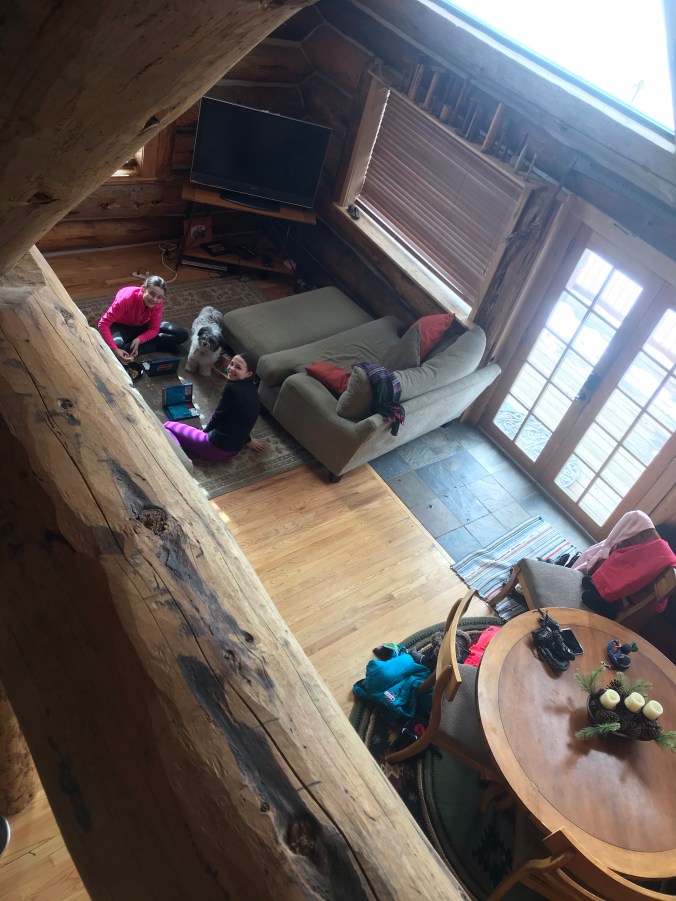
the teens play cabin boardgames

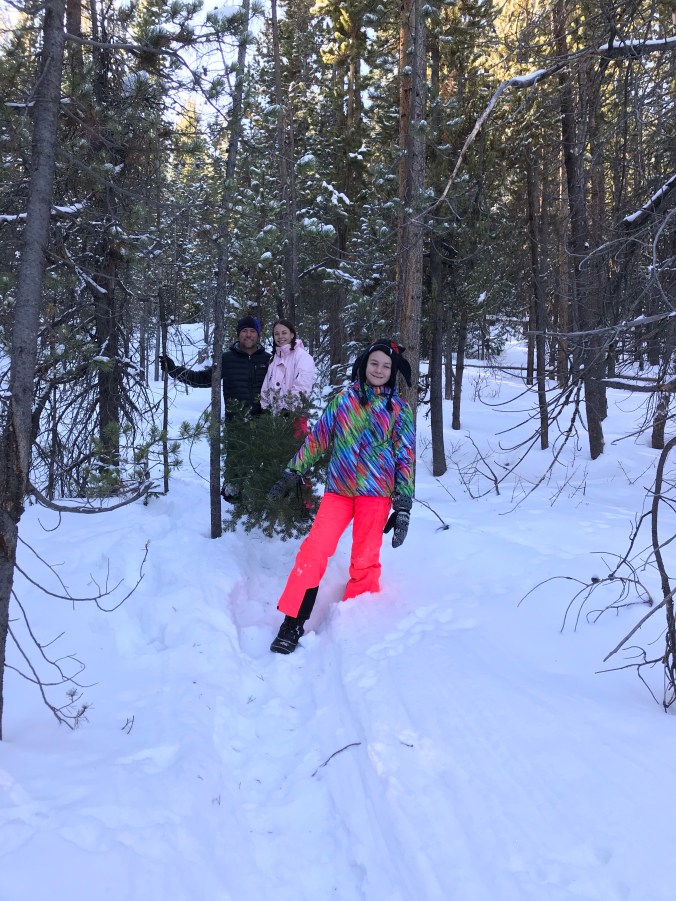
while we ski for love

Colorado Dreamscape

my weekend frenzy

with a pink sunrise startup

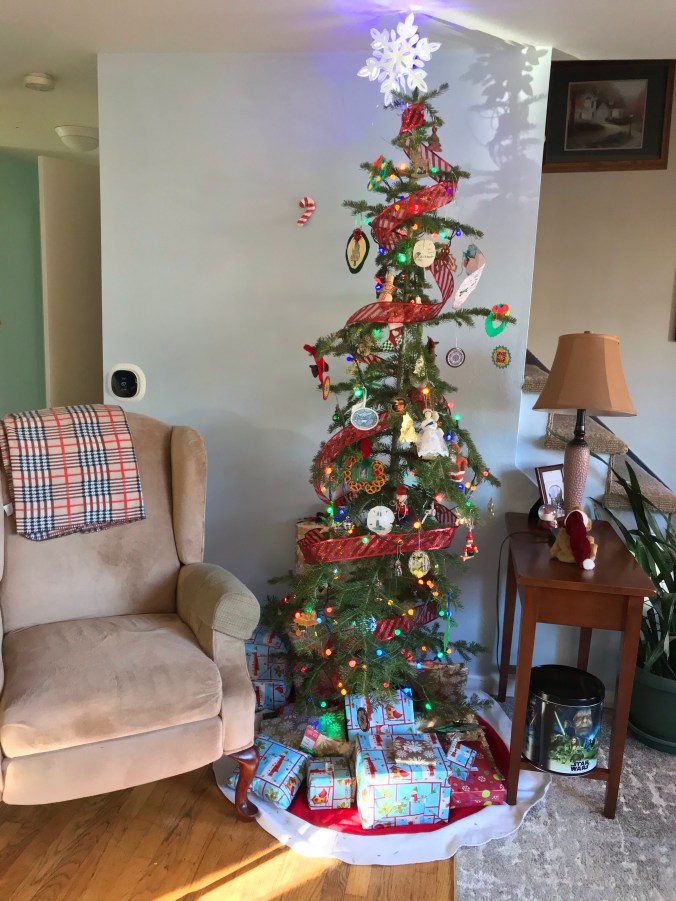
ending with a tree

Birthday Painting

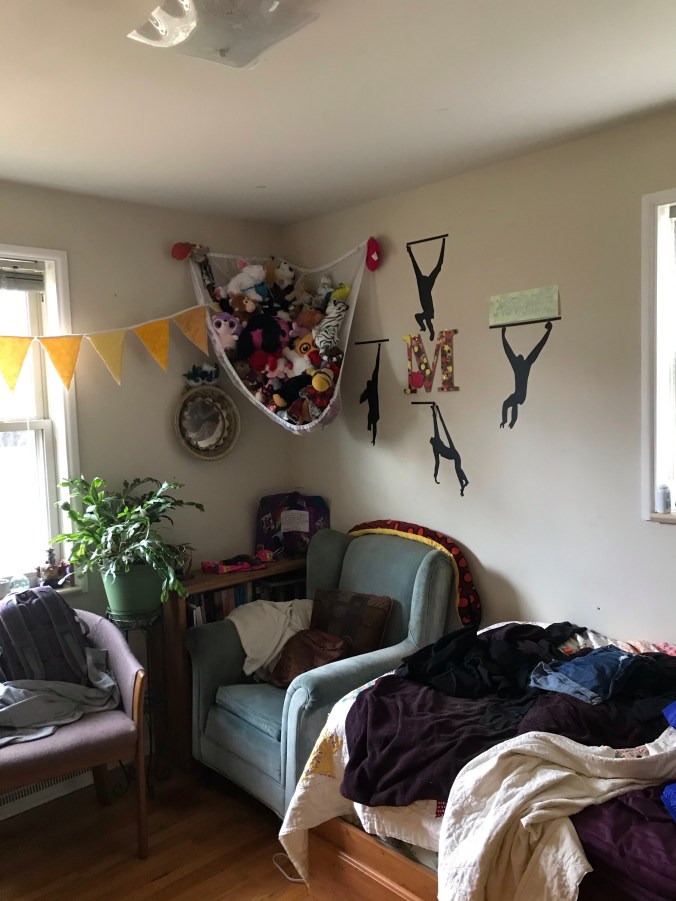
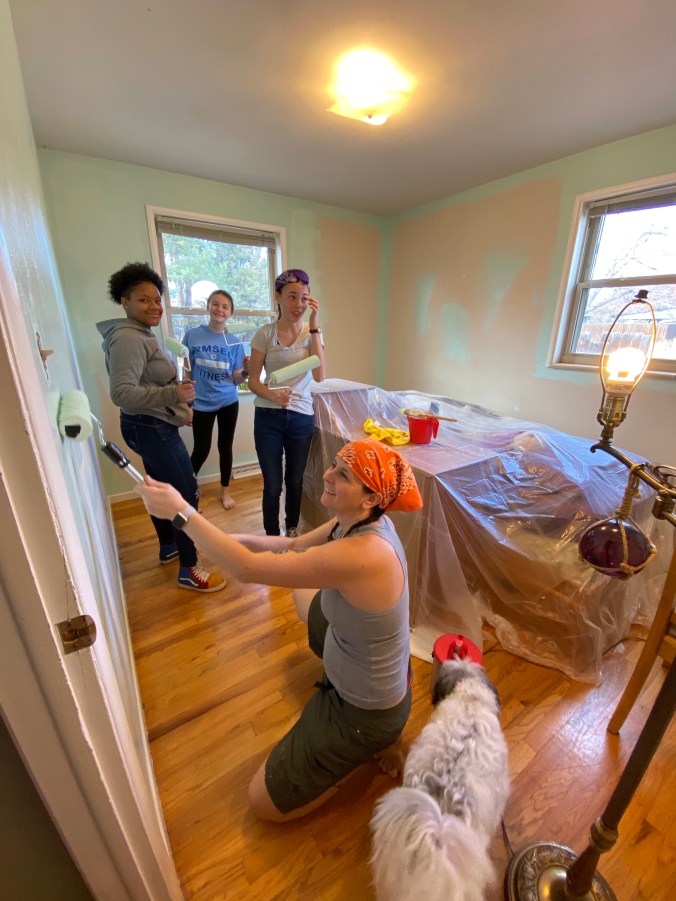
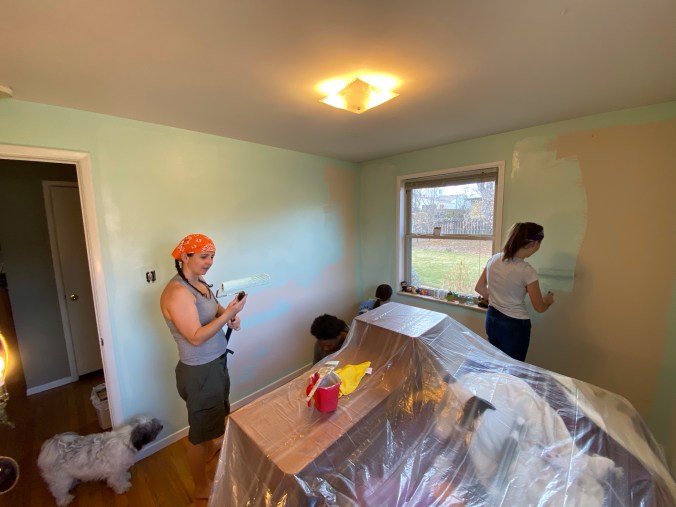
a new coat of paint

and rearranged furniture

can change your outlook

Middle Childhood

to celebrate love:

she’s fifteen on the fifteenth

surrounded by stars

Scarred for Life

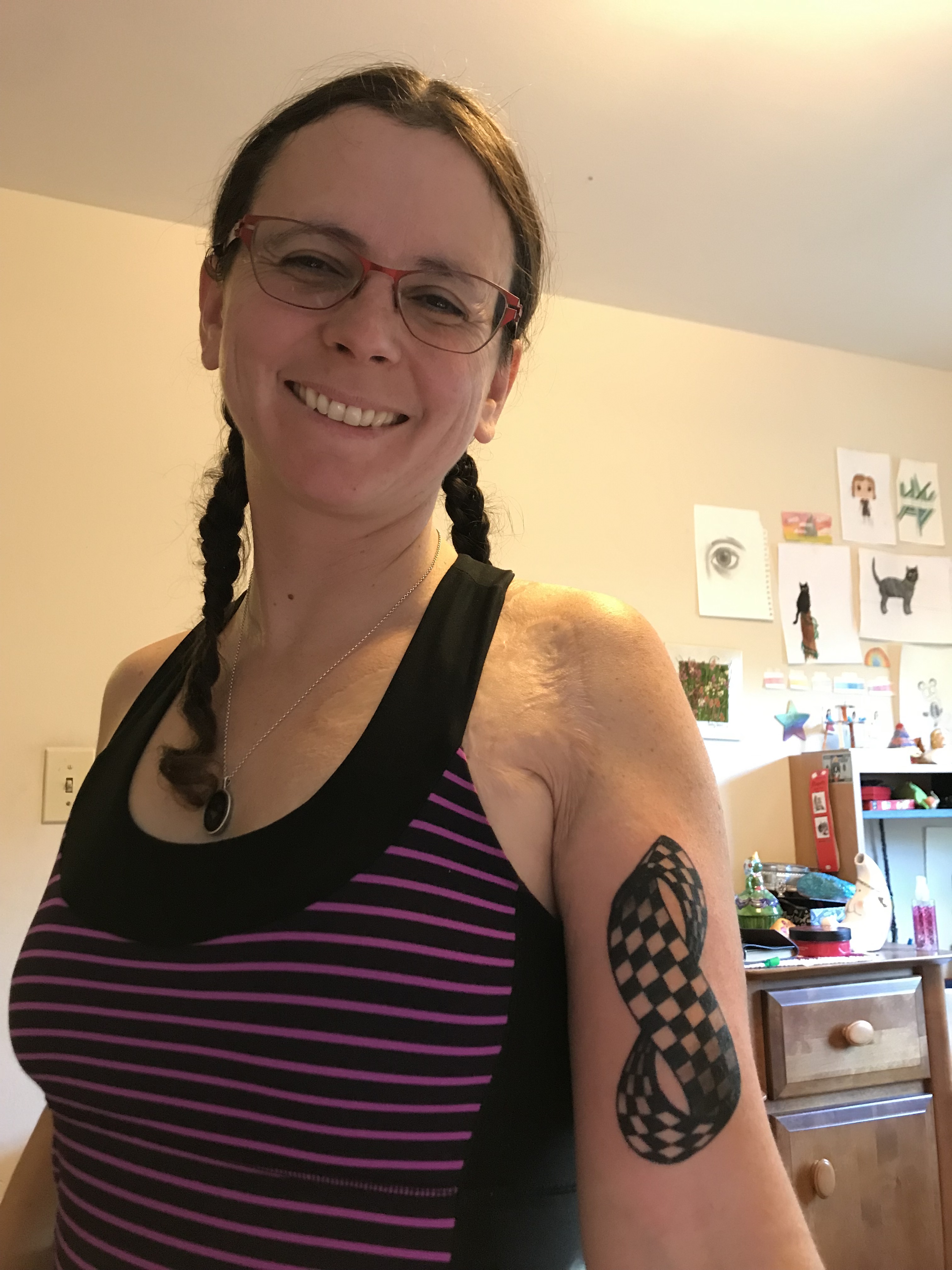
I was eight when the plastic surgeons took their scalpels and shaved a thin layer of rectangular skin from my upper right thigh to carefully morph it onto my shoulder and, twenty stitches and forty-seven staples later, make me a new scar over my burn scar.

For the remaining years of my youth, every time I wore a swimsuit, a tank top, an open-necked dress, I had to answer questions. “What happened?” “How old were you?” “What were you doing?” “How much did it hurt?”

Even though I know my mother worried that the questions would always lead to blaming  her, no one ever asked me, “Where were your parents?”

Obviously, they had done the best that they could. After a few moments of shock when the six cups of water came tumbling down onto my ballerina-shoe sweatshirt, they ripped off the thick cotton and lifted me towards the sink, flushing me with cold water. They called the neighbor who was an EMT. They placed me in an ice-cold bath to try to soothe the bubbling blisters. They drove me to the hospital, to doctor appointment after doctor appointment for six months. They scheduled the surgery. My mother took off work for two weeks to care for me in and out of the hospital–her only vacation time of the year spent fretting over the major surgery her eight-year-old child had to undergo. The extra three days in the hospital because I just wouldn’t heal. The forty-five minutes I screamed after the surgery because the hospital was undergoing a major renovation and no one could find me a nurse to administer pain meds.

But no matter the sacrifice, no matter the recovery, no matter the gymnastics lessons I took that fall to stretch the skin, no matter the special silicone-filled vest I had to wear for months to press the new skin onto the old, that scar would always be there.

Primarily on my shoulder, but truly spilling beyond their surgical tools till all the way below my belly button, I was scarred for life.

Its bitter reminder stung me on my wedding day when I knew I could only pick a dress that would fully cover my shoulder.

On each of my children’s birthdays, when their anxious, hungry lips opened up a new wound in my left nipple that wouldn’t heal for six weeks of excruciating, needle-through-the-veins pain each time they nursed.

On every cock-eyed look I’d received throughout my life when people noticed the scar more than they noticed me.

I was eight years old when I had the best birthday of my life. My parents spoiled me that year because the surgery would prevent me from swimming in any of the five Finger Lakes for an entire summer, a punishment equal to hell for an upstate-New York kid. They let me have not one (the usual), but three friends spend the night. I got a Smurf watch and two Slinkys and a bouncy Gummi Bears toy that we played with for hours. My mom made a strawberry cake with strawberry frosting because I was obsessed with pink. They borrowed the neighbor’s VCR and let us stay up late watching movies. They made my night magical.

Despite everything–the ugliness of the scar, the ugliness of the pain–the scar became a part of me. So what if every time I went to the beach I’d get a look or too? At least I had a story to tell. At least it wasn’t worse. At least it was the worst thing that had happened to me as a child.

When my fiancé proposed to me more than ten years later, there was only one date I had in mind for my wedding day: 8.8.98. The number reflected everything–twenty years old, infinity, the life-changing events of my eighth year of life.

And though my mother always fretted over my scar, and though I feared making the choice I made yesterday for my entire adult life because of my fear of never healing and that cursed scar, I have no regrets.

It is dark. It is light. It felt like a cat scratching me a thousand times. But it did not feel like pouring six cups of boiling water onto myself. It did not feel like giving natural birth to three 9-pound babies. It did not feel like surgeons pulling forty-seven staples out of my skin graft.

It felt like infinity. Like the perfect figure 8.

Scarred for life. Just like I always have been and always will be.


Mount Bierstadt

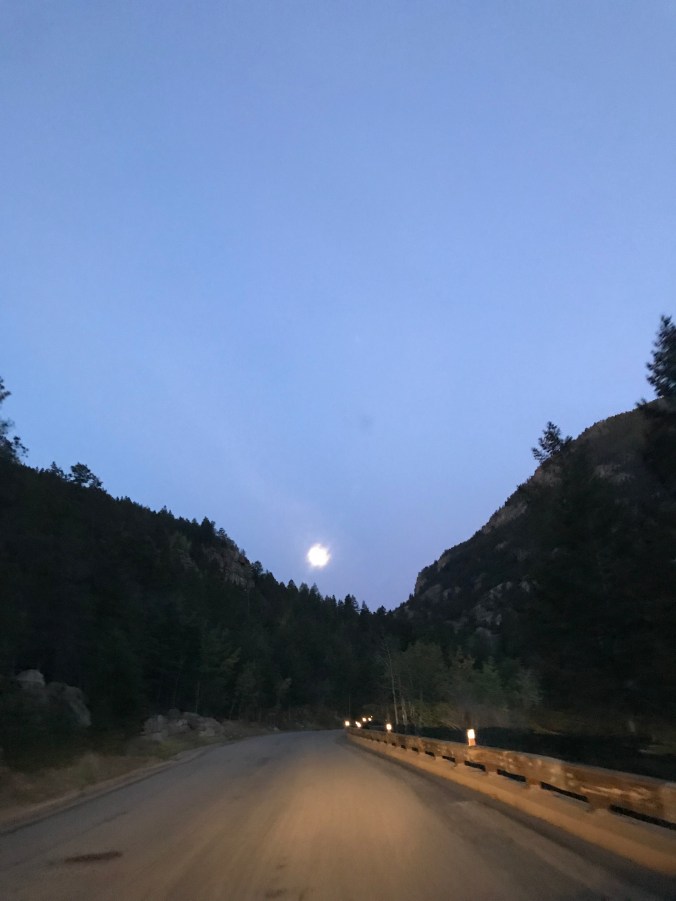
first: the moon and sun

second: 8.5 miles

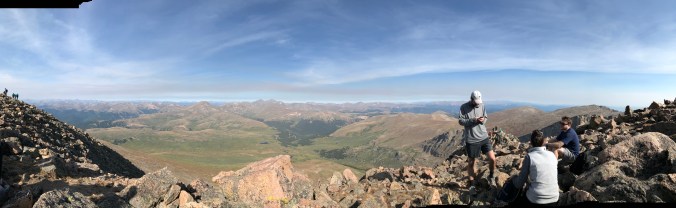
third: a fourteener

fourth: pomapoo strength

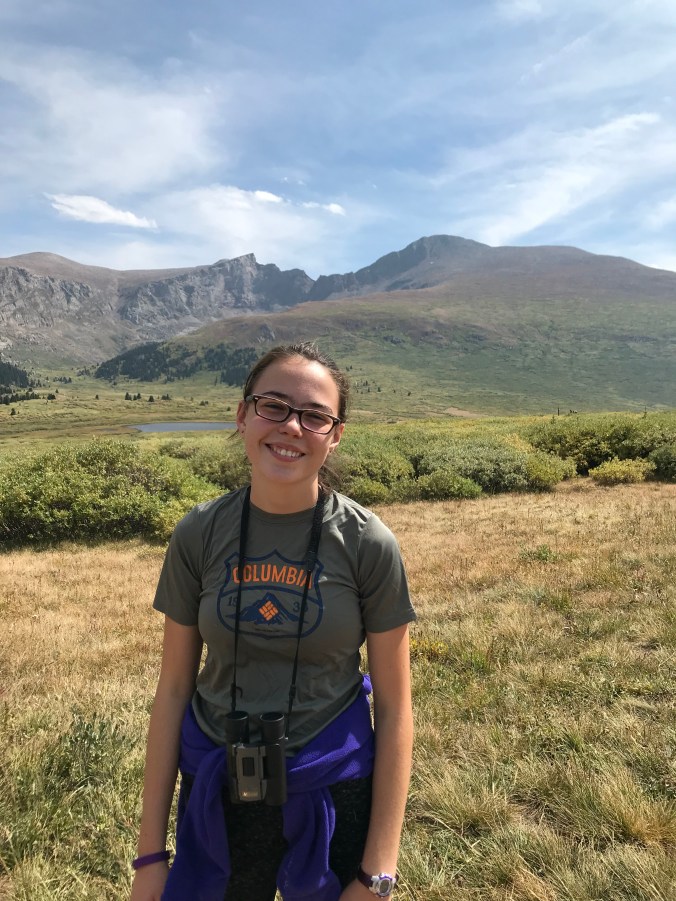
fifth: learning to climb mountains

sixth: altitude high

The Rush. The Run. The Race.

My daughter’s face perfectly encapsulates my day, my motherhood, my career. Straining to run through the burning sun of a late summer day, pushing the limits of what she’s run before, and wishing for a closer finish line.

Disgruntlement at a too-hard, too-narrow concrete runway, making it nearly impossible, impassable.

Fear that her time will be worse than before, that the heat will beat her, that the world will beat her.

A sliver of hope for that final push, that final lap, that is just around the corner yet feels like twenty thousand steps too far.

In the background, teens cheer.  “You got this!” “Just one more mile!” “Keep it up!”

Parents chase the runners, crossing the park’s midsection while they wrap their legs around its exterior shaded walkways. Parents trying to get the next best vantage point to capture that pic, that glimpse of angst that is in every athlete’s face.

Coaches stand on the sidelines, their own cheers tight with passion, with expectation and longing. “Lift your legs!” “Raise up those arms!” “Just like at practice!”

Her expression, their words, the globally-warmed, never-ending sun, beat down on the tumble of meetings that began and ended my day. The constant admonishments from my administration. The constantly shifting expectations and placement of people in power at my school district. The constant lack of a curriculum for the students who need it most and don’t have the right words, the right expression, to beg for that finish line. The constant task of preparing three hours of sometimes-failing lesson plans I must place in front of my Newcomers.

The rush–my god, the rush. Three weeks back, adding item number one thousand and seventy-three to our Google family calendar, Bruce rearranging his ever-strict hours to be able to make this meet, the shuffle of only-two cars, three girls in three activities with varying times, my after-work meeting, my cycle down the bike path, my fifteen-minute window to cross a park three times to gather this glimpse, my Torchy’s Tacos stop, bike locked and unlocked, bathroom locked and unlocked but only with a code, taco bag ripped on the rush up the elevator, only to find a buffet of snacks waiting in the final meeting room. My race to beat the moon home because it would never be light enough, our car in the shop for nearly six weeks, and I don’t even have time to fix the chain on my bike, let alone buy a decent headlamp.

All of this is in my daughter’s face. All the angst, the cheers, the backtalk, the doubts.

And just like her, I am racing to the finish line. It is never close enough, but both of us, somehow, have made it today. We have made one more race, one more step, towards what we hope will be better on the other side.

And that is enough. For today, it is enough.