art intercepts life
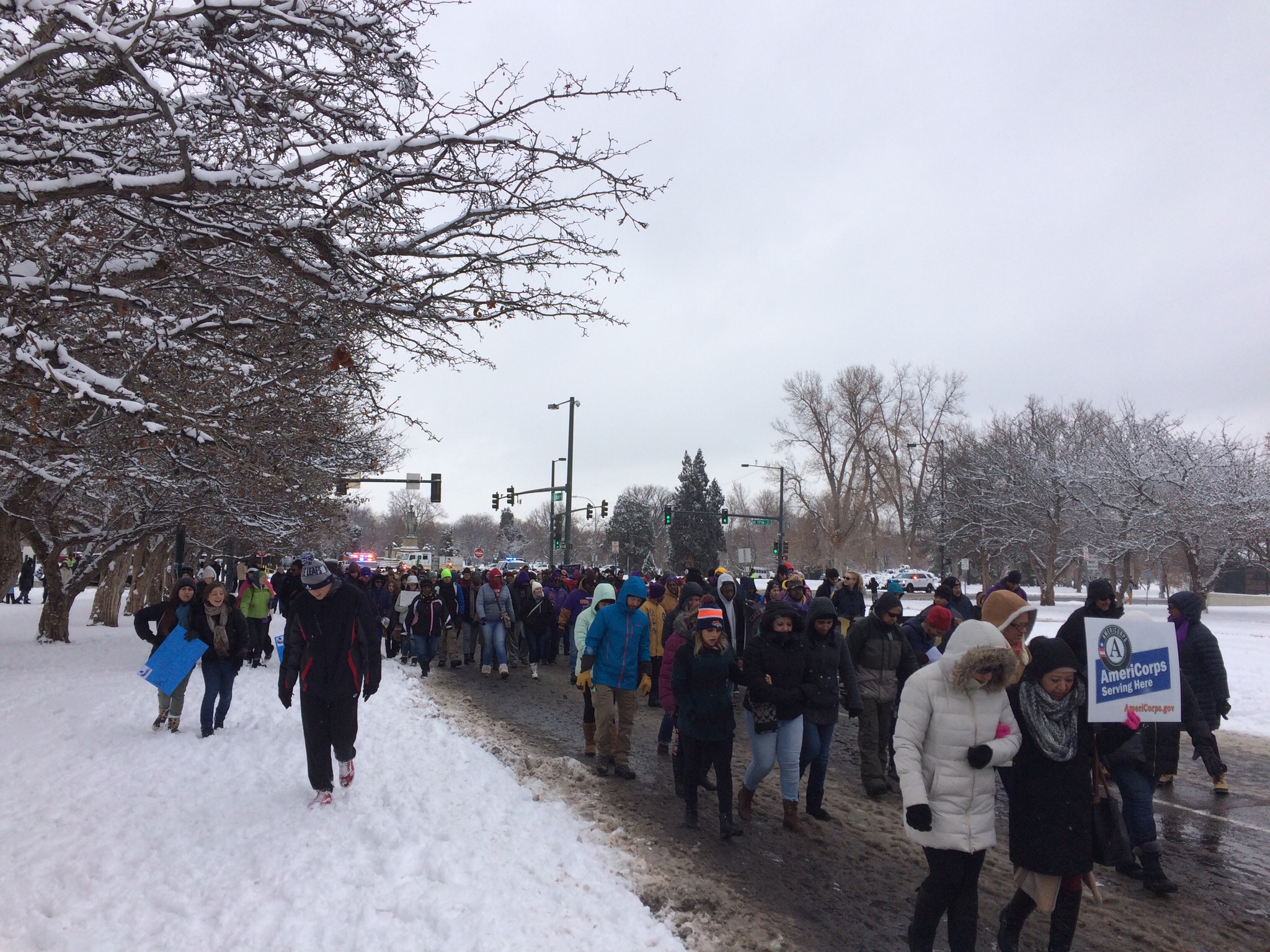
on a cloudy Denver day
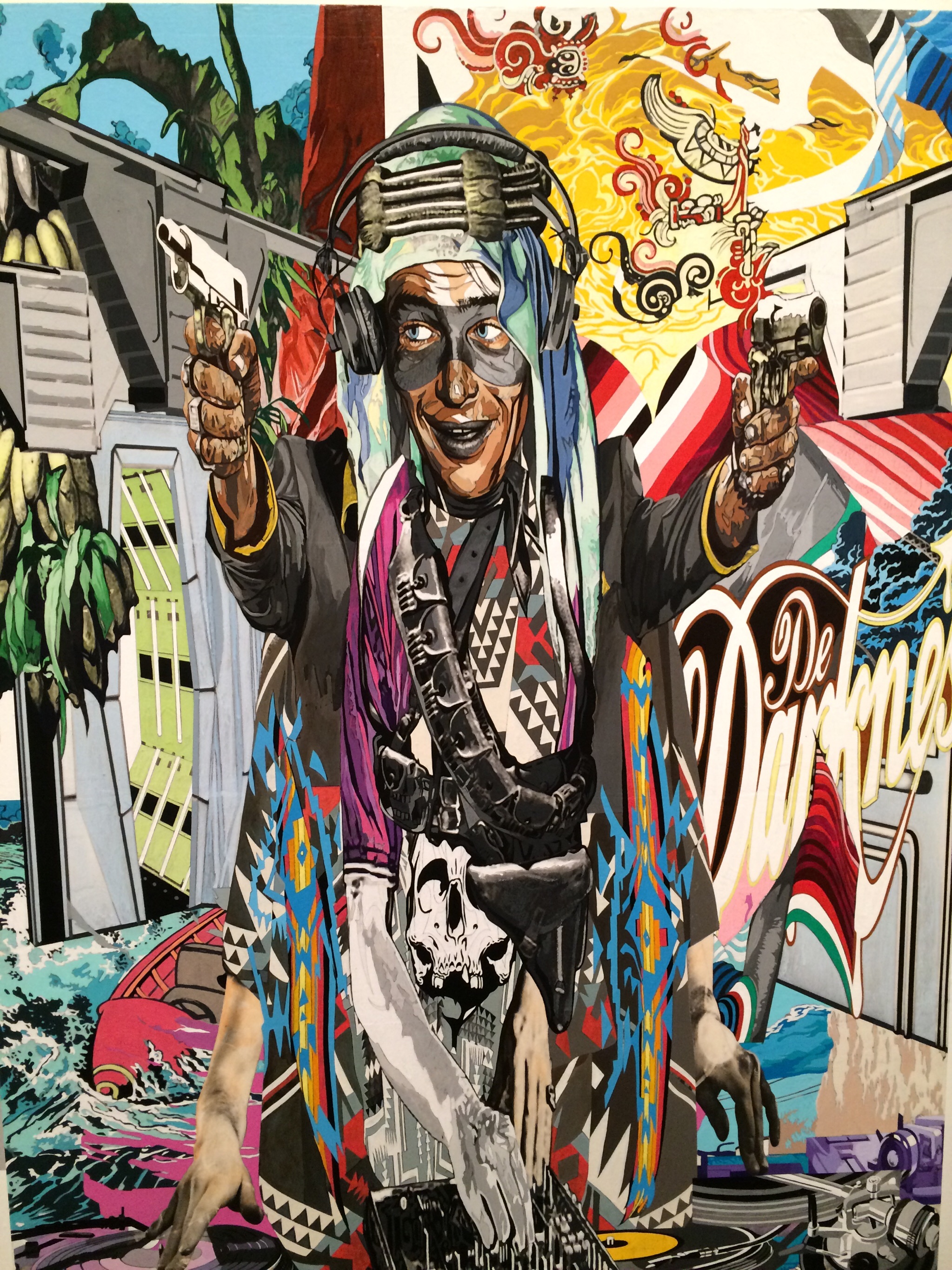
at the museum
social justice rules
when we create from our souls–
pen; paint on canvas
after a long walk
The Nightingale finally ends
(leaving with sorrow)
sorrow chases steps
across the gray of our lives,
of this cool spring day.
but i still find hope:
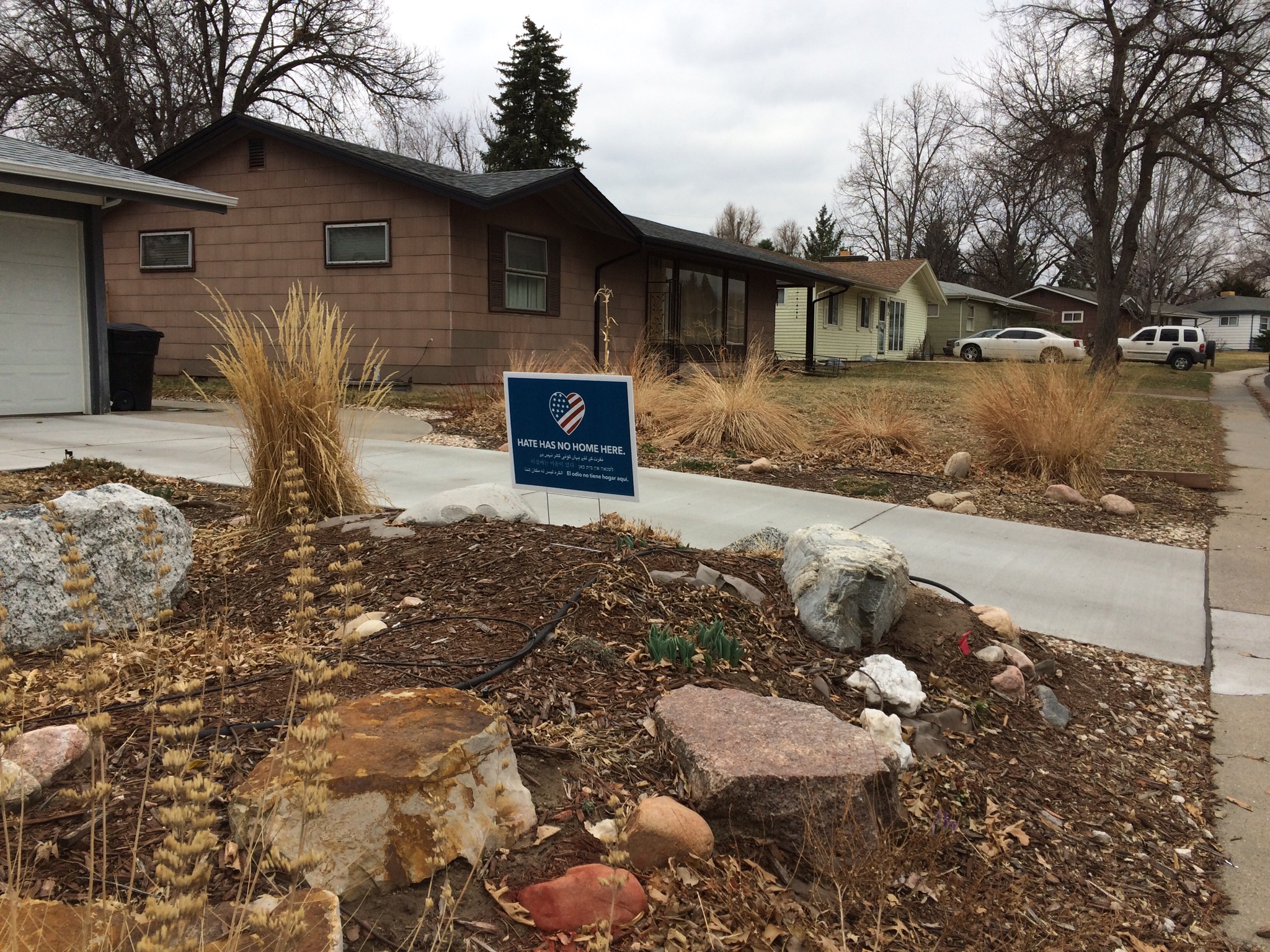
in neighborhood yard signs,
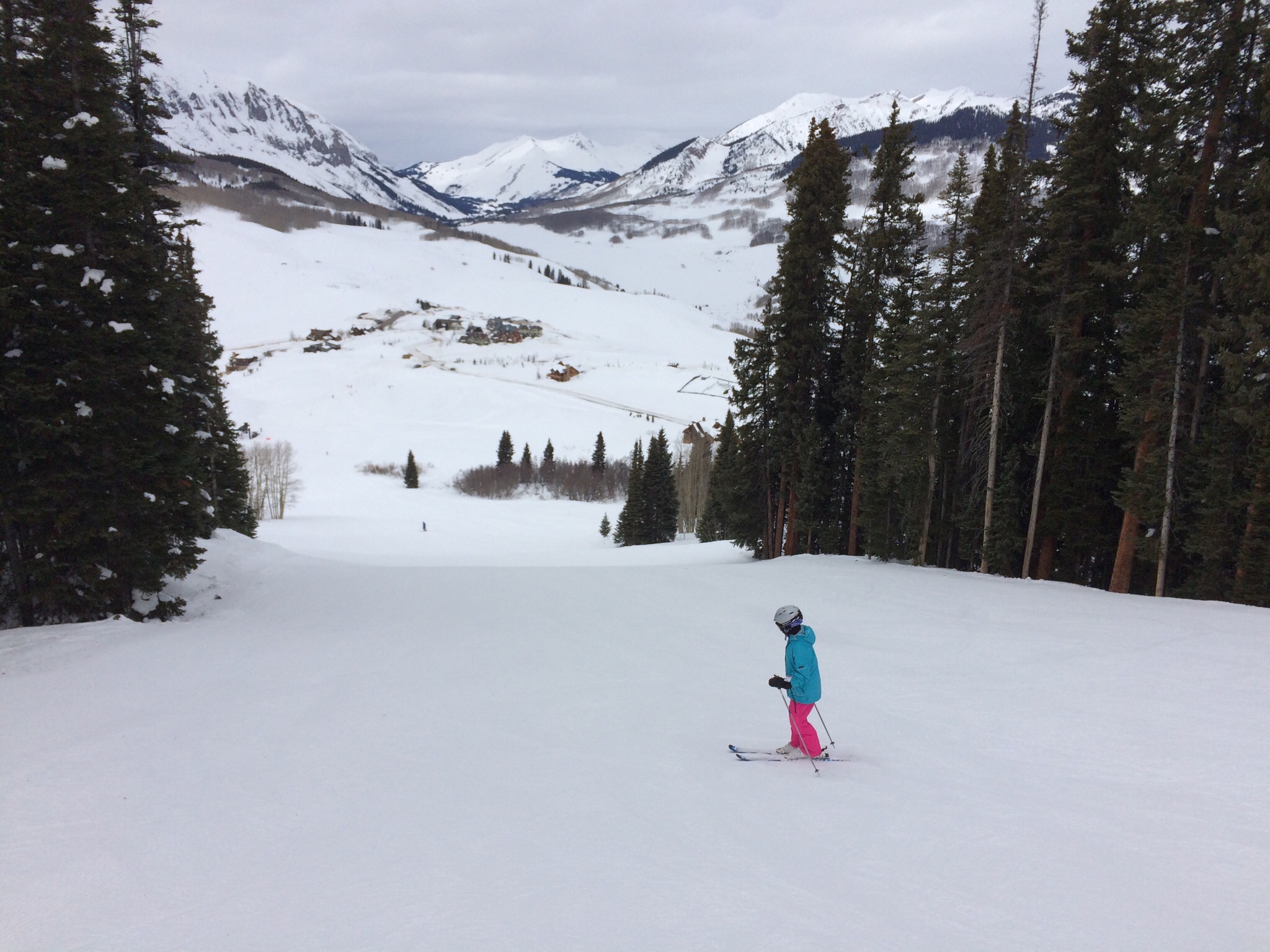
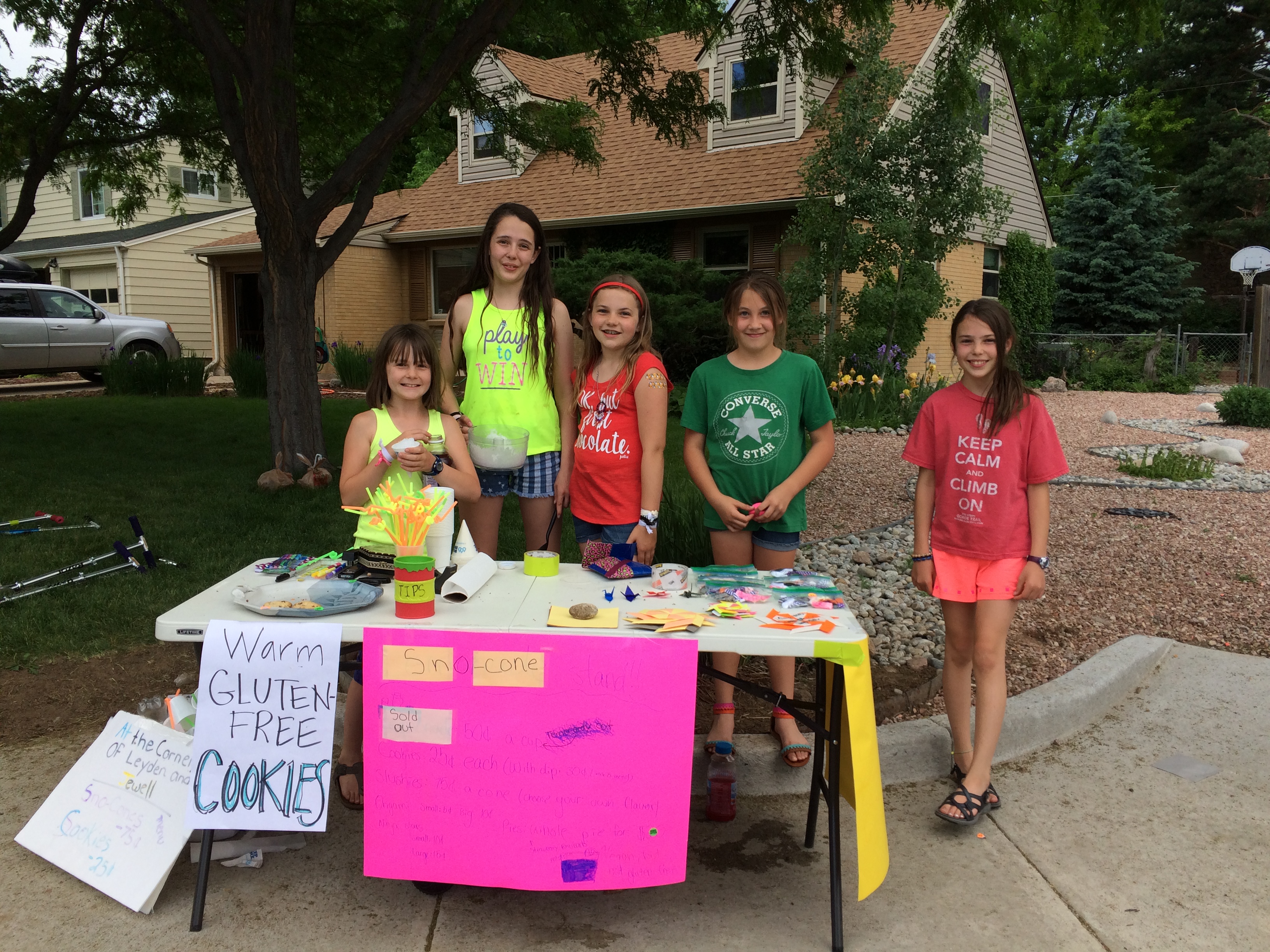
girls getting along,
in the purring cats,
the moist grass that begs to grow,
the chances that wait,
in my daughters’ eyes,
and the fight we all must fight
till tomorrow comes.
loss
Coming Home to Hope
On a rainy October day when I was a child, my parents stopped in a small Massachusetts town on our way home from my uncle’s ski lodge in Vermont so that we could visit a Norman Rockwell exhibit. My mother had always loved growing up and looking at his realistic paintings on the covers of The Saturday Evening Post, and he had spent some time in the town where they were hosting the exhibit.
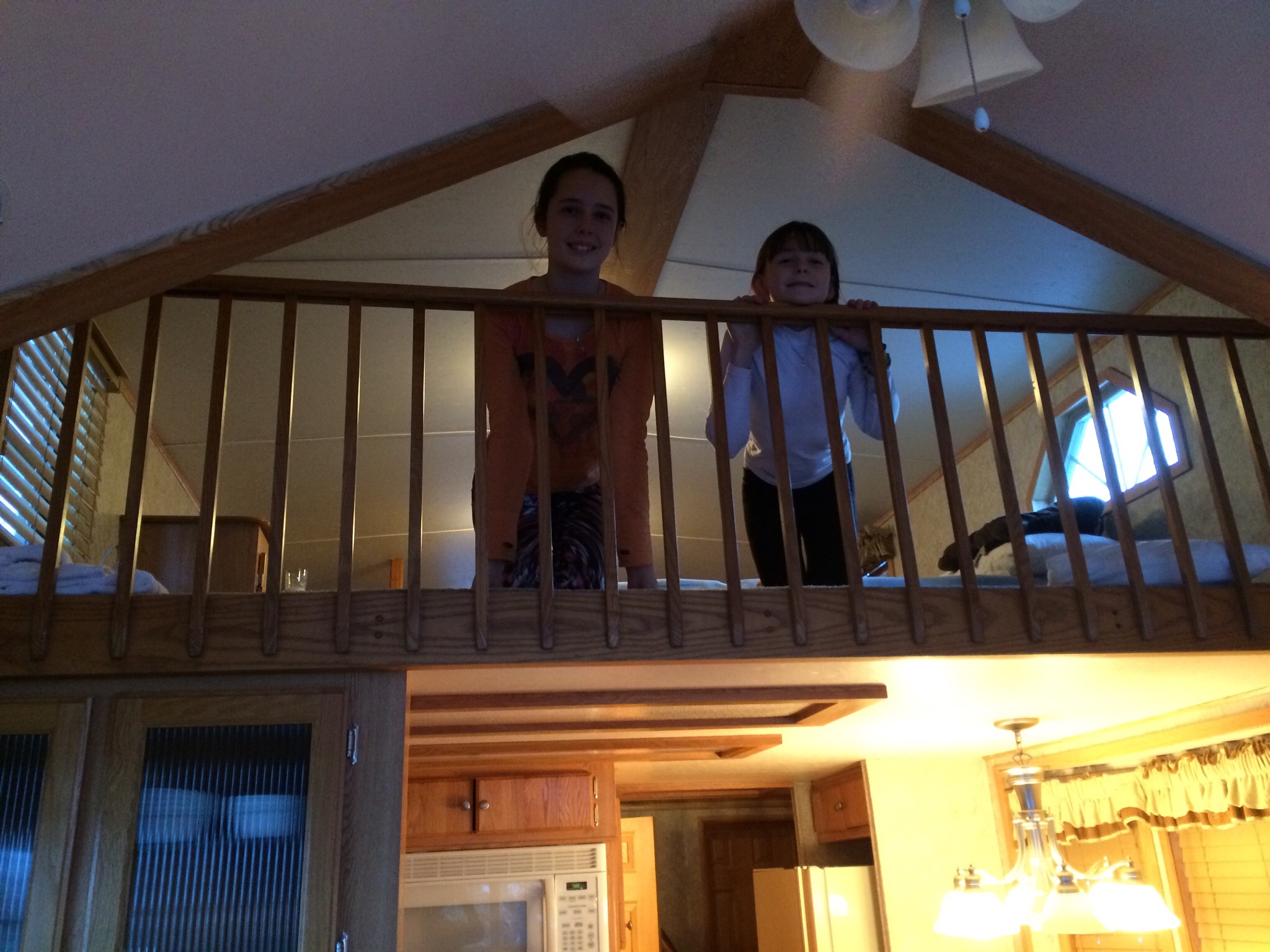
That weekend was one of the few where we were invited to pretend, via a fancy ski lodge in Vermont that boasted a sauna and private pond, that we were rich. We’d met our extended family there: aunts and uncles, cousins and grandparents. The kids all slept on mattresses in the loft, the adults took one of the four bedrooms, and my uncle took the owner’s apartment with a separate entrance at the bottom of the house. We’d play in the woods, race around the pond, braid our hair on the deck, and enjoy an array of delicious food that each family contributed to.
And then we’d drive home to our house in upstate New York, away from it all–the pond, the food, the family… the wealth.
But on that particular Columbus Day, after meandering through the Rockwell exhibit and google-eyeing all the paintings, my mother and father hemmed and hawed over one of their favorite prints: Homecoming. It sat in the gift shop at the end of the exhibit, covered in glass, matted, and lined with a simple silver frame. I don’t remember how much it cost; it may have been $20 or $100, but no matter the amount, it was too much. We didn’t have extra money for luxuries like this–art for the wall??–when we were driving a 10-year-old rusted out Datsun across three states for a weekend getaway provided by my rich uncle.
“What do you think?” my mother asked.
“It’s up to you,” my father responded.
And so the print was rung up, wrapped in brown paper, and carried across the shiny black parking lot through streaks of rain. My mother carefully stacked it atop our possessions at the back of the Datsun and we weaved our way through northeastern storms back home.
As soon as the painting appeared on the wall in our living room, I became obsessed with it. The details. So many faces!! How could he fit so many faces into such a small painting? The redheaded family with open arms, welcoming their WWII soldier home. The old brick tenement and naked trees filled with dirty children. The multi-sized shirts and shorts hanging from the line. The girl pressed against the corner wall, ready to surprise him. The gratitude in everyone’s eyes after the weary war years.
I used to try to count the people. 19? 22? 20? There were silhouettes hidden in the shadows of the apartment’s windows, and it was difficult to determine exactly how many there could be. Homecoming became an ongoing mystery: How did he paint this? How many people did he mean for there to be? How long was the boy at war?
My grandfather, a mostly silent and grumpy man, had survived that war. Was his reception like this one–so filled with emphatic joy that all would be forgotten?
I doubted it.
I saw everything in that painting. The desire. The poverty. The hope.
It hangs in my house now because my mother tired of it, earned more money, moved on to different art, and because she knew how much I loved it as a child.
I pass by it on my way out the door in the morning. Sometimes I play the game with my girls–how many people are in the painting? It witnesses all our guests, all our arguments, all the laughter and joy and chaos that are our lives.
And in these ominous days since the election, it bears witness to my hopelessness. I fold laundry and cook dinner while listening to The Nightingale by Kristin Hannah, one of the many books I have read about WWII. This one has yet another perspective–that of the takeover of France and the secret groups that defied the Nazis to try to stop the war. It focuses on women–women who had to host German soldiers in their family homes while their husbands were prisoners of war. Women who took risks to save the lives of fallen RAF British pilots. Women who had to wait in line for hours for food rations. Women who had to turn in their radios–their only communication with the outside world–and be prisoners in their own homes.
I think about, walk by, and examine Rockwell’s painting as I listen to Hannah’s words. As I remember that dreary day when we bought the print, knowing my parents’ meager salaries couldn’t really afford it. I imagine what it must have been like for my grandparents, living through the daily sacrifices that encompass a war.
I imagine what it might be like for us. As news floods in daily with human rights stripped away piece by piece, with constant comparisons to Nazi Germany, how can I avoid it?
How can I not put myself in that painting, arms open, ready to welcome home my long lost soldier?
Will there be a day in my lifetime that I am there, really there? Maybe one of the silhouettes in the back corner of the window, ready to finally come out?
Will there be an end to this madness that is only just beginning?
Will our country, our people, our democracy, ever have a homecoming?
I cannot answer these questions, just as I cannot accurately count the number of heads Rockwell painted. I can only guess. I can only imagine.
I can only hope that our homecoming is just around the corner, just like that redheaded girl, waiting for her savior to wrap his arms around her.
Searching for Heaven
The Last Plane
Red hair, green eyes, tall and sure of himself, he peeks into my room, searching for a familiar face after lunch. I have seen this look before, as my students often seek their native-language counterparts.
“Who are you looking for?” I ask, the after-lunch crowds raucously meandering around our conversation.
“I am looking for you. I am a new student.” His accent is smooth and meticulous, genteel and articulate.
“Oh, OK. What’s your name?”
“Arvin.”
“Where are you from?”
“Iran.”
“Iran? … And… how did you get here??” But I have to look away because the tears are already in my eyes.
“I boarded the plane on Friday morning. I was in the last group of Iranians to come.”
I want to continue the conversation, but I can’t. I can’t because the tears will fall. I can’t because I have to teach for the next ninety minutes. I can’t because every waking moment of my life since this election, since this inauguration, have become a cycle of servitude. Of serving this need or the next, of wishing for this and receiving that, of hoping for the best and seeing the worst.
Instead I tell him where to sit and hand him a hard copy of I Am Malala. We will listen to the lilting Pakistani accent from Audible today as we continue to highlight human rights violations from the Universal Declaration of Human Rights (we will highlight thirteen incidents in three chapters; we will connect media suppression and fascism and women’s rights to an education too closely to our lives; we will hear Fazlullah’s rants with an American accent).
My weekly volunteer returns from the library after a time with a group of students. She meets with my Iranian student to explain to him his role in the group as they create posters connecting Malala’s experiences to the UDHR. He fits in well and tells the group he cannot draw very efficiently, so can he please have the role of interpreting the quotation from the chapter and connecting it to the UDHR document?
He has been here for five days. He got in on the LAST PLANE.
After class, my retired-white-woman volunteer asks, “If he just got here from Iran, how come he can speak English?”
And that is when I decide.
I have to start here. Right in this moment. With this woman who drives one mile from her upscale mansion in Cherry Creek North to “make a difference.”
“Pretty much all of the students who come here learned English before they came. Usually only the refugees have interrupted schooling. But most countries start teaching English when the kids are in kindergarten.”
I swear her jaw drops ten inches. She wants to say something, but she doesn’t have the words to describe her ignorance.
“Oh…”
And now you know, I want to say. But I don’t. I don’t cry when I want to, because I have to be strong for them. I don’t tell her that Trump’s America is not my America, not Arvin’s America. I don’t tell her that the combination of students in this room represents the values of our country better than most Americans I know. That a red-headed Iranian entering my classroom five days past an executive order banning Muslims is as beautiful to me as Ziauddin’s tears in the New York Times documentary as he sees Swat for the first time in three months (which we watch at the end of class).
Instead, I say, “Thank you for your help. I’ll see you next Wednesday.”
And that is all I can do to resist.
All for today.
Redemption, Please
our country is wrapped
in a cold and hateful tomb
i beg afterlife
Make My Marade
Running Rabid
since the election,
somehow my days have become
a cataclysmic mix of mundane chores
and tearing my hair out over
what we’ve done to our democracy
it’s the gut wrenching choice
Travis must make as Riona and I
grapple with Old Yeller-–
do I shoot my best friend
or suffer the same fate?
only—
our fate is sealed, well after
the roan bull has staggered onto our property… and Yeller?
his last howl hovers over
a hydrophobic nation
God save us all.
Counting On It
once i wrote poems
without counting syllables–
rather, counting moments
that trickled through my mind
throughout the weariness of days,
with little money and lots of hope,
and now it’s little hope and lots of money,
and the twists and turns of reality click in
until i feel i can only control counting syllables,
and one haiku at a time record my days,
the in-between lines lost years later.
once i wrote poems
to put inside stories
that would spill from my pen with
lyrical language and little plot,
so similar to the mundane of everyday life,
when snow spins our tires and meetings suck our days and relationships wither with wear,
and i wasn’t afraid of the words
i so diligently drafted.
but i learned to count.
to be more cautious with words.
seventeen. now. then.
Closing Thoughts on 2016
The year closes with a slew of celebrity deaths, a frightful president-elect, and the hovering window of how hopeless humanity can be as we watch the genocidal and refugee crises erupt around us without comment, without help.
The year closes in my personal life: a new principal at my school, the second daughter in middle school, the first daughter preparing for high school, the third daughter closing out our family’s elementary education. Tumultuous tumbles with family and friends that make me question everything: what I write, what I think, how I speak, how I feel about the issues surrounding me… and whether or not I should publish it “for all the world to see.”
The year closes on my habits: in many failed attempts at fulfilling resolutions, such as writing every day and ditching dairy, I have at least wholly committed to one–not a drink, not a drop, of alcohol for 2016.
And here I am, posting this. Am I an alcoholic? Are any of us? Would anyone be willing to admit it if they were?
Here are my haikus from 13 January 2016, in a moment of reflection and redemption:
reasons why i stopped:
one–brutal voice in writing,
uncensored anger
two–not much laughter,
too much crying to count
(my tear-stained regrets)
three–exhausted sleep
from too many restless nights
swimming in nightmares
four–so much good lost
on the desire to numb,
to not fully live
five–waste of money
in times when we had little,
in times when we’re rich
six–lust and lack of
mediocre love-making
blurred by consumption
seven–fat belly
of someone too far along
to give up this quick
eight–every bad choice
i have made as an adult
came from that bottle
nine–joy i once felt
disappeared on icy rocks
of my lost chances
ten–my daughters’ eyes
watching every move i make
(and i’m making… them)
The year closes with sadness, with darkness, with fear. I lost friends, I came to realize how few I have, and yet… hold them in such a greater light because of their proximity, their understanding of me. I reconciled with my sister and mother. I worked through difficulties in my marriage. I, as always, struggled through the intricacies of teaching teenagers and raising them. I got a new new kitten… and lost her a month later.
I watched the world witness the election of an evil demagogue.
I cried and I cried and I cried.
I wrote less and worried more.
But I didn’t drink. (I didn’t go to AA either. I didn’t need to.) I just wanted to see what the world was like again without the rose-colored glasses.
And the world is a hard, cold place. Filled with people who only think for themselves. Who send text messages to end friendships three years in the making. Who disregard human rights to save themselves a buck. Who turn their backs on those in need for political safety nets.
And the world is a bright and beautiful place. With young eyes that light up and demand that the future sees them for the beauty that they are: conservative Muslim, flamboyant LGBT, bleeding heart liberal, hopeful to no end. With city lights and mountain views, blue skies and snow. With full moons over lapping waves and pink sunrises over quiet urban neighborhoods. With ancient ruins and family freedoms. With girl power and urban schools. With everything that surrounds my bubble of humanity, my hope for human rights, my need to know that it. Gets. Better.

The year closes, and my eyes have opened. I have come to realize how infiltrated in our culture drinking is (this never quite occurred to me before) as I enter restaurants and am immediately offered cocktails or beer; as I go to book club and happy hour and parties and barbecues and hanging out at anyone’s house; as I navigate the simple sentence, “Water for me, thanks.”
The year closes, and I haven’t been numb. I have been fully awake, fully aware, of the pain that sneaks up when your youngest hasn’t done her math homework in three weeks, when your oldest can’t answer a question without a smirk, when your middle child talks back as easily as she grins, when students refuse to relinquish phones and family members whisper and rejection seems to lie behind every unopened door.
The year closes, and it may have many mistakes. It may have many moments of hollowness. But it does not have a single moment of regret.
Because it has been me, uncensored, unaltered me, in every last word, every last post, every last turn around the long journey through life.
The year closes, so let me hold up a glass: Cheers to a new year, a new tomorrow, a new hope… cheers to a new way of looking at the world. Drink… or no drink.
Cheers.